












News
Home
> News







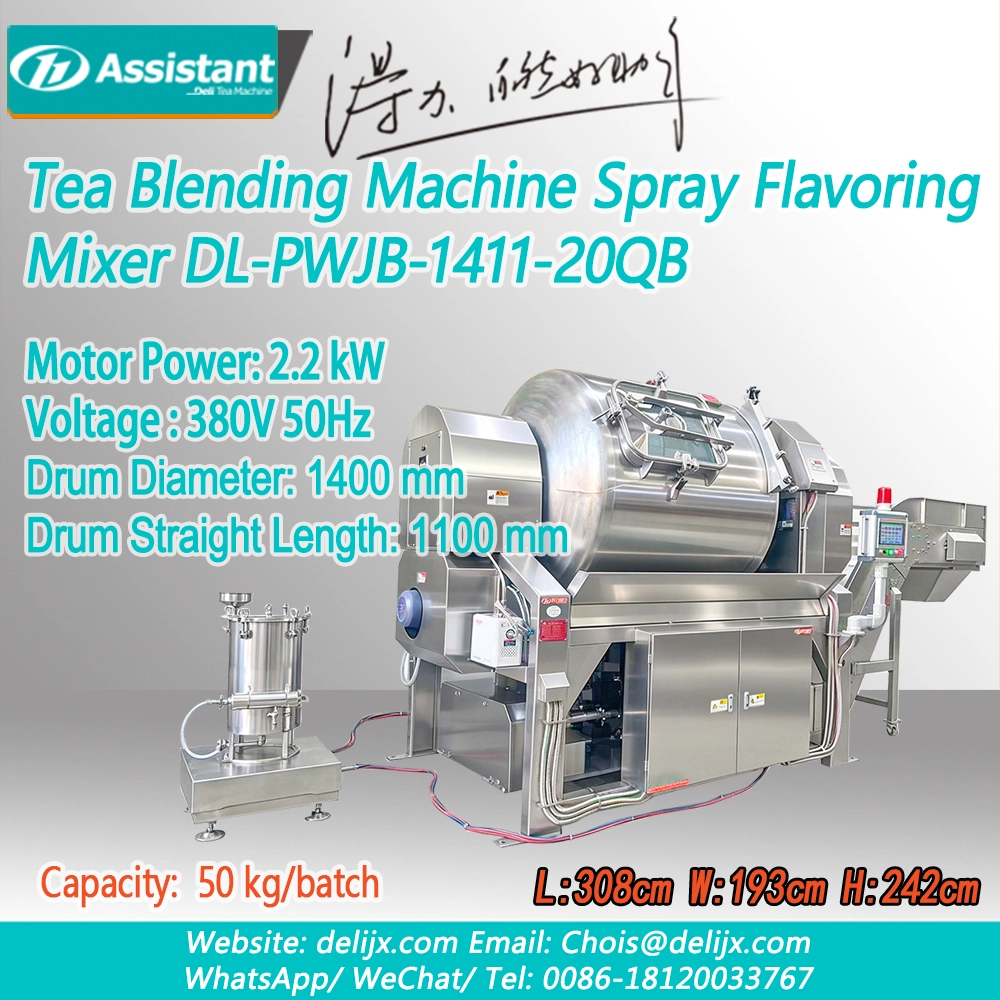
This DELI ASSISTANT spray mixer is a dual-function tea blending & aroma spraying machine, used for homogenizing tea piles and atomized flavor adding in tea factory production, with 1400mm drum, 2.2kW motor and 380V power supply.
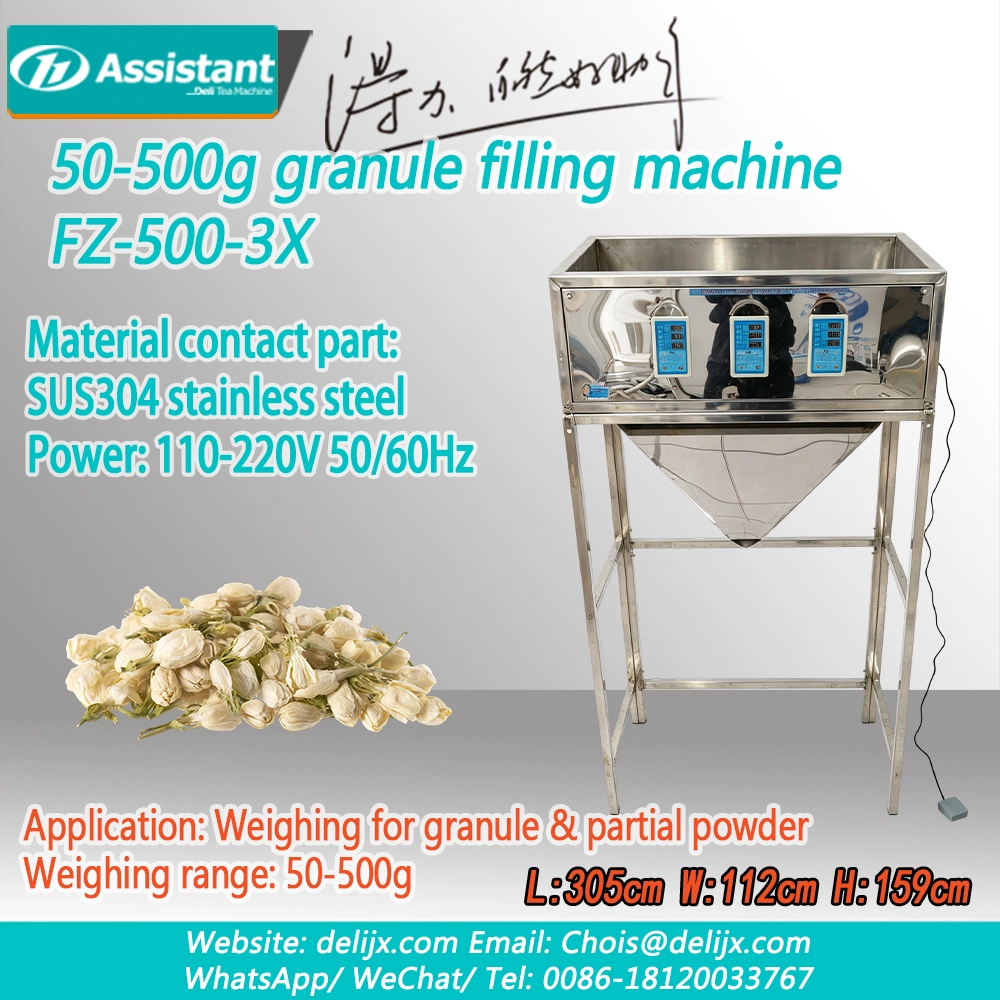
FZ‑500‑3X Automatic Quantitative Filling Machine 50‑500g Granule Powder Weighing Dispenser For Tea Grain Coffee Bean
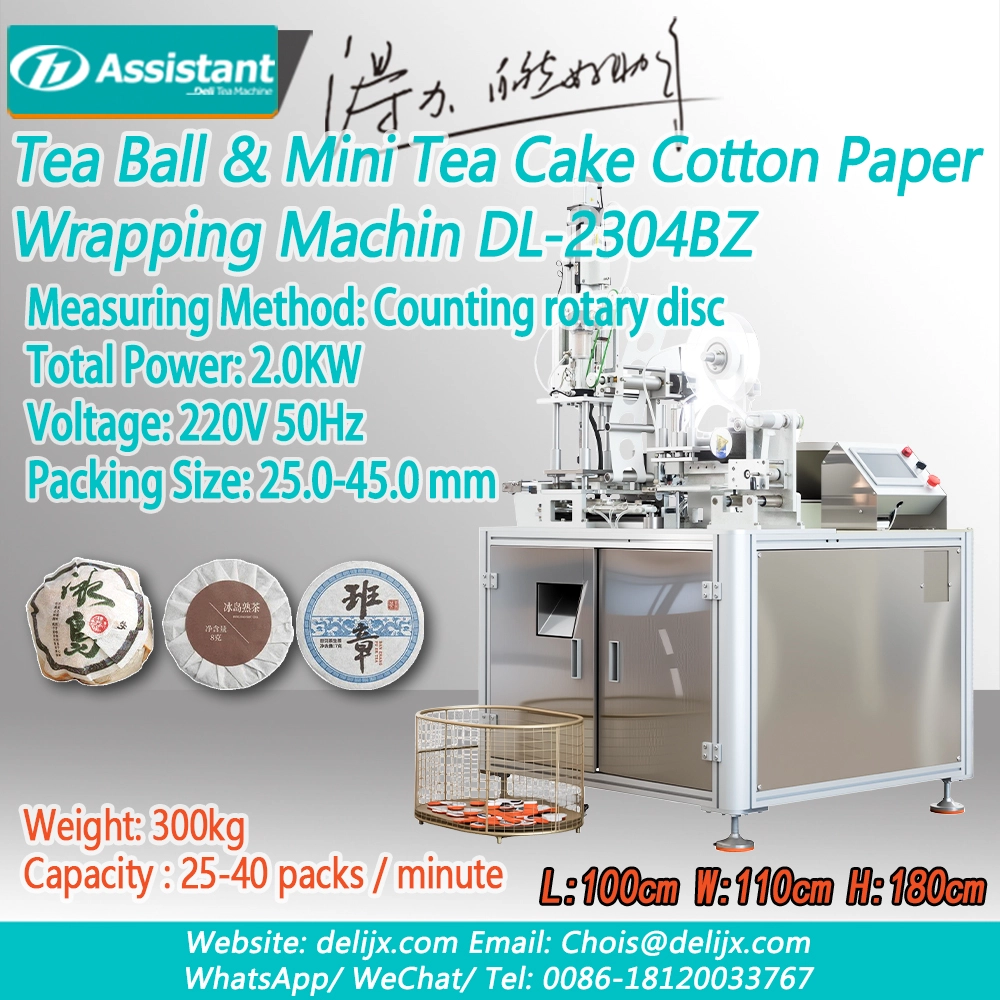
Automatic cotton paper wrapping machine for Pu‑er dragon pearl tea and mini tea cake. PLC control, 25‑40 pcs/min speed, one‑key switch for tea ball & small cake, stable pneumatic‑servo operation for compressed tea packaging.
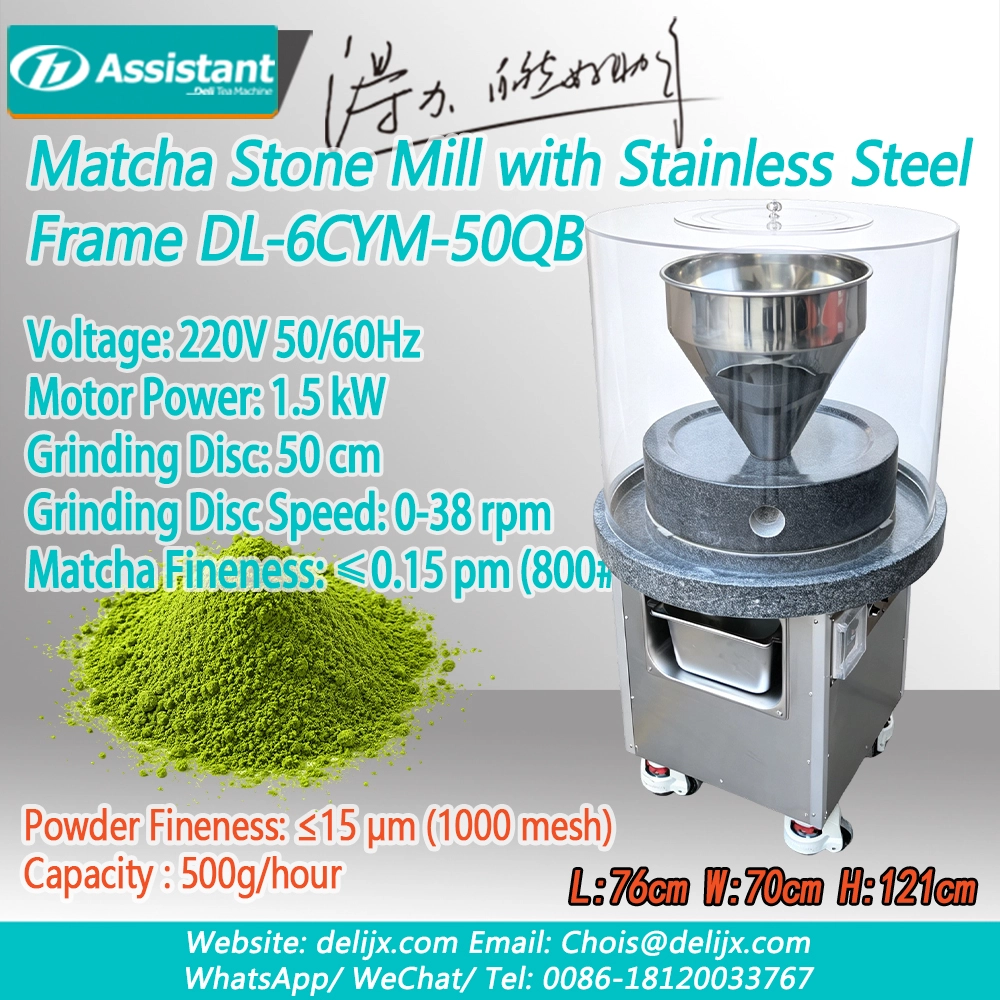
6CMJY-50QB stainless steel custom base matcha green stone mill, natural granite stone plate, low-speed cold grinding. Preserve tea aroma, produce ultra-fine matcha powder. Stainless steel frame with casters, suitable for tea shops, labs and small-batch matcha production.
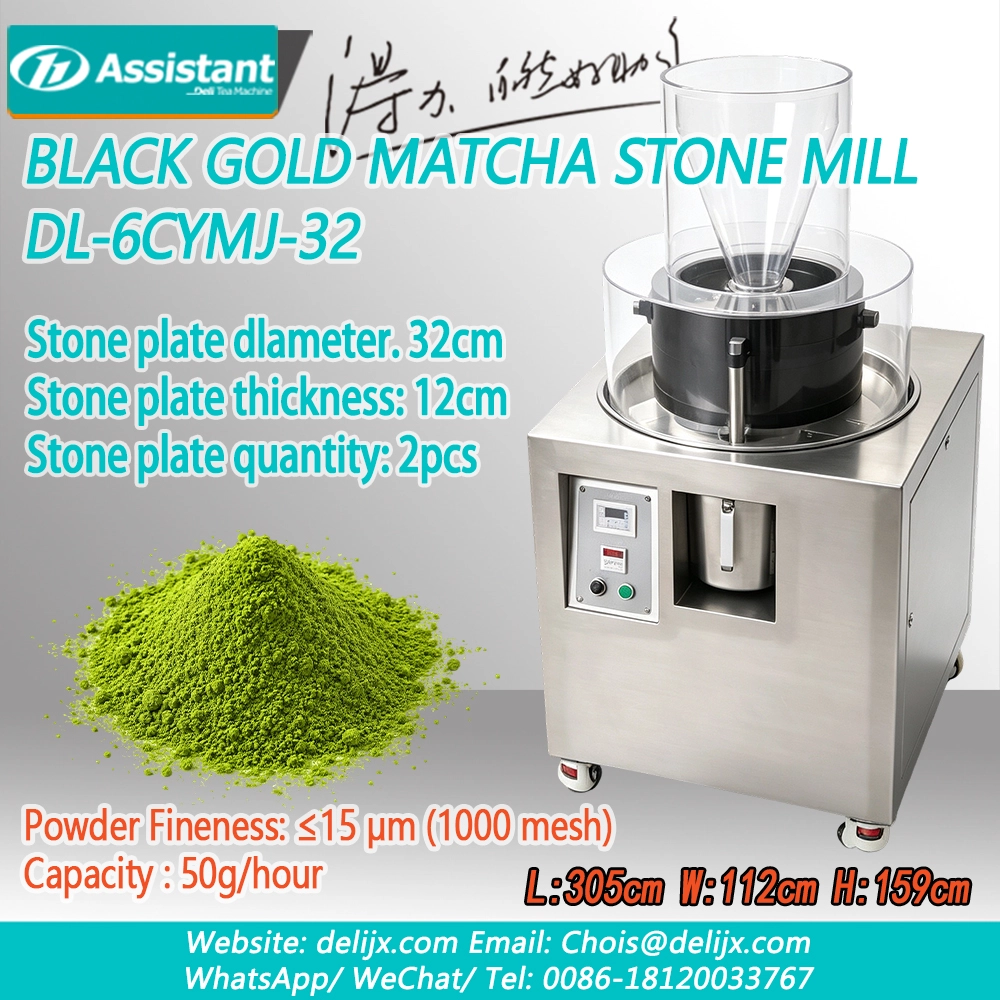
Custom heightened small matcha stone mill DL-6CYMJ-32M, equipped with 30cm natural stone plates. Low-speed low-temperature grinding, produce ultra-fine matcha powder ≤15μm. 50g/h capacity, stainless steel body, ideal for boutique tea shops & small-batch matcha production.
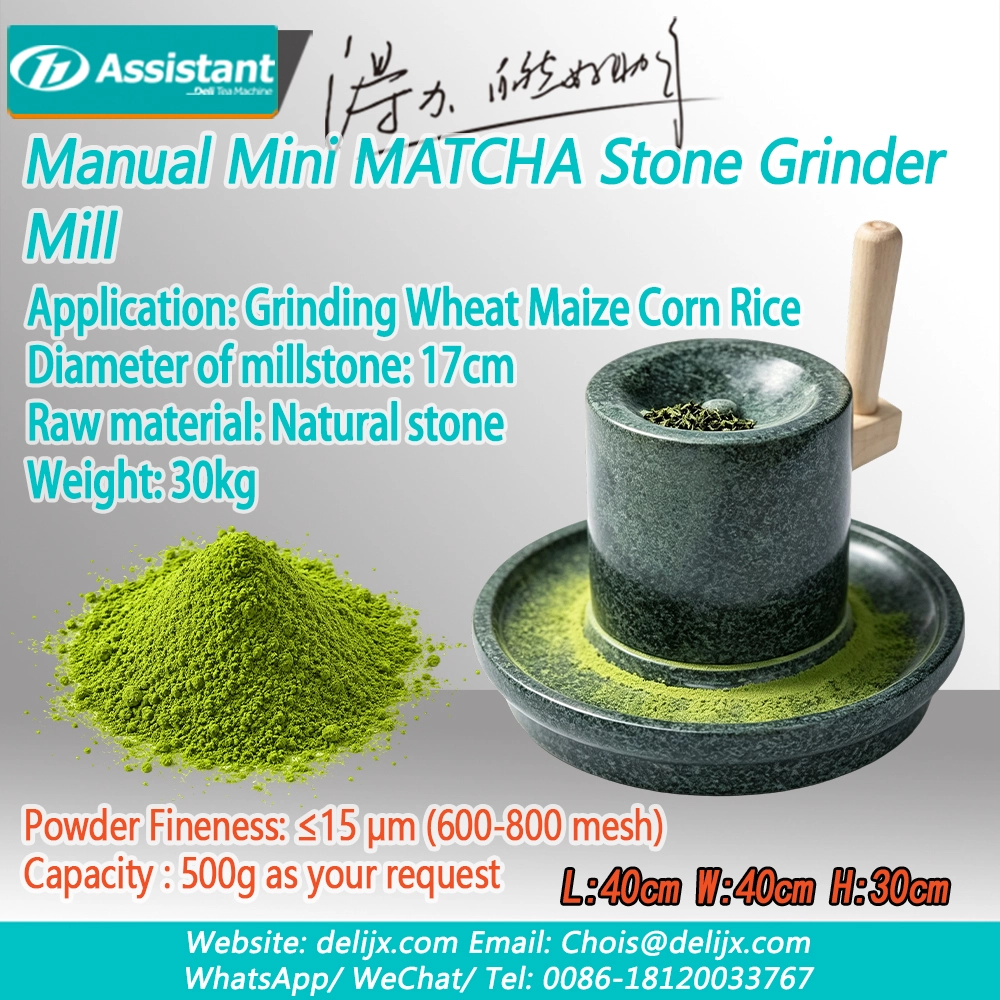
Manual Matcha Stone Mill is a traditional hand-operated grinder made from natural stone, designed for producing fresh and authentic matcha powder. With a slow grinding process and low heat generation, it helps preserve the natural color, aroma, and flavor of tea leaves. Compact and durable, it is ideal for matcha cafes, tea houses, restaurants, cultural experience shops, and small-batch matcha production.
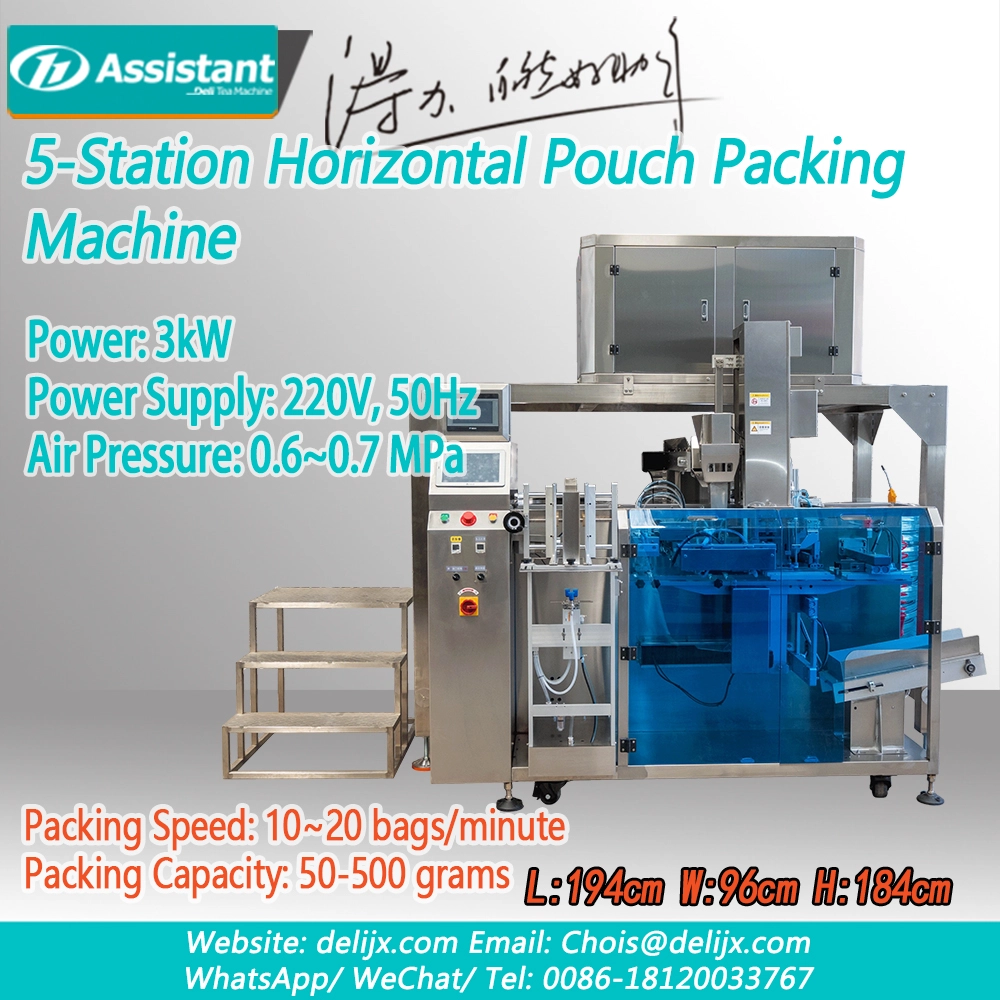
This 5-station horizontal pouch packing machine handles M bags, flat pouches and zipper pouches for 50–500g granular materials like tea. It automatically finishes weighing, filling, vacuuming and sealing with servo control, supporting multiple optional accessories.

The electrostatic cleaner adsorption generated by 4-10 electrostatic rollers extracts impurities in the tea, such as hair, broom bristles, tea fluff ash, thatch, woven bag silk, plastic scraps, iron filings, etc.
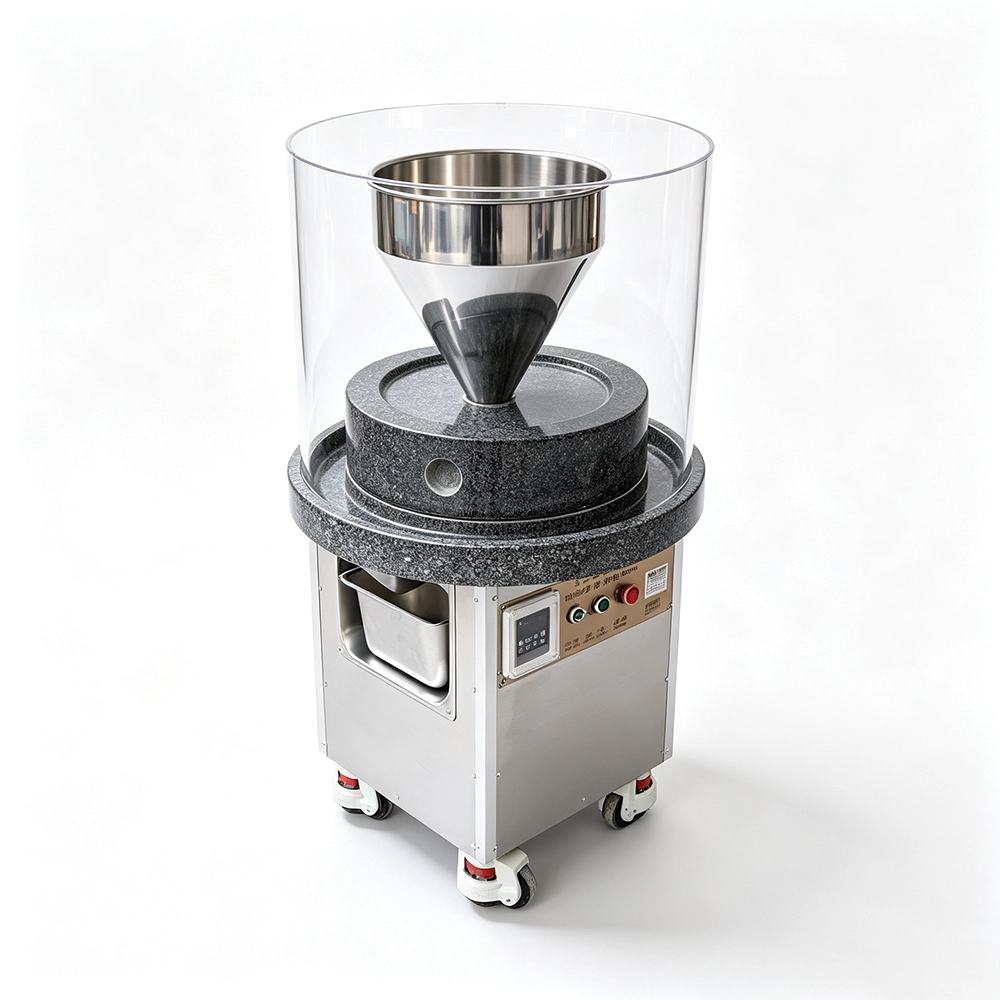
Looking for the right matcha grinding equipment? Read our in-depth comparison of 4 matcha grinders, including Black Gold Stone Mills, Blue Stone Mills, Batch Ball Mills, and Continuous Ball Mills. Learn their efficiency, particle size distribution, and ideal applications.
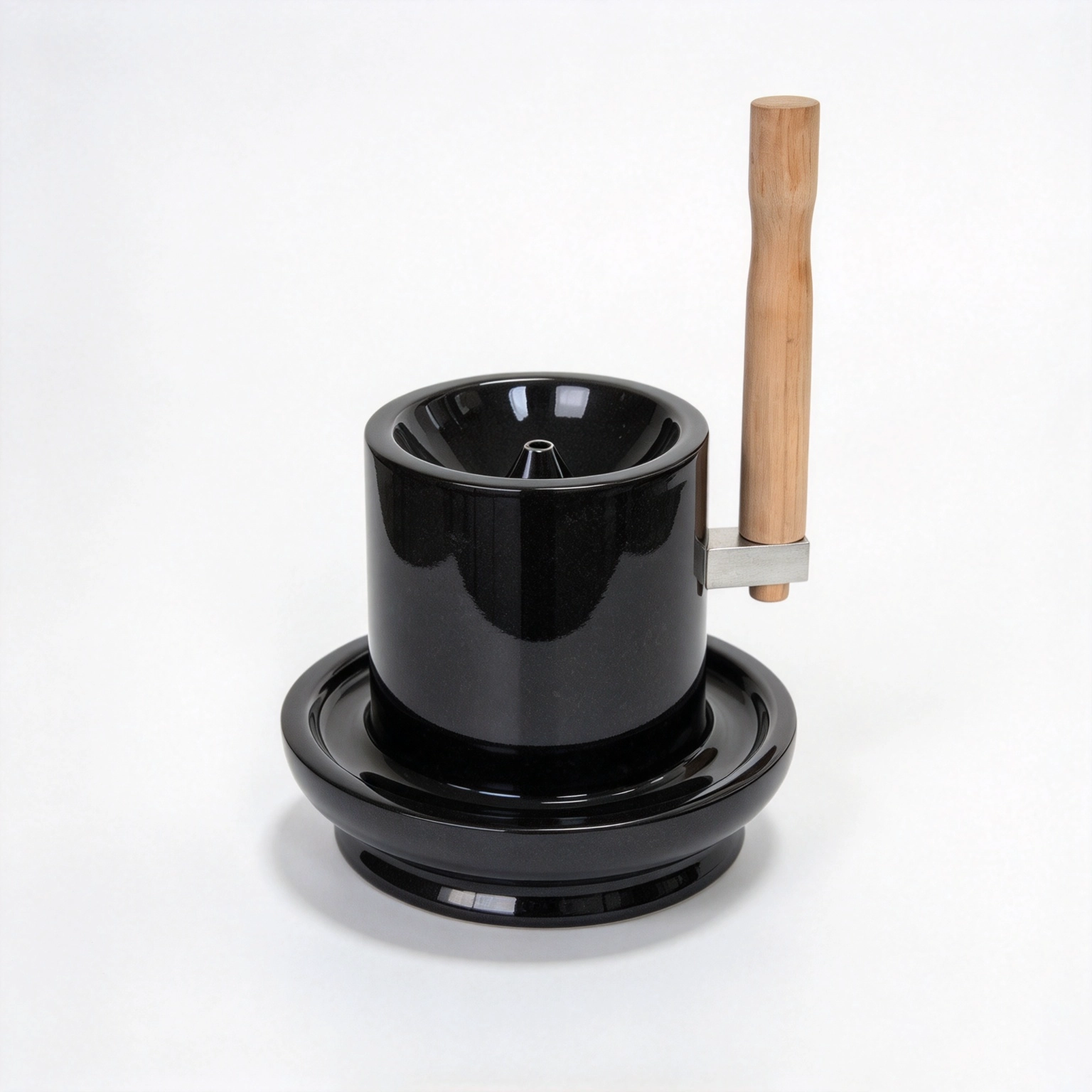
Experience the true flavor of freshly ground matcha. Our mini black stone manual matcha mill brings traditional Japanese stone grinding craft to your home, hand-cranked for fine, aromatic matcha powder.
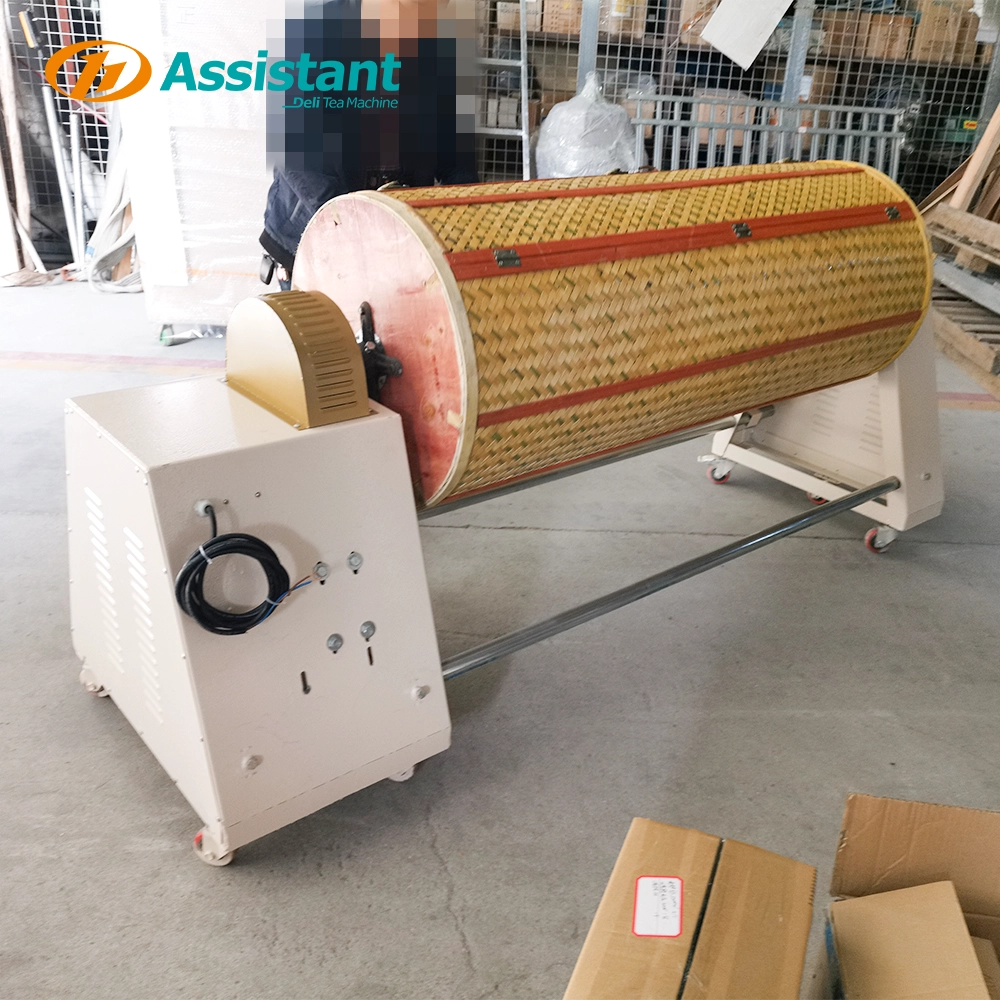
Our bamboo drum oolong tea shaking machine, also known as tea leaf shaker, simulates manual tea shaking to achieve uniform leaf oxidation. Multiple models available for small & large tea factories, stable speed control for premium oolong tea production.

Our DL-6CYMJ-32W stone mill grinder is specially designed for processing matcha and tea leaves. It adopts natural stone plates & SUS304 stainless steel frame, capable of producing ultra-fine tea powder up to ≤15μm (800 mesh). With adjustable rotating speed and automatic operation, it is ideal for tea factories and food workshops. We will introduce its specifications, core advantages, operation workflow and daily cleaning tips below.
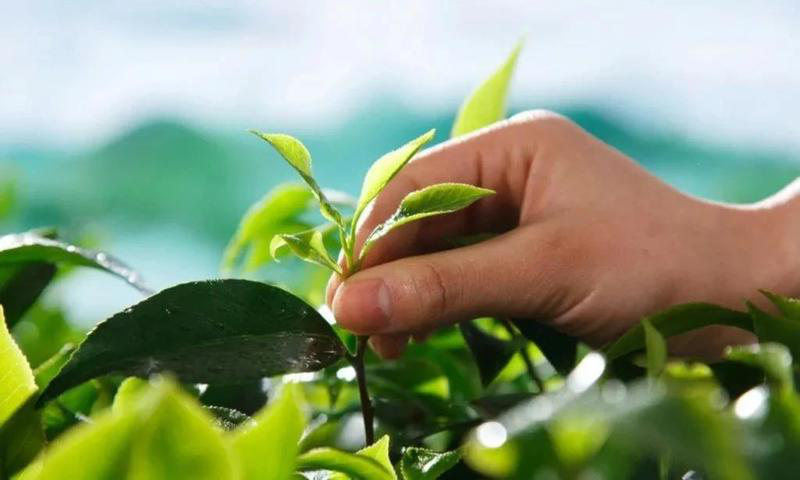
For the better growth of tea leaves, during the tea picking process, attention should be paid to the tea plucking techniques and picking methods.
Read More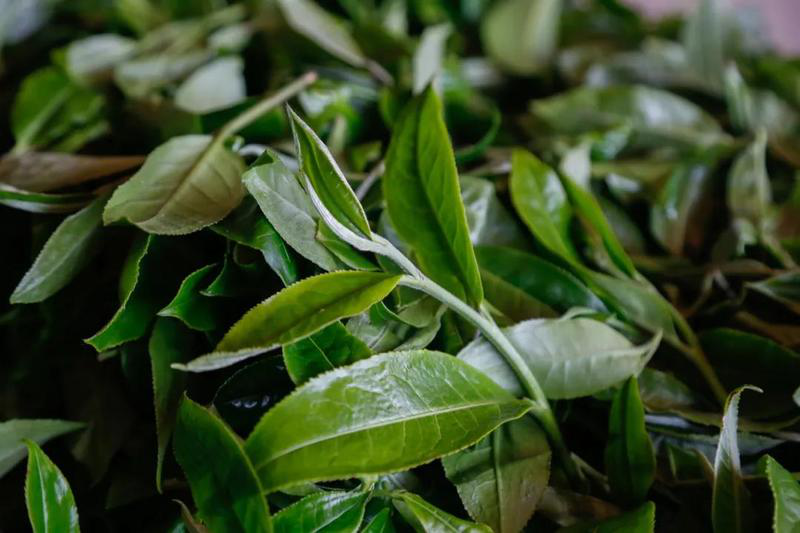
The standard of tea picking should follow the standard of processed tea, taking into account the problems of leaf retention and harvesting.
Read More
Tea picking should avoid predatory picking, pick according to the actual situation of tea, and protect the tea to the greatest extent.
Read More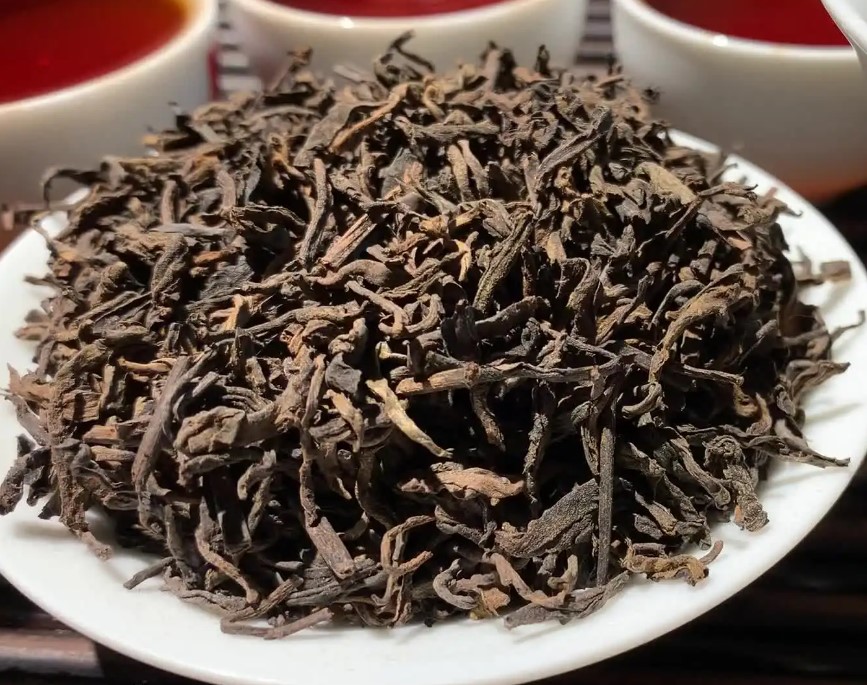
Pu-erh tea temperature is too high or too low will affect the quality of tea. Master the skills of fixing temperature, you can achieve the maximum effect of fixing
Read More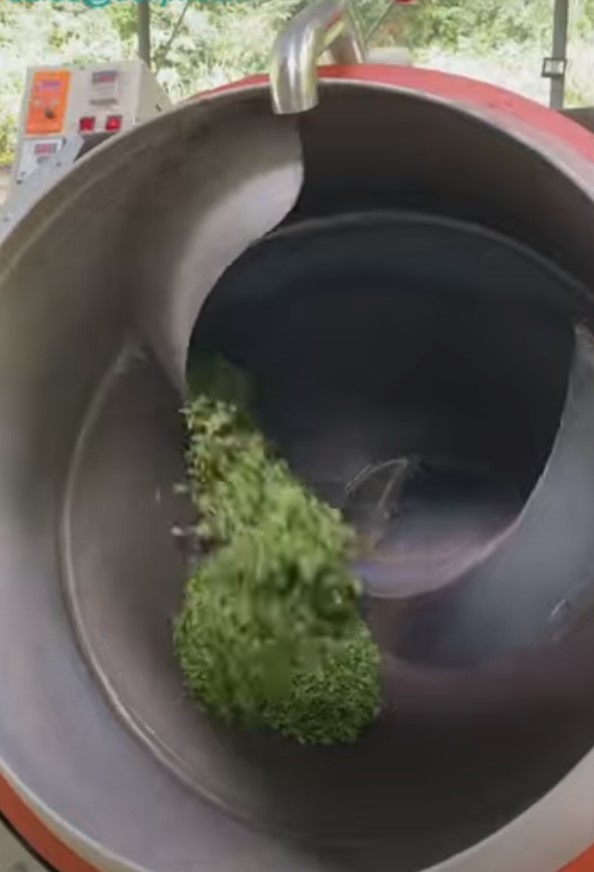
The fixation of Pu'er tea is an important part of the production process. It is very important to understand and master the correct fixation temperature.
Read More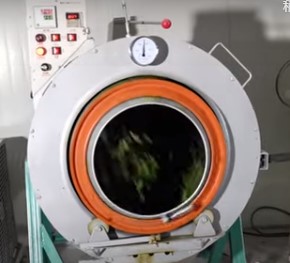
High-temperature greening of tea leaves plays an important role in Pu'er raw tea, which can quickly remove the grassy smell, destroy the enzymatic reaction, and prevent tea leaves from fermenting.
Read More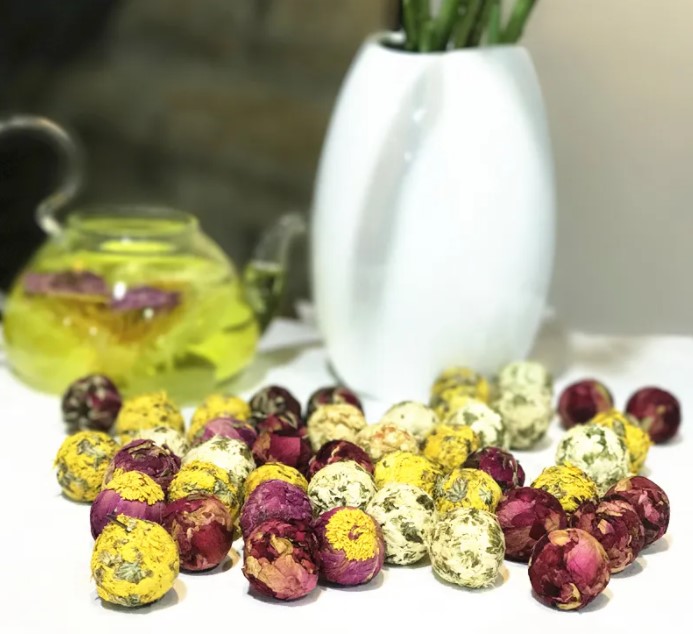
Before the round type tea ball made, the raw tea still need to process by tea withering machine, tea fixation machine, tea roller and tea dryer.Then shaping by the dragon te ball shaping machine.
Read More
Before shaping the dargon ball tea, the raw tea still need to make thoug tea withering, tea fixaiton, tea roling and tea drying.
Read More
Doing a good job in tea garden management can make the value of spring tea more enhanced.
Read More
Black tea fermentation has traditional fermentation and machine fermentation, and machine fermentation will become a trend of black tea fermentation.
Read More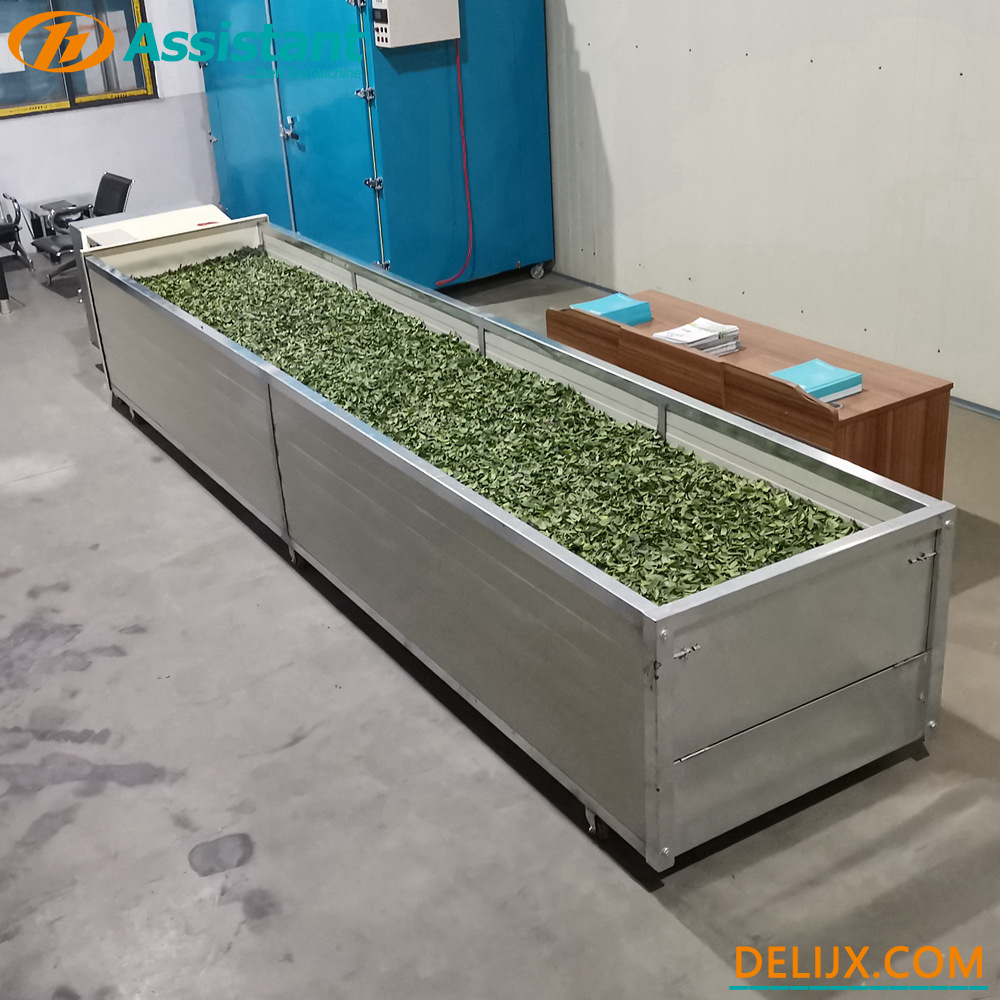
It is rainy in spring and the tea leaves are wet. To reduce losses, it is very important to wither quickly and efficiently.
Read More
Tea grows fast in spring, and in rainy days, how should the tea be treated quickly to prevent the tea from spoiling?
Read More