












News
Home
> News







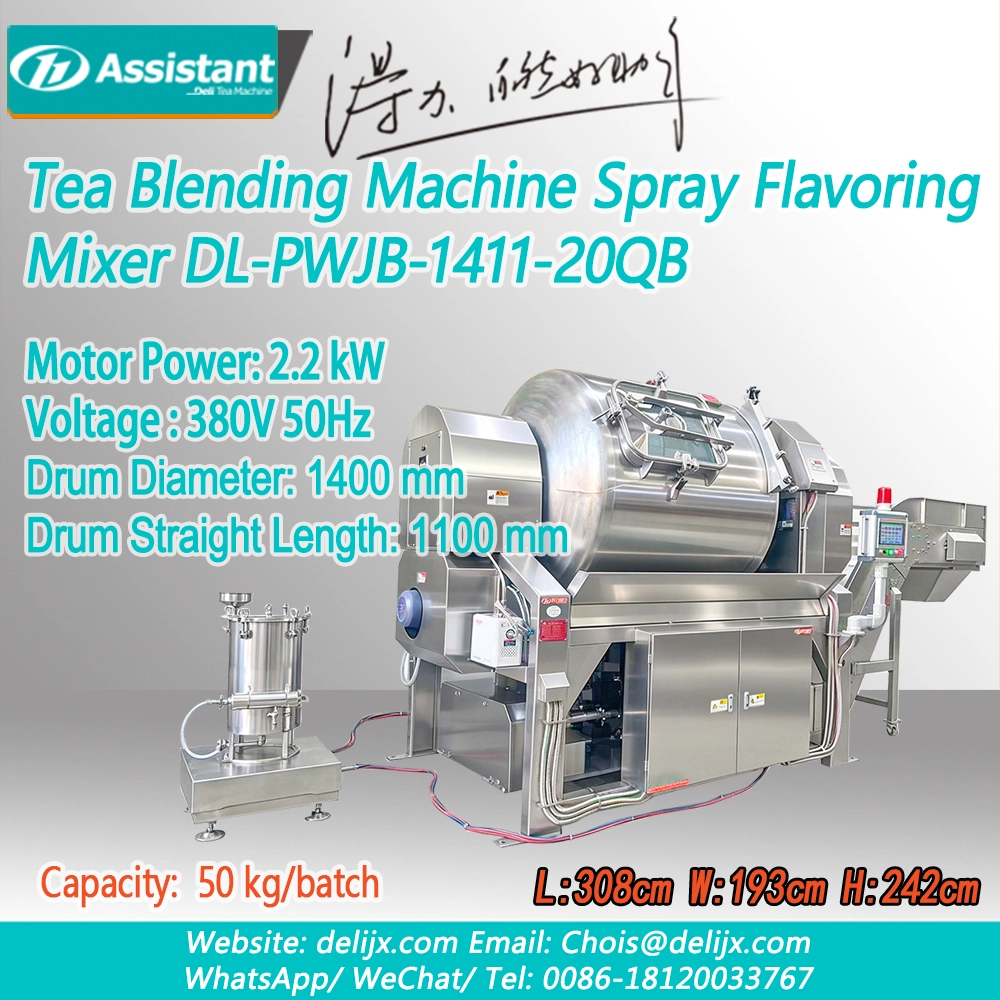
This DELI ASSISTANT spray mixer is a dual-function tea blending & aroma spraying machine, used for homogenizing tea piles and atomized flavor adding in tea factory production, with 1400mm drum, 2.2kW motor and 380V power supply.
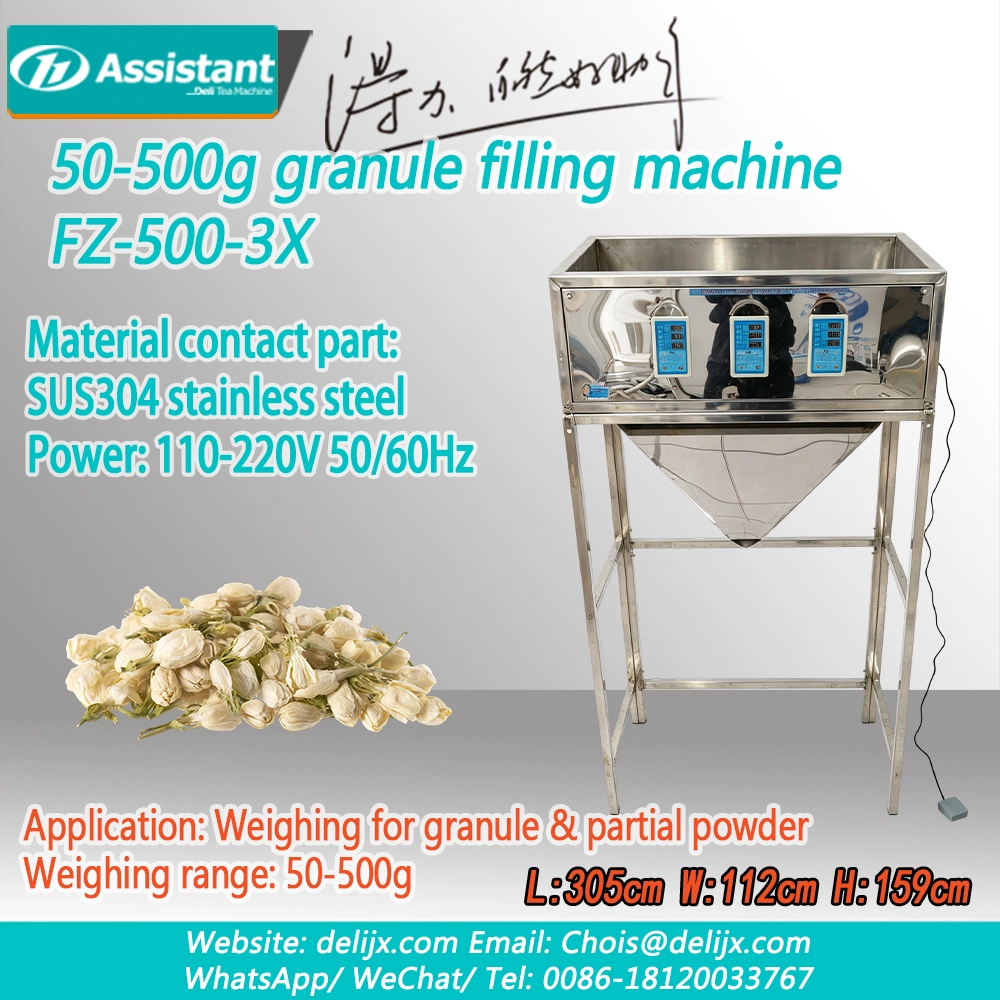
FZ‑500‑3X Automatic Quantitative Filling Machine 50‑500g Granule Powder Weighing Dispenser For Tea Grain Coffee Bean
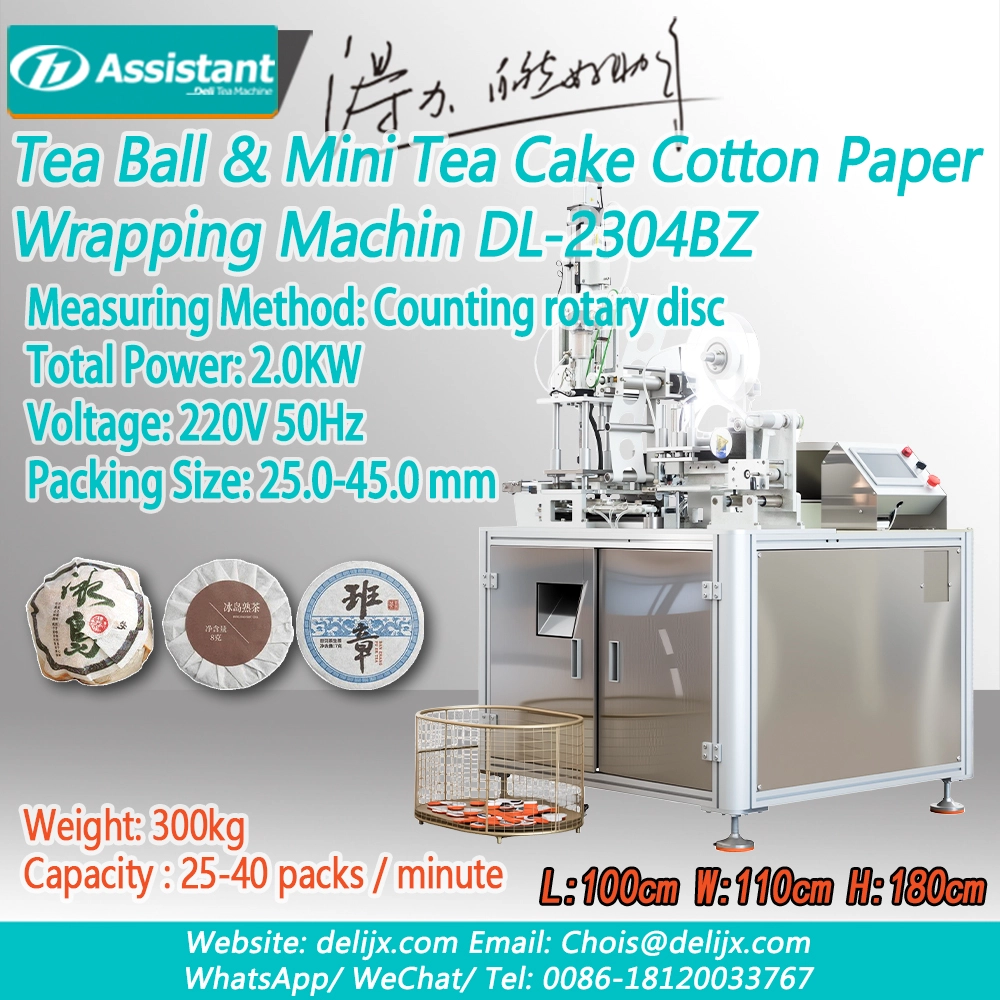
Automatic cotton paper wrapping machine for Pu‑er dragon pearl tea and mini tea cake. PLC control, 25‑40 pcs/min speed, one‑key switch for tea ball & small cake, stable pneumatic‑servo operation for compressed tea packaging.
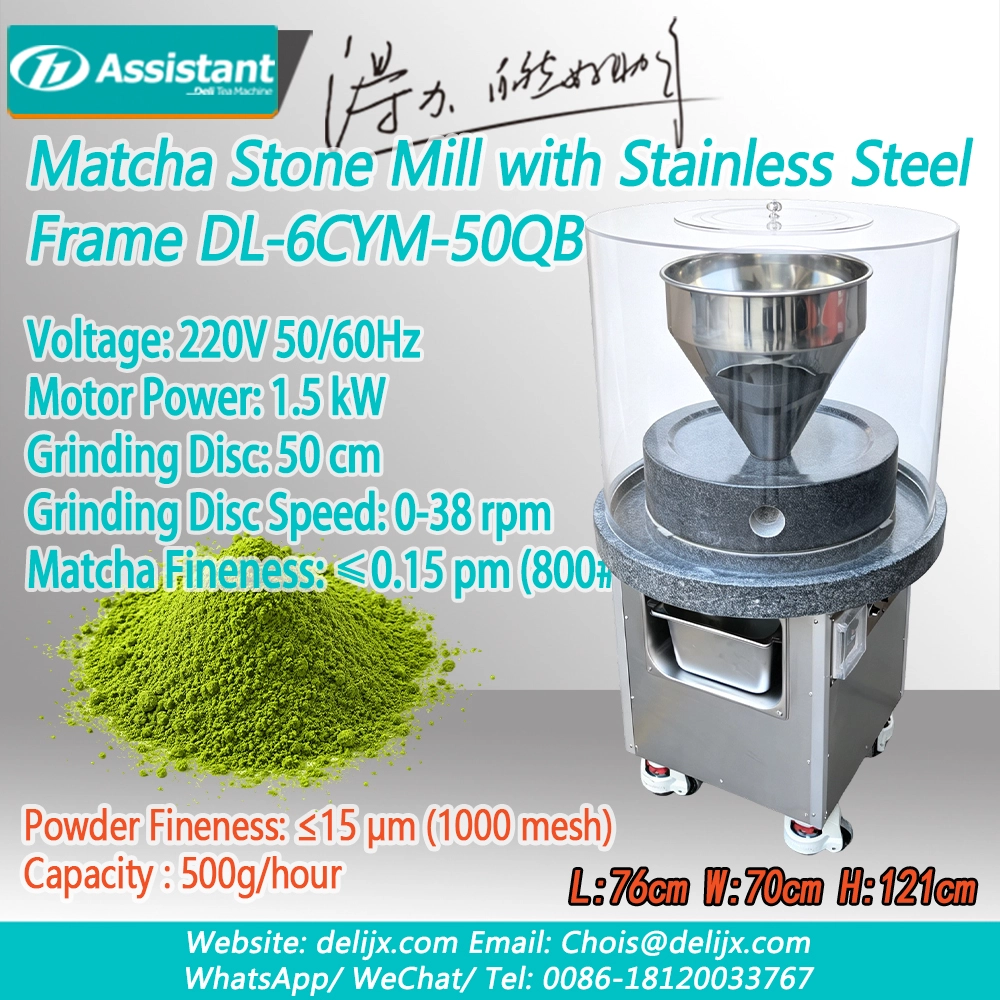
6CMJY-50QB stainless steel custom base matcha green stone mill, natural granite stone plate, low-speed cold grinding. Preserve tea aroma, produce ultra-fine matcha powder. Stainless steel frame with casters, suitable for tea shops, labs and small-batch matcha production.
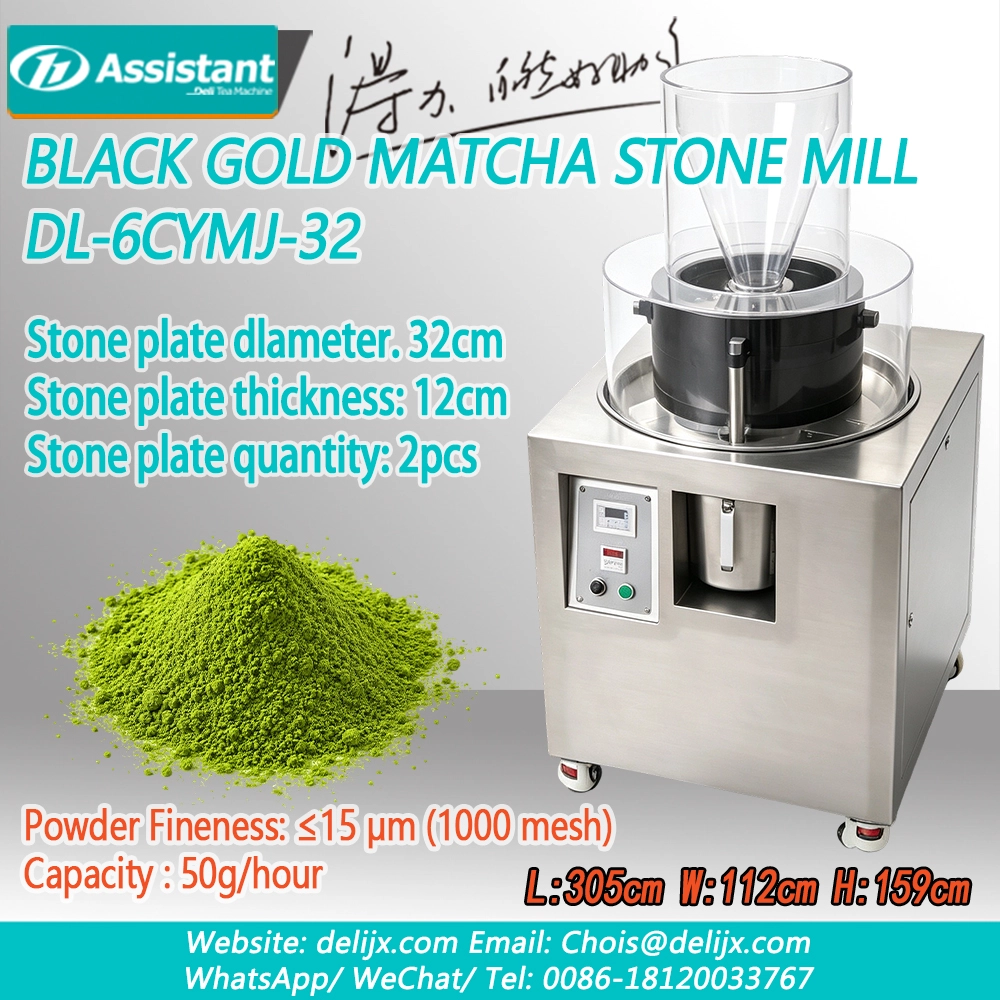
Custom heightened small matcha stone mill DL-6CYMJ-32M, equipped with 30cm natural stone plates. Low-speed low-temperature grinding, produce ultra-fine matcha powder ≤15μm. 50g/h capacity, stainless steel body, ideal for boutique tea shops & small-batch matcha production.
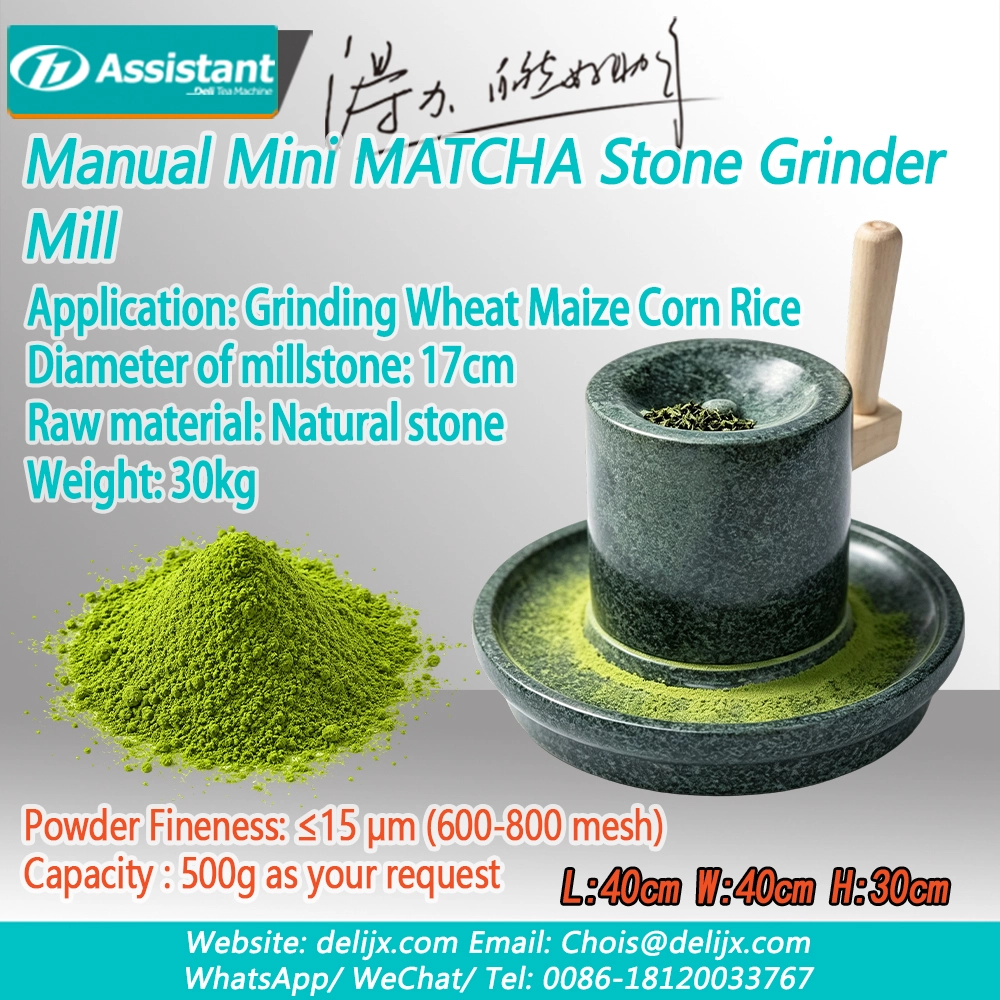
Manual Matcha Stone Mill is a traditional hand-operated grinder made from natural stone, designed for producing fresh and authentic matcha powder. With a slow grinding process and low heat generation, it helps preserve the natural color, aroma, and flavor of tea leaves. Compact and durable, it is ideal for matcha cafes, tea houses, restaurants, cultural experience shops, and small-batch matcha production.
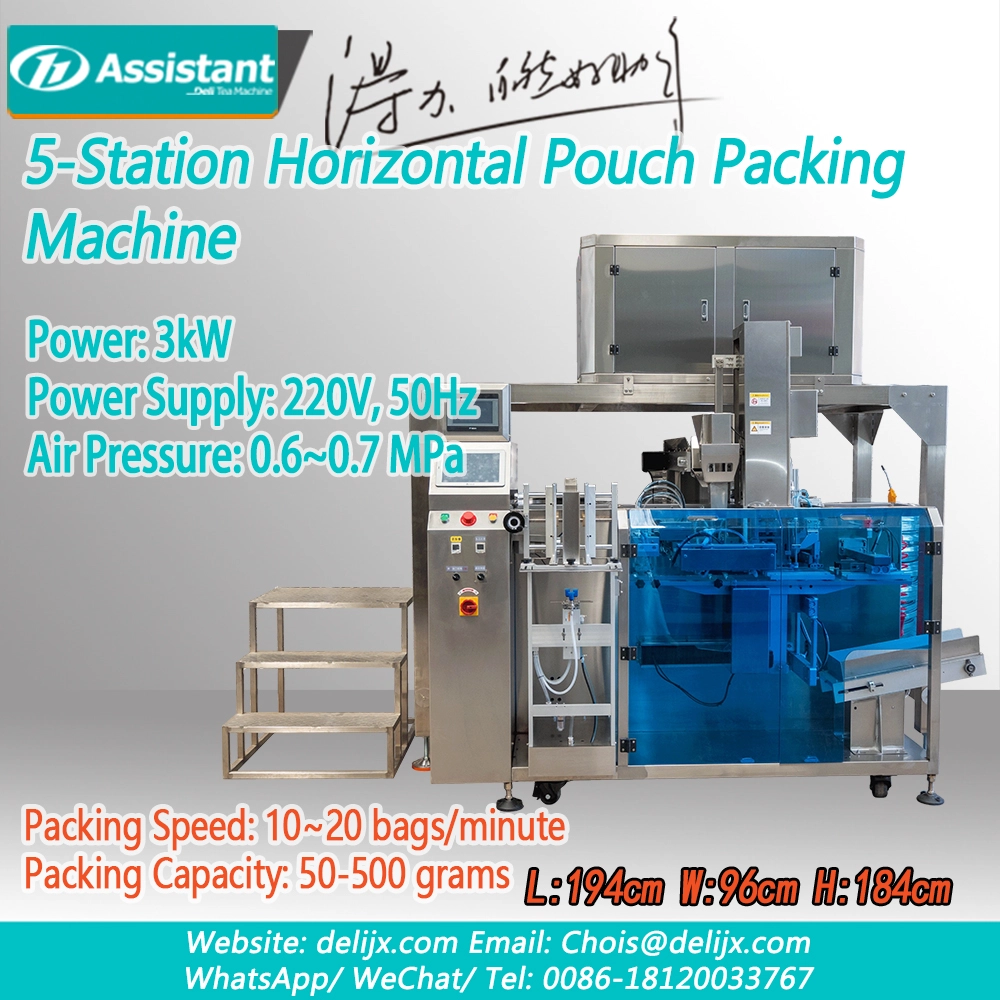
This 5-station horizontal pouch packing machine handles M bags, flat pouches and zipper pouches for 50–500g granular materials like tea. It automatically finishes weighing, filling, vacuuming and sealing with servo control, supporting multiple optional accessories.
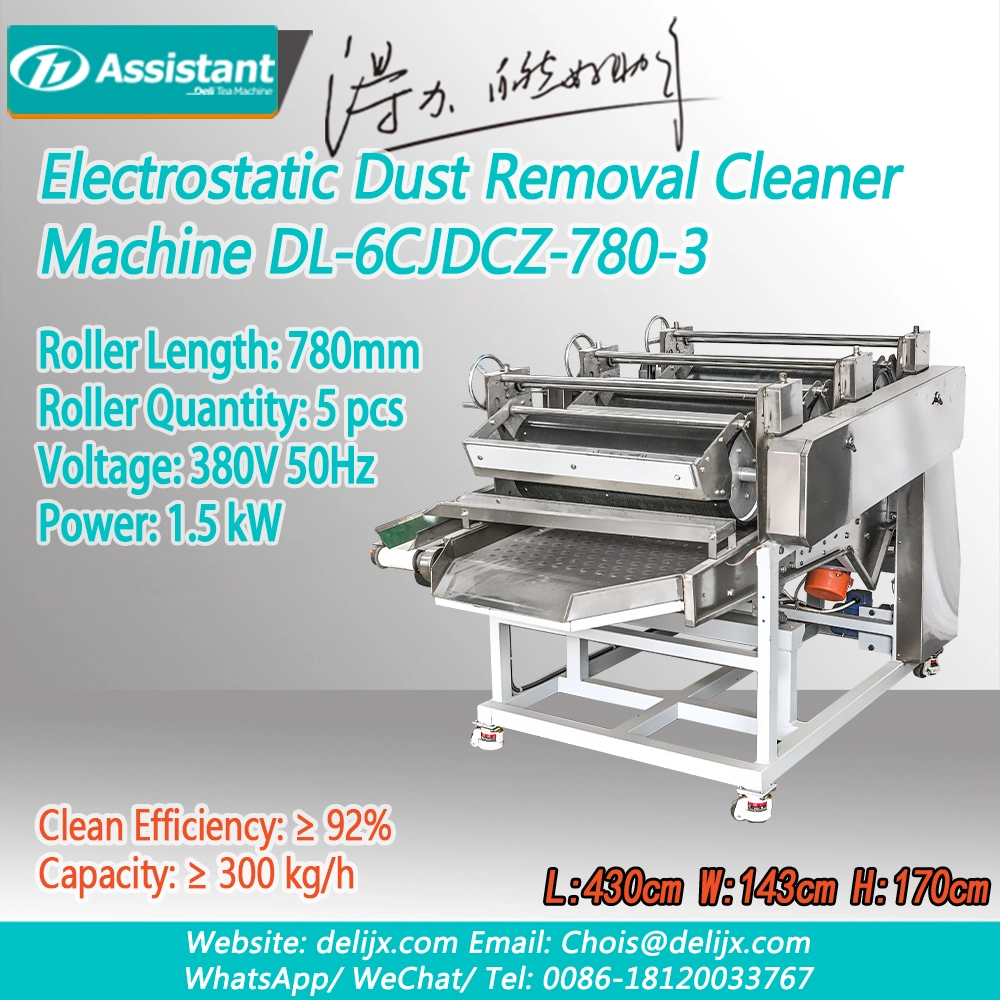
The electrostatic cleaner adsorption generated by 4-10 electrostatic rollers extracts impurities in the tea, such as hair, broom bristles, tea fluff ash, thatch, woven bag silk, plastic scraps, iron filings, etc.
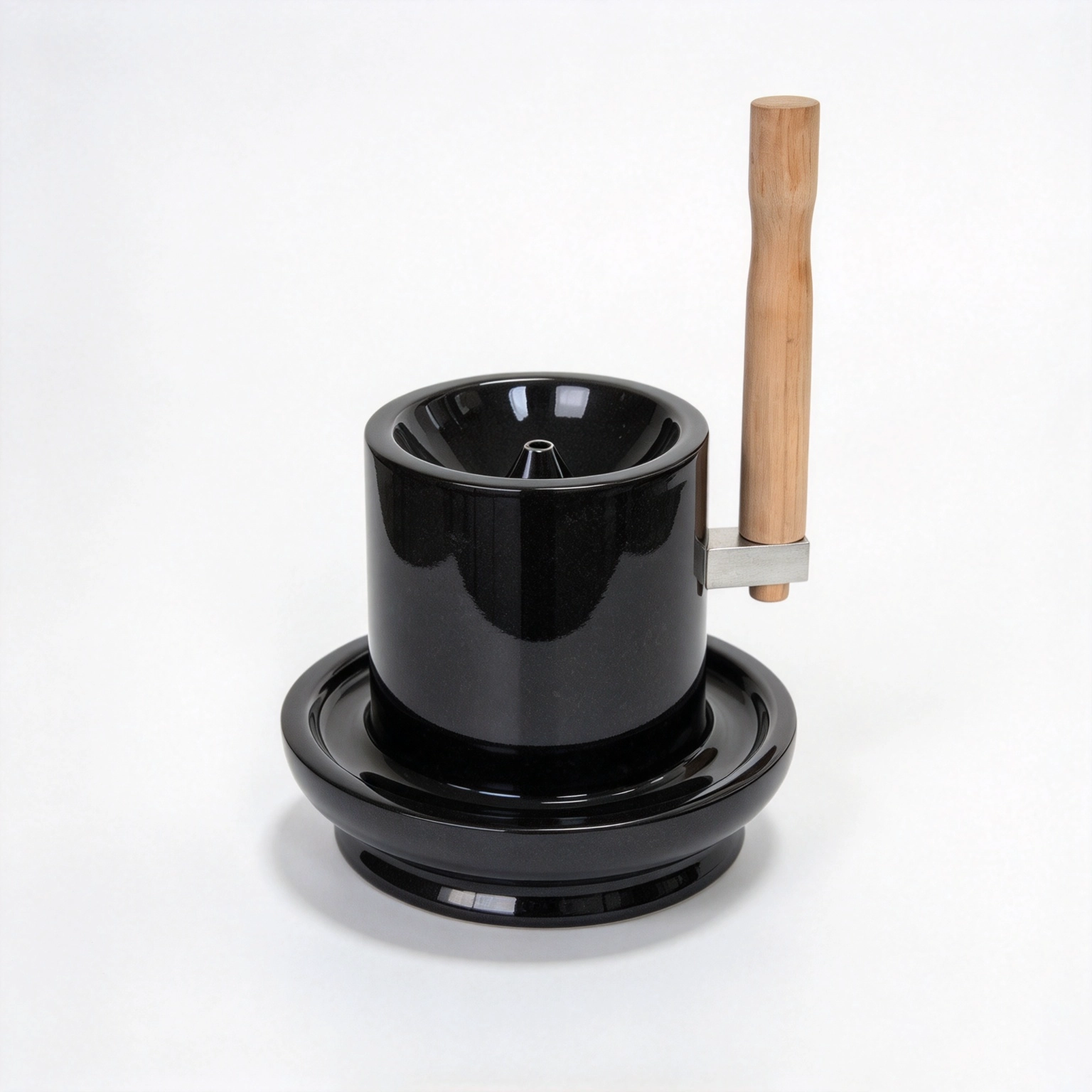
Experience the true flavor of freshly ground matcha. Our mini black stone manual matcha mill brings traditional Japanese stone grinding craft to your home, hand-cranked for fine, aromatic matcha powder.
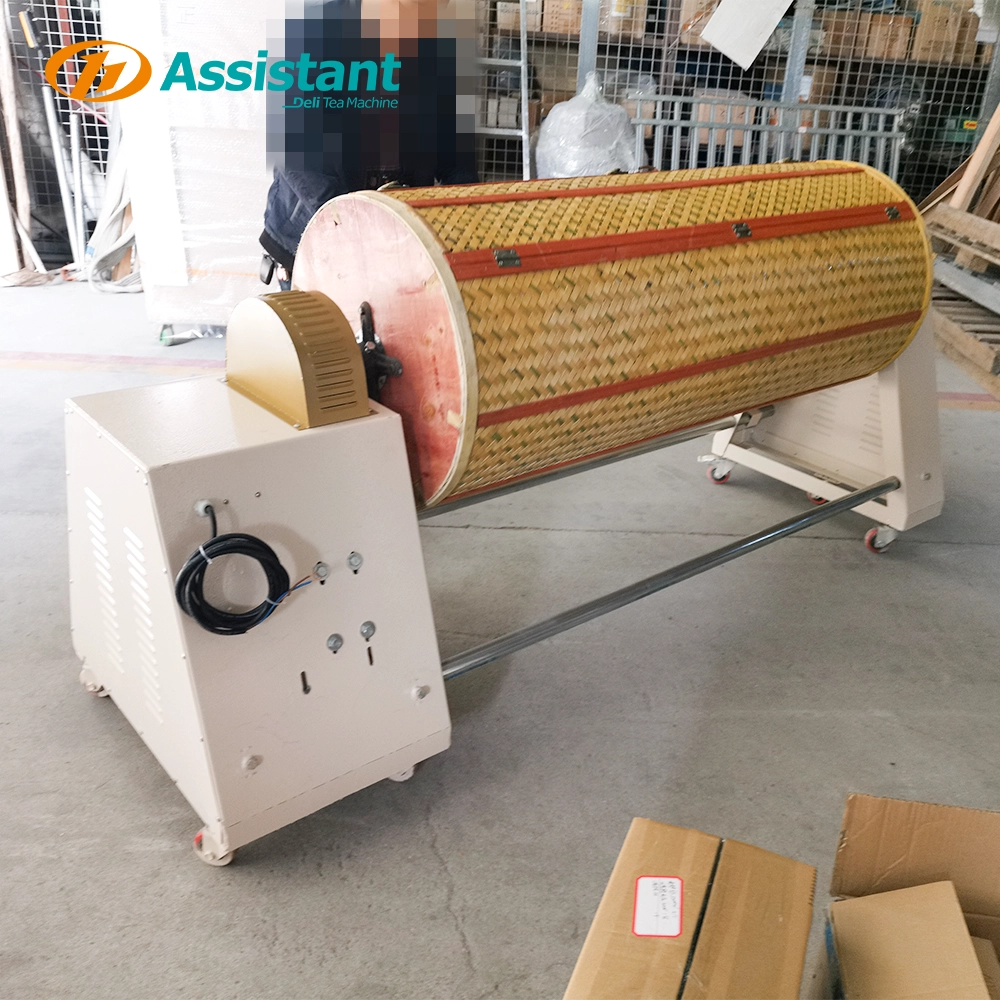
Our bamboo drum oolong tea shaking machine, also known as tea leaf shaker, simulates manual tea shaking to achieve uniform leaf oxidation. Multiple models available for small & large tea factories, stable speed control for premium oolong tea production.

Our DL-6CYMJ-32W stone mill grinder is specially designed for processing matcha and tea leaves. It adopts natural stone plates & SUS304 stainless steel frame, capable of producing ultra-fine tea powder up to ≤15μm (800 mesh). With adjustable rotating speed and automatic operation, it is ideal for tea factories and food workshops. We will introduce its specifications, core advantages, operation workflow and daily cleaning tips below.
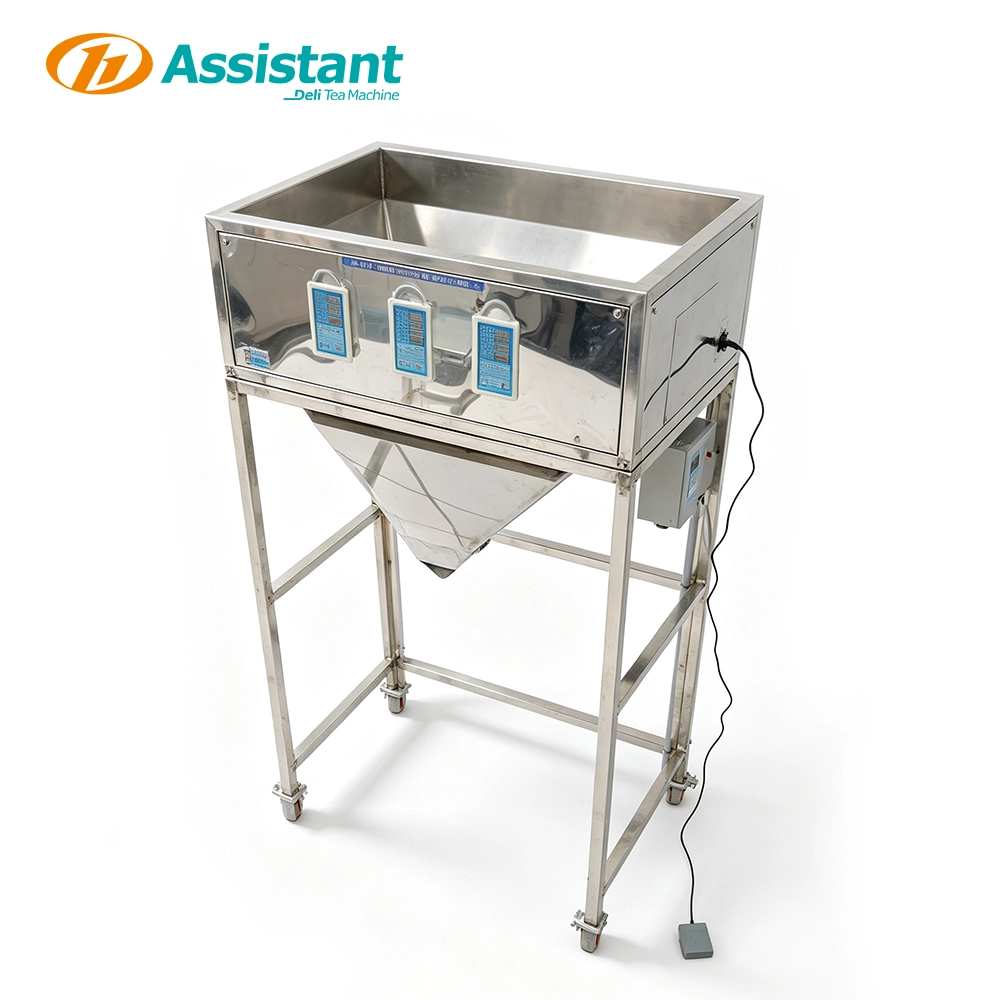
FZ‑500‑3X three‑hopper automatic weighing filling machine, 50‑500g range, SUS304 food‑grade stainless steel, for tea, grain, coffee bean, nuts bulk material dosing filling.
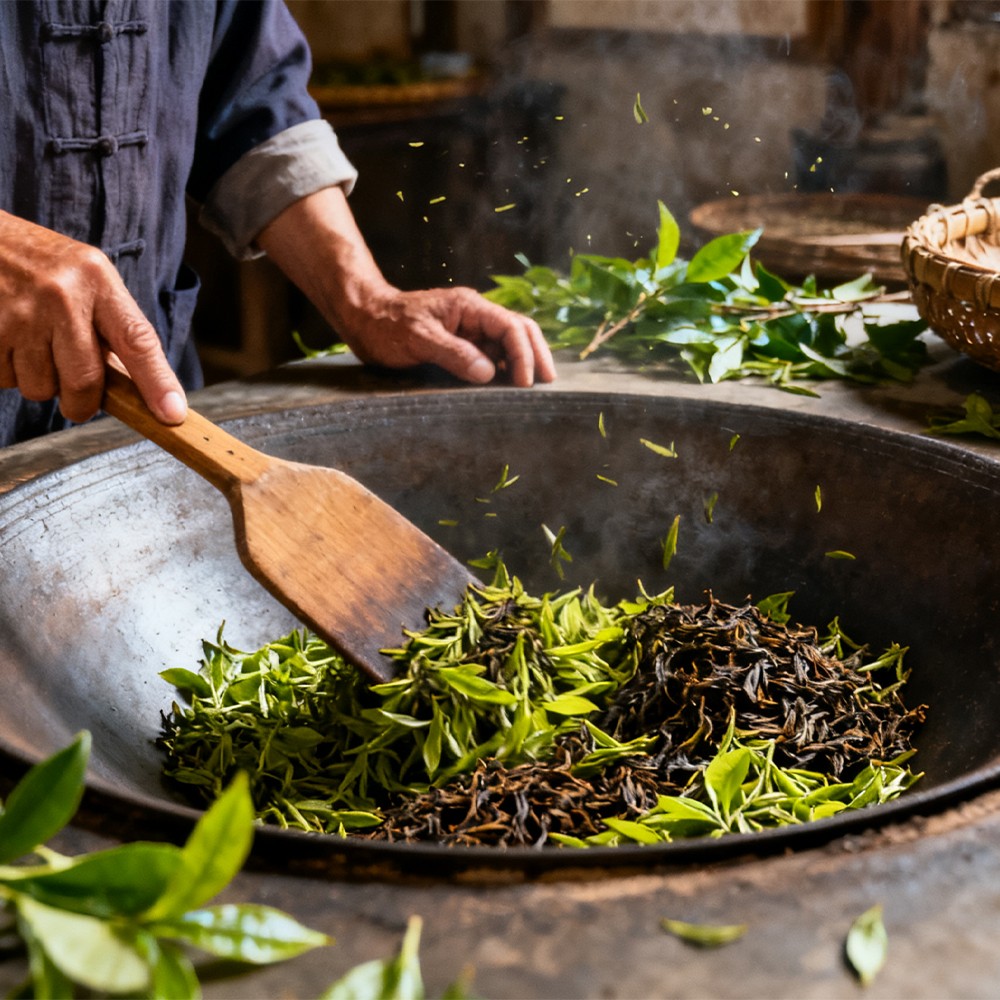
This guide details stage-specific roasting parameters, functional mechanisms, and equipment for 5 tea types, highlights niche English blogs, and recommends authoritative English books—ideal for home enthusiasts and commercial roasters.
Read More
Whether you’re grabbing a quick cup before work, fueling a road trip, or simply avoiding the hassle of steeping loose leaves, instant tea powder has become a staple for busy tea lovers. But behind its convenience lies a careful manufacturing process that turns fresh tea leaves into the soluble powder you stir into hot (or cold) water. Let’s break down the key steps—no fancy lab jargon required.
Read More
That frustrating clumpy mess in your matcha bowl isn’t just bad aesthetics—it ruins the creamy texture and balanced flavor. The key to velvety foam lies in mastering four critical variables, backed by tea experts and scientific insight. Let’s dive in.
Read More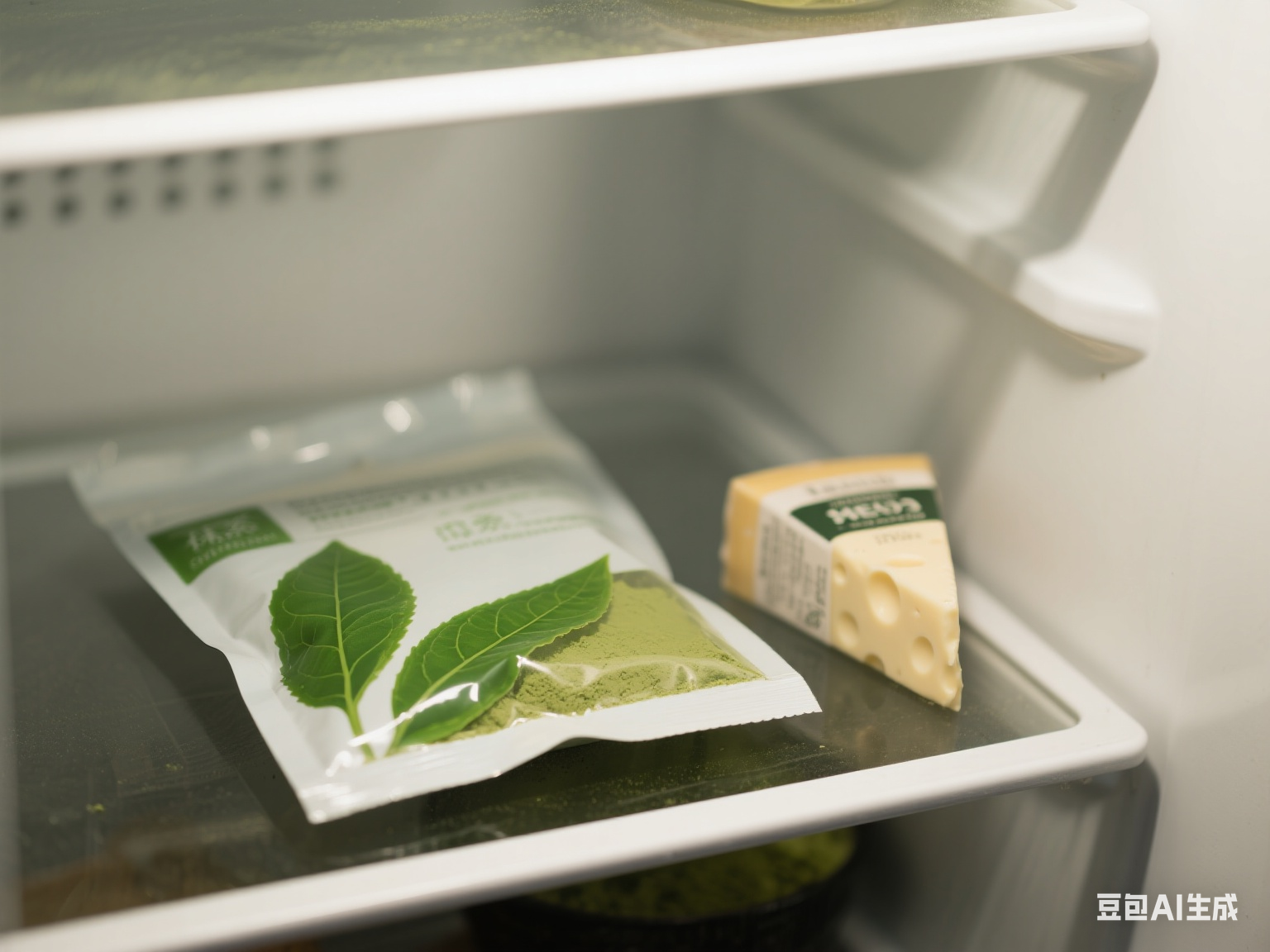
A premium tin of matcha can lose its fresh, grassy aroma in days if stored improperly. Matcha’s delicate compounds—like L-theanine (for umami) and chlorophyll (for color)—are highly sensitive to external factors. The key to preserving its quality lies in understanding its "enemies" and choosing the right storage method. Let’s unlock the secrets of matcha storage and shelf life.
Read More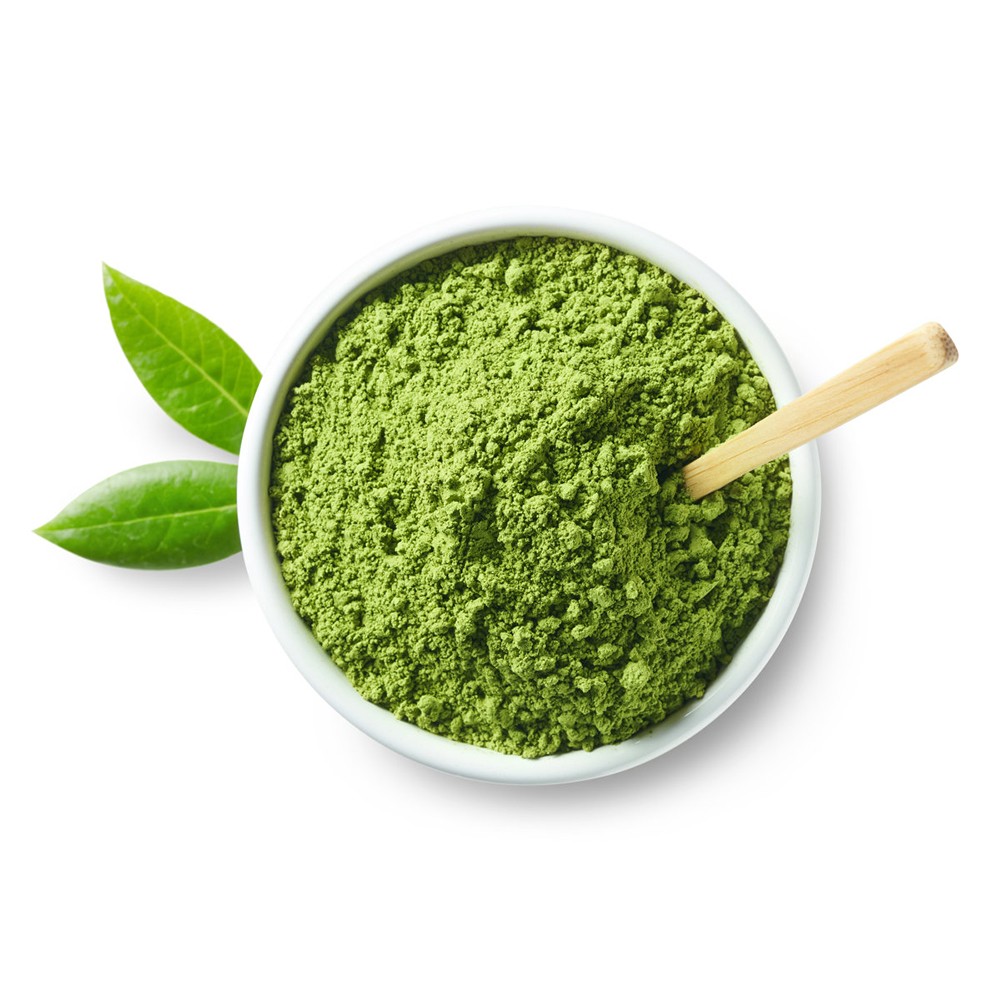
Matcha has become a global wellness staple, but the market is flooded with imitation "matcha" made from ordinary green tea powder. The truth is: real matcha is a work of craftsmanship, while fake versions cut corners at every step. Let’s break down their fundamental differences and master identification tips.
Read More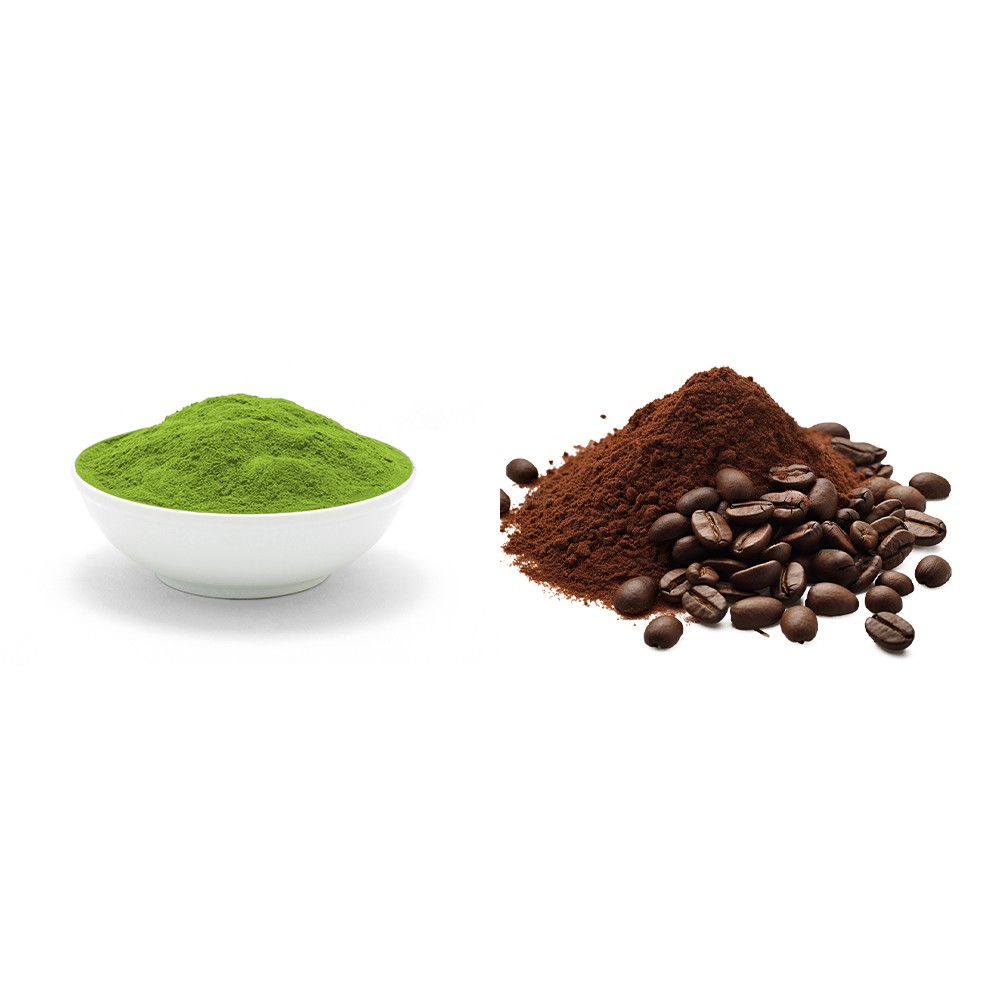
Compare matcha and coffee’s energizing mechanisms, side effects & suitable crowds to help desk workers pick the right pick-me-up.
Read More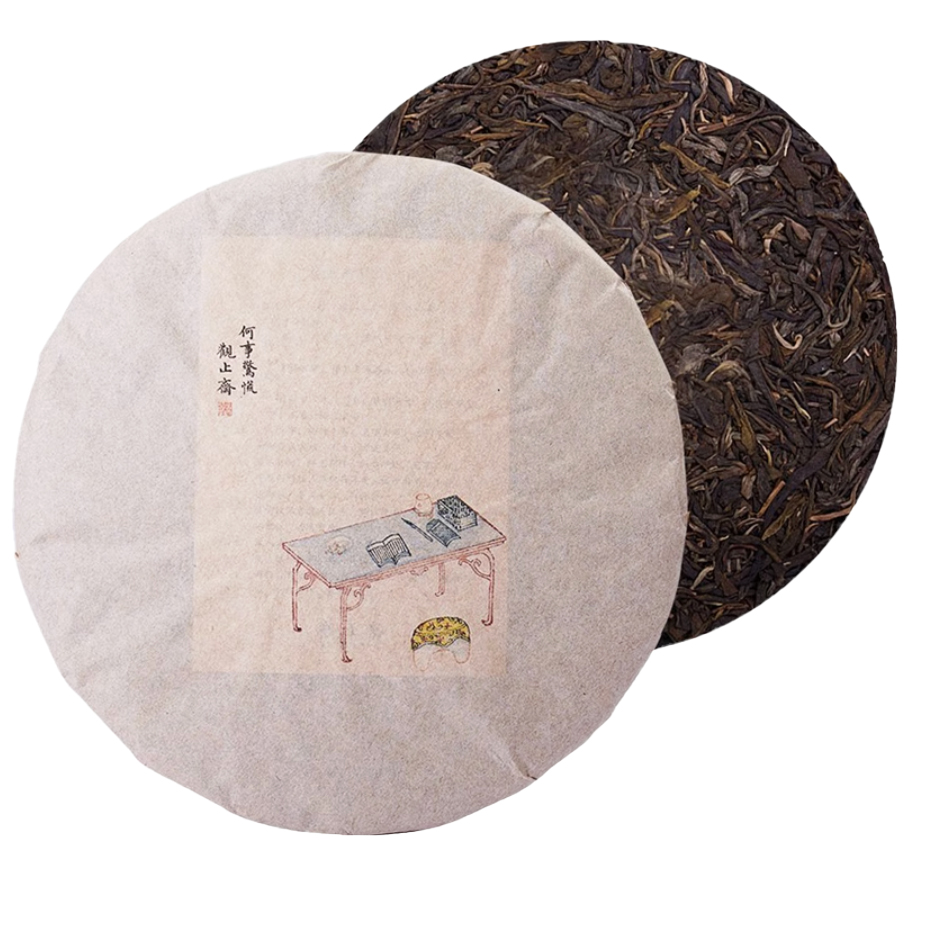
This article explores the ancient preservation and transport methods of Pu’er tea, introduces the modern pu’er tea cake pressing process, and highlights the convenience and advantages of tea pressing machines, showcasing the evolution and innovation in the tea industry.
Read More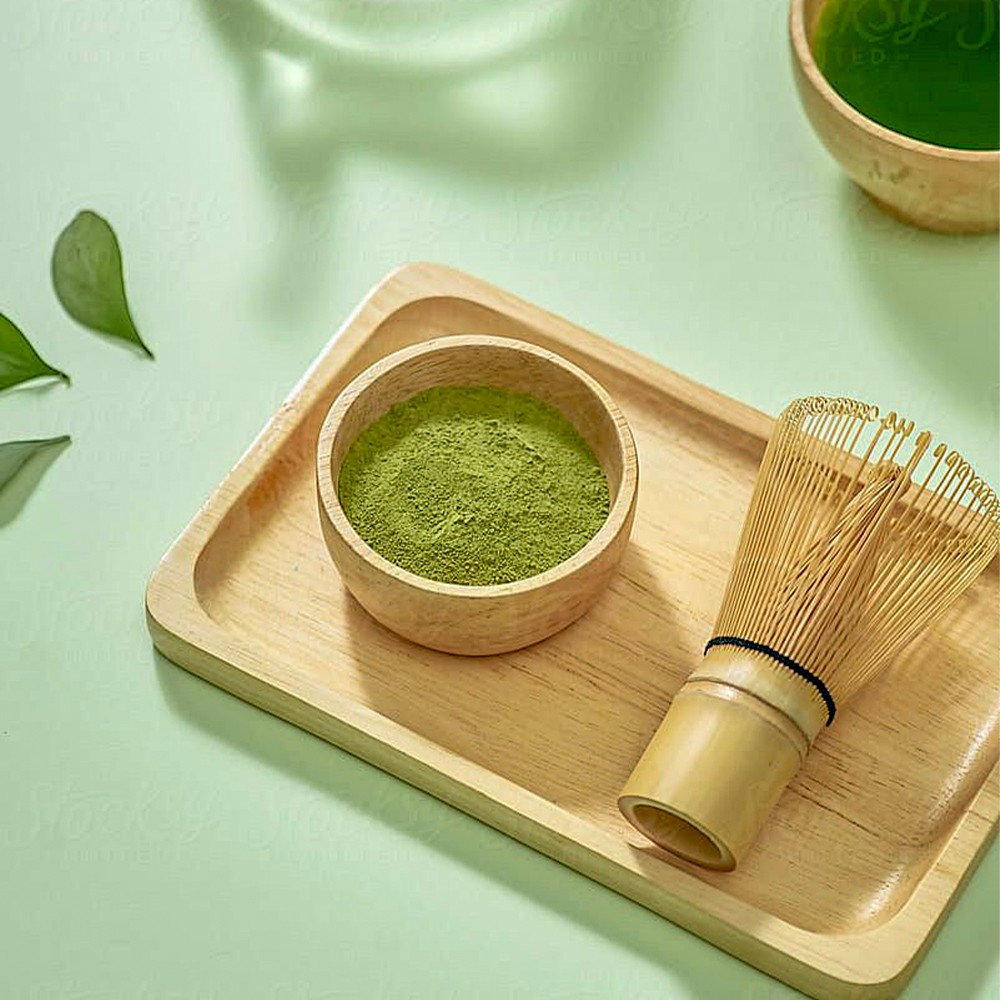
A curated guide for matcha newbies, sorting tools by budget—affordable must-haves, value-packed upgrades, and key pitfalls to avoid.
Read More
Premium matcha comes from specific green tea. It starts with 20-30 days of shading, then steam fixation, processing into "aracha" and "tencha", finally stone-ground to 15-micron powder. Unlike green tea powder, it has bright green color and fresh-sweet taste.
Read More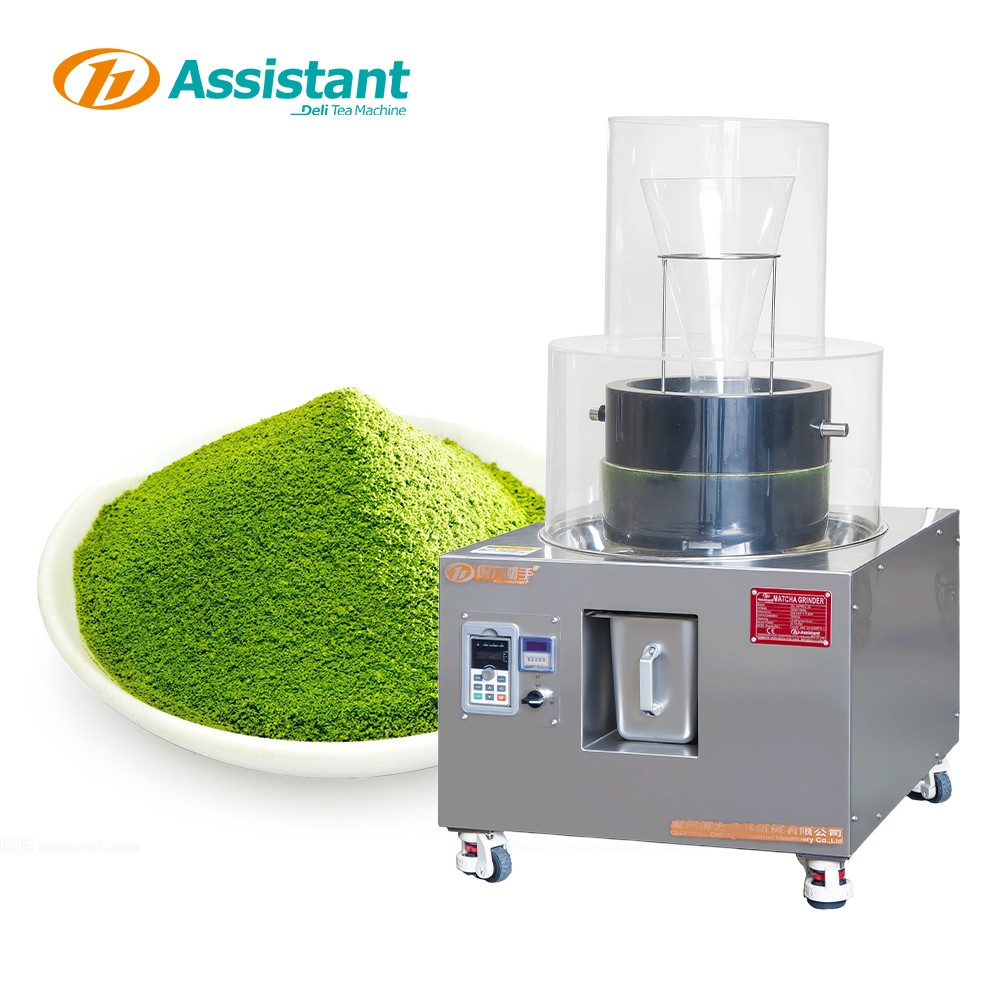
Uncover matcha’s 1,000-year journey from Tang Dynasty China to global popularity: how ancient cultures crafted and savored it, fresh modern ways to enjoy it, and why the Black Gold Stone Matcha Grinder is a must for premium matcha lovers.
Read More
This article compares three matcha devices (granite/black gold stone mills, ball mill) & their params, aiding selection for mid-end, high-end, industrial matcha.
Read More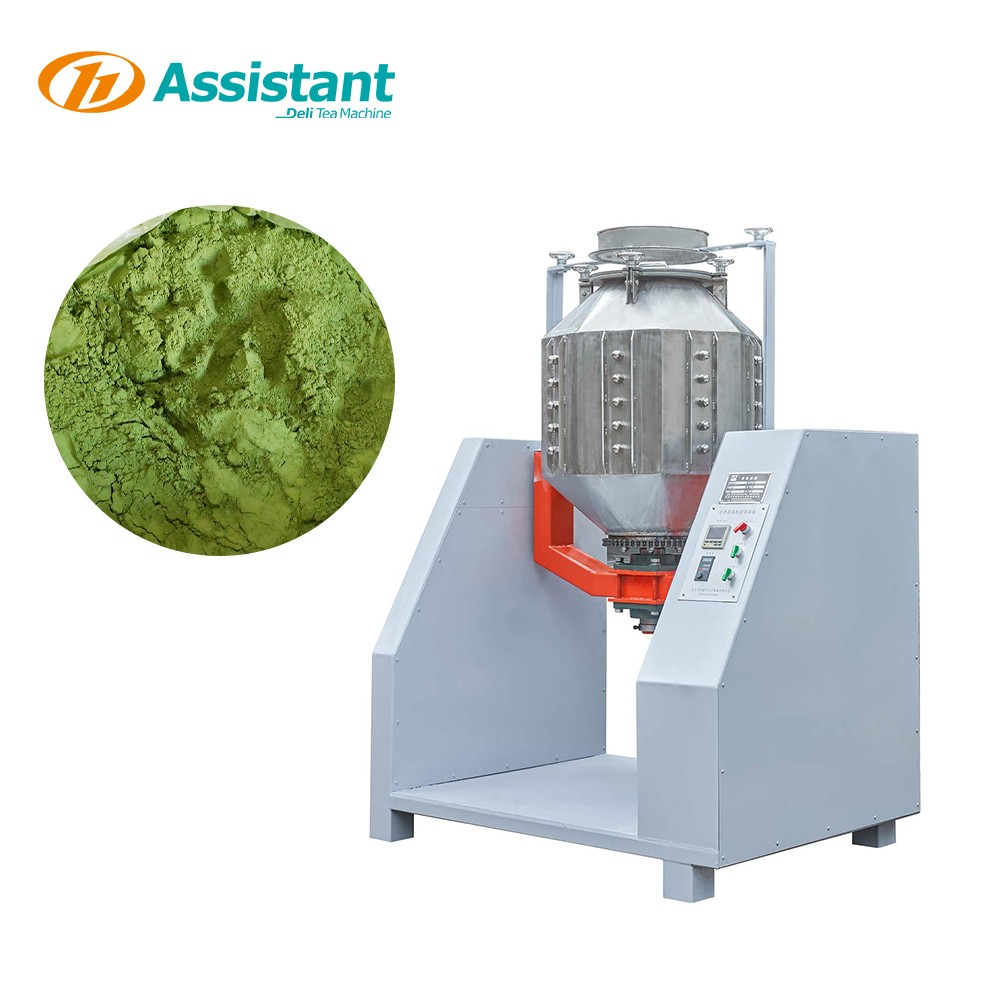
This blog does not say two basic Matcha production processes (stone frilled and ball mills) and three main machines (granite stone mills, black gold stone mills, black gold stone mills, black gold stone mills, black gold stone mill and ball mill) are multi-dimensional comparison. Matcha manufacturers and enthusiasts help to choose the most suitable equipment, but also a small bulk-premium production and professional parameters and practical concepts for large-scale industrial needs.
Read More