Blind Test Comparison & Authenticity Myths Debunked
It’s 7 a.m. on a Monday, and you’re rushing to make matcha. You scoop the powder, add hot water, and stir—only to find clumps floating on top. Or you’re baking matcha cookies, but the powder leaves a bitter aftertaste instead of the rich umami you crave. The problem might not be your technique, but the origin of your matcha.
For years, the myth that "only Japanese matcha is authentic" has dominated the market. Yet data tells a different story: China has become the world’s largest matcha producer and consumer, with Zhejiang Province accounting for half of the country’s output . Today, we put three top origins to the blind test—Uji (Japan), Shizuoka (Japan), and Songyang (China)—to help you find your perfect match.
Myth-Buster First: What Truly Makes Matcha Authentic?
Before diving in, let’s clarify: Authentic matcha follows strict standards, not just a country of origin. Per China’s national standard GB/T34778—2017, matcha must be made from shade-grown tea leaves, processed via steam 杀青 (kill-green), and ground into powder with a particle size ≤18μm . This aligns with Japan’s traditional production methods, meaning high-quality Chinese matcha is just as authentic.
Key technical markers of quality include:
- Shade cultivation: Covering plants 20–40 days before harvest boosts chlorophyll (for color) and theanine (for sweetness) .
- Particle fineness: 800 mesh (15μm) is the international edible standard; premium grades reach 1300 mesh .
- Theanine content: Top matcha contains ≥2% theanine, the amino acid that creates umami .
Blind Test Showdown: 3 Origins, 3 Unique Personalities
We gathered 10 tea enthusiasts for a blind taste test, evaluating aroma, mouthfeel, flavor, and versatility. Here’s how each origin performed:
1. Uji, Japan: The "Umami Classic" with Seaweed Notes
Flavor Profile: Bright, fresh, and subtly sweet, with a distinct "seaweed umami" finish that lingers on the tongue.Technical Backstory: Uji’s hilly terrain and mild climate (16°C annual temp, 1500–2000mm rainfall) create ideal growing conditions . Farmers use 40-day shade cultivation and traditional stone grinding (80rpm) to reach 2–5μm particle size—finer than human hair . Steam 杀青 preserves sulfide compounds (6.8x more than pan-fried green tea), which create that signature seaweed aroma .Best For: Morning ceremonial brewing (with a bamboo whisk) or solo sipping. Its delicate flavor gets lost in heavy desserts but shines in clear lattes.Data Snippet: Uji’s top matcha has a theanine/caffeine ratio of 2.4:1, which boosts alpha brain waves by 45% for calm focus .
2. Shizuoka, Japan: The "Rich & Robust" All-Rounder
Flavor Profile: Thick, creamy texture with intense vegetal notes and a long, sweet aftertaste. Less umami than Uji, but more depth than commercial blends.Technical Backstory: Shizuoka’s coastal microclimate fosters unique flavor compounds: 2-methylbutanal (grass), cis-3-hexenol (green apple), and trans-2-hexenal (honey) . While it uses the same shade cultivation as Uji, its machine-harvested leaves (vs. Uji’s hand-picked) create a heartier profile.Best For: Baking (cookies, cakes) and iced lattes. Its strong flavor stands up to milk and sugar, and it rarely clumps thanks to 15μm fineness .Market Insight: Shizuoka produces 40% of Japan’s matcha exports, favored for consistent quality and versatility .
3. Songyang, China: The "Fresh & Affordable" Game-Changer
Flavor Profile: Clean, light, and subtly floral with a crisp finish—no bitter aftertaste. Milder than Japanese counterparts but bright and refreshing.Technical Backstory: Songyang’s 3,500-acre matcha bases follow EU standards, with 900–1300 mesh fineness (finer than the 15μm international standard) . Partnering with Zhejiang University, local farms optimize shade cultivation to reach 1.0–1.5% theanine content—meeting China’s first-grade matcha requirements .Best For: Daily drinking, fruit teas, and budget-friendly baking. It’s the secret ingredient in 50% of China’s new tea drinks (supplied to chains like Heytea and Starbucks) .Value Highlight: At $13–$17.50/kg wholesale, it’s 60–70% cheaper than Uji matcha while maintaining food-grade quality .
Origin Buying Map: Choose Your Matcha
| Feature |
Uji, Japan |
Shizuoka, Japan |
Songyang, China |
| Core Flavor |
Seaweed umami, fresh-sweet |
Creamy, vegetal, 回甘 (huí gān) |
Floral, clean, crisp |
| Particle Fineness |
2–5μm (1300+ mesh) |
15μm (800 mesh) |
10–15μm (900–1300 mesh) |
| Price (50g) |
$25–$50 |
$15–$30 |
$5–$15 |
| Best For |
Ceremonial brewing |
Baking, lattes |
Daily drinks, new teas |
| Certification |
JAS (Japan) |
JAS (Japan) |
EU/USDA Organic |
Visual Tips for Your Matcha Content
- Brewing Guide: Pair with a step-by-step infographic showing whisk angle (45°) and water temp (70°C) to avoid clumps.
- Origin Showcase: Use drone shots of Uji’s terraced tea fields, Shizuoka’s coastal farms, and Songyang’s green valleys .
- Food Pairings: Collage of Uji matcha sashimi (yes, it’s used in savory dishes!), Shizuoka matcha tiramisu, and Songyang matcha fruit tea .
Final Verdict
There’s no "best" matcha—only the best one for you:
- Pick Uji if you chase traditional umami and don’t mind splurging.
- Pick Shizuoka if you want a versatile workhorse for cooking and drinking.
- Pick Songyang if you crave daily refreshment without breaking the bank.
The next time you reach for matcha, remember: Authenticity lives in cultivation and processing, not geography. China’s matcha revolution is here—and it tastes pretty great.
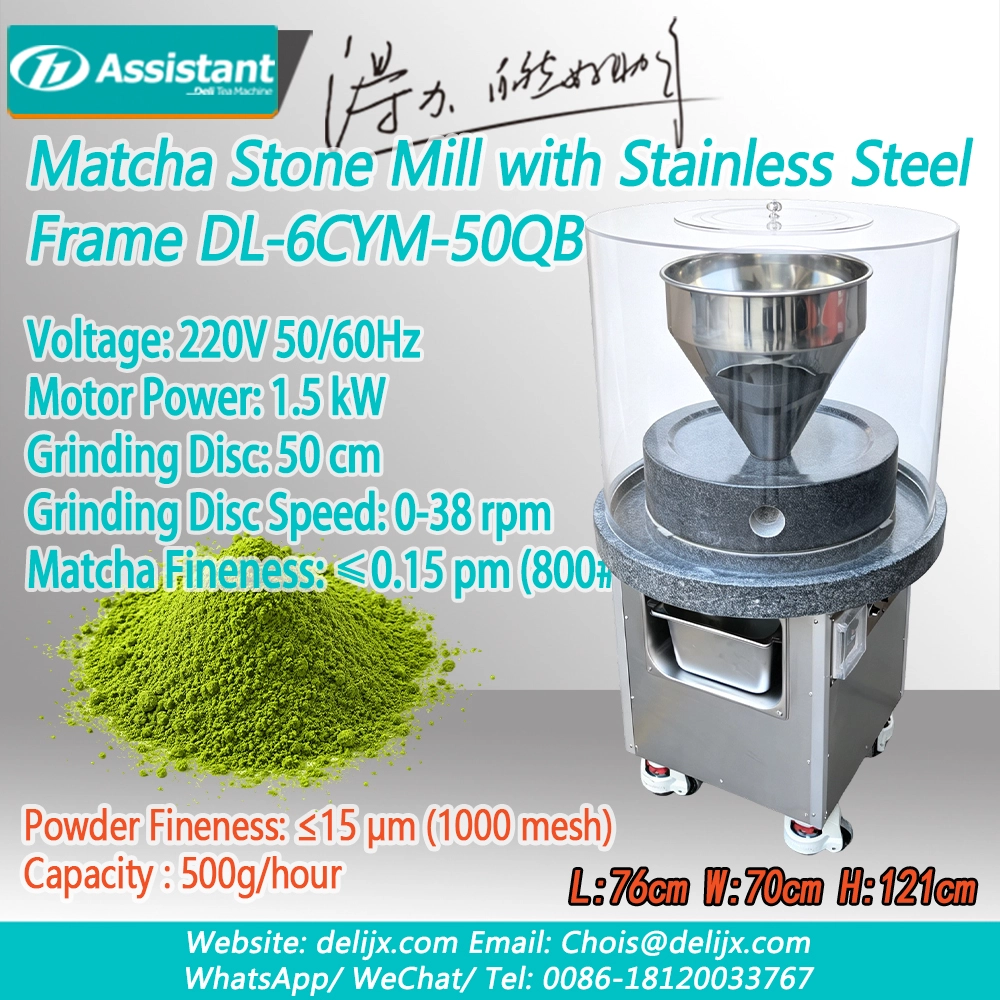
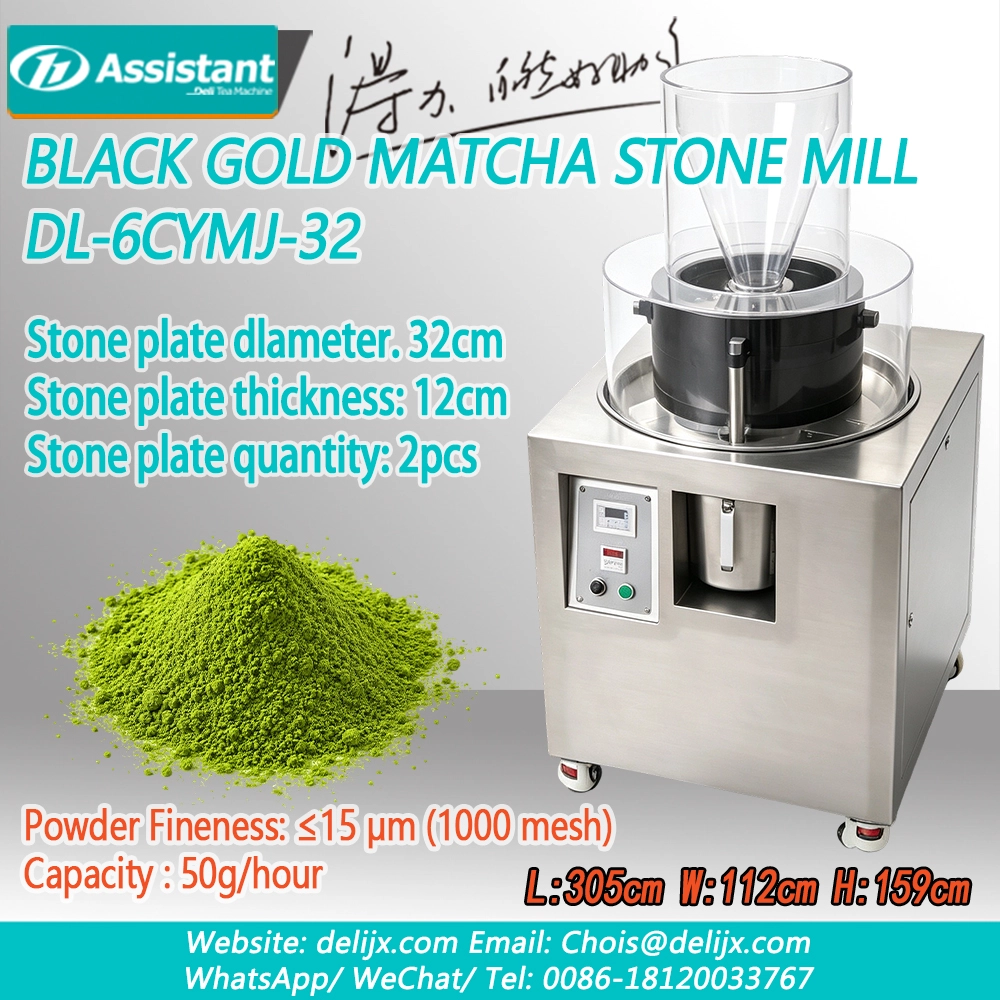
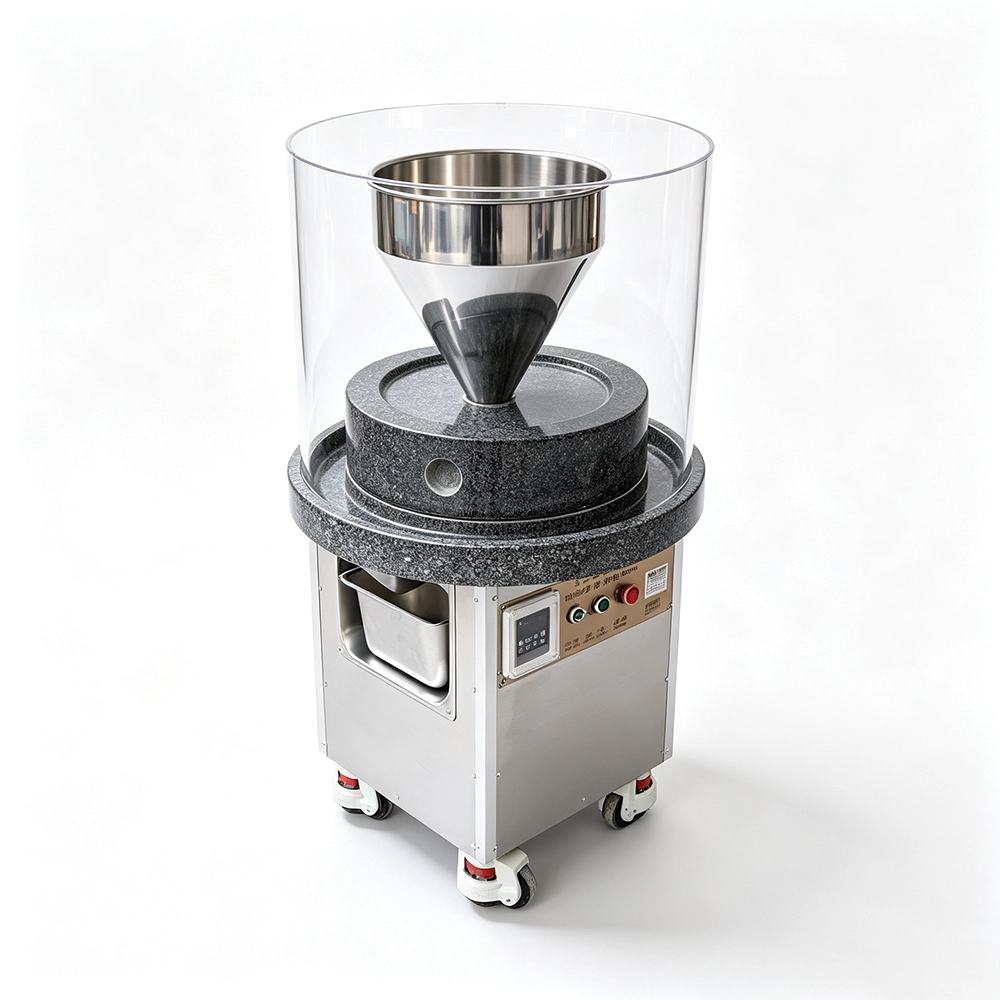
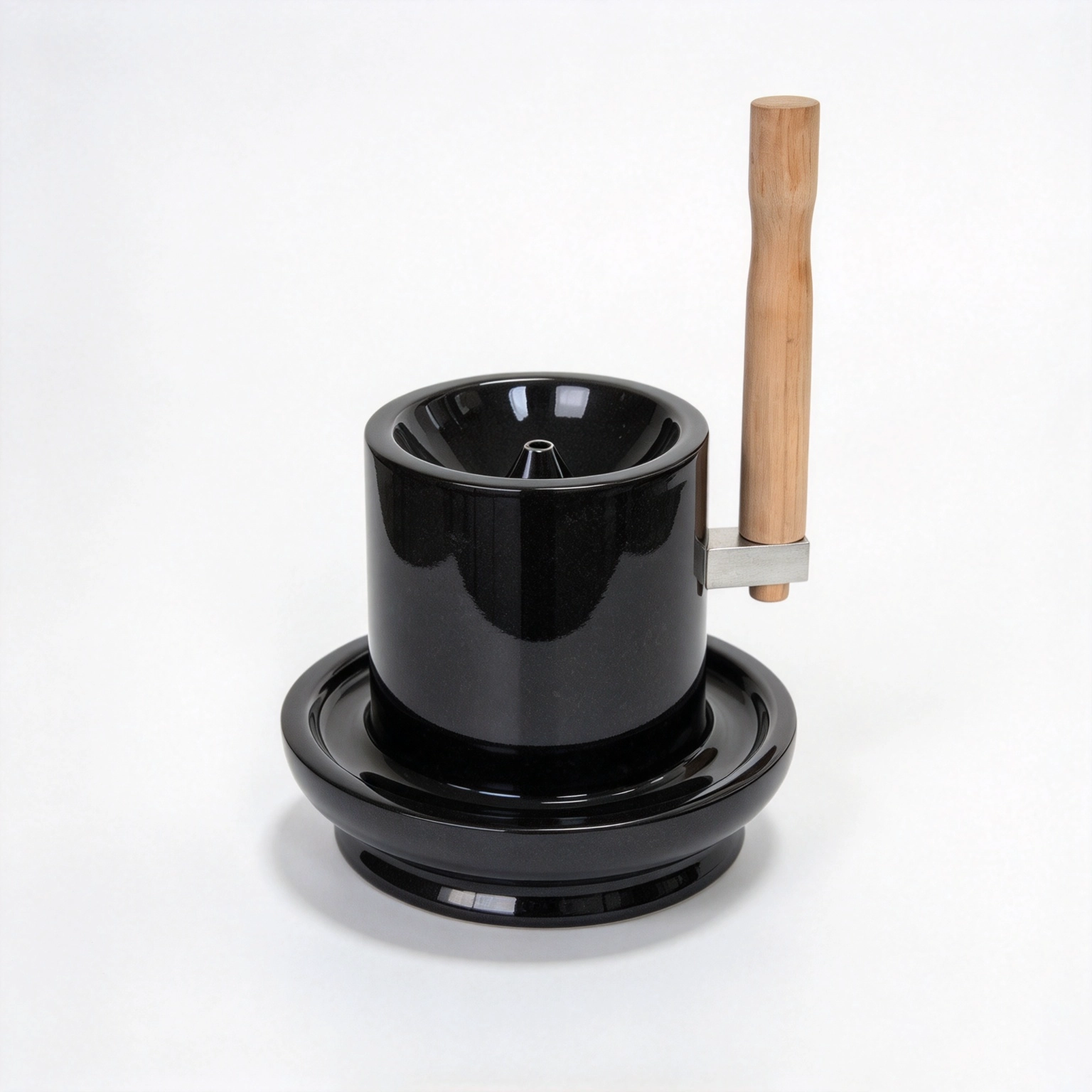
If you need to learn about and purchase high-quality tea grinders, please click here.