Introduction
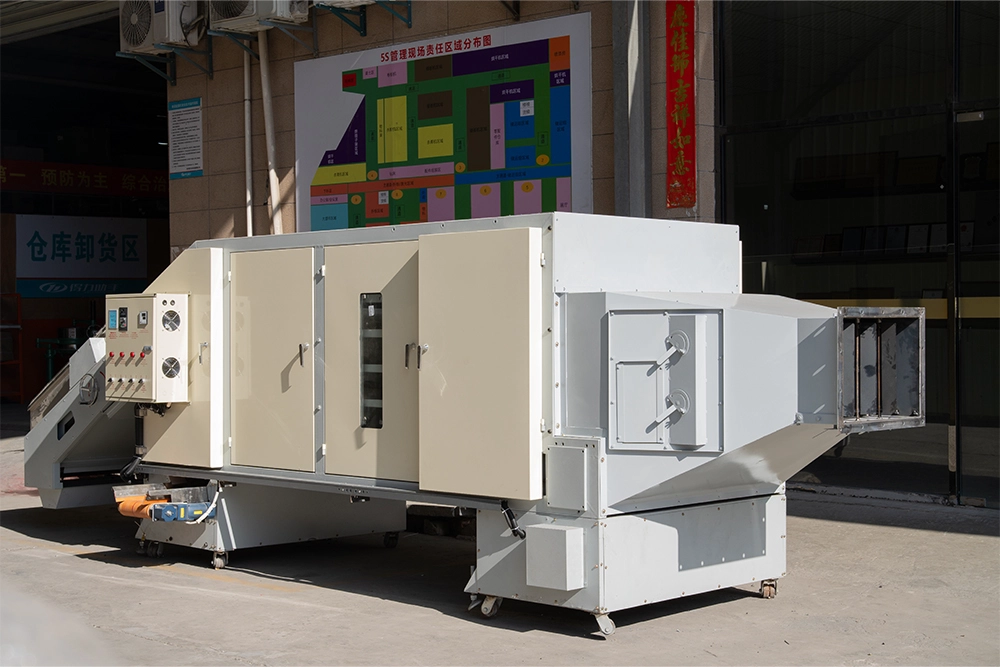
Drying is a critical step in tea processing that directly affects the flavor, aroma, and shelf life of finished tea. As a leading national high-tech enterprise in tea machinery, Quanzhou Deli Agroforestrial Machinery Co., Ltd. has developed the DL-6CHBZ Series Chain Plate Type Tea Drying Machine to meet the diverse needs of tea processing plants worldwide. This advanced drying equipment integrates multi-fuel adaptability, large capacity, and precise moisture control, making it an essential tool for upgrading tea production lines and ensuring consistent tea quality.
Core Functions
The DL-6CHBZ Series is engineered to deliver reliable and efficient tea drying with three key functions:
- Uniform Moisture Removal: Equipped with multi-layer chain plate conveyors, the machine ensures tea leaves are evenly exposed to heat, achieving consistent moisture reduction from approximately 50% (wet tea) to 5-7% (dried tea) – the optimal moisture content for preserving tea quality.
- Multi-Fuel Adaptation: Supporting a variety of heating fuels including wood, coal, gas, diesel, wood pellets, and electricity, the machine offers flexibility to adapt to different regional energy supplies and cost preferences.
- Continuous Large-Scale Drying: Designed for continuous operation, the series features drying areas ranging from 8m² to 120m², with input wet tea weights from 30kg to 1300kg, meeting the demands of small, medium, and large-scale tea processing facilities.
Outstanding Advantages
- High Efficiency & Large Capacity: With hourly output of dried tea ranging from 18kg to 700kg, the DL-6CHBZ Series significantly outperforms traditional drying equipment. The chain plate conveyor system ensures stable and continuous feeding, minimizing downtime and maximizing production efficiency.
- Flexible Fuel Options: The ability to switch between multiple fuels allows tea processors to optimize operational costs based on local energy prices. For example, regions with abundant biomass resources can use wood or wood pellets, while those with convenient gas supply can choose natural gas or LPG.
- Precise & Uniform Drying: The multi-layer chain plate design (6-12 layers) provides ample drying area, ensuring each tea leaf is exposed to consistent temperature and airflow. This prevents over-drying or under-drying, preserving the tea’s natural flavor and nutritional components.
- Durable & Easy to Maintain: Constructed with high-quality galvanized steel or stainless steel chain plates, the machine offers excellent corrosion resistance and long service life. The modular design simplifies cleaning and maintenance, reducing operational downtime and maintenance costs.
- Wide Adaptability: Suitable for all types of tea, including green tea, black tea, Oolong tea, and herbal tea, the DL-6CHBZ Series can be adjusted to match different tea varieties’ drying requirements, making it a versatile choice for tea processing plants.
Operating Steps
- Pre-Operation Preparation: Inspect the machine for any damage or loose parts. Ensure the chain plate conveyors are clean and properly lubricated. Check the fuel supply system (e.g., gas pipeline, electric heating element, or wood/coal stove) to ensure safe and stable operation.
- Parameter Setting: Based on the tea variety and initial moisture content, select the appropriate heating fuel and set the drying temperature (typically 60-120℃). Adjust the conveyor speed to control the drying time (usually 30-120 minutes) for optimal moisture reduction.
- Feeding Operation: Start the chain plate conveyor and evenly spread the wet tea leaves onto the top layer of the conveyor. Avoid overloading to ensure sufficient airflow between the leaves and prevent blockages.
- Monitoring & Adjustment: During operation, monitor the drying temperature and tea moisture content regularly. Use a tea moisture analyzer to check the final moisture level; if it exceeds 5-7%, adjust the conveyor speed or heating temperature accordingly.
- Post-Operation Shutdown: After completing the drying task, stop feeding and allow the machine to run for 10-15 minutes to clear residual tea leaves. Turn off the fuel supply and power, then clean the chain plates, drying chamber, and exhaust system to prevent tea residue accumulation and maintain equipment performance.
Notes for Safe & Effective Use
- Fuel Safety: Follow proper safety guidelines for the selected fuel. For gas or diesel heating, ensure the fuel pipeline is leak-proof and the exhaust system is unobstructed. For wood/coal heating, maintain proper ventilation to prevent carbon monoxide accumulation.
- Temperature Control: Avoid excessive heating temperatures, as this can scorch tea leaves and damage their flavor. Regularly calibrate the temperature sensor to ensure accurate temperature readings.
- Conveyor Maintenance: Lubricate the chain plate conveyors monthly to reduce friction and extend service life. Inspect the conveyor belt tension regularly and adjust as needed to prevent slipping.
- Moisture Monitoring: Use a reliable tea moisture meter to check the moisture content of dried tea regularly. This helps avoid under-drying (which can lead to mold growth) or over-drying (which can cause brittleness and flavor loss).
- Environmental Adaptation: Install the machine in a well-ventilated, dry workshop with sufficient space for fuel storage and maintenance. Keep the area around the machine clear of flammable materials to ensure operational safety.
Backed by Quanzhou Deli’s 16+ years of expertise in tea machinery manufacturing, the DL-6CHBZ Series has been trusted by tea processing plants globally. The company’s track record of supplying tea machinery to international institutions like the University of Georgia and winning bids from agricultural ministries of Georgia, Peru, and Vietnam attests to the product’s reliability and international competitiveness. By choosing the DL-6CHBZ Series, you not only invest in high-performance drying equipment but also gain access to professional technical support and after-sales service tailored to your specific needs.