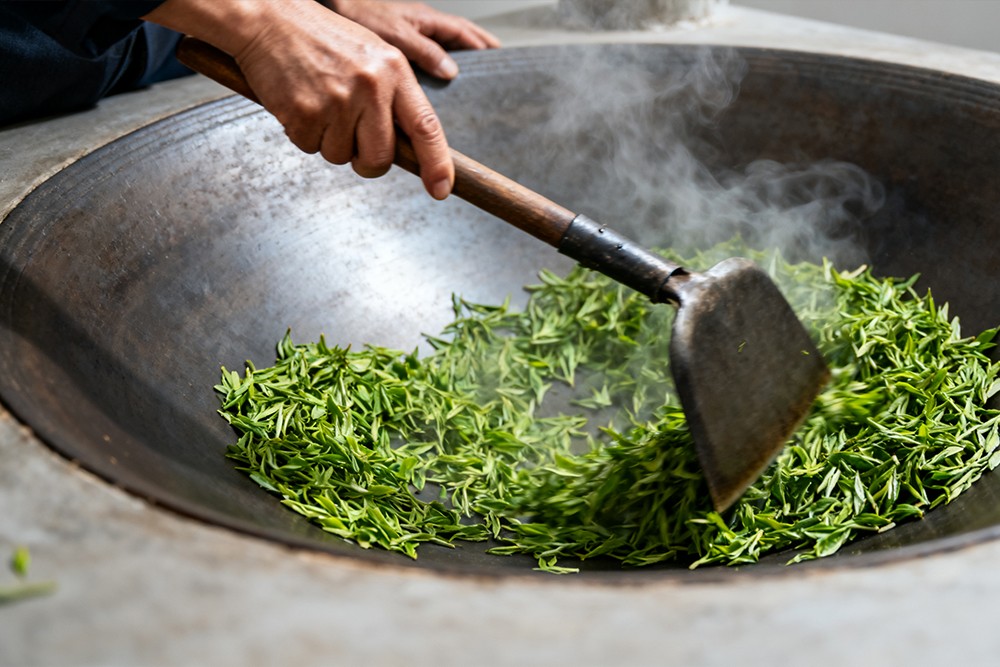
If you’ve ever wondered why some green teas taste bright and grassy while others feel rich and toasty, the answer often lies in one critical processing step: fixation (known as shaqing in Chinese). Fixation uses heat to stop the enzyme polyphenol oxidase—the same enzyme that turns cut apples brown—from breaking down the tea’s natural compounds. But here’s the game-changer: the length of this heat treatment (fixation time) directly dictates the final quality of your green tea. Let’s break down its effects and share actionable parameters to get it right.
What Does Fixation Time Actually Control?
Fixation time is the window during which fresh tea leaves are exposed to high heat (usually 120–180°C/248–356°F). Too short, and enzymes aren’t fully deactivated; too long, and precious flavors and nutrients burn off. Here’s how different timeframes impact key quality traits:
1. Short Fixation Time (1–2 Minutes): For Delicate, Fresh Profiles
Short fixation prioritizes preserving the tea’s natural "green" character.
- Flavor: Bright, grassy, or floral notes (think fresh spring greens). Since catechins (the compounds that create bitterness) aren’t fully broken down, expect a slight, clean bitterness balanced by sweetness.
- Color: Pale green liquor and bright green dry leaves. Chlorophyll (the pigment that gives green tea its hue) stays intact, avoiding darkening.
- Nutrients: Higher levels of heat-sensitive nutrients like vitamin C and EGCG (a powerful antioxidant). These compounds degrade quickly under prolonged heat, so shorter times lock them in.
Best for: Delicate green teas like Longjing (Dragon Well) or Biluochun, where freshness is the star.
2. Long Fixation Time (3–5 Minutes): For Rich, Smooth Profiles
Longer fixation softens the tea’s edge and deepens its character by breaking down compounds and developing roasted notes.
- Flavor: Mellow, nutty, or lightly roasted tastes (less grassiness, more depth). Catechins break down, reducing bitterness and creating a smoother mouthfeel.
- Color: Darker green liquor and olive-green dry leaves. Chlorophyll partially degrades, giving the tea a warmer, more mature appearance.
- Nutrients: Slight loss of vitamin C and EGCG, but the trade-off is a more approachable flavor for those who dislike bitter greens.
Best for: Heartier green teas like Liu’an Guapian (Melon Seed Tea) or some Gunpowder green teas, where richness is preferred.
Key Factors That Change "Ideal" Fixation Time
There’s no one-size-fits-all number—these variables shift the sweet spot:
- Tea Variety: Small-leaf varieties (e.g., Longjing) need shorter times; large-leaf types (e.g., Yunnan green tea) require longer to heat through.
- Fresh Leaf Tenderness: Young buds/leaves (1 bud + 1 leaf) cook faster; mature leaves (1 bud + 3 leaves) need more time.
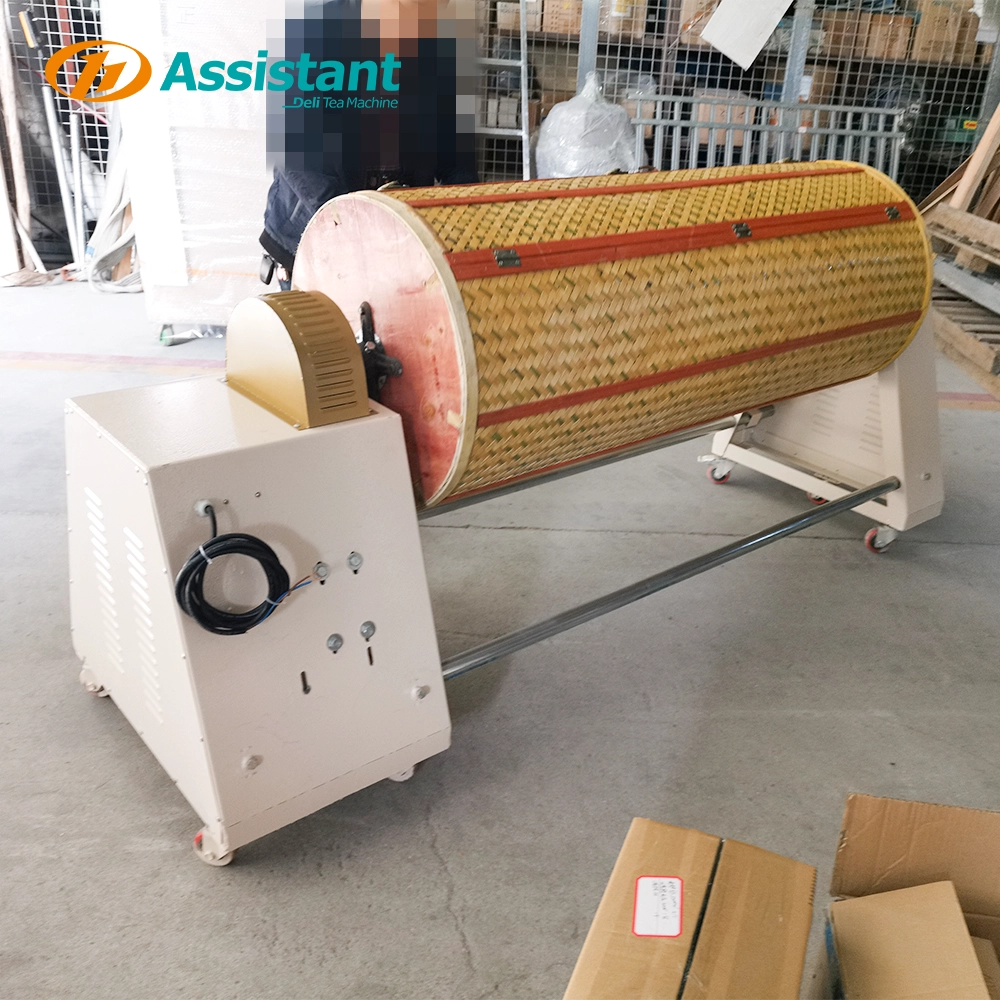
- Fixation Method: Pan-frying (direct heat) is faster (1–3 mins); drum fixation (indirect heat) takes longer (2–5 mins).
Green Tea Fixation Time Control Parameter Table
| Tea Variety |
Fresh Leaf Grade |
Fixation Method |
Optimal Fixation Time |
Key Control Indicators |
Expected Quality Traits |
| Longjing (Dragon Well) |
1 bud + 1 leaf |
Pan-frying |
2–3 mins |
Leaf temperature: 150–160°C; Moisture loss: 15–20% |
Bright green liquor; Grassy-sweet flavor |
| Biluochun |
1 bud + 1 leaf |
Drum fixation |
1.5–2.5 mins |
Leaf temperature: 140–150°C; Moisture loss: 12–18% |
Floral aroma; Pale green color |
| Liu’an Guapian |
1 bud + 2 leaves |
Pan-frying |
2.5–3.5 mins |
Leaf temperature: 160–170°C; Moisture loss: 18–25% |
Nutty flavor; Darker green liquor |
| Yunnan Green Tea |
1 bud + 3 leaves |
Drum fixation |
3–4 mins |
Leaf temperature: 150–160°C; Moisture loss: 20–28% |
Smooth mouthfeel; Olive-green leaves |
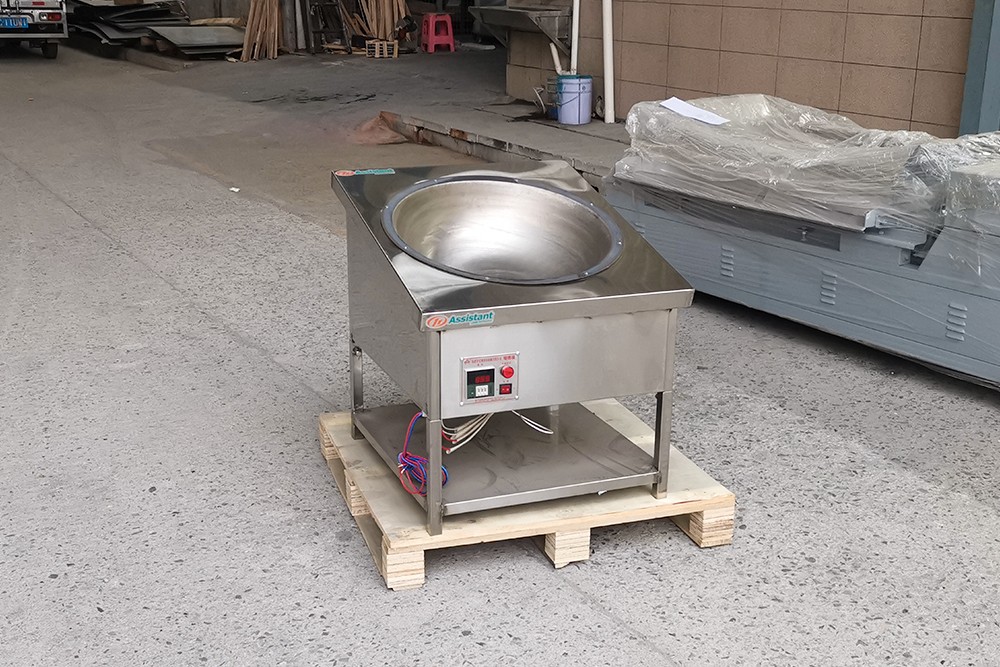
It is recommended to use the tea hand roasting pot mentioned in the article for the fixing and stir-frying process.

Final Tip for Perfect Fixation
Whether you’re a home brewer testing small batches or a hobbyist learning processing: watch the leaves, not just the clock. When leaves turn bright green, lose their "raw" grass smell, and become slightly soft (but not crispy), they’re done. Over time, you’ll learn to match time to your desired flavor—because great green tea is as much art as science!