




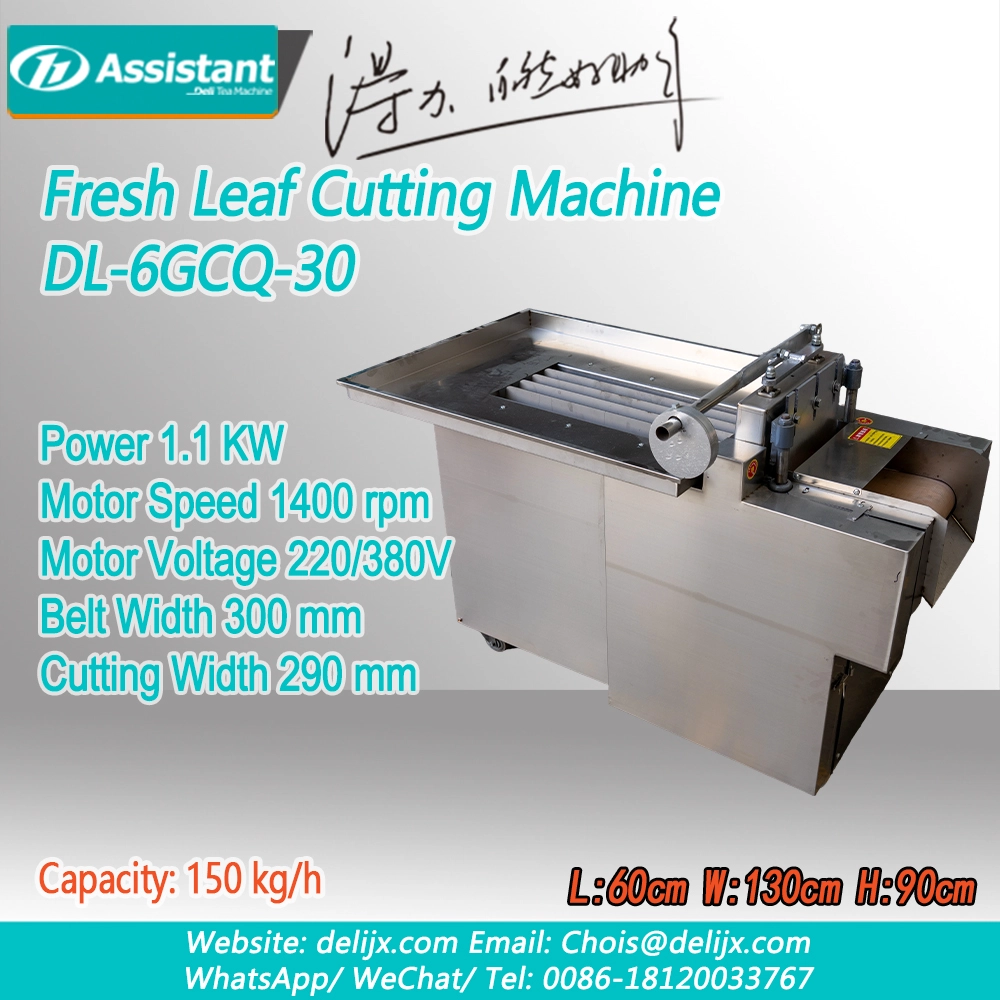
This fresh leaf cutting machine cuts large fresh leaves into uniform small pieces. Two models available: DL-6GCQ-30 (150kg/h) and DL-6GCQ-50 (250kg/h). It adopts conveyor feeding, works for tea, lotus leaf, mulberry leaf and herbal raw materials for tea production.
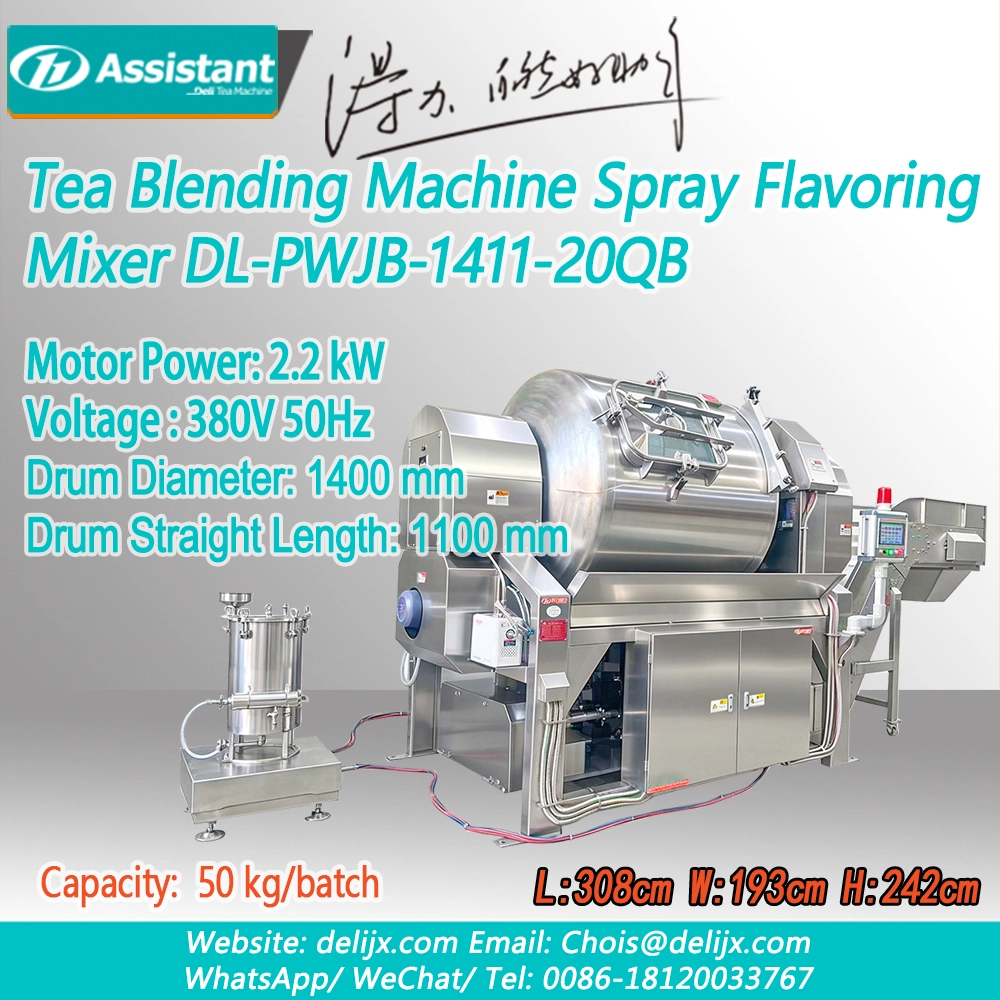
This DELI ASSISTANT spray mixer is a dual-function tea blending & aroma spraying machine, used for homogenizing tea piles and atomized flavor adding in tea factory production, with 1400mm drum, 2.2kW motor and 380V power supply.
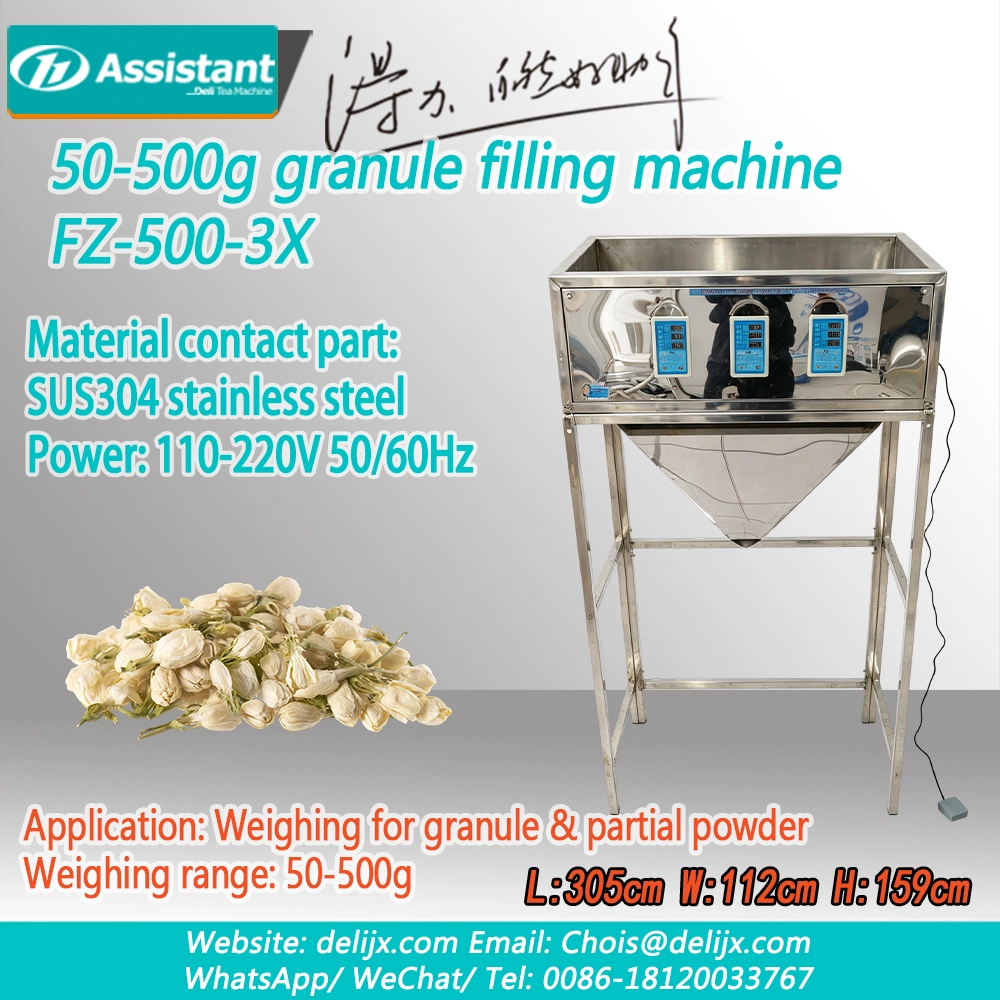
FZ‑500‑3X Automatic Quantitative Filling Machine 50‑500g Granule Powder Weighing Dispenser For Tea Grain Coffee Bean
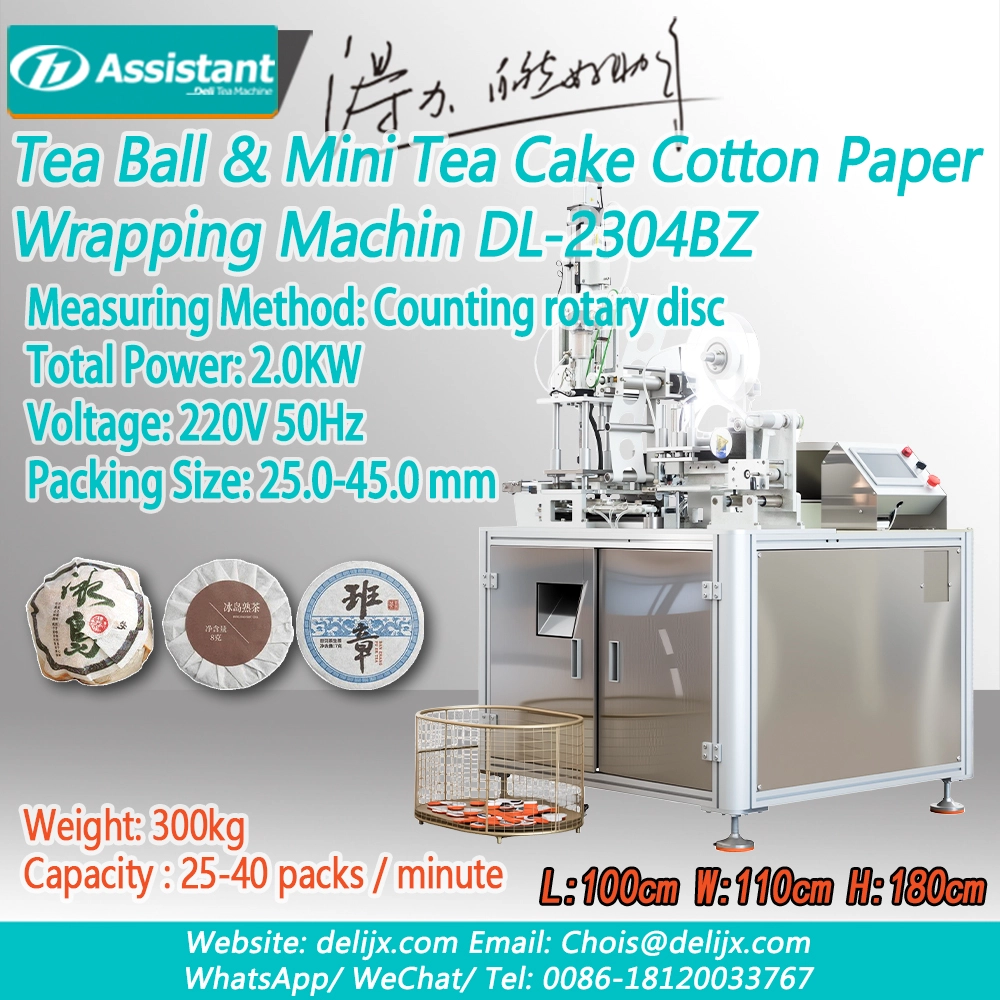
Automatic cotton paper wrapping machine for Pu‑er dragon pearl tea and mini tea cake. PLC control, 25‑40 pcs/min speed, one‑key switch for tea ball & small cake, stable pneumatic‑servo operation for compressed tea packaging.
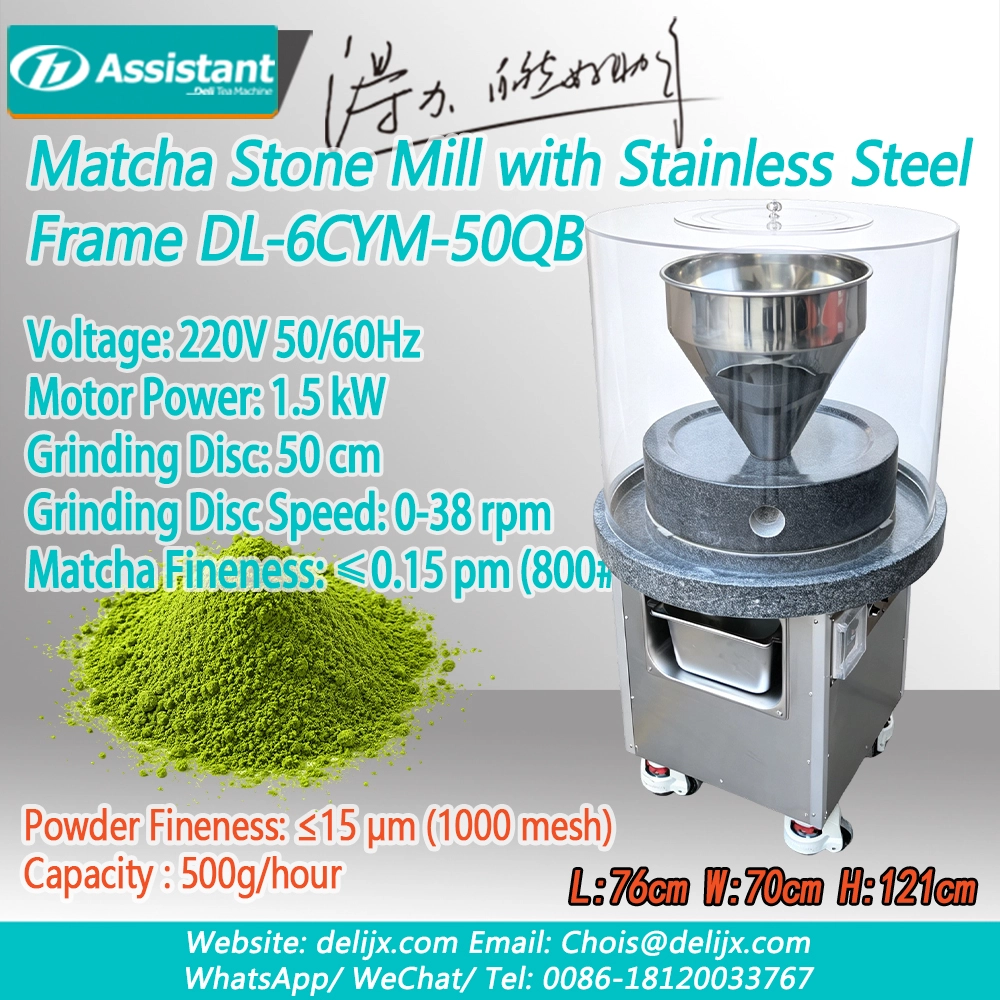
6CMJY-50QB stainless steel custom base matcha green stone mill, natural granite stone plate, low-speed cold grinding. Preserve tea aroma, produce ultra-fine matcha powder. Stainless steel frame with casters, suitable for tea shops, labs and small-batch matcha production.
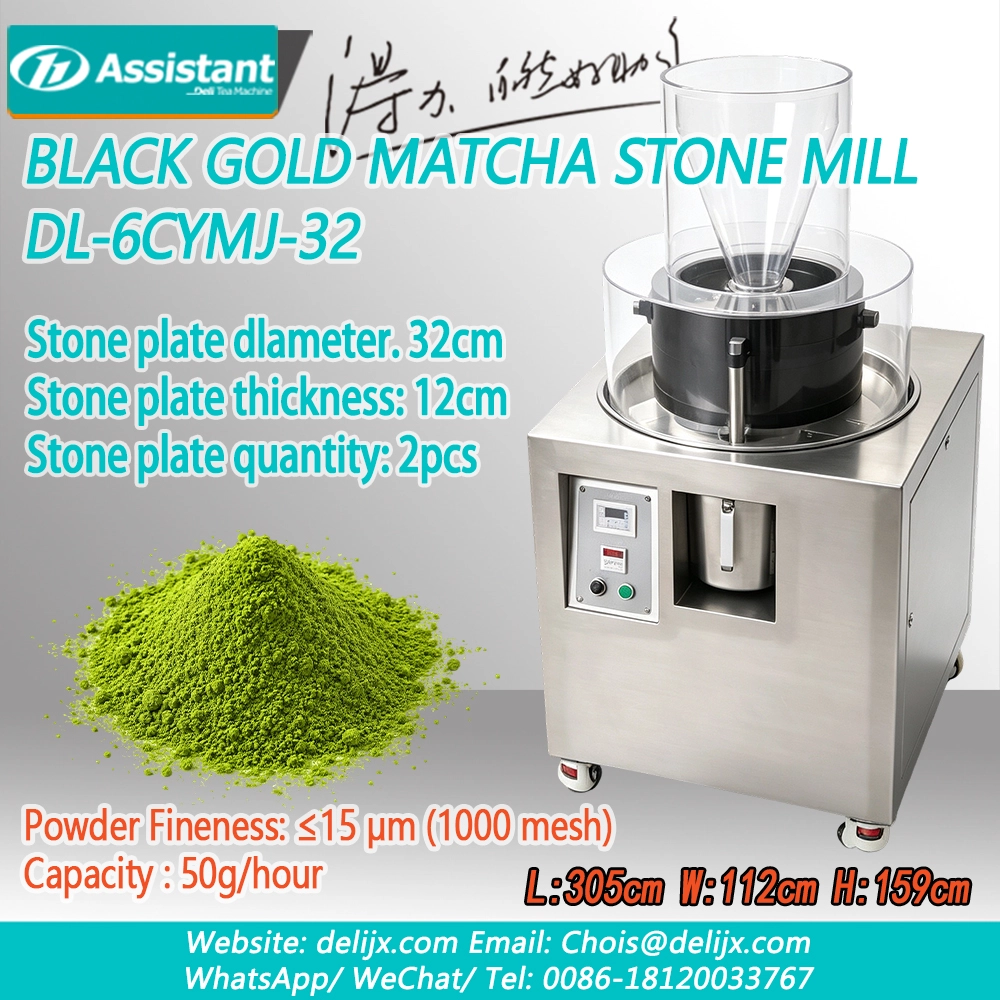
Custom heightened small matcha stone mill DL-6CYMJ-32M, equipped with 30cm natural stone plates. Low-speed low-temperature grinding, produce ultra-fine matcha powder ≤15μm. 50g/h capacity, stainless steel body, ideal for boutique tea shops & small-batch matcha production.
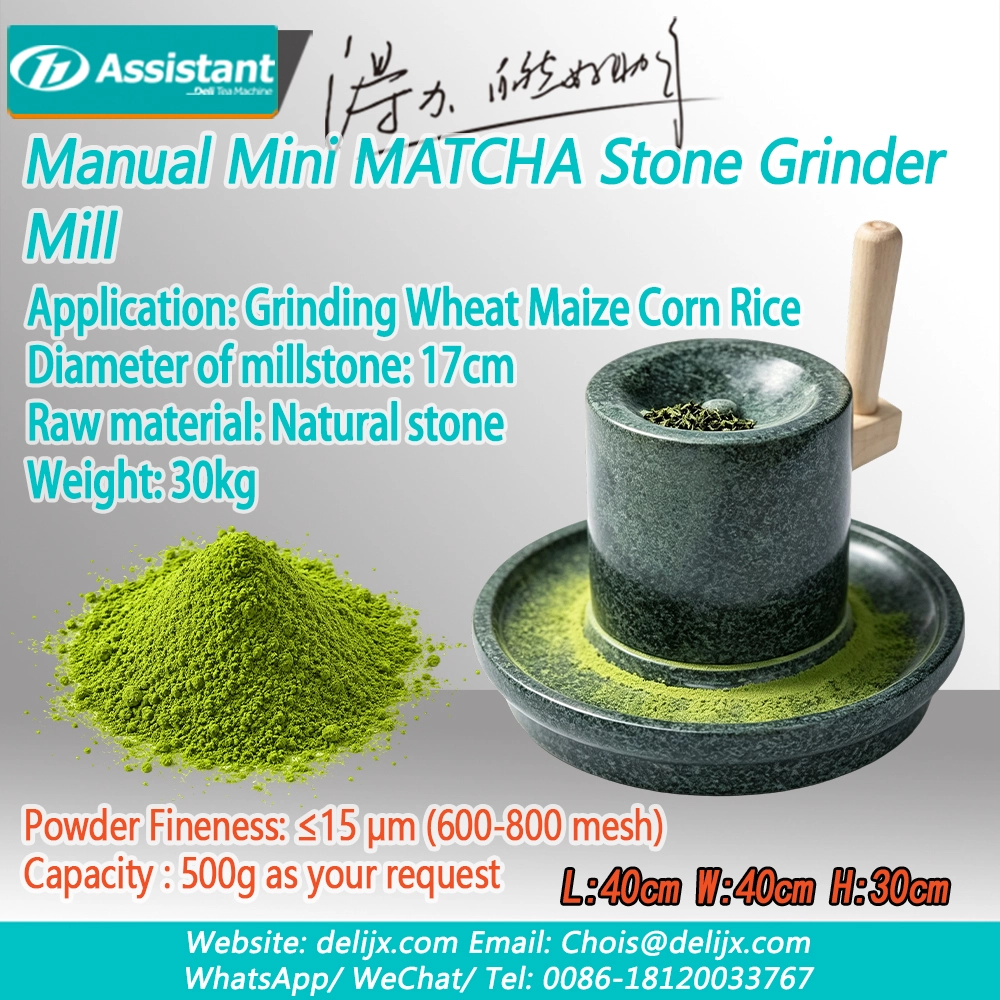
Manual Matcha Stone Mill is a traditional hand-operated grinder made from natural stone, designed for producing fresh and authentic matcha powder. With a slow grinding process and low heat generation, it helps preserve the natural color, aroma, and flavor of tea leaves. Compact and durable, it is ideal for matcha cafes, tea houses, restaurants, cultural experience shops, and small-batch matcha production.
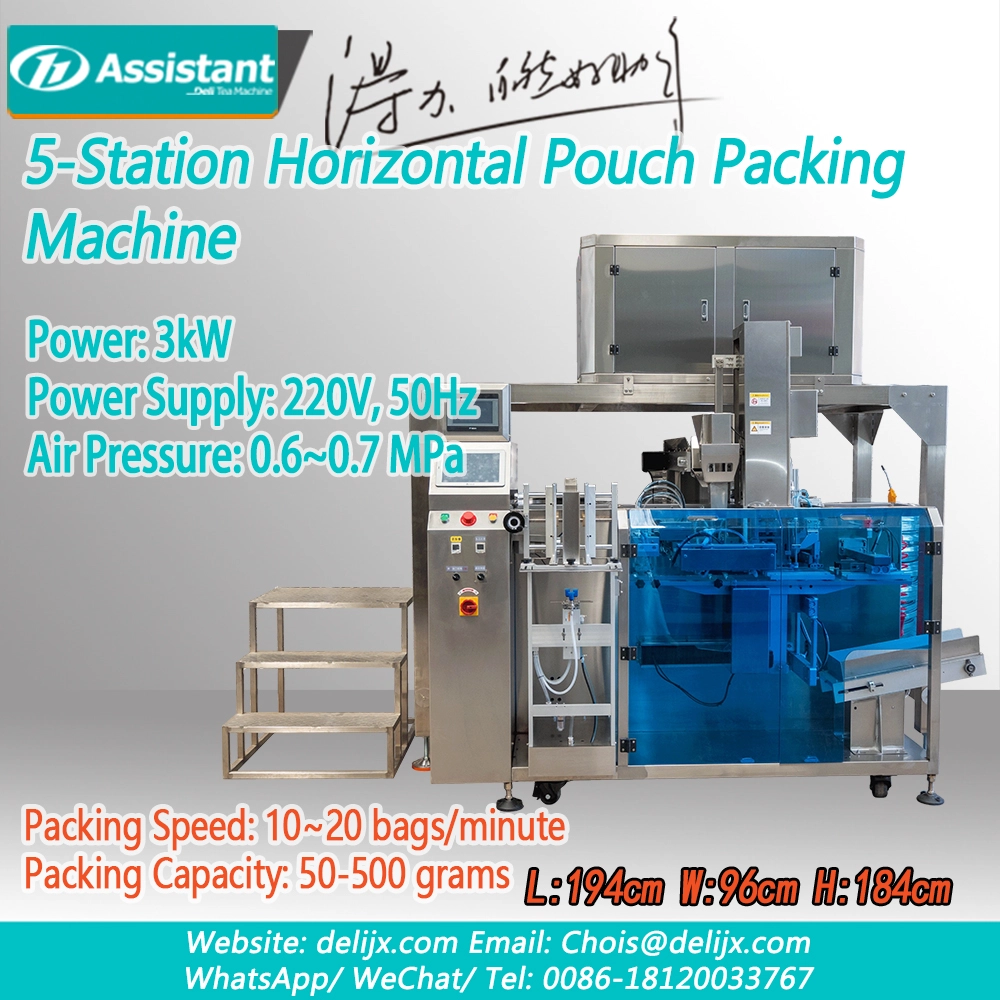
This 5-station horizontal pouch packing machine handles M bags, flat pouches and zipper pouches for 50–500g granular materials like tea. It automatically finishes weighing, filling, vacuuming and sealing with servo control, supporting multiple optional accessories.
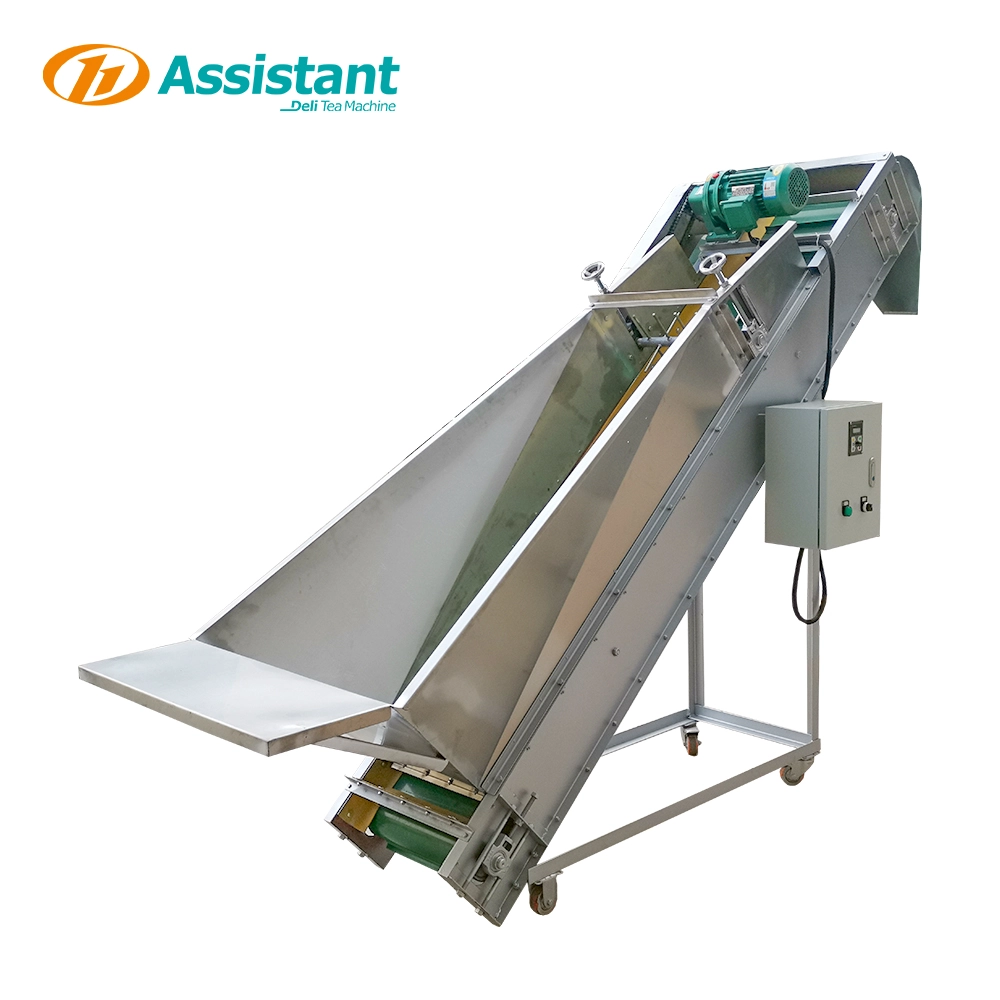
Our stainless steel tea leaf feed conveyor is an inclined climbing belt elevator specially matched with tea de-enzyming fixation machines. It features adjustable speed, anti-slip baffle belt, stable feeding, protects tender tea leaves, and greatly boosts automation efficiency for tea factories.
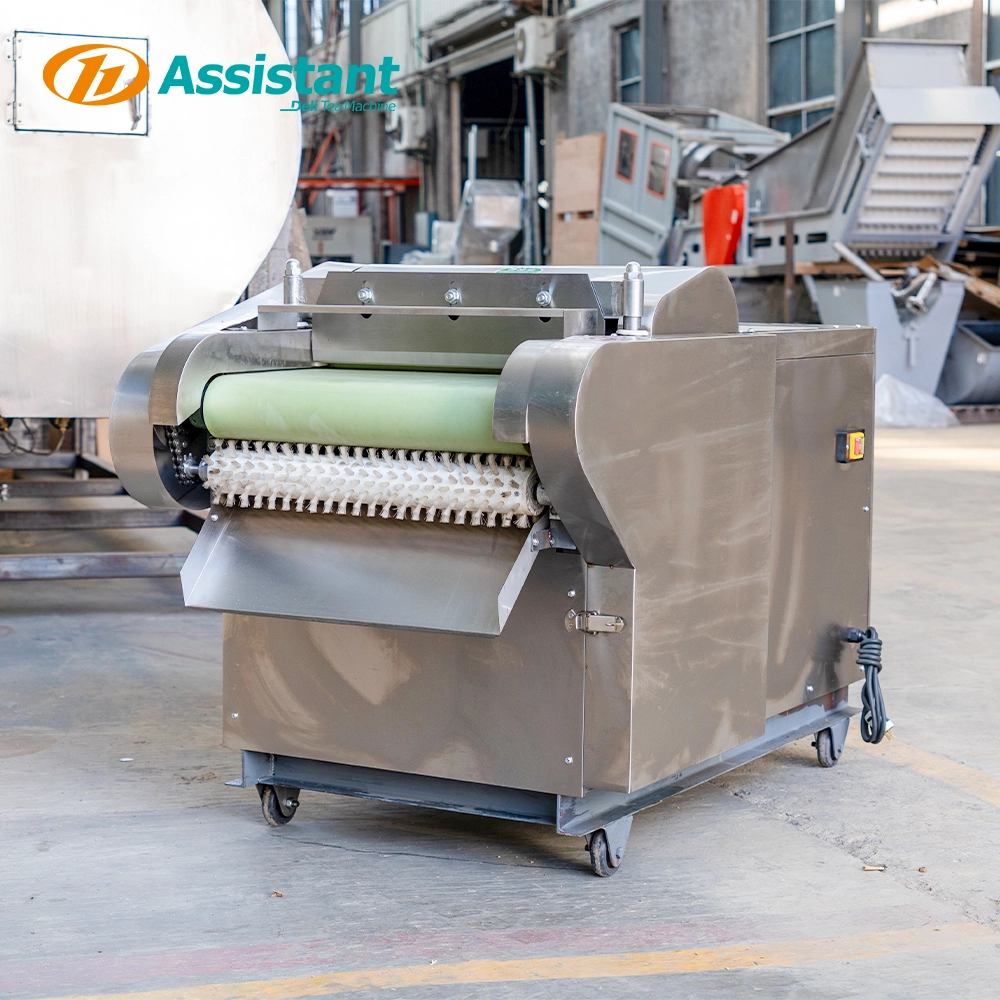
DL-6GCQ-50 fresh leaf cutting machine with 250kg/h capacity. Stainless steel commercial cutter for tea leaves, spinach, basil, mint and leafy greens. Learn its specifications, suitable materials, operation guide and daily maintenance tips.
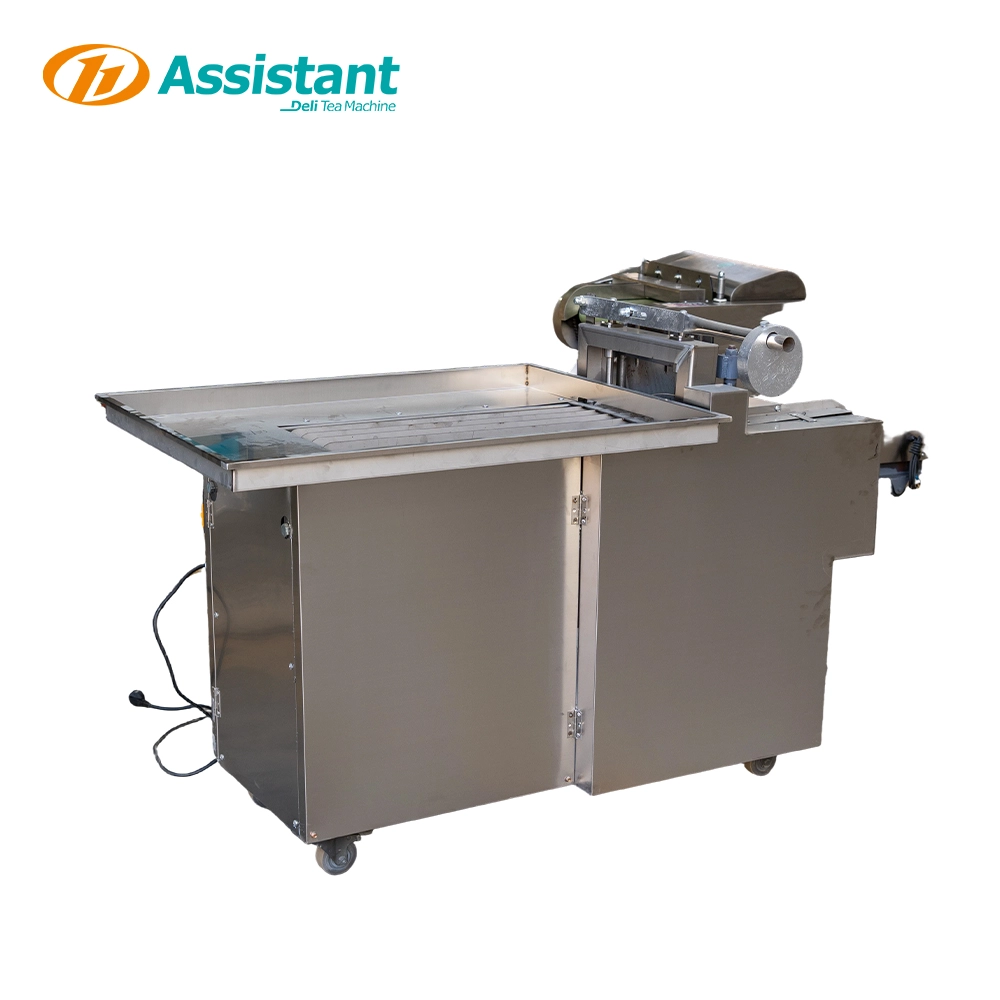
Our fresh leaf cutting machine has two models DL-6GCQ-30 (150kg/h) and DL-6GCQ-50 (250kg/h). Stainless steel structure, 220/380V optional, used for cutting fresh tea leaves, herbs and foliage into uniform small segments. Factory direct supply, stable performance for tea & herbal processing lines.
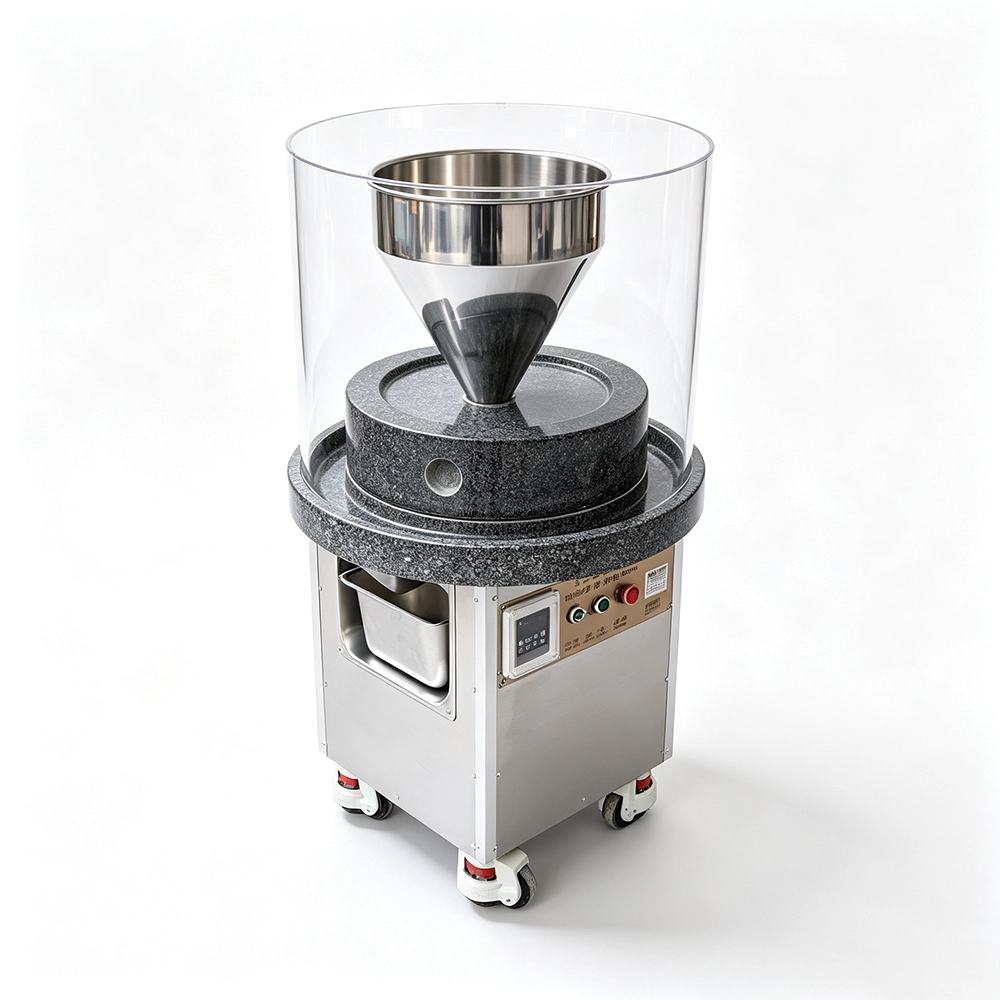
Looking for the right matcha grinding equipment? Read our in-depth comparison of 4 matcha grinders, including Black Gold Stone Mills, Blue Stone Mills, Batch Ball Mills, and Continuous Ball Mills. Learn their efficiency, particle size distribution, and ideal applications.
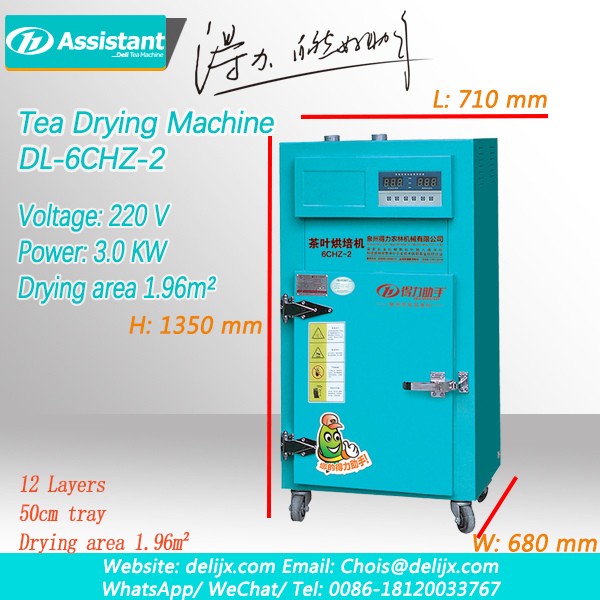
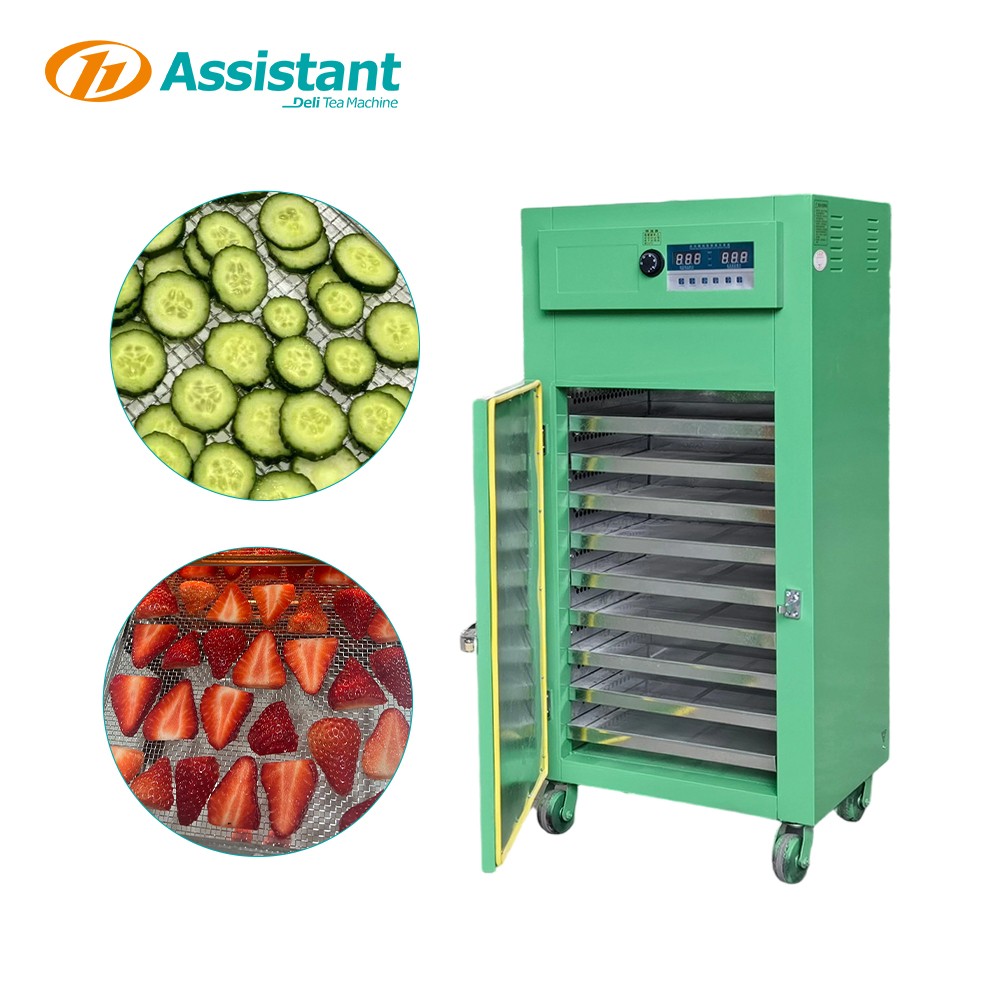
To understand the differences between a tea dryer and a tea roaster, we need to focus on core dimensions such as functional positioning, processing stage, and effect. Although both involve "heat treatment," they play entirely different roles in the tea processing chain and cannot be confused. Their corresponding English terms also need to be accurately aligned with industry common expressions.
| Comparison Dimension | Tea Dryer | Tea Roaster |
|---|---|---|
| Functional Positioning | Centered on "removing moisture and fixing quality," it is a "basic drying link" in tea processing. Its purpose is to terminate enzymatic reactions (such as fermentation and oxidation) in tea leaves to prevent deterioration. | Centered on "adjusting flavor and optimizing taste," it is a "flavor shaping link" in tea processing. Its purpose is to stimulate aroma, reduce bitterness, and adjust color through controlled heating. |
| Processing Stage | Mostly used in the primary processing stage of tea (e.g., after fixation, after rolling). It is a "necessary basic step" — fresh leaves will rot due to microbial activity or over-ferment if not dried in time after picking. | Mostly used in the refined processing stage (e.g., after sorting crude tea) or for maintaining aged tea (e.g., Pu'er tea, aged white tea). It is an "optional optimization step" and not required for all teas. |
| Temperature & Time | The temperature is relatively mild (usually 60-120℃), and the time is longer (adjusted according to the moisture content of tea leaves, ranging from tens of minutes to several hours). It focuses on "uniform dehydration" to avoid local overheating. | The temperature range is wider (usually 80-200℃ or even higher), and the time is shorter (from a few minutes to 1-2 hours). It focuses on "precise temperature control" to stimulate specific aromas (e.g., burnt aroma, honey aroma). |
| Effect | - Reduces the moisture content of tea to a safe standard (usually ≤7%) for long-term storage;- Fixes the shape of tea (e.g., the strip of green tea, the tightness of black tea);- Terminates fermentation/oxidation (e.g., fermentation stops after black tea is dried, and green tea remains fresh after drying). | - Enhances aroma: Removes grassy and miscellaneous odors in tea, and stimulates floral, fruity, caramel, or woody aromas (e.g., oolong tea becomes more aromatic after roasting, and Pu'er tea reduces warehouse odor after roasting);- Reduces astringency: Breaks down part of 茶多酚 (tea polyphenols) and caffeine through heating to reduce bitterness and astringency;- Adjusts color: Makes the tea color more mellow (e.g., black tea turns from orange-red to deep red after roasting, and white tea turns from silvery white to light brown after roasting). |
| Applicable Scenarios | Primary processing of all tea categories (e.g., initial drying of green tea, black tea, white tea, oolong tea). | Teas that need flavor optimization (e.g., refined oolong tea, aged Pu'er tea, aroma-enhanced aged white tea); not suitable for teas pursuing extreme freshness (e.g., pre-Ming green tea, new white tea). |
| Chinese Name | Standard English Translation | Supplementary Notes (Common Industry Scenarios) |
|---|---|---|
| 茶叶烘干机 | Tea Dryer | A general term covering various tea drying equipment (e.g., "Belt Tea Dryer," "Drum Tea Dryer"), with the core function of "drying and dehydration." |
| 茶叶烘焙机 | Tea Roaster | A specific term emphasizing the function of "roasting for aroma enhancement." Common types include "Hot Air Tea Roaster" and "Charcoal Tea Roaster"; avoid confusion with "Dryer." |
For example: When making Tieguanyin (a type of oolong tea), fresh leaves are first dried to about 10% moisture content (initial drying) using a Tea Dryer after fixation and rolling. After sorting and removing impurities, they are slowly roasted at low temperatures (refining) using a Tea Roaster, finally forming a rich orchid aroma and mellow taste.