












News
Home
> News







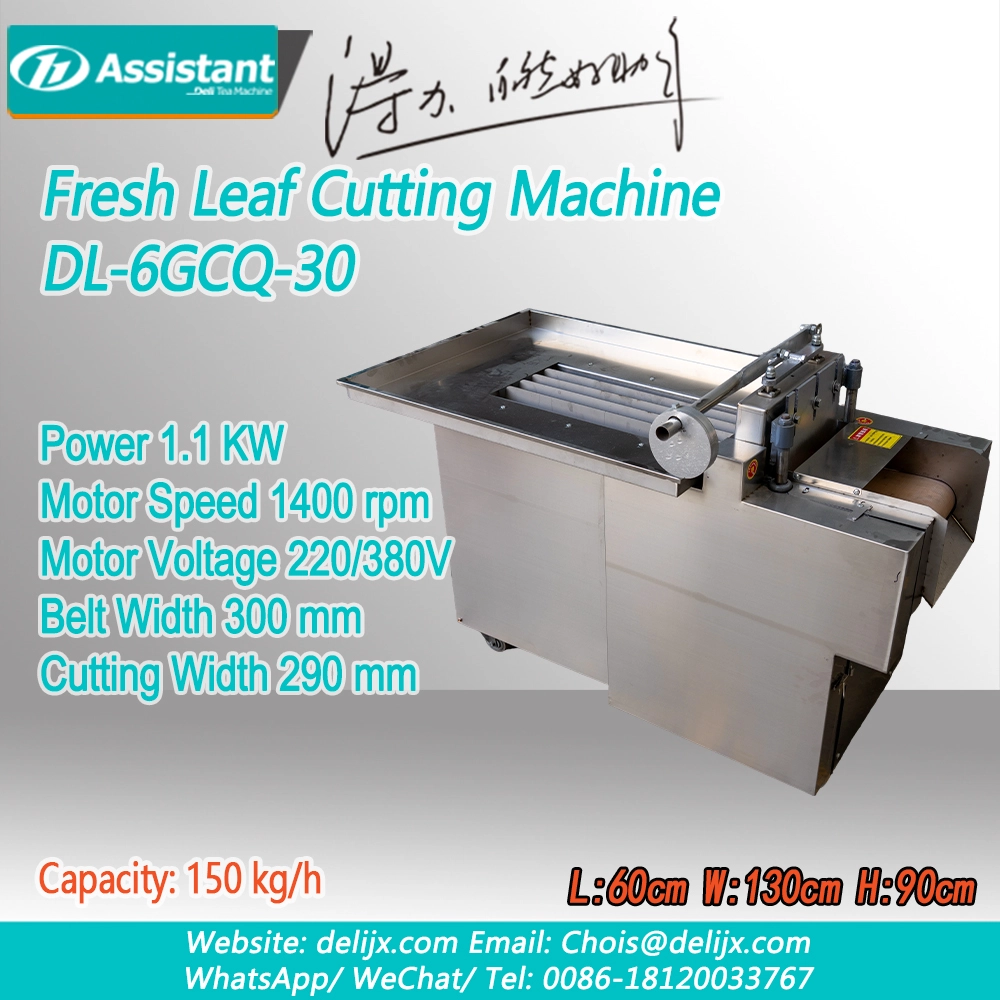
This fresh leaf cutting machine cuts large fresh leaves into uniform small pieces. Two models available: DL-6GCQ-30 (150kg/h) and DL-6GCQ-50 (250kg/h). It adopts conveyor feeding, works for tea, lotus leaf, mulberry leaf and herbal raw materials for tea production.
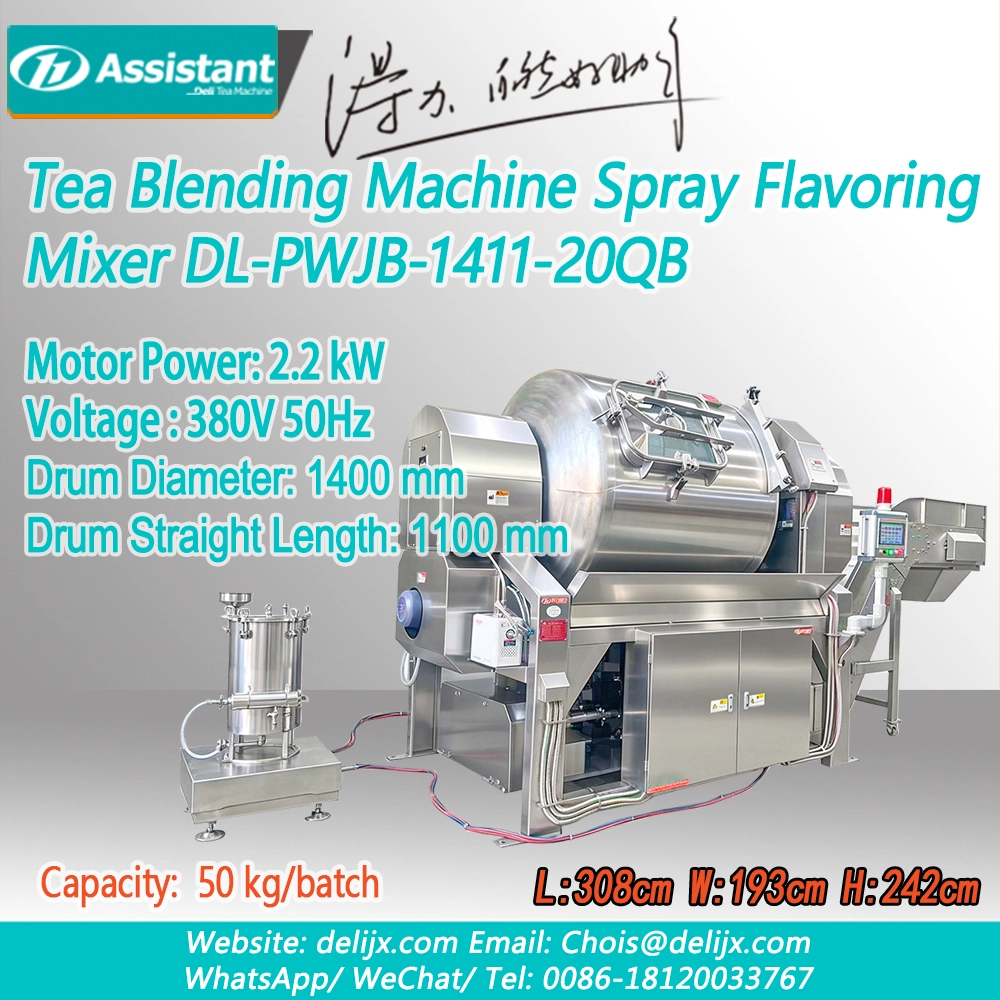
This DELI ASSISTANT spray mixer is a dual-function tea blending & aroma spraying machine, used for homogenizing tea piles and atomized flavor adding in tea factory production, with 1400mm drum, 2.2kW motor and 380V power supply.
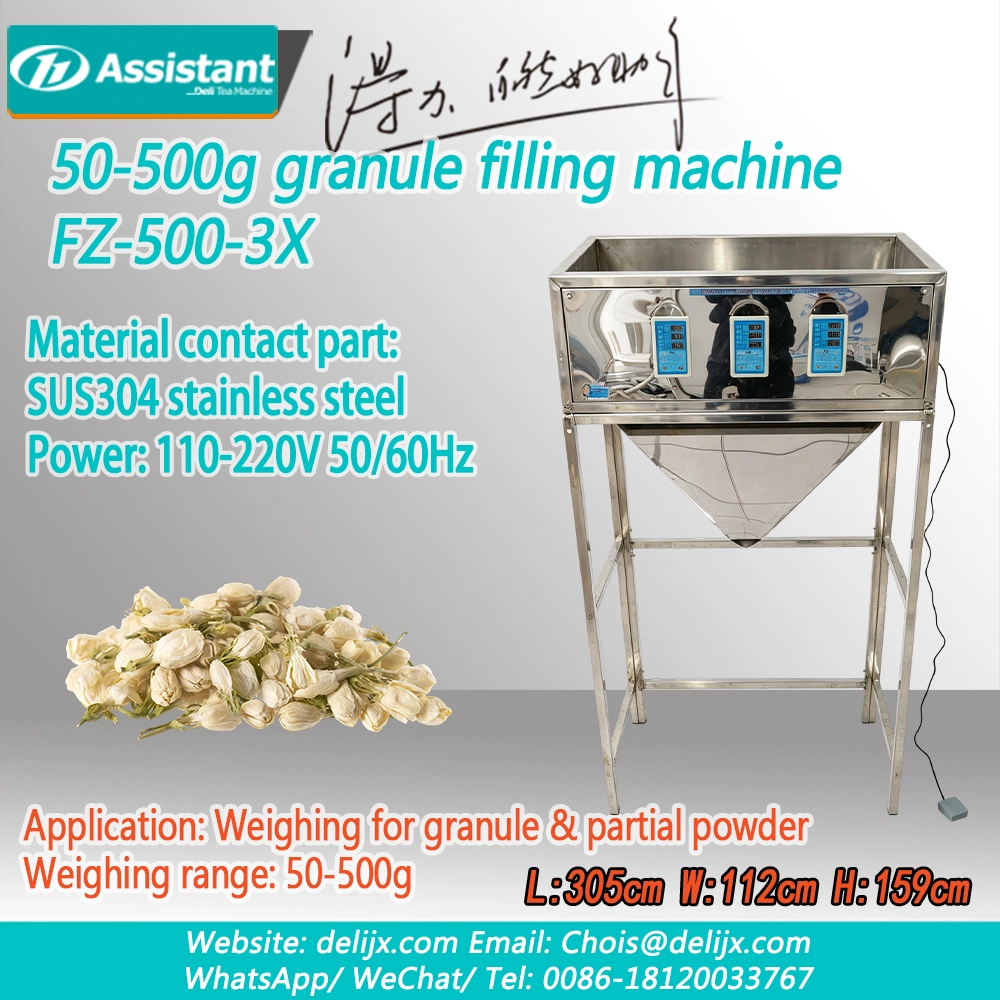
FZ‑500‑3X Automatic Quantitative Filling Machine 50‑500g Granule Powder Weighing Dispenser For Tea Grain Coffee Bean
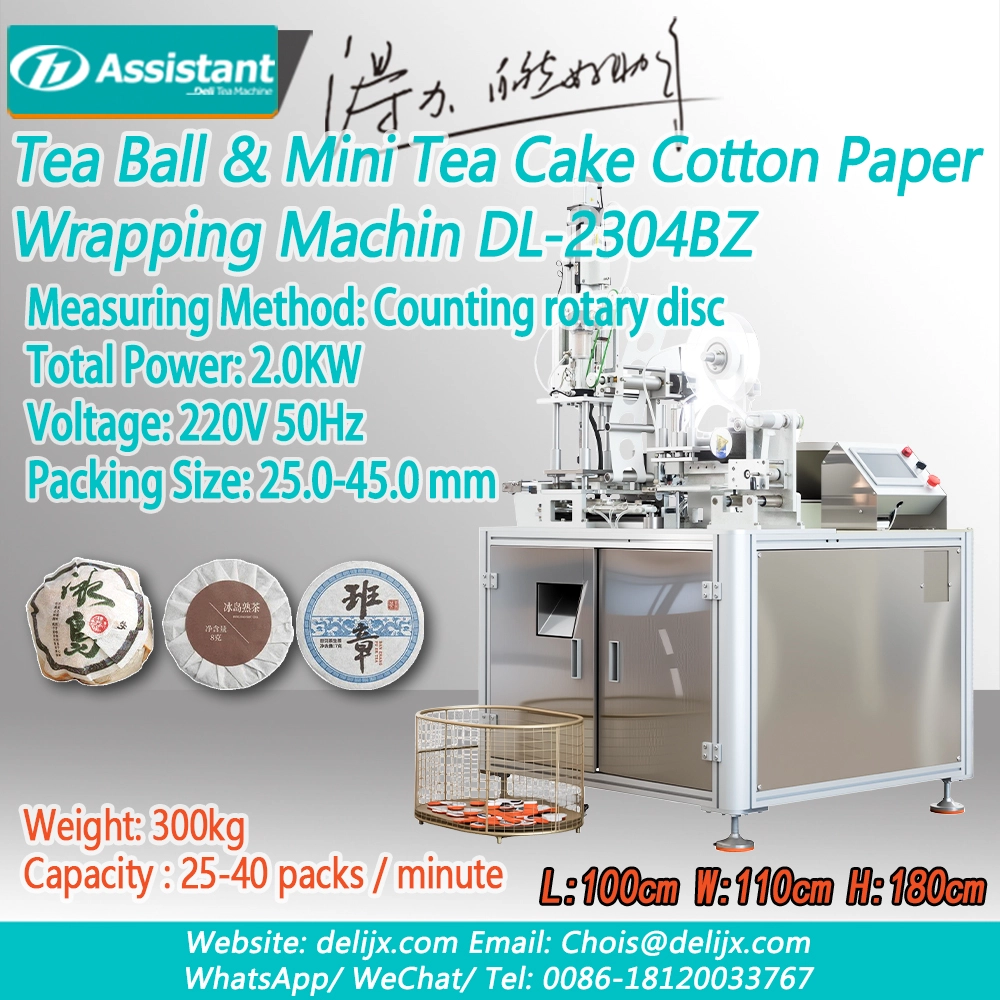
Automatic cotton paper wrapping machine for Pu‑er dragon pearl tea and mini tea cake. PLC control, 25‑40 pcs/min speed, one‑key switch for tea ball & small cake, stable pneumatic‑servo operation for compressed tea packaging.
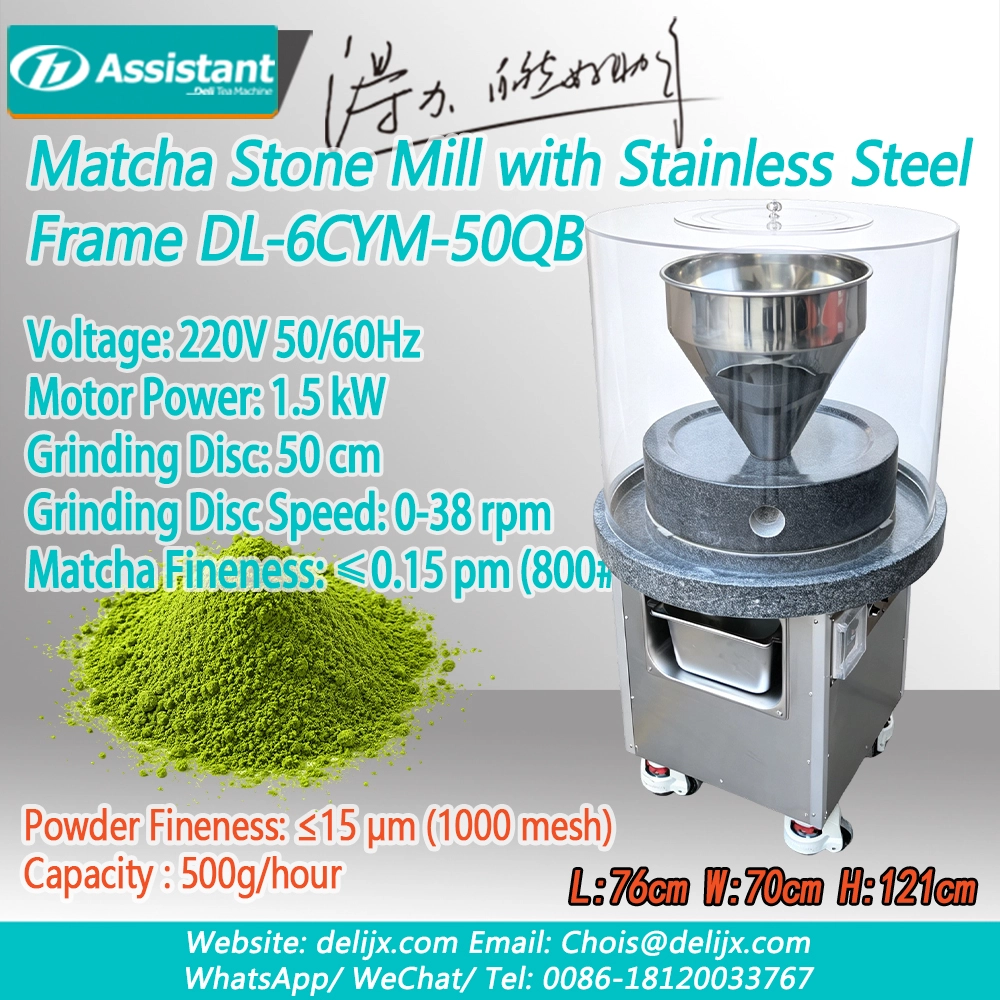
6CMJY-50QB stainless steel custom base matcha green stone mill, natural granite stone plate, low-speed cold grinding. Preserve tea aroma, produce ultra-fine matcha powder. Stainless steel frame with casters, suitable for tea shops, labs and small-batch matcha production.
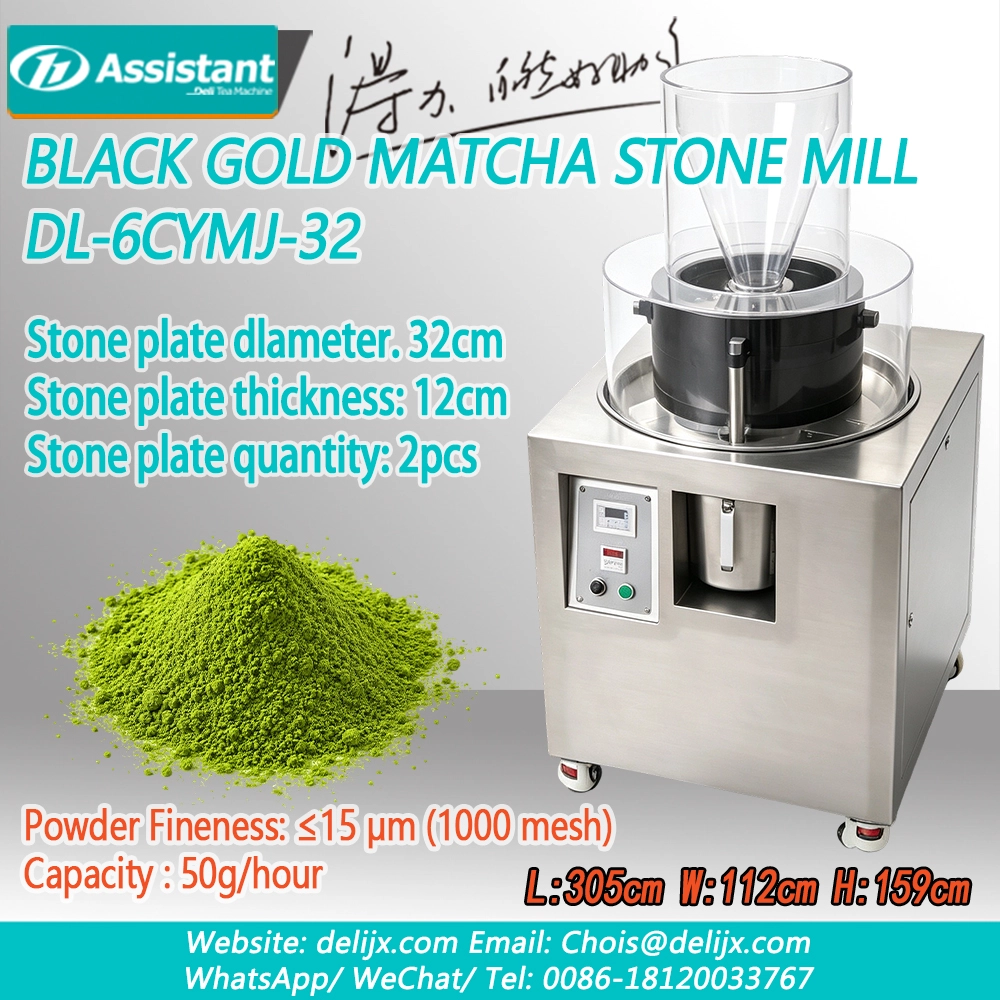
Custom heightened small matcha stone mill DL-6CYMJ-32M, equipped with 30cm natural stone plates. Low-speed low-temperature grinding, produce ultra-fine matcha powder ≤15μm. 50g/h capacity, stainless steel body, ideal for boutique tea shops & small-batch matcha production.
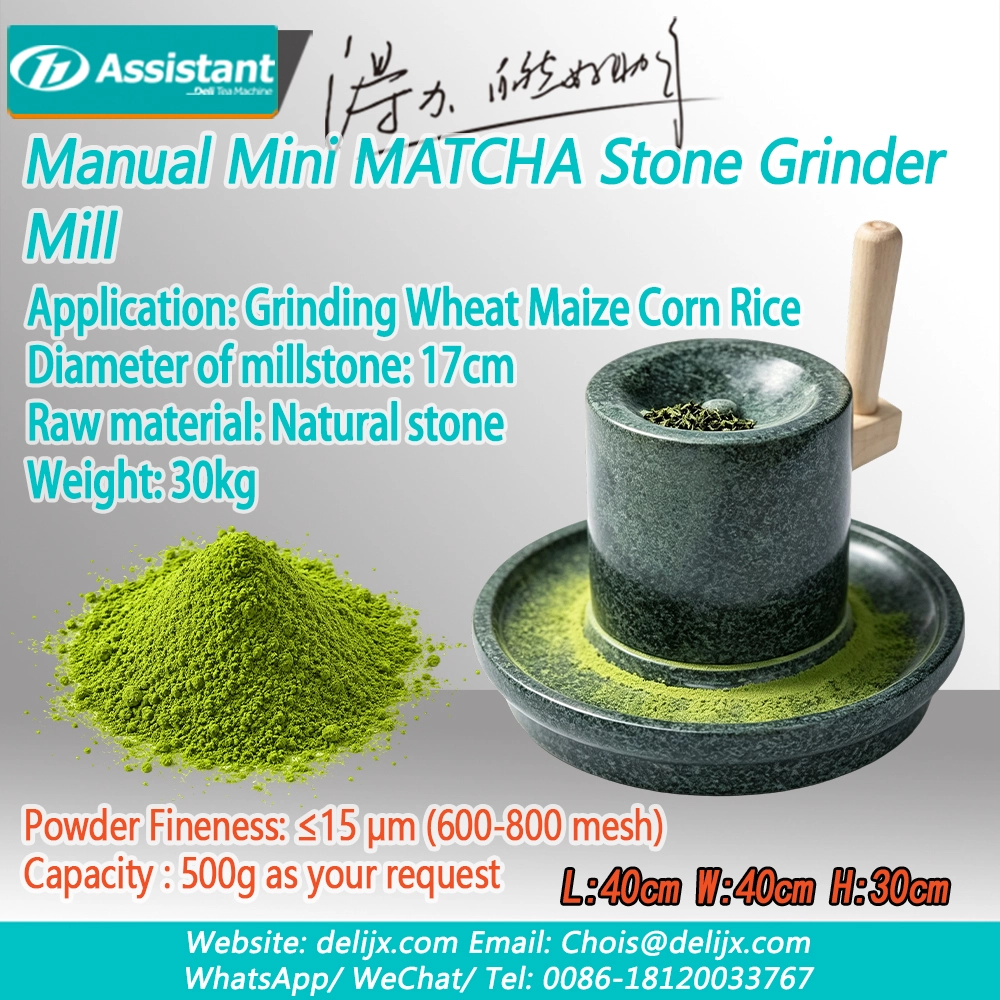
Manual Matcha Stone Mill is a traditional hand-operated grinder made from natural stone, designed for producing fresh and authentic matcha powder. With a slow grinding process and low heat generation, it helps preserve the natural color, aroma, and flavor of tea leaves. Compact and durable, it is ideal for matcha cafes, tea houses, restaurants, cultural experience shops, and small-batch matcha production.
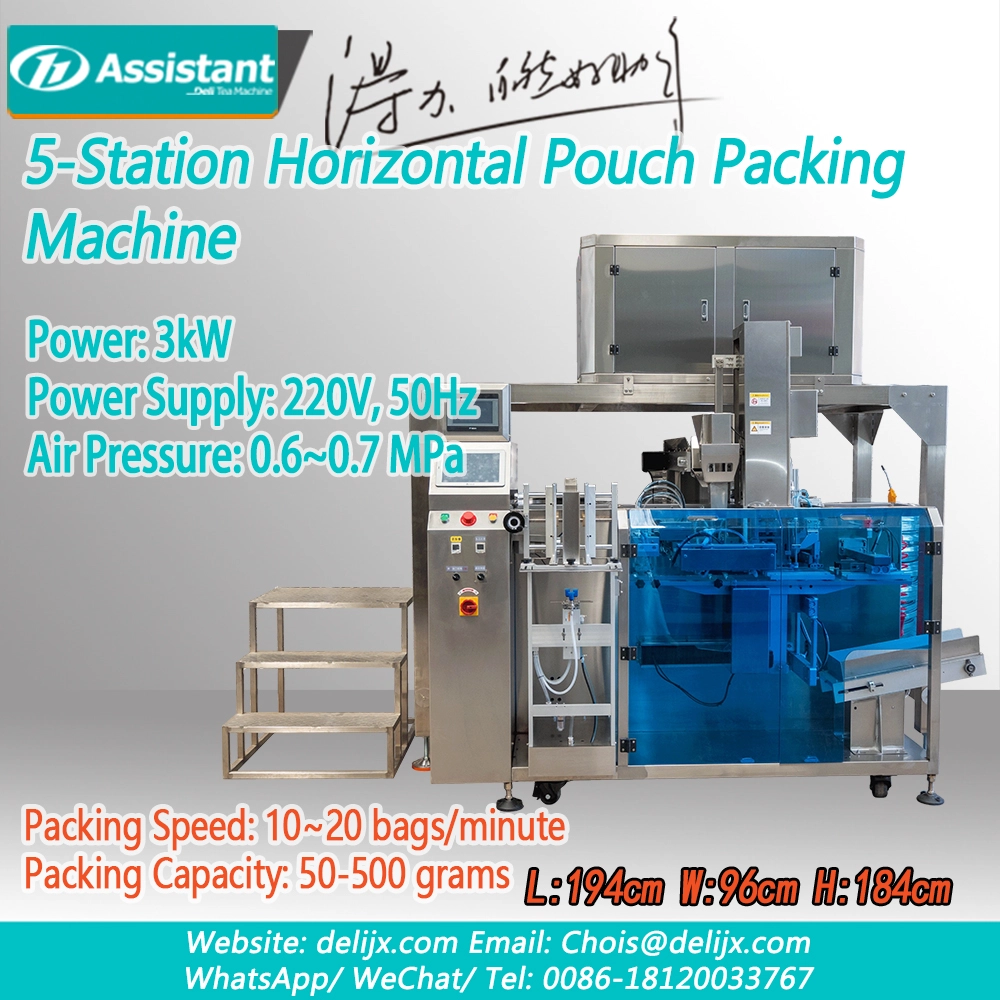
This 5-station horizontal pouch packing machine handles M bags, flat pouches and zipper pouches for 50–500g granular materials like tea. It automatically finishes weighing, filling, vacuuming and sealing with servo control, supporting multiple optional accessories.
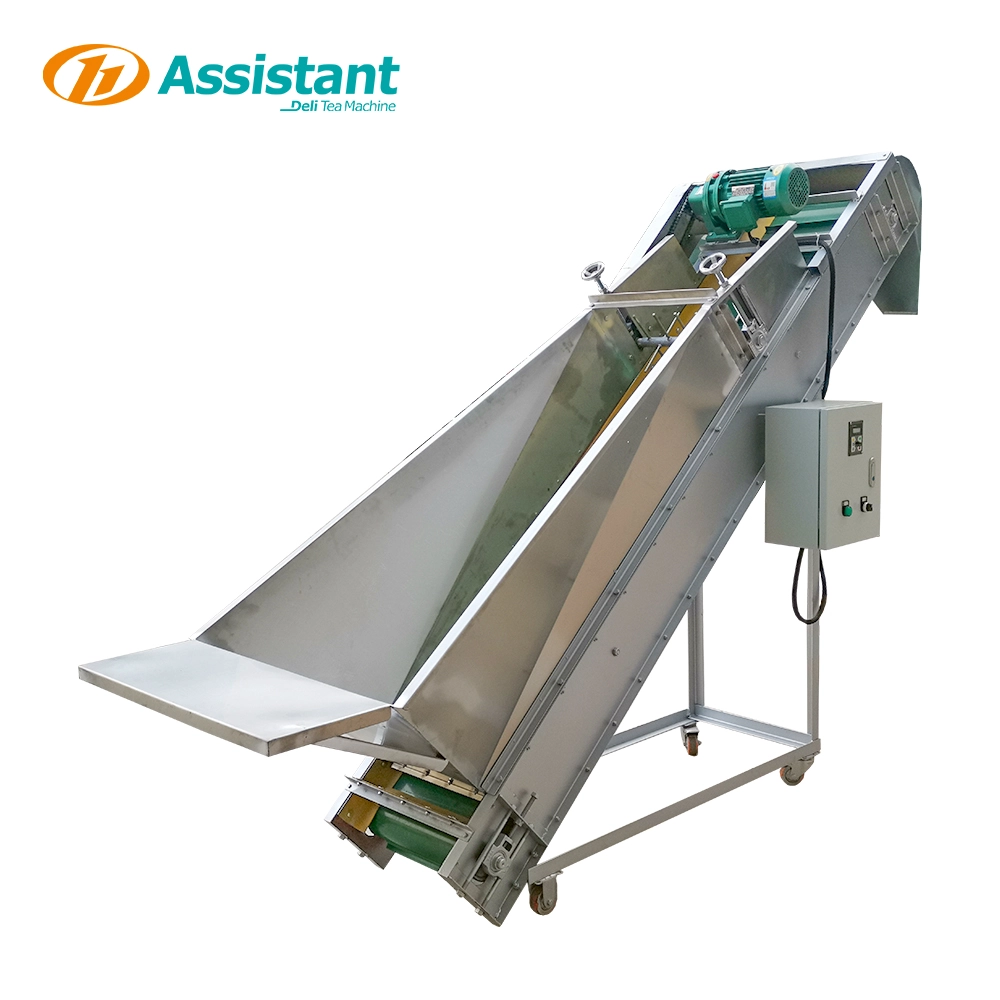
Our stainless steel tea leaf feed conveyor is an inclined climbing belt elevator specially matched with tea de-enzyming fixation machines. It features adjustable speed, anti-slip baffle belt, stable feeding, protects tender tea leaves, and greatly boosts automation efficiency for tea factories.
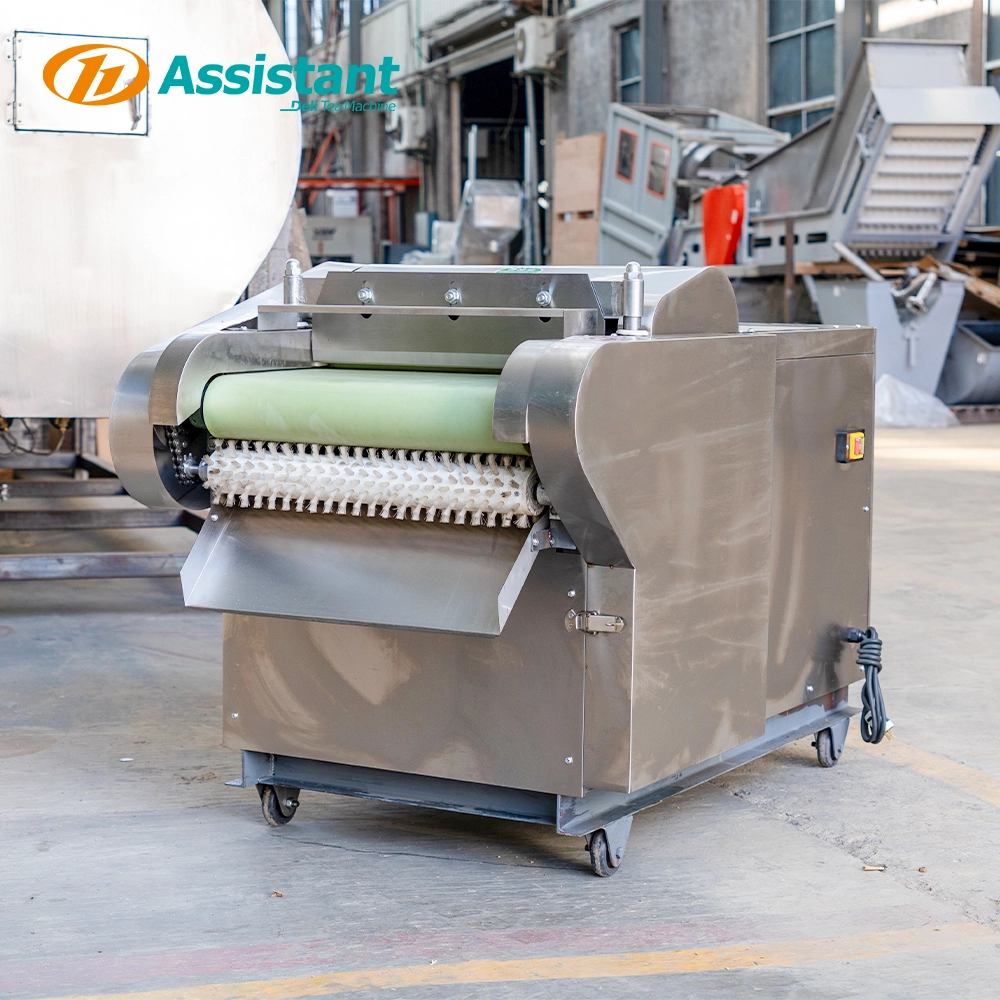
DL-6GCQ-50 fresh leaf cutting machine with 250kg/h capacity. Stainless steel commercial cutter for tea leaves, spinach, basil, mint and leafy greens. Learn its specifications, suitable materials, operation guide and daily maintenance tips.
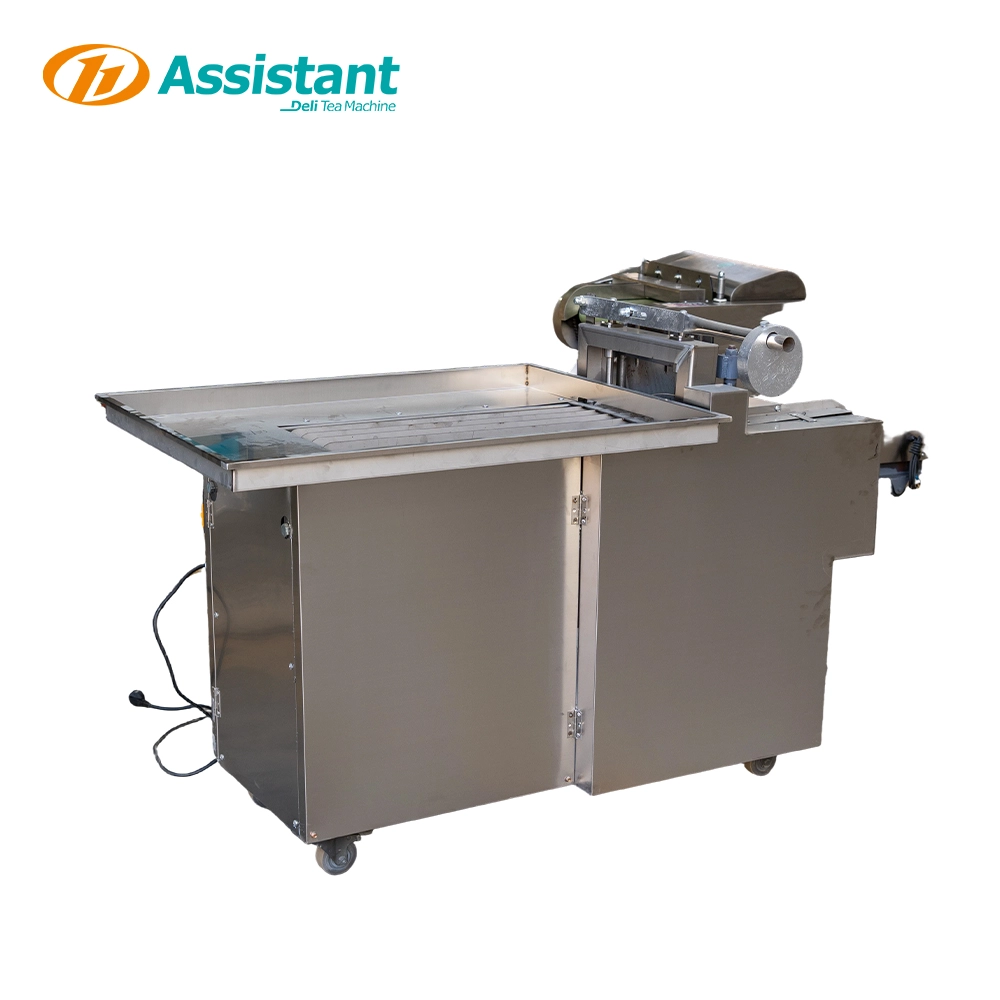
Our fresh leaf cutting machine has two models DL-6GCQ-30 (150kg/h) and DL-6GCQ-50 (250kg/h). Stainless steel structure, 220/380V optional, used for cutting fresh tea leaves, herbs and foliage into uniform small segments. Factory direct supply, stable performance for tea & herbal processing lines.
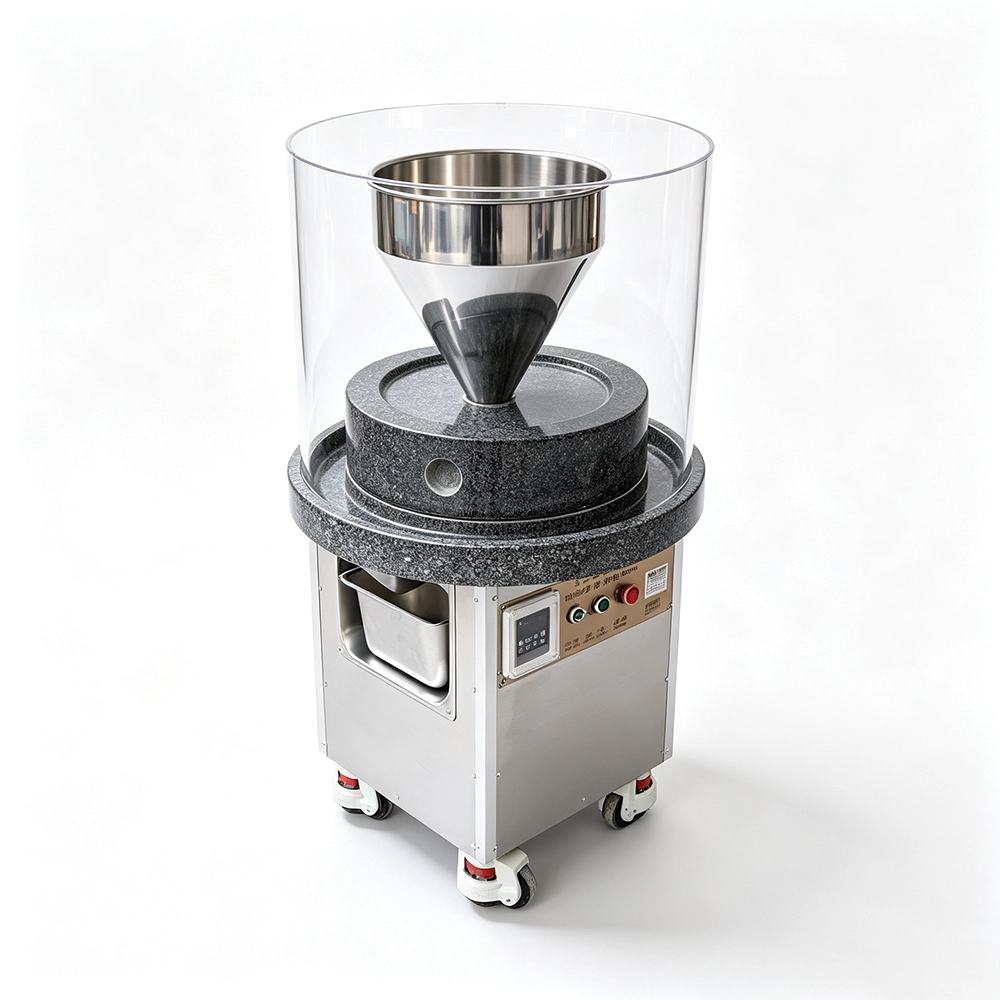
Looking for the right matcha grinding equipment? Read our in-depth comparison of 4 matcha grinders, including Black Gold Stone Mills, Blue Stone Mills, Batch Ball Mills, and Continuous Ball Mills. Learn their efficiency, particle size distribution, and ideal applications.
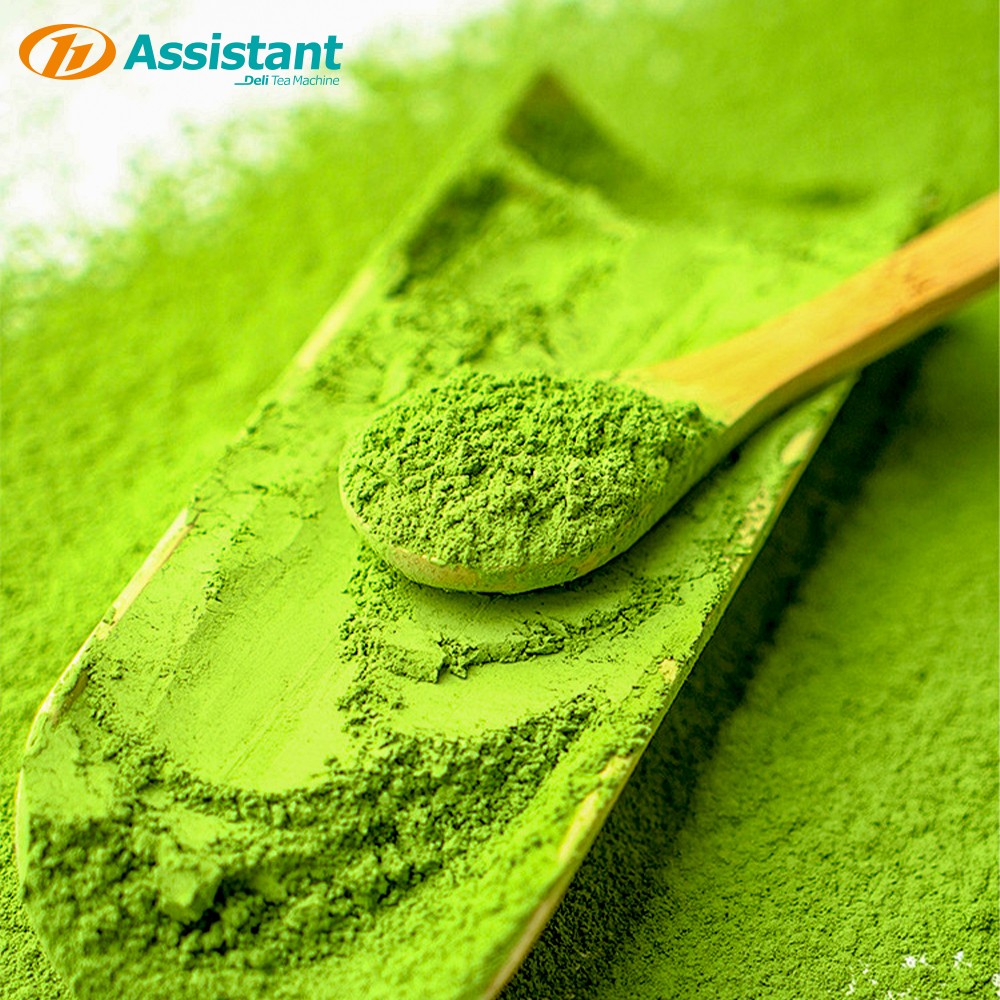
Premium matcha comes from specific green tea. It starts with 20-30 days of shading, then steam fixation, processing into "aracha" and "tencha", finally stone-ground to 15-micron powder. Unlike green tea powder, it has bright green color and fresh-sweet taste.
Read More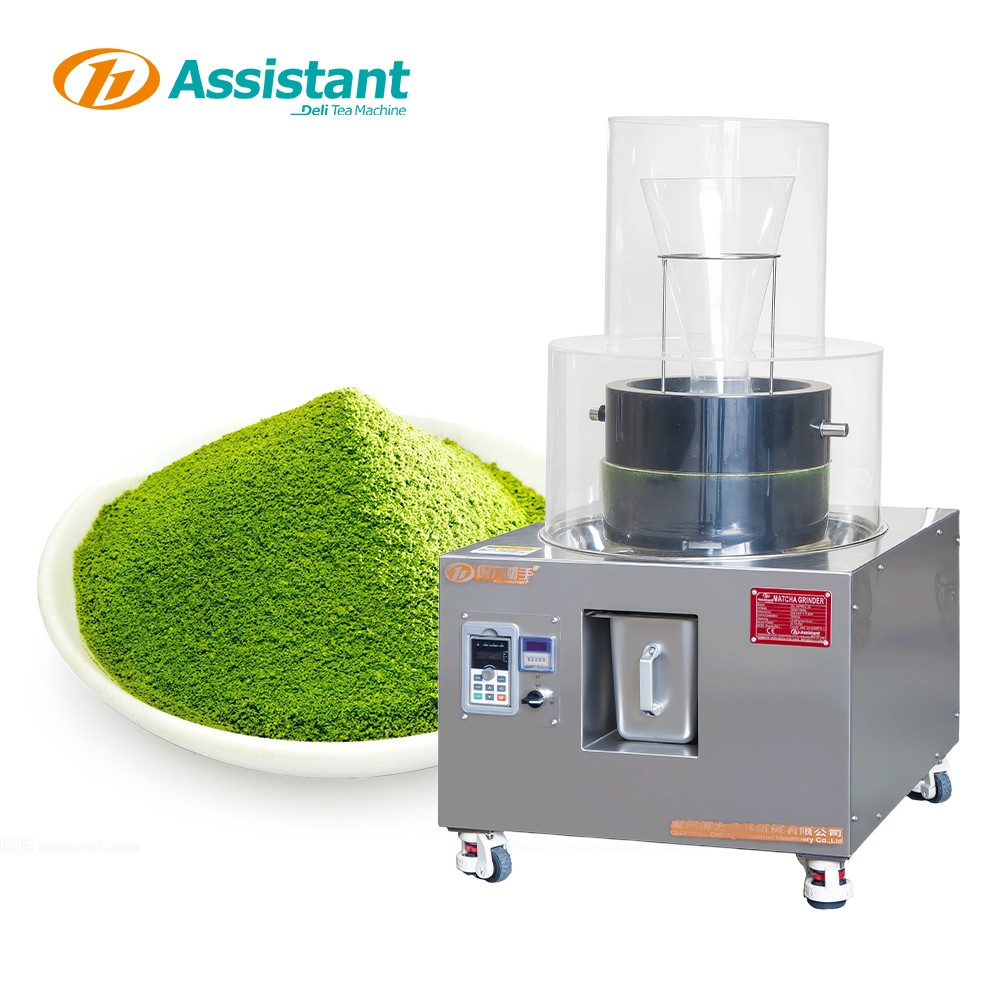
Uncover matcha’s 1,000-year journey from Tang Dynasty China to global popularity: how ancient cultures crafted and savored it, fresh modern ways to enjoy it, and why the Black Gold Stone Matcha Grinder is a must for premium matcha lovers.
Read More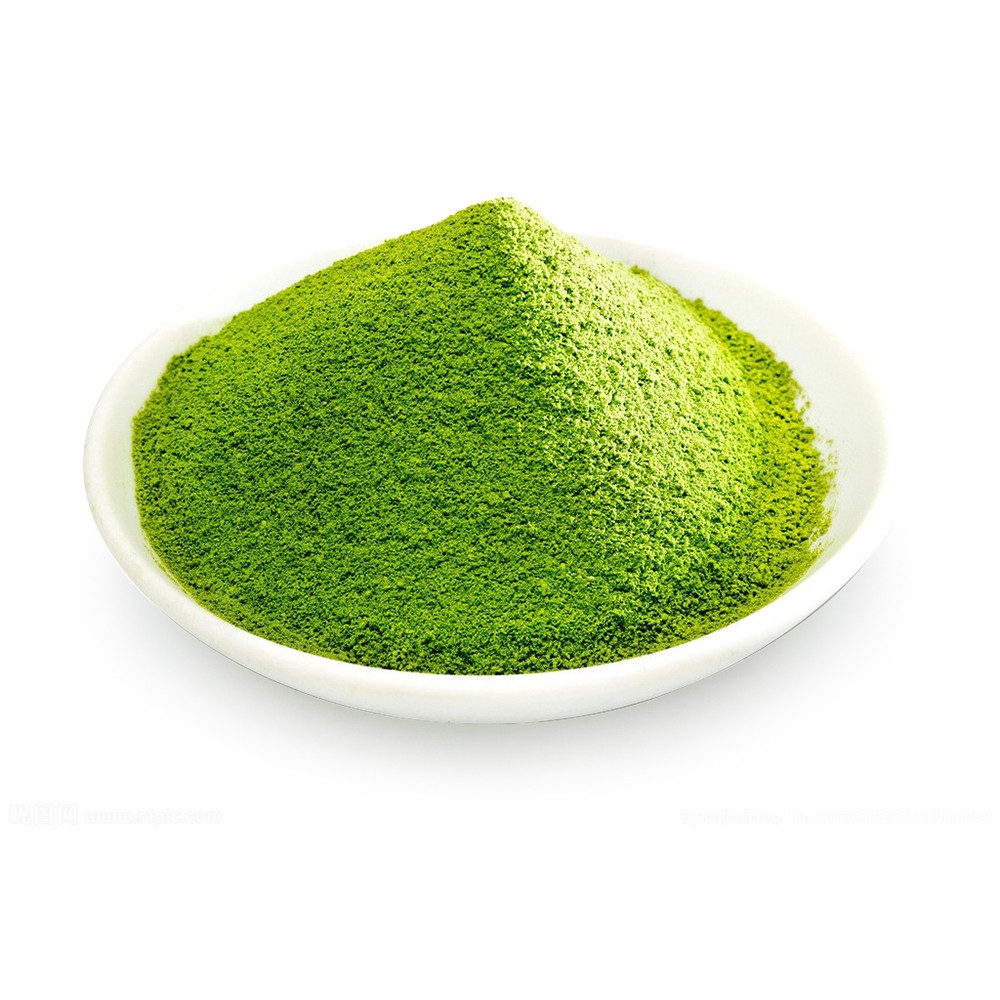
This article compares three matcha devices (granite/black gold stone mills, ball mill) & their params, aiding selection for mid-end, high-end, industrial matcha.
Read More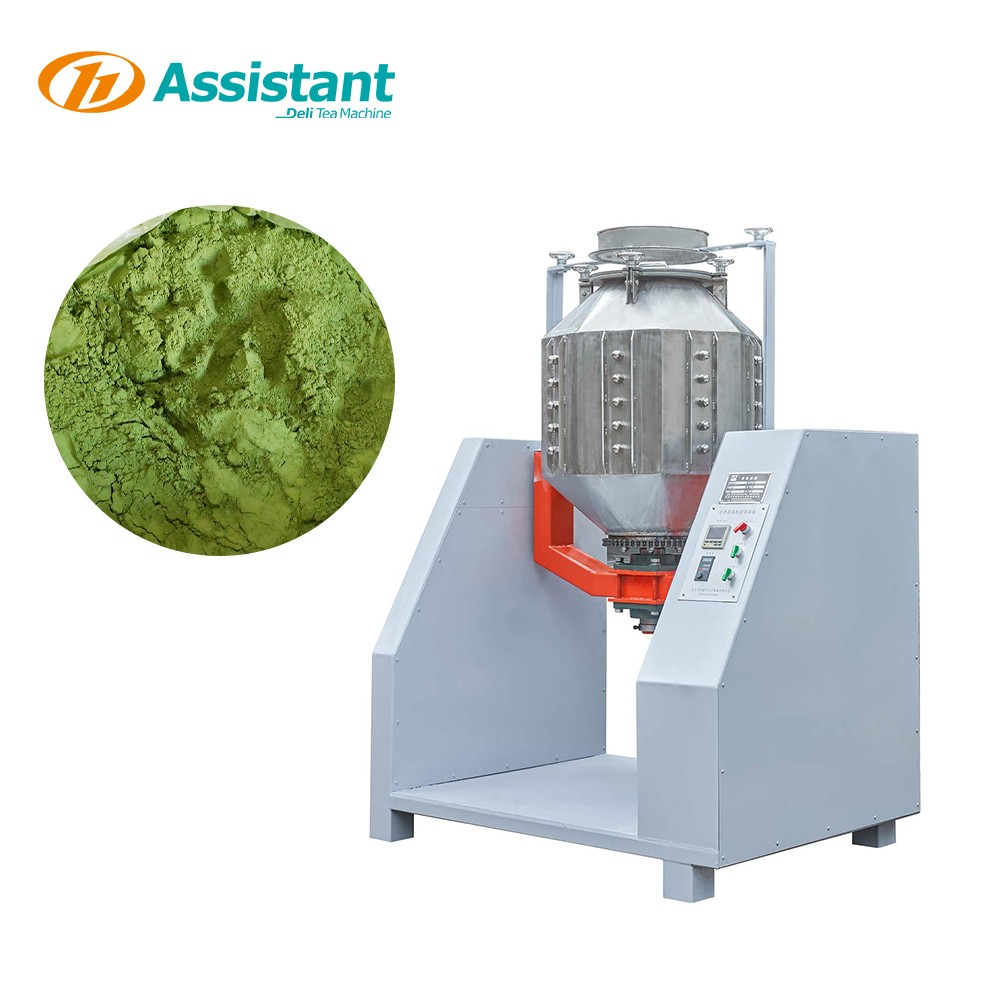
This blog does not say two basic Matcha production processes (stone frilled and ball mills) and three main machines (granite stone mills, black gold stone mills, black gold stone mills, black gold stone mills, black gold stone mill and ball mill) are multi-dimensional comparison. Matcha manufacturers and enthusiasts help to choose the most suitable equipment, but also a small bulk-premium production and professional parameters and practical concepts for large-scale industrial needs.
Read More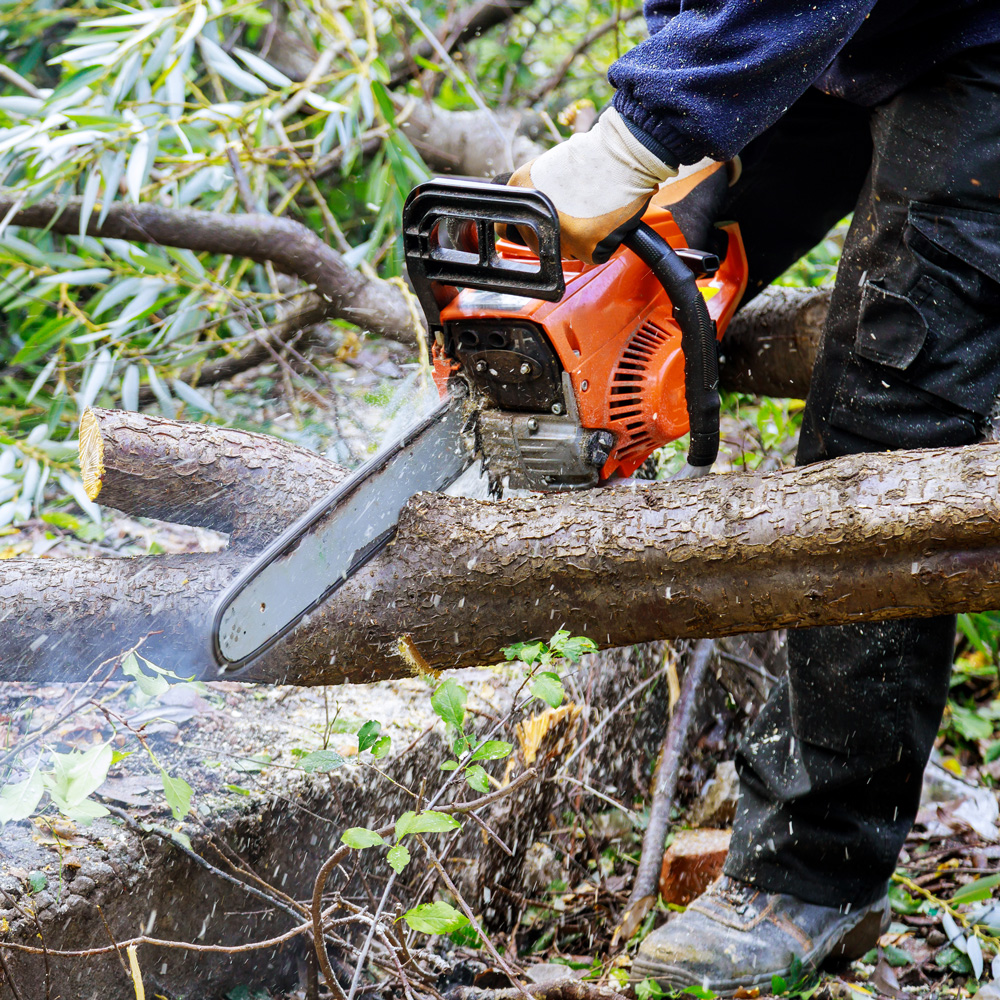
Discover the ideal garden pruning tool! Compare manual shears, hand saws, small electric chainsaws with the 24 Inch 58cc Gasoline Chainsaw GN5800. Explore its power, durability & versatility for efficient pruning.
Read More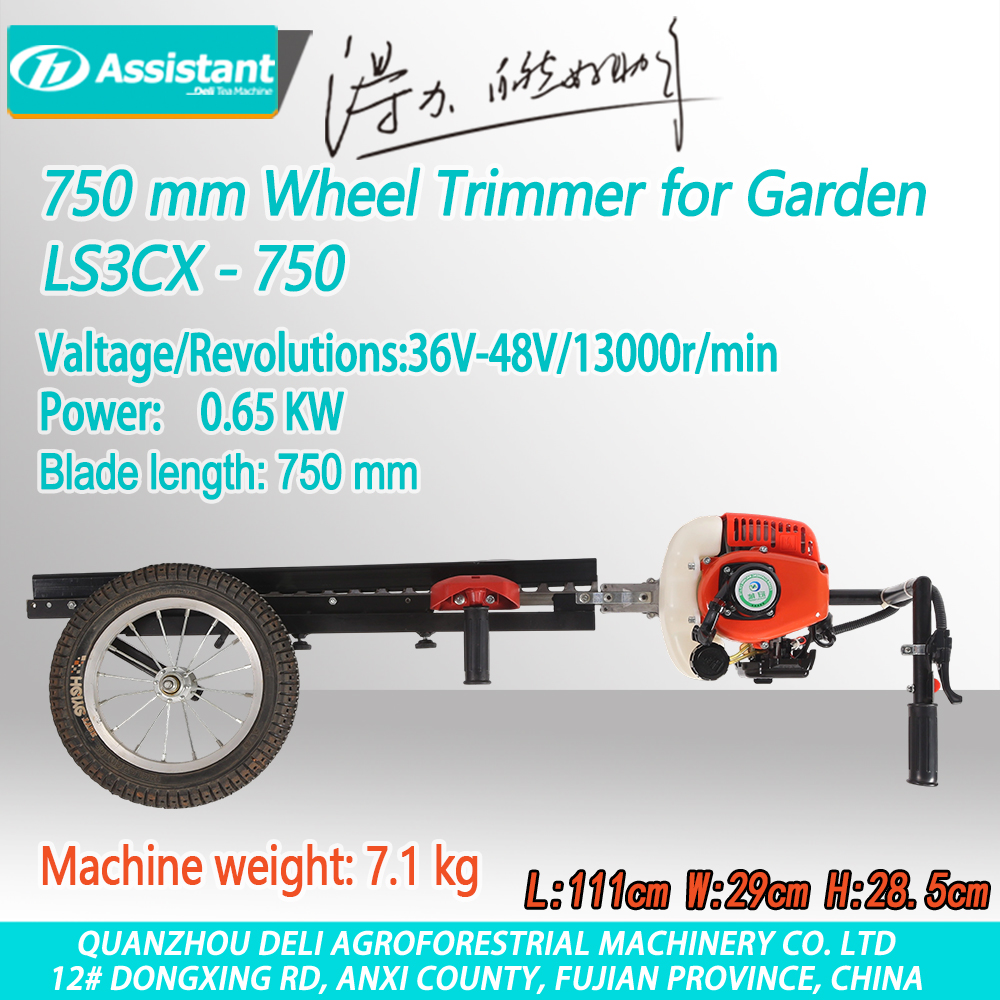
When maintaining tea gardens, selecting the right trimmer is crucial for productivity, terrain adaptability, and operational cost. This blog compares key trimmer types—from single-operator handheld tools to multi-function wheeled machines—evaluating their suitability for different scenarios: small vs large plantations, flat vs hilly terrains, and electric vs gas-powered efficiency. We’ll also highlight the LS3CX-750 High Efficiency Wheel Trimmer as a versatile solution that bridges performance and adaptability, ideal for modern tea garden management.
Read More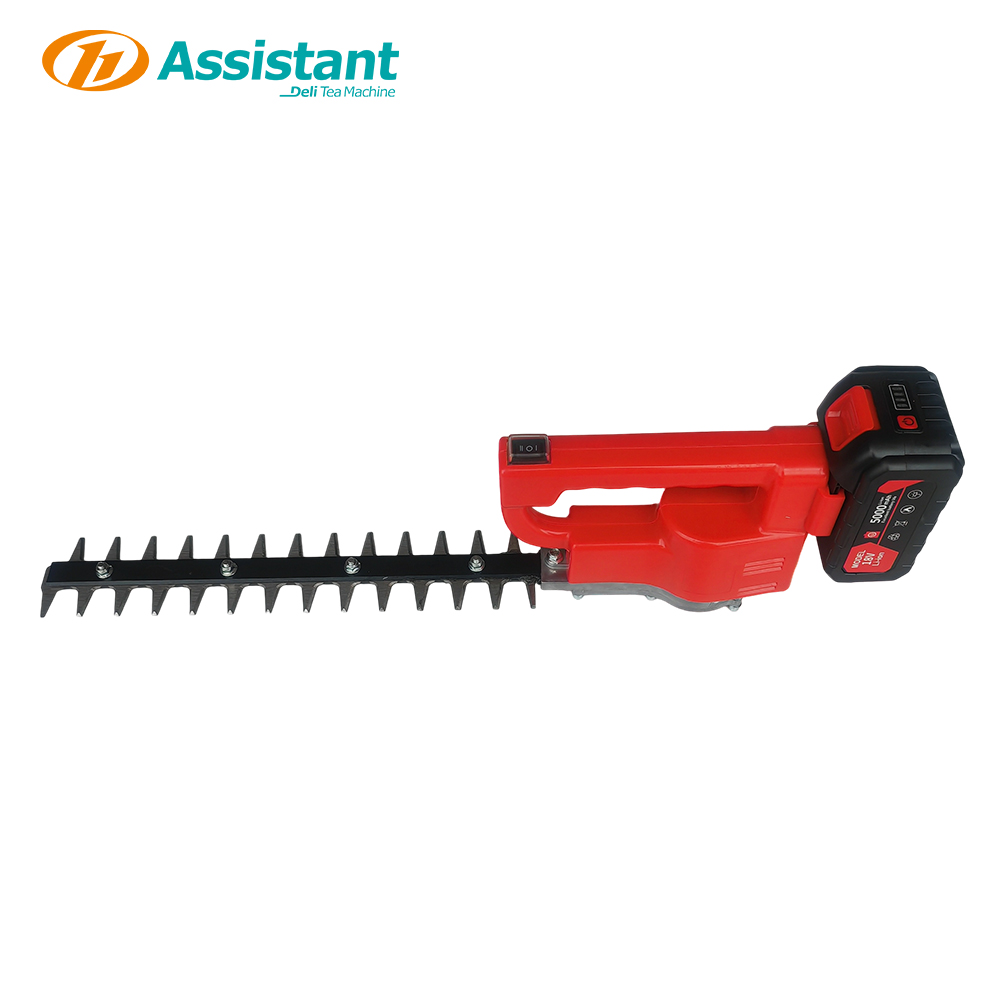
Discover the unique tea picking techniques for various tea types, from green tea to dark tea. Learn how the 21V Electric Lithium Battery Hand Tree Hedge Trimmer Double Blade 3CX-30D can enhance your tea picking efficiency.
Read More
Explore the last high black tea types of black tea launched in 2025. Learn about the unique origin and taste profiles that are perfect for tea connoisseurs looking for nomel delights.
Read More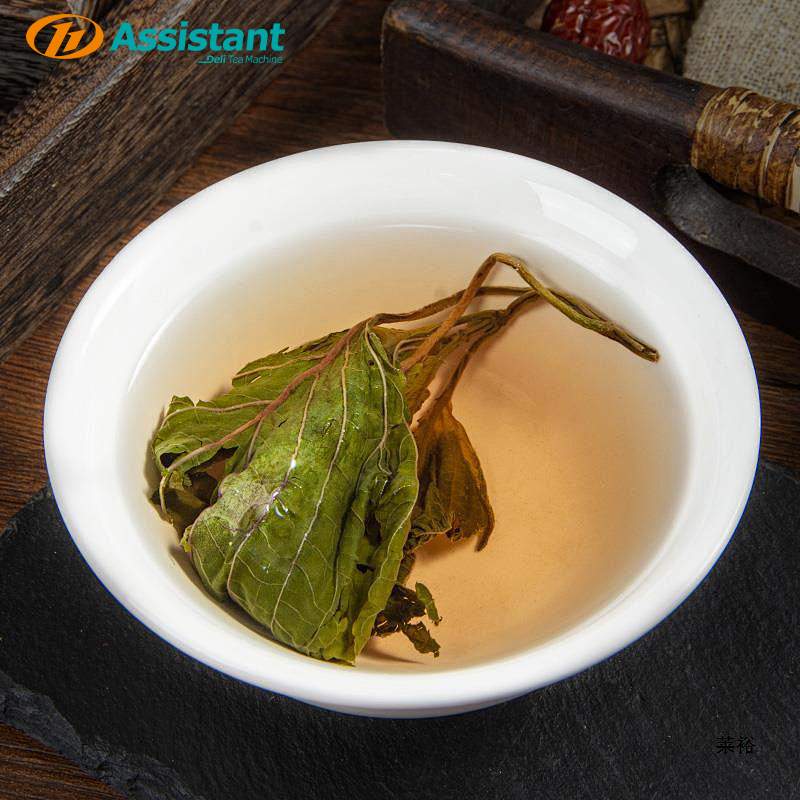
This article outlines key machines in high-end orthodox tea processing, detailing their roles: pluckers for precise leaf harvesting, withering units for controlled moisture reduction, rolling machines for gentle leaf twisting, oxidation chambers for flavor development, dryers for moisture control, and sorters for quality grading. It highlights how modern technology balances precision with traditional craftsmanship to elevate tea quality.
Read More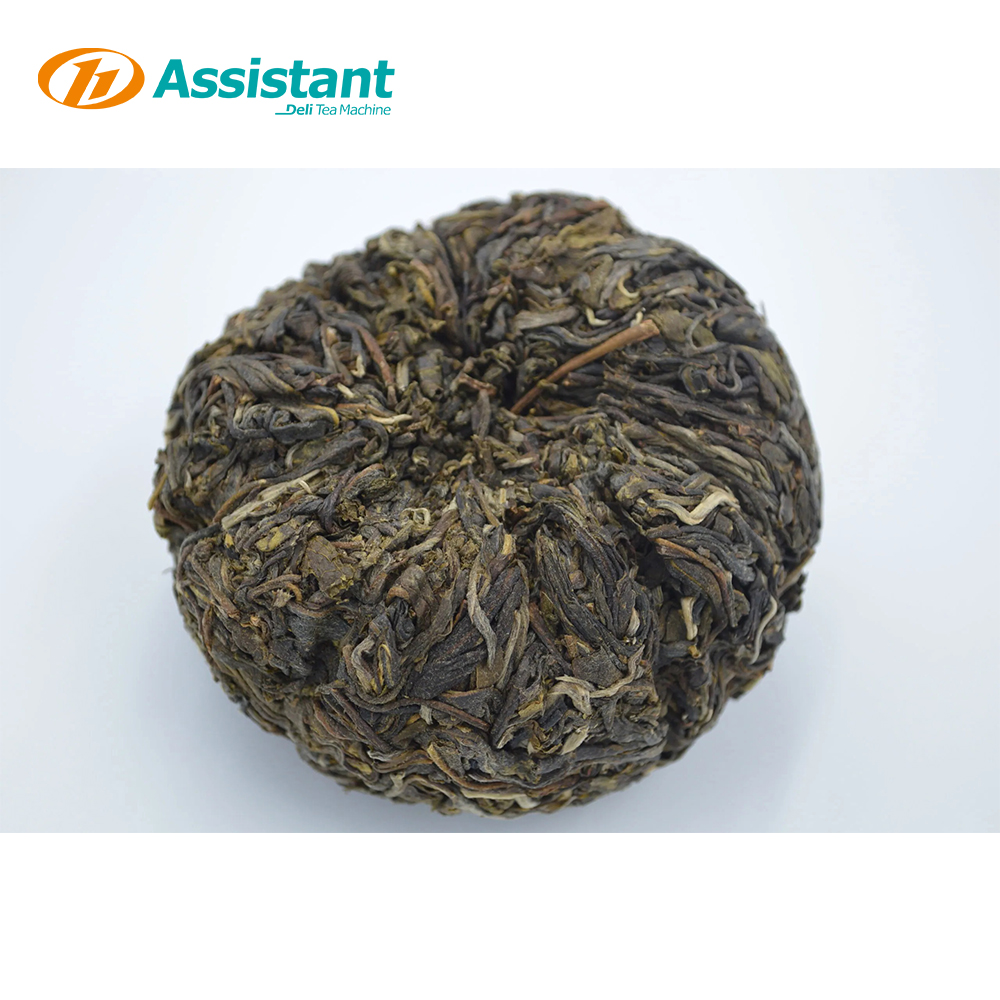
The tea gardens are distributed in the mid-mountain forest area. Some tea trees have a base circumference of 80-90 cm and are picked using traditional natural methods. After hundreds of years of growth, the tea trees exhibit 嶙峋 (strange and rugged) and unique shapes, resembling lying dragons or spreading birds' wings, making them convenient for climbing and picking while also having ornamental value.
Read More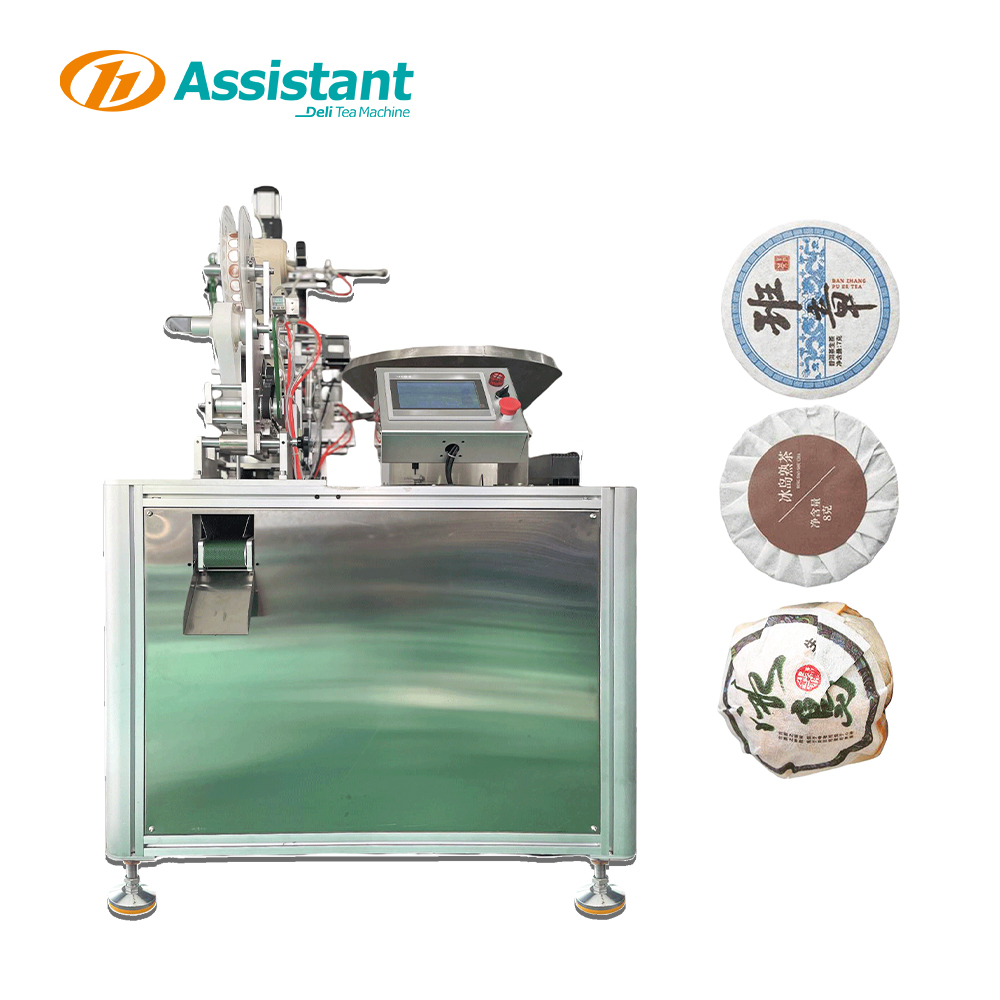
Explore the world of round tea cake packaging machines and learn how these innovative devices can revolutionize your tea packaging process. From high-speed automation to precise filling and sealing, discover the key features, benefits, and applications of these machines in the tea industry
Read More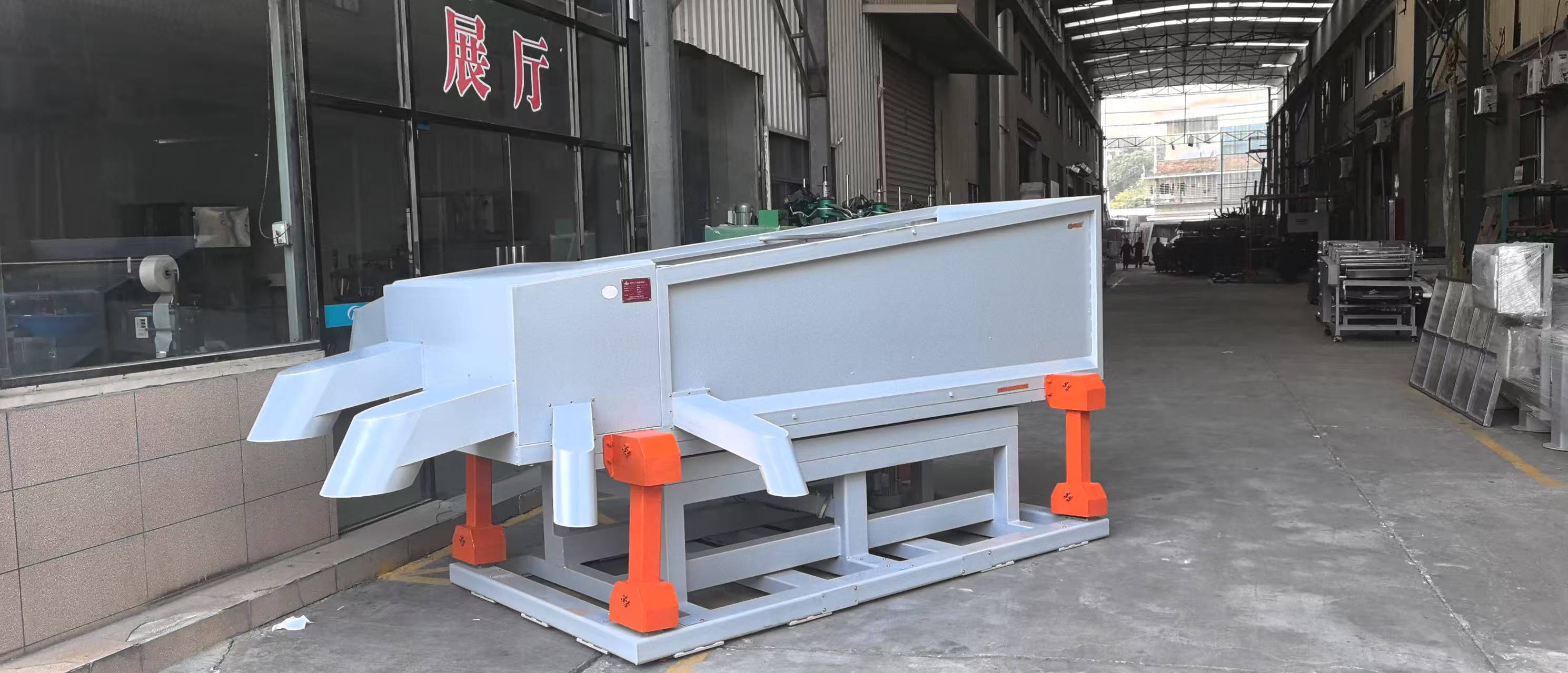
Tea sorting machine is a key step in tea quality control, which directly affects the appearance, taste, hygiene and market value of tea. Different types of tea will use appropriate screening methods to achieve the best results.
Read More