





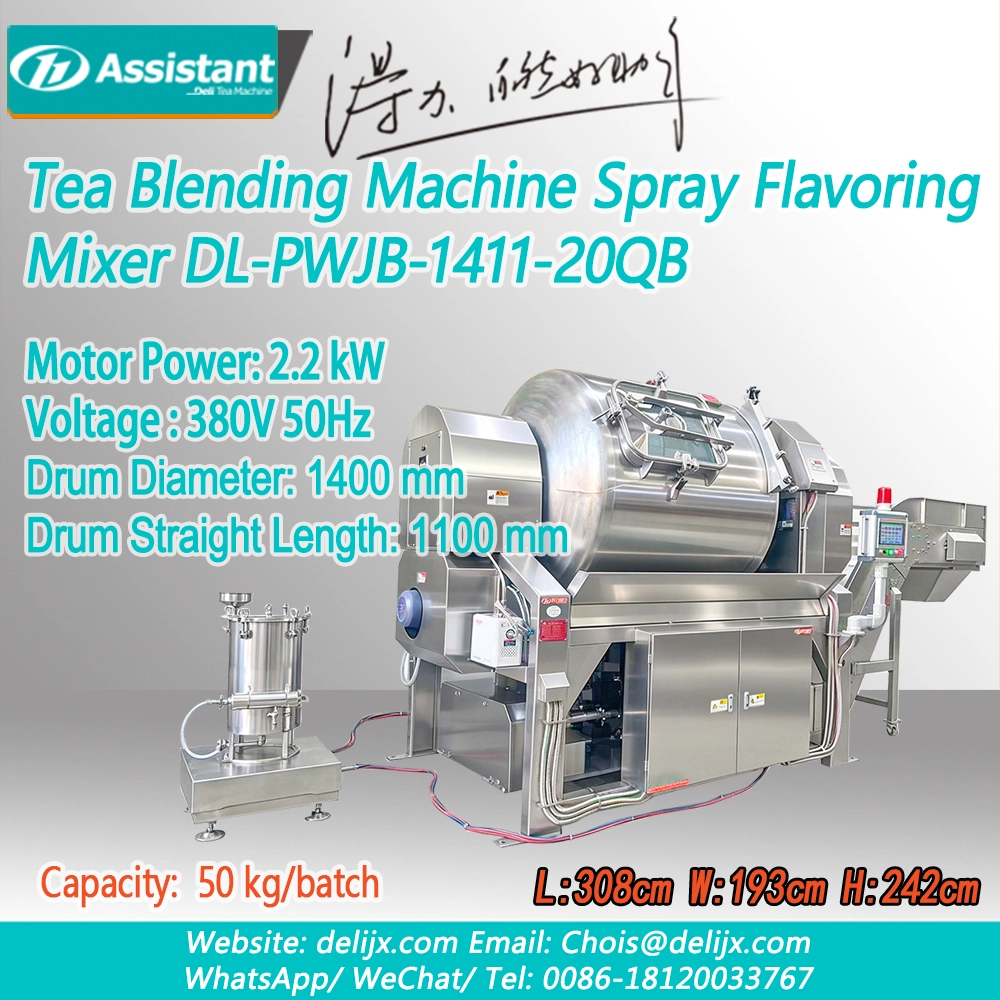
This DELI ASSISTANT spray mixer is a dual-function tea blending & aroma spraying machine, used for homogenizing tea piles and atomized flavor adding in tea factory production, with 1400mm drum, 2.2kW motor and 380V power supply.
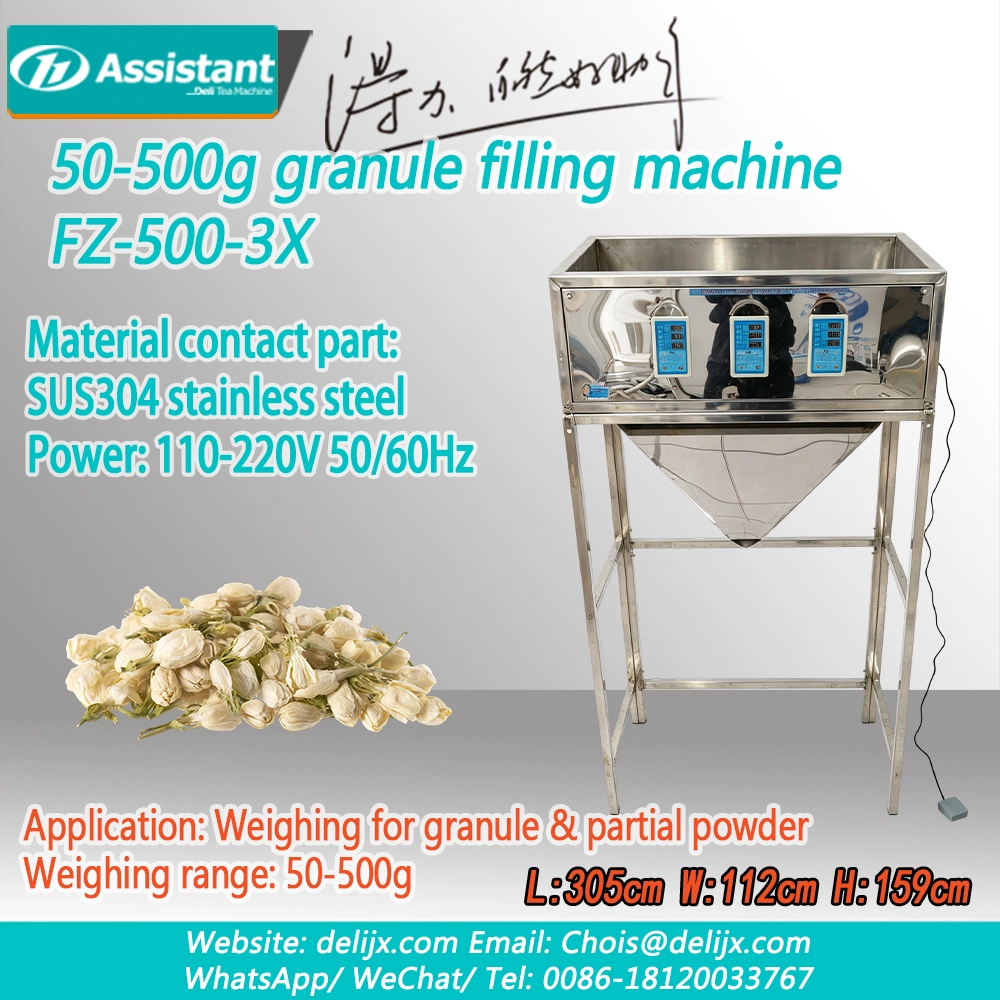
FZ‑500‑3X Automatic Quantitative Filling Machine 50‑500g Granule Powder Weighing Dispenser For Tea Grain Coffee Bean
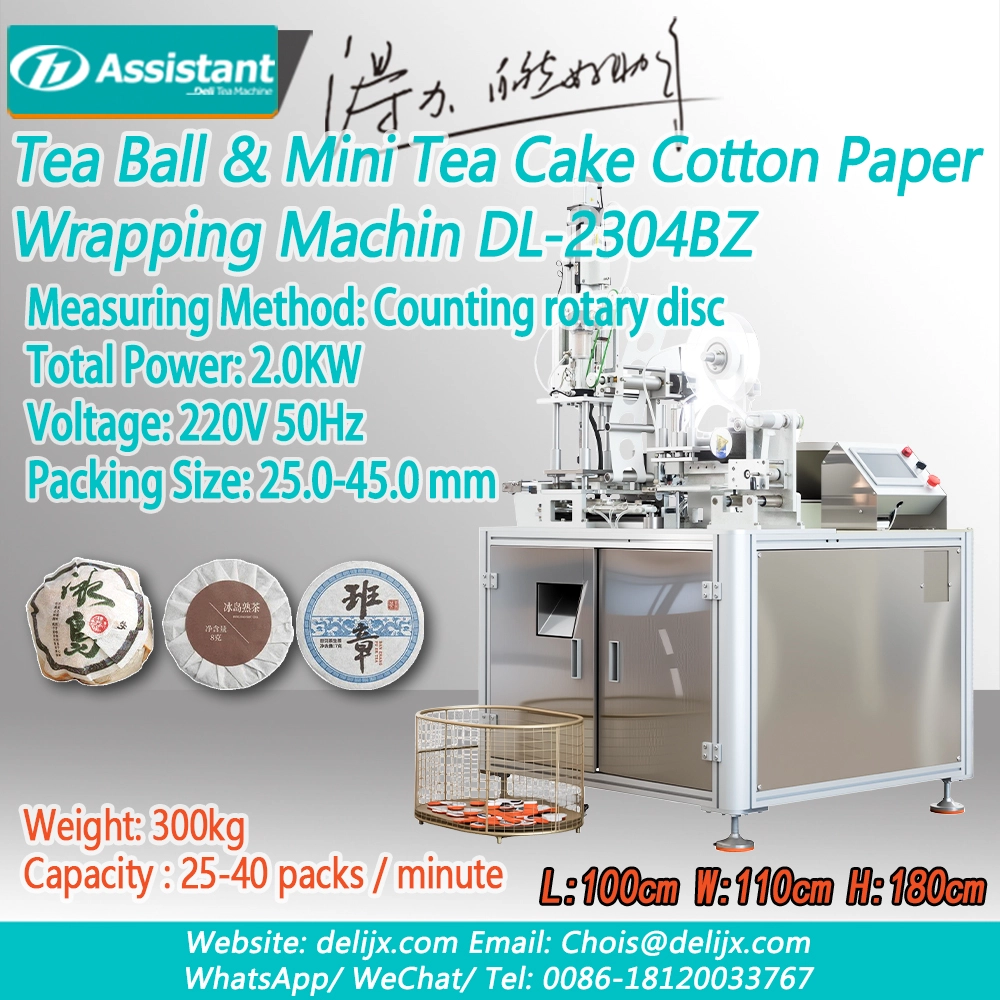
Automatic cotton paper wrapping machine for Pu‑er dragon pearl tea and mini tea cake. PLC control, 25‑40 pcs/min speed, one‑key switch for tea ball & small cake, stable pneumatic‑servo operation for compressed tea packaging.
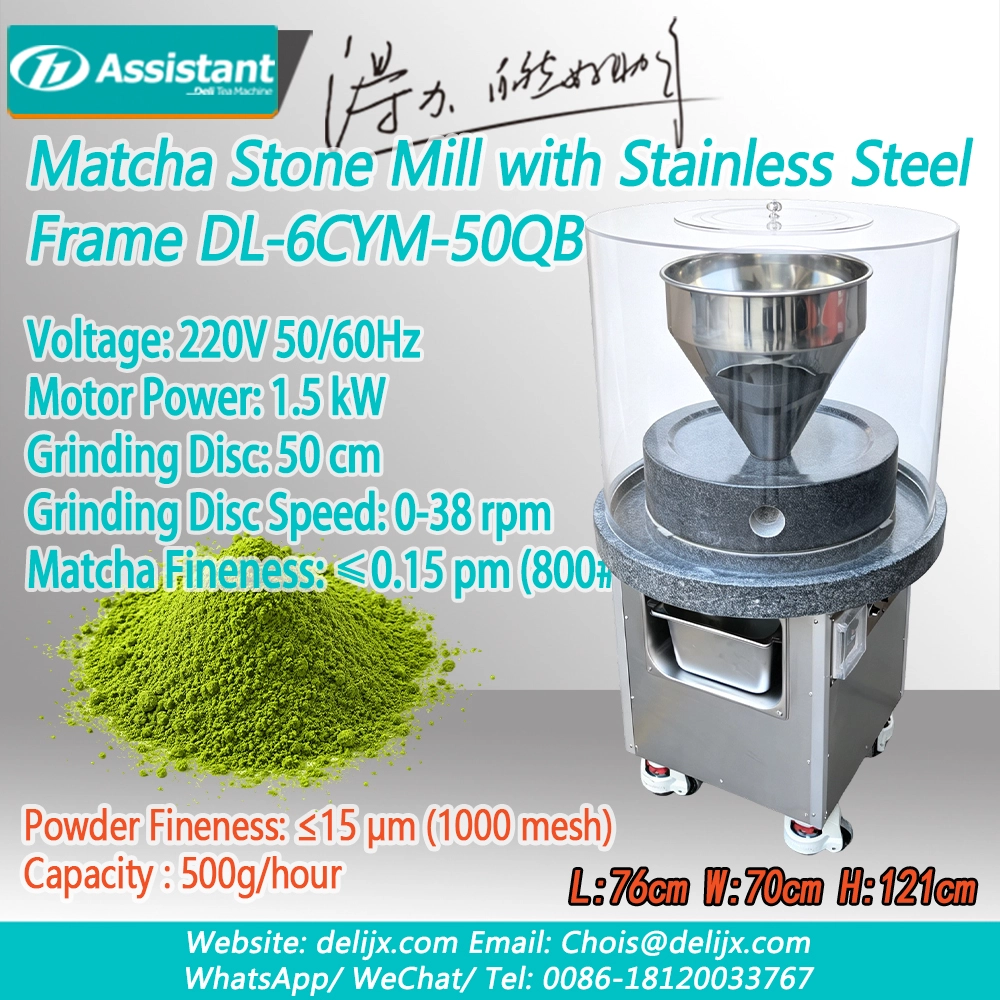
6CMJY-50QB stainless steel custom base matcha green stone mill, natural granite stone plate, low-speed cold grinding. Preserve tea aroma, produce ultra-fine matcha powder. Stainless steel frame with casters, suitable for tea shops, labs and small-batch matcha production.
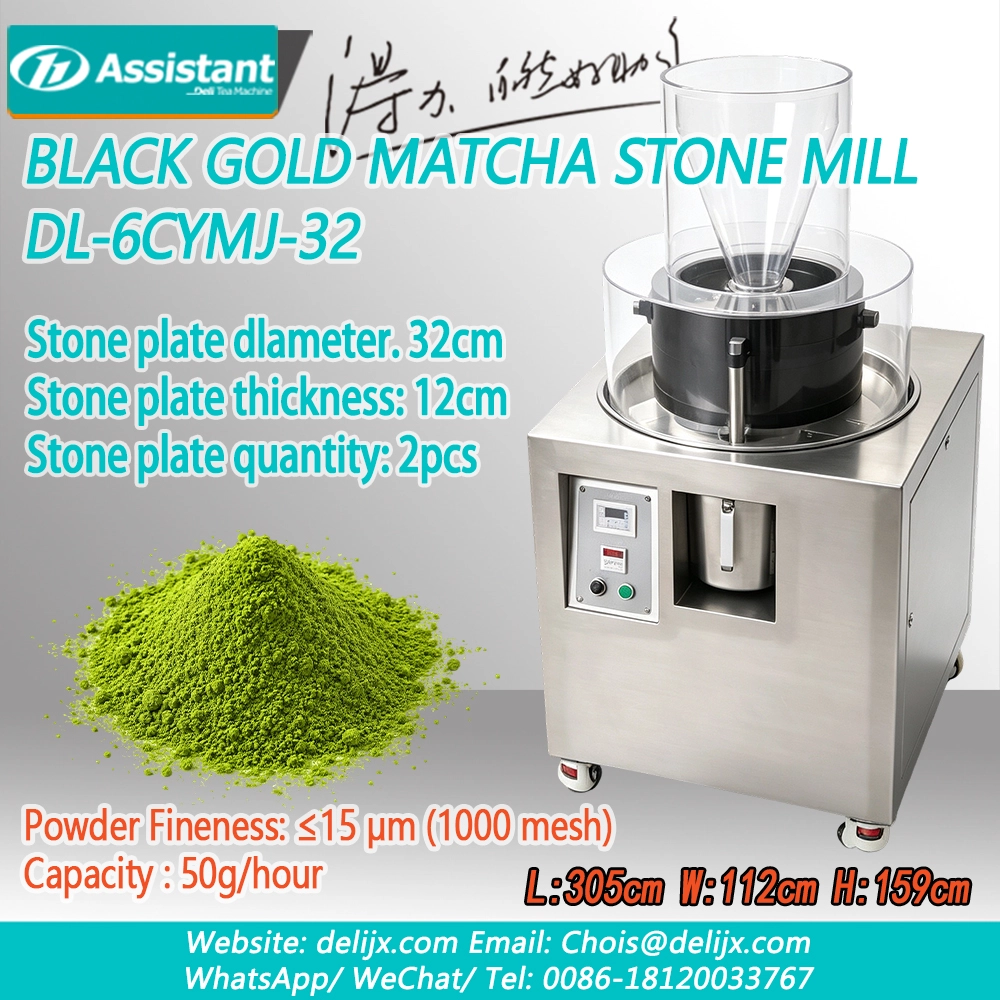
Custom heightened small matcha stone mill DL-6CYMJ-32M, equipped with 30cm natural stone plates. Low-speed low-temperature grinding, produce ultra-fine matcha powder ≤15μm. 50g/h capacity, stainless steel body, ideal for boutique tea shops & small-batch matcha production.
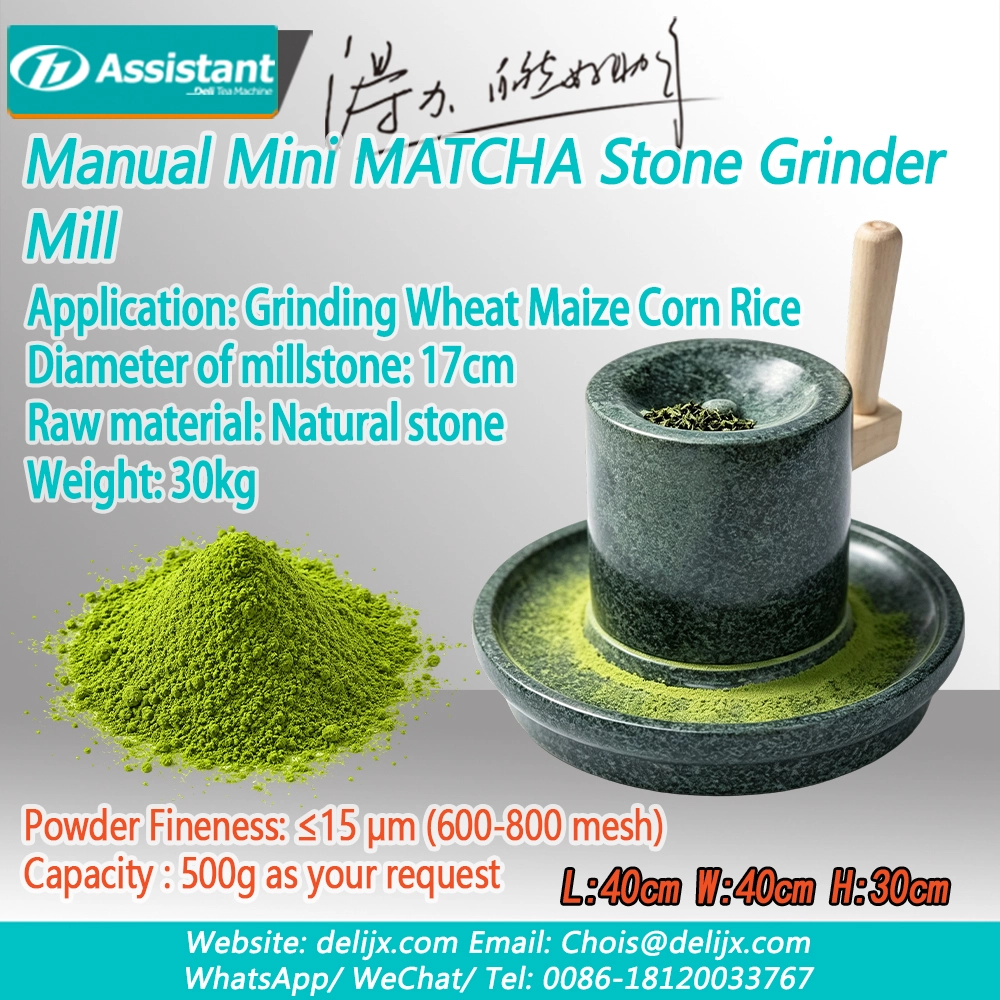
Manual Matcha Stone Mill is a traditional hand-operated grinder made from natural stone, designed for producing fresh and authentic matcha powder. With a slow grinding process and low heat generation, it helps preserve the natural color, aroma, and flavor of tea leaves. Compact and durable, it is ideal for matcha cafes, tea houses, restaurants, cultural experience shops, and small-batch matcha production.
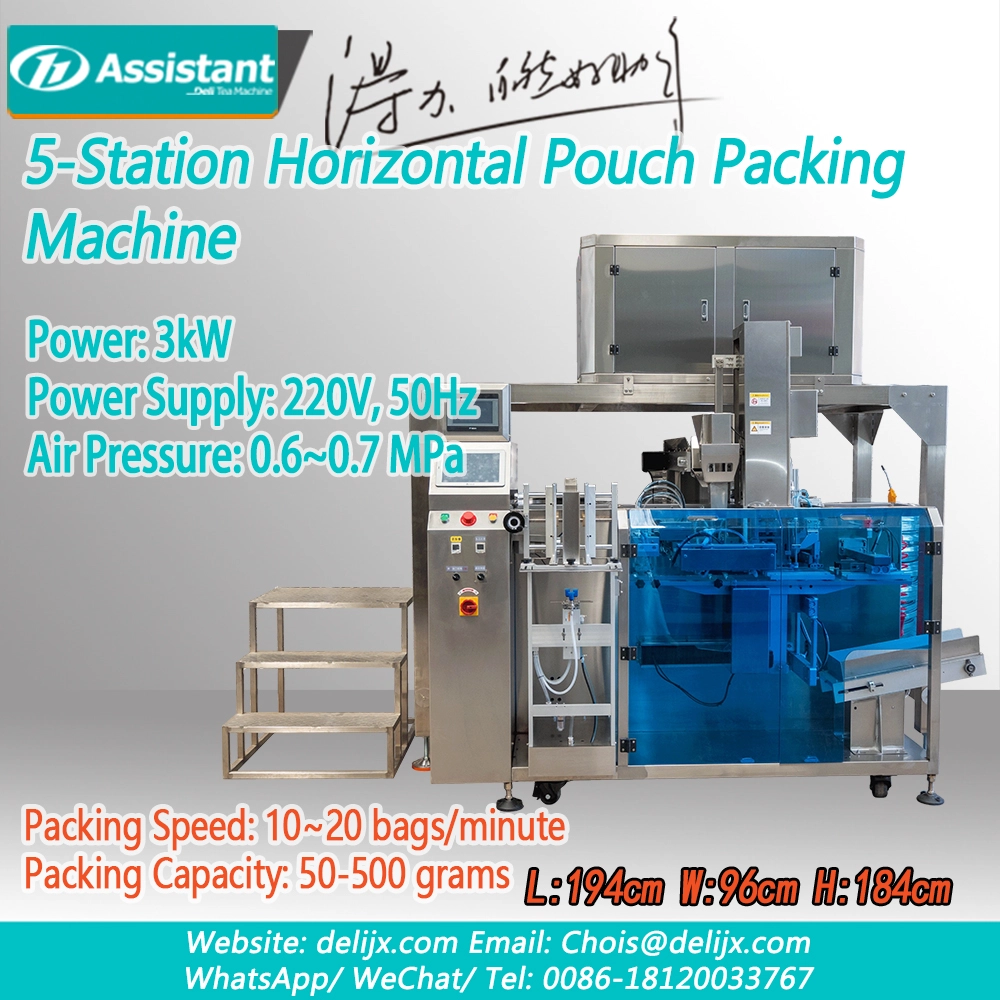
This 5-station horizontal pouch packing machine handles M bags, flat pouches and zipper pouches for 50–500g granular materials like tea. It automatically finishes weighing, filling, vacuuming and sealing with servo control, supporting multiple optional accessories.
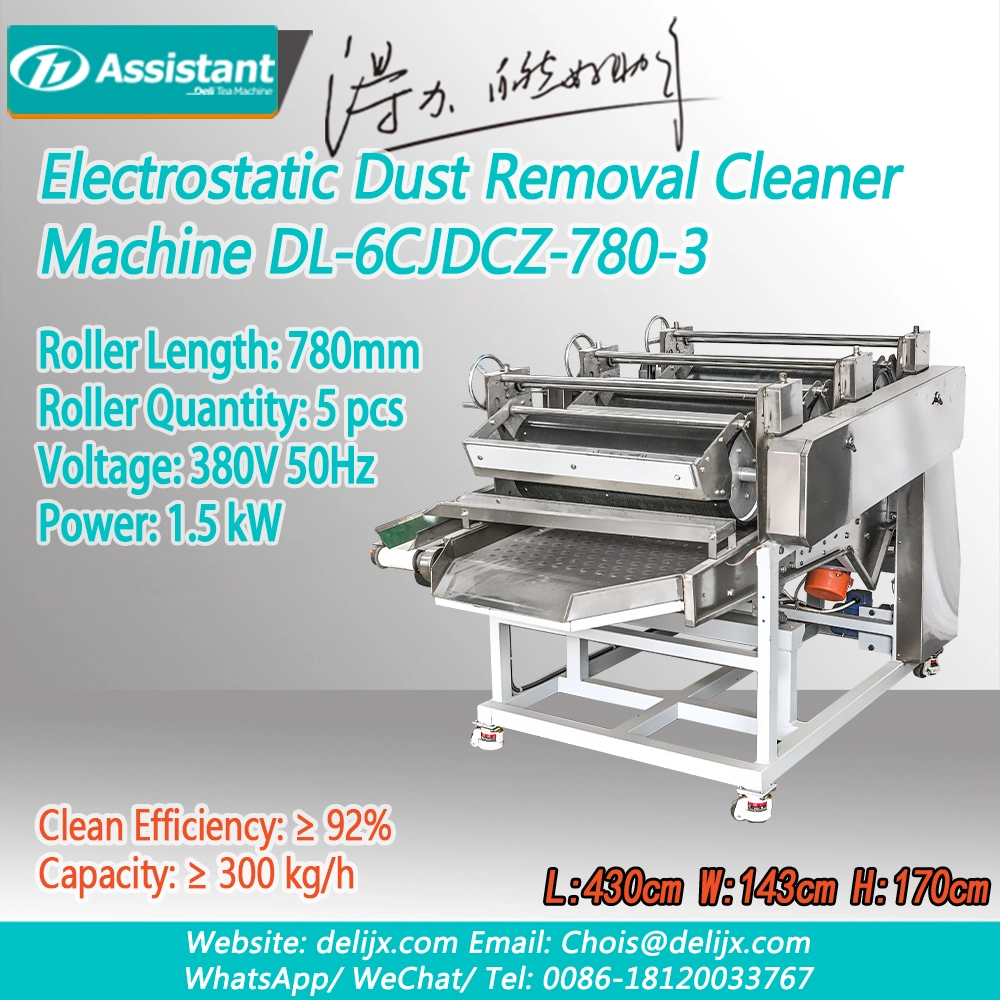
The electrostatic cleaner adsorption generated by 4-10 electrostatic rollers extracts impurities in the tea, such as hair, broom bristles, tea fluff ash, thatch, woven bag silk, plastic scraps, iron filings, etc.
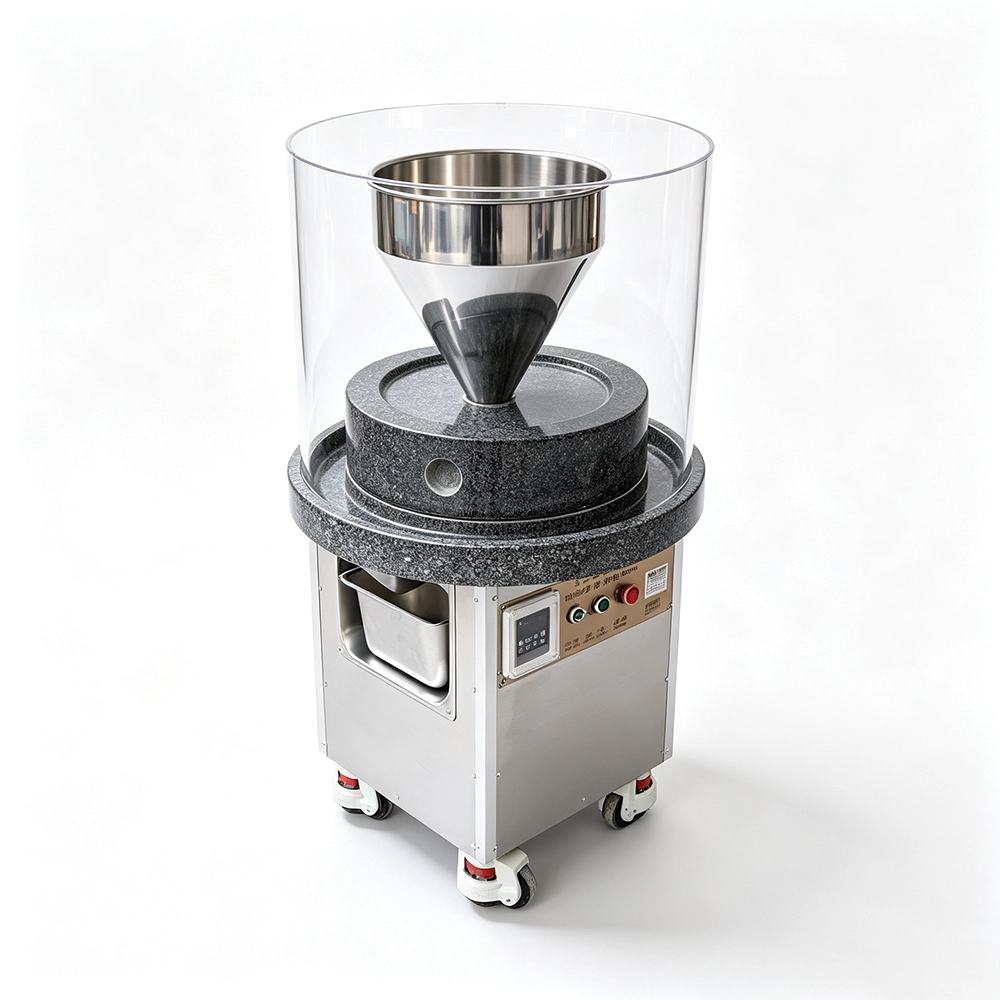
Looking for the right matcha grinding equipment? Read our in-depth comparison of 4 matcha grinders, including Black Gold Stone Mills, Blue Stone Mills, Batch Ball Mills, and Continuous Ball Mills. Learn their efficiency, particle size distribution, and ideal applications.
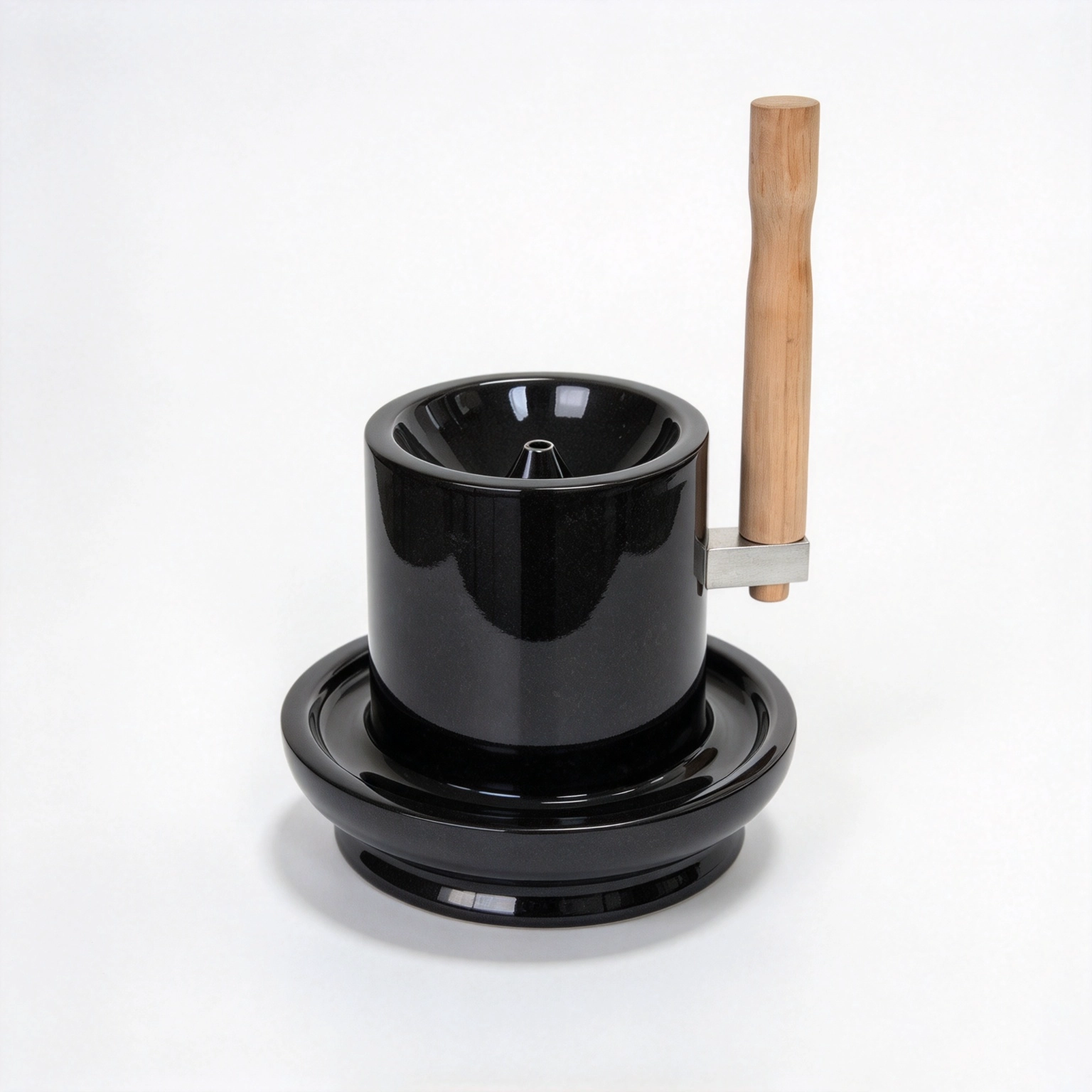
Experience the true flavor of freshly ground matcha. Our mini black stone manual matcha mill brings traditional Japanese stone grinding craft to your home, hand-cranked for fine, aromatic matcha powder.
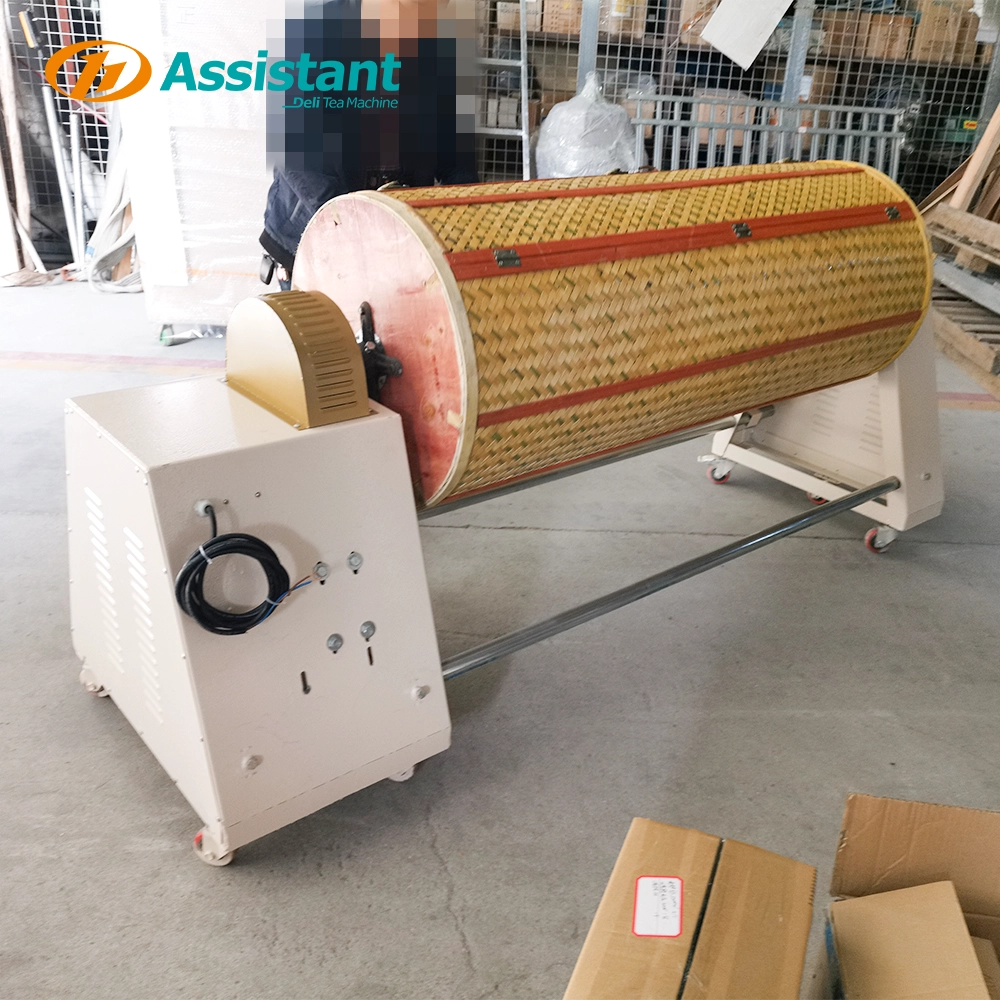
Our bamboo drum oolong tea shaking machine, also known as tea leaf shaker, simulates manual tea shaking to achieve uniform leaf oxidation. Multiple models available for small & large tea factories, stable speed control for premium oolong tea production.

Our DL-6CYMJ-32W stone mill grinder is specially designed for processing matcha and tea leaves. It adopts natural stone plates & SUS304 stainless steel frame, capable of producing ultra-fine tea powder up to ≤15μm (800 mesh). With adjustable rotating speed and automatic operation, it is ideal for tea factories and food workshops. We will introduce its specifications, core advantages, operation workflow and daily cleaning tips below.
In the realm of premium tea production, precision machinery has revolutionized traditional techniques while preserving artisanal quality. Here’s a breakdown of key machines and their roles in crafting high-end orthodox tea:
High-end tea starts with selective leaf picking. Modern pluckers use adjustable blades to target specific leaf-and-bud ratios (e.g., one bud and two leaves), crucial for flavor balance. Features like vibration sensors and gentle gripping mechanisms minimize leaf damage, ensuring intact cell structures for optimal oxidation.
These climate-controlled chambers mimic natural withering by regulating temperature, humidity, and airflow. Stainless-steel trays or conveyor belts move leaves to evenly reduce moisture content from 75% to 55%. Key traits: humidity sensors, programmable cycles, and low-temperature airflow to prevent premature oxidation.
Cylindrical rollers or rotorvane machines gently twist leaves to break cell walls, releasing enzymes and essential oils. Orthodox tea rollers use slow, pressurized rotations (15–30 rpm) to maintain leaf integrity, unlike crush-tear-curl (CTC) machines. Features include variable pressure controls and non-stick surfaces to avoid bruising.
These sealed units optimize oxidation—the core of black tea flavor. Temperature (22–28°C) and humidity (85%) are precisely managed via digital controls. Some chambers use automated turning systems to ensure uniform oxygen exposure, yielding consistent color and aroma profiles.
Hot-air dryers or fluidized beds rapidly reduce moisture to 3–5%, halting oxidation. High-end models feature multi-stage heating (e.g., 90°C initial blast followed by 60°C curing) to preserve volatile compounds. Key features: infrared moisture sensors and quick-release trays to prevent over-drying.
Color sorters with optical sensors remove discolored leaves, while vibrating sieves classify tea by particle size (e.g., OP, FOP). Modern systems use AI-powered cameras to detect imperfections, ensuring only uniform, visually appealing leaves make the cut.
By merging traditional expertise with technological precision, these machines elevate orthodox tea to artisanal heights—proving that innovation can honor heritage while delivering unparalleled quality.