I. 3 Core Differences: Real Matcha vs. Fake Matcha
1. Raw Materials: Shade-Grown vs. Sun-Exposed
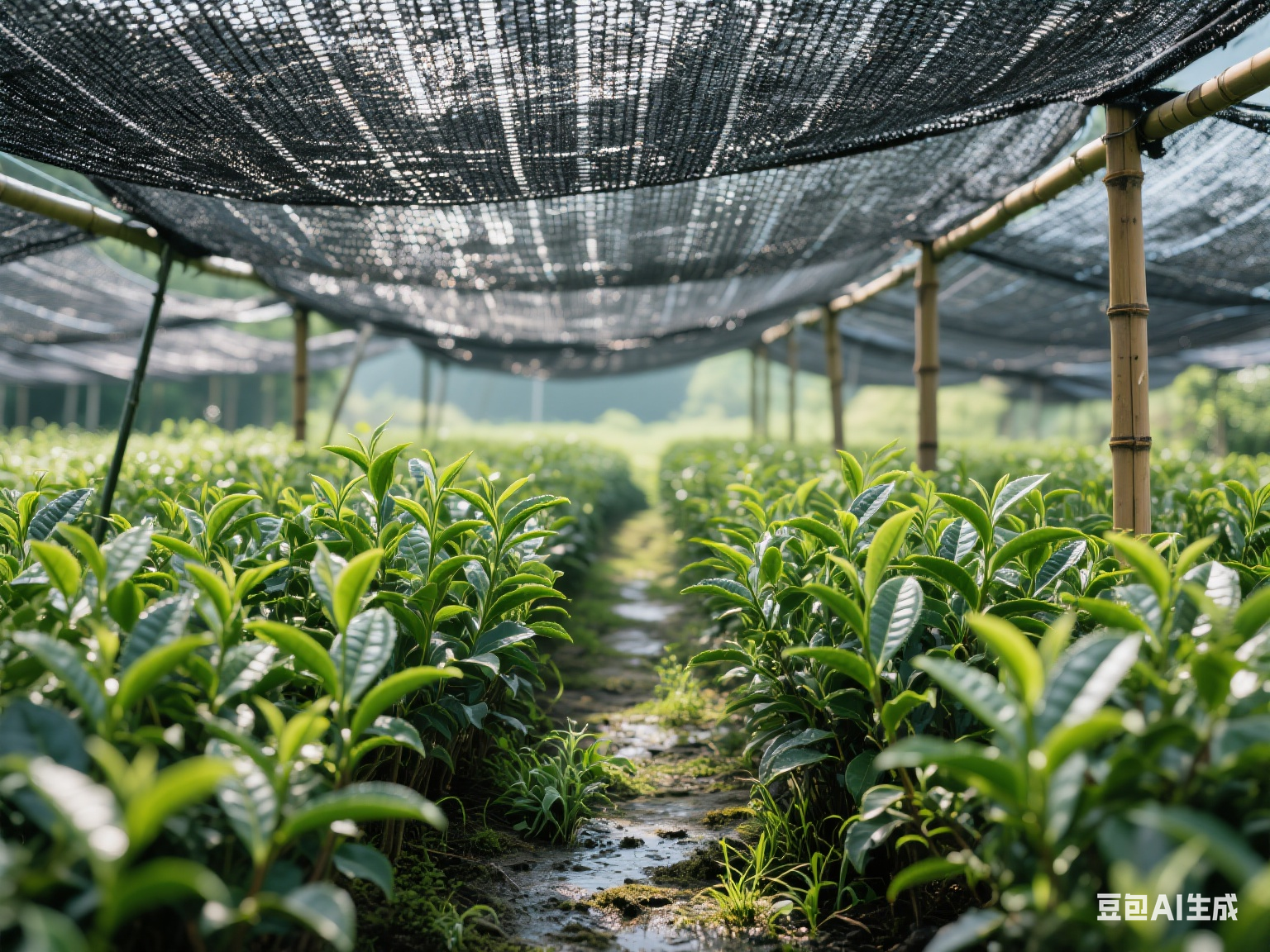
Real matcha starts with tencha leaves, which are shaded for 20-30 days before harvest . This process boosts chlorophyll (for vibrant color) and L-theanine (for umami flavor), creating nutrient-dense leaves . Farmers in Uji, Kyoto, and Nishio even use bamboo mats to control sunlight .
Fake matcha uses ordinary green tea leaves (like sencha or bancha) grown in full sun . These leaves lack L-theanine and have higher catechin levels—setting the stage for bitterness .
2. Processing: Stone-Ground vs. Machine-Crushed
Authentic matcha undergoes rigorous processing:
- Harvested leaves are steamed, dried, and deveined to make tencha .
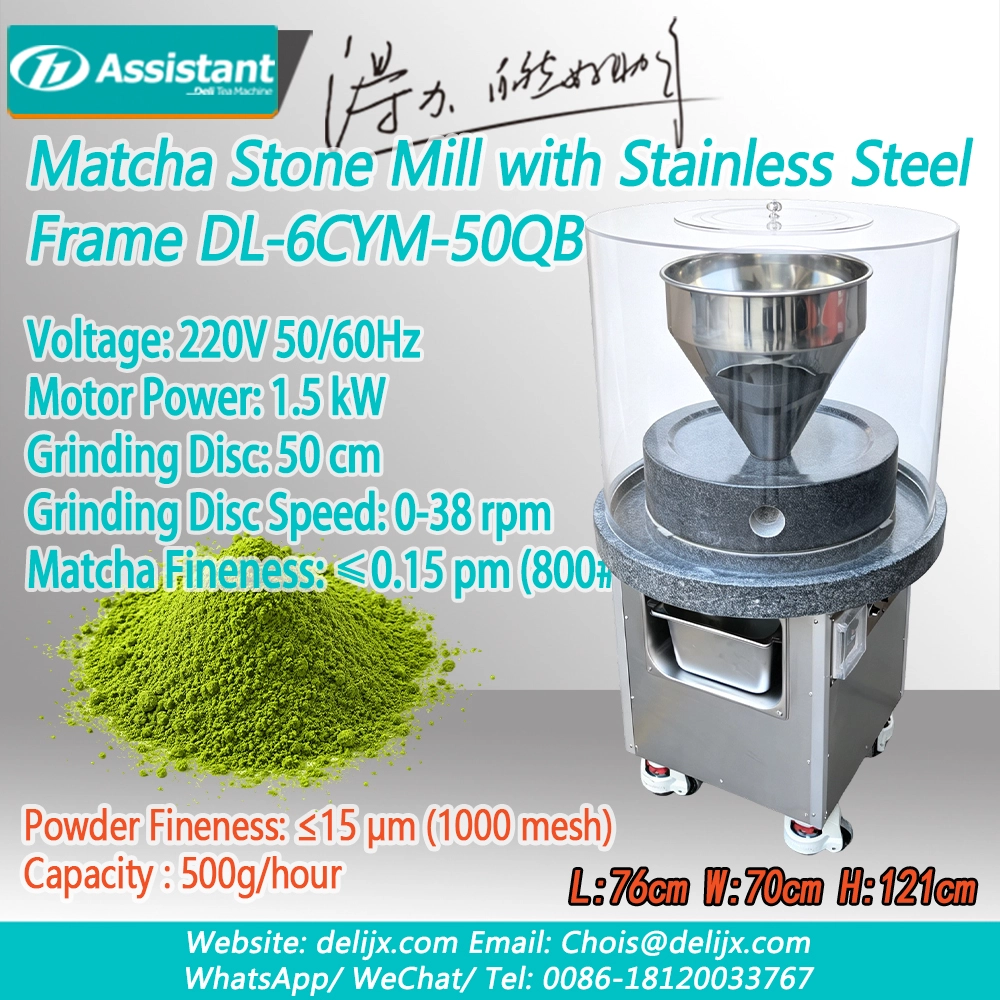
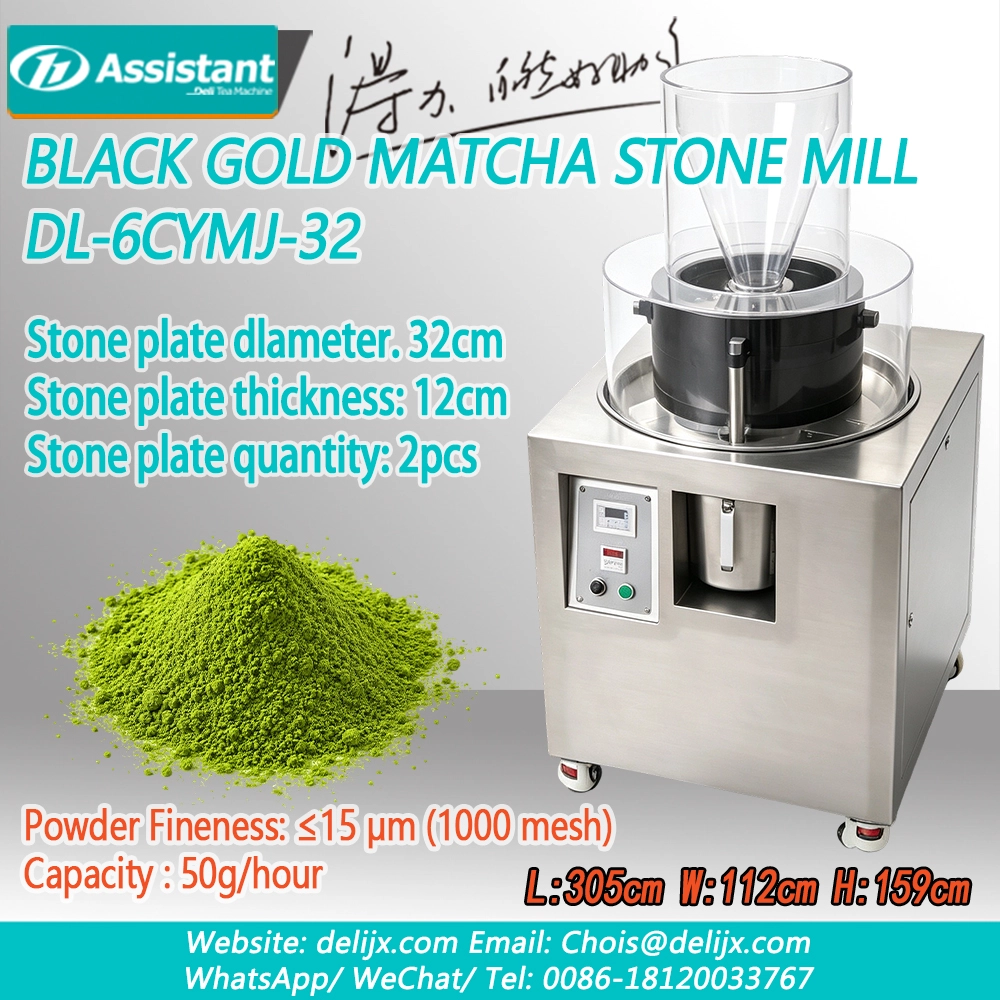
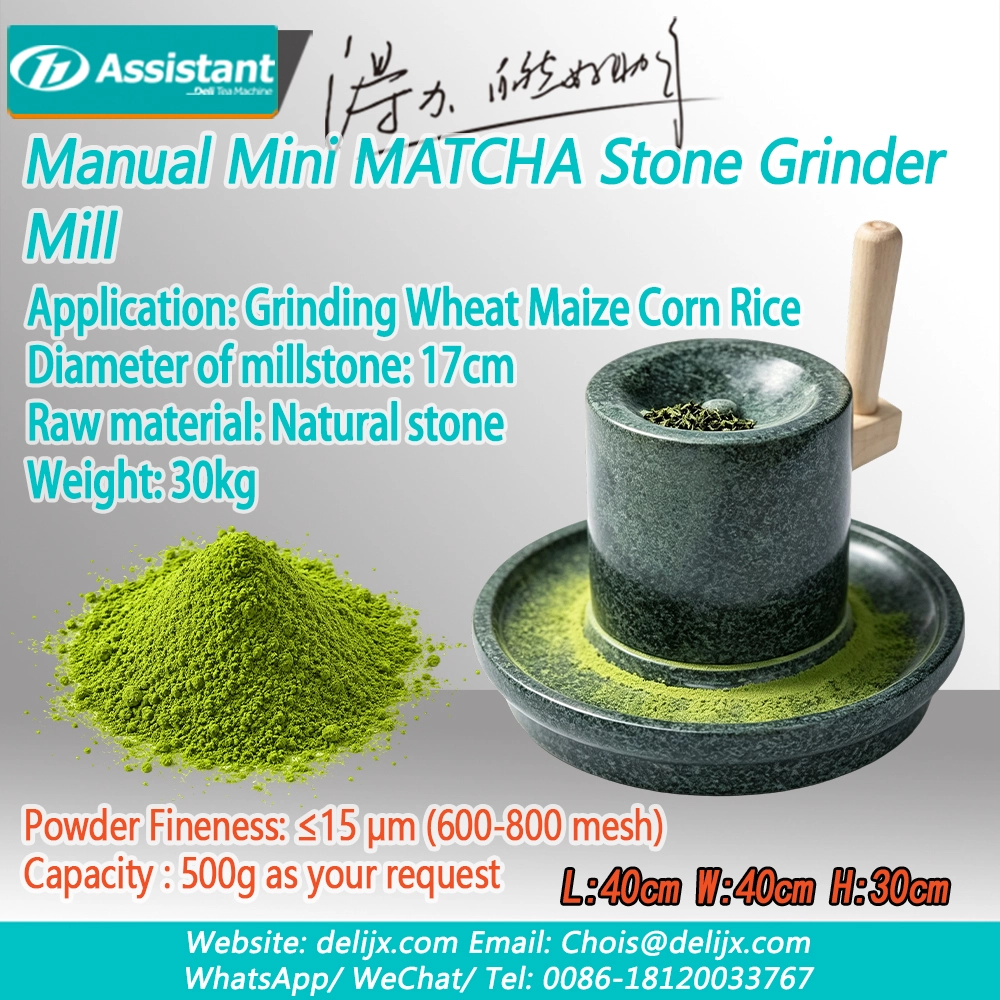
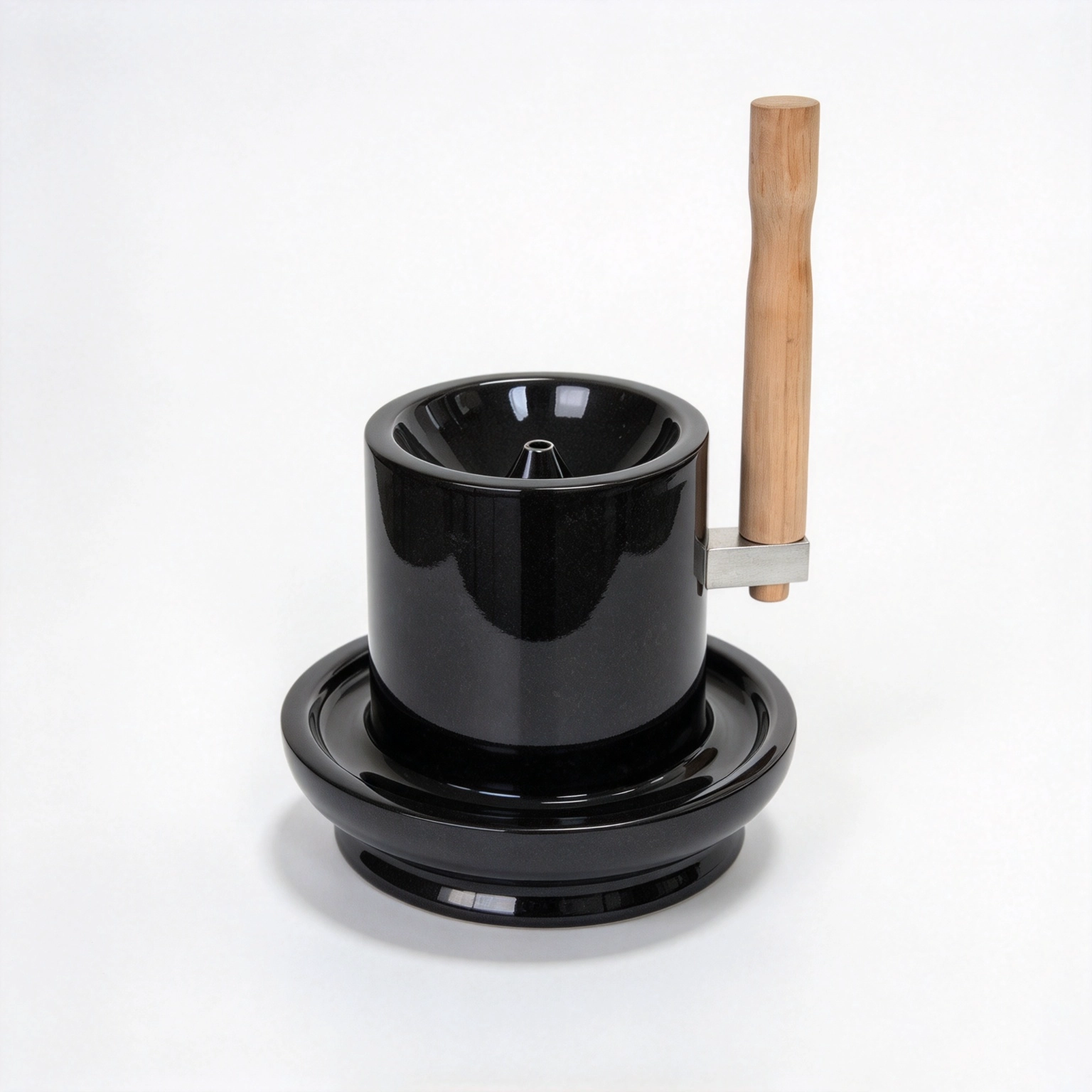
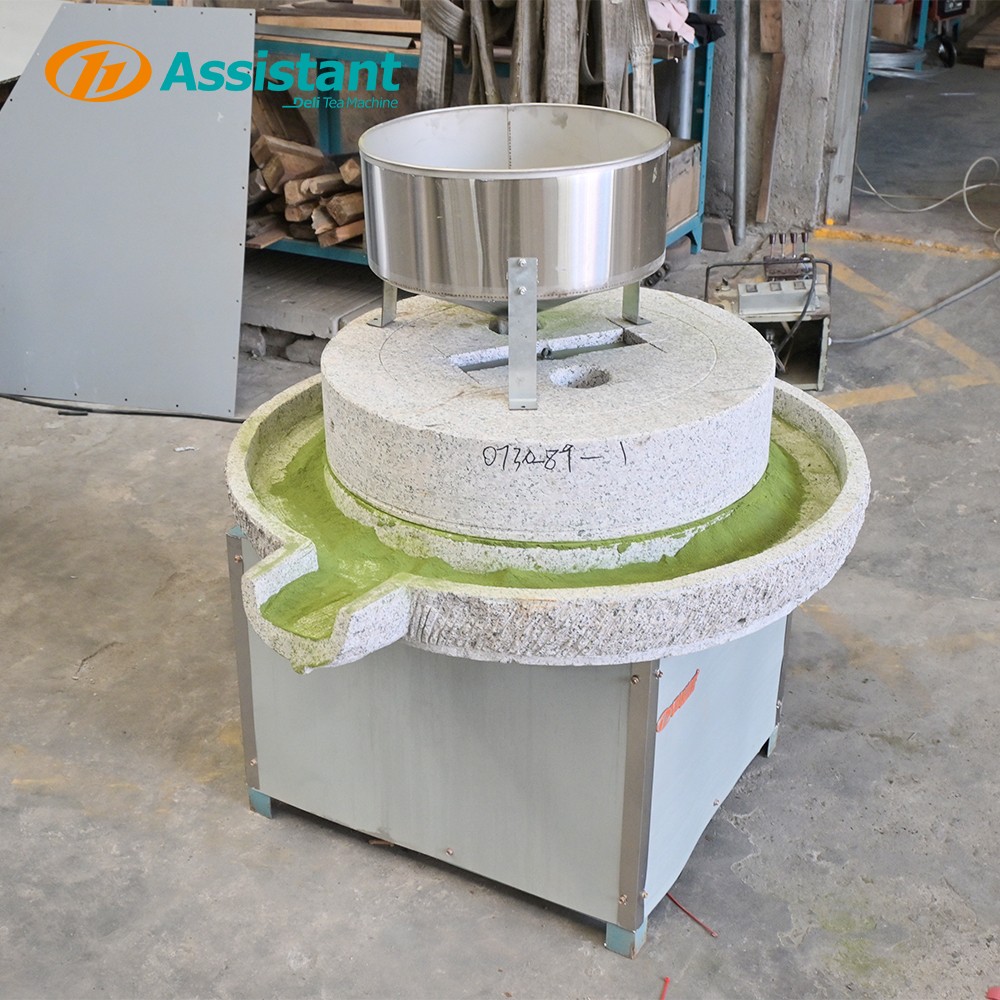
- Tencha is ground with granite stone mills at a slow pace (30g takes 1 hour!) to avoid heat damage . This creates an ultra-fine powder like talcum .
Fake matcha skips these steps:
- Sun-exposed leaves are directly crushed with industrial machines .
- The result? Gritty particles that never dissolve smoothly .
3. Flavor: Umami Rich vs. Harsh Bitter
Real matcha delivers a clean, sweet-vegetal taste with prominent umami . The L-theanine balances caffeine, offering calm energy without jitters .
Fake matcha tastes astringent and bitter . It lacks depth because sun-grown leaves lose umami compounds and accumulate bitter catechins .
II. 3 Foolproof Tips to Identify Fake Matcha
1. Check the Color
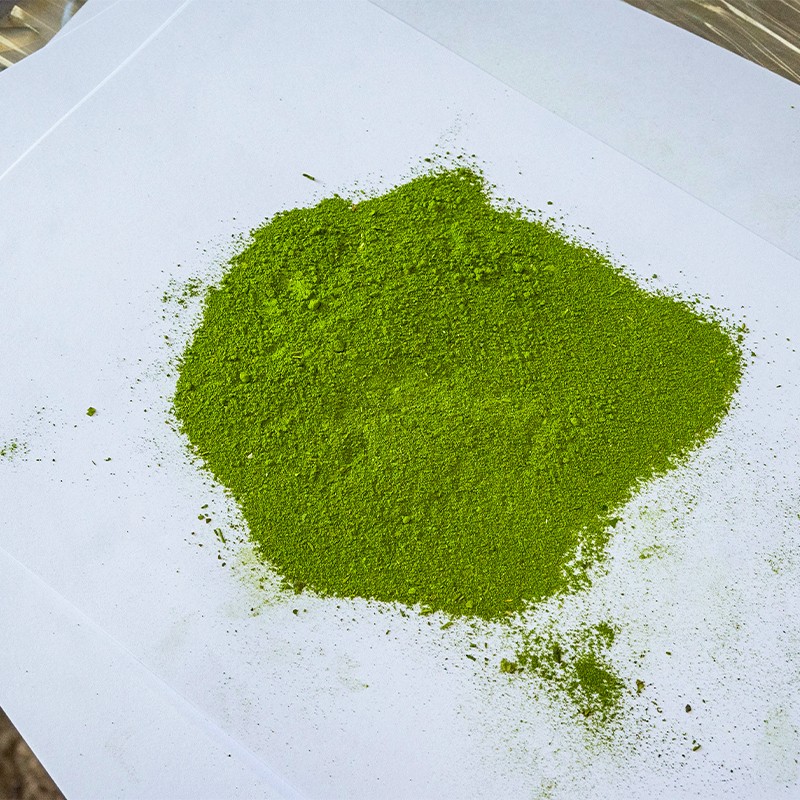
- Real: Vibrant spring green (from high chlorophyll) . It stays bright even after whisking .
- Fake: Dull yellow-brown or olive (signs of unshaded leaves or oxidation) .
2. Feel the Texture
- Real: Silky and fine—like dusting powder . It clings lightly to fingers .
- Fake: Gritty or grainy (machine-crushed particles) .
3. Taste the Aroma
- Real: Fresh, grassy, and umami-rich . No bitter aftertaste .
- Fake: Sharp, bitter, or even musty (old or low-grade leaves) .
III. Beginner-Friendly Authentic Matcha Brands (2025)
Based on Best Products Reviews and Tokyo Weekender :
-
Jade Leaf Matcha (Culinary Grade)
- Origin: Japan | Price: ~$20/8oz
- Smooth texture, earthy flavor—perfect for lattes and baking .
-
Naoki Matcha (Ceremonial Blend)
- Origin: Uji, Kyoto | Price: ~$30/50g
- Balanced umami, no bitterness—ideal for beginners .
-
Chaism (Premium Ceremonial Grade)
- Origin: Hangzhou, China | Price: ~$25/30g
- USDA organic, vivid green color, mellow taste .
Conclusion
Matcha’s value lies in its tradition and precision. By checking cultivation methods, processing techniques, and using our 3-step test, you’ll never fall for fake matcha again. Start with our recommended brands—your taste buds (and body) will thank you!
Sources:
- Yama Matcha. (2024). Cultivation of Matcha Tea Plants. [ceremonial.yamamatcha.com]
- Best Products Reviews. (2025). 10 Best Matchas of 2025. [bestproductsreviews.com]
- Silver Tips Tea. (2023). Are You Drinking Real Matcha? [silvertipstea.com]
- DoMatcha. (2024). The Matcha Green Tea Powder Difference. [domatcha.com]
- Tokyo Weekender. (2025). The Best Matcha Powders: A Beginner’s Guide. [tokyoweekender.com]
- Dream of Japan. (2023). From Plant To Your Tea Cup. [dreamofjapan.com]
- Matcha.com. (2025). Is Your Matcha The Real Deal? [matcha.com]