












News
Home
> News







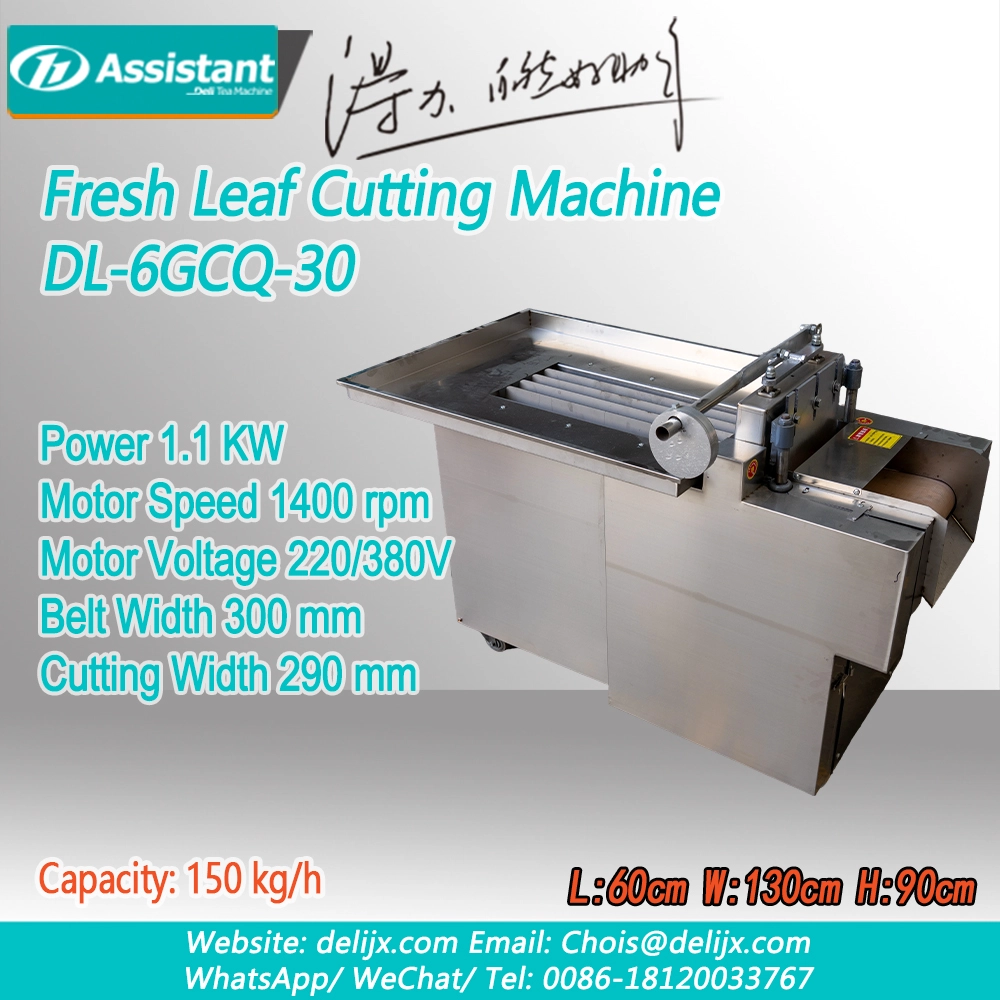
This fresh leaf cutting machine cuts large fresh leaves into uniform small pieces. Two models available: DL-6GCQ-30 (150kg/h) and DL-6GCQ-50 (250kg/h). It adopts conveyor feeding, works for tea, lotus leaf, mulberry leaf and herbal raw materials for tea production.
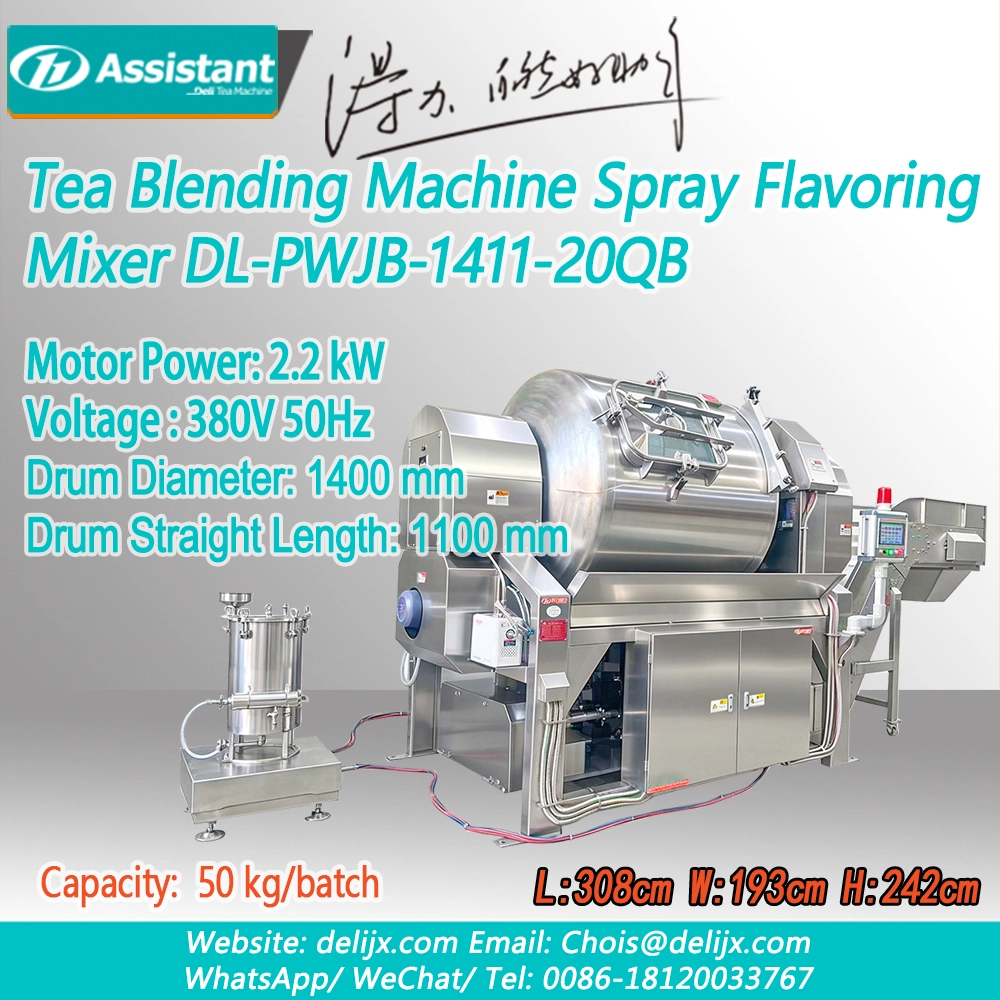
This DELI ASSISTANT spray mixer is a dual-function tea blending & aroma spraying machine, used for homogenizing tea piles and atomized flavor adding in tea factory production, with 1400mm drum, 2.2kW motor and 380V power supply.
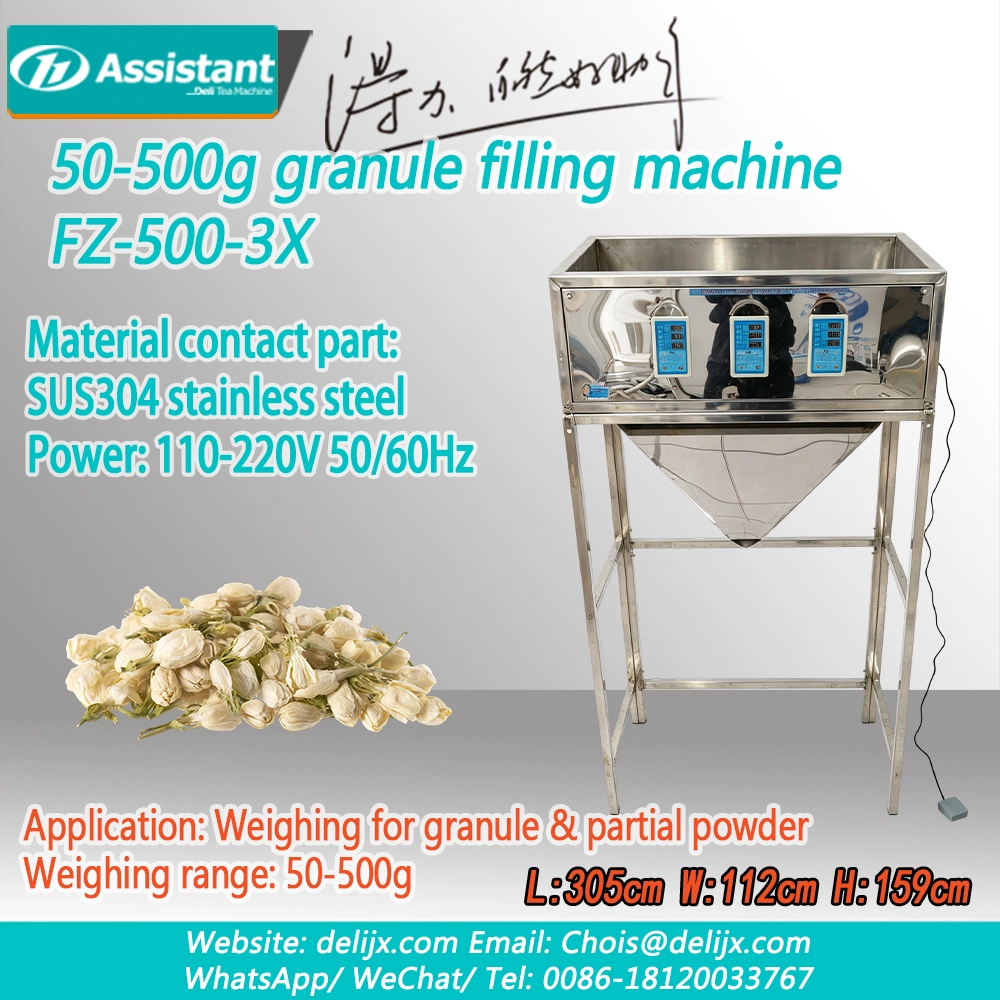
FZ‑500‑3X Automatic Quantitative Filling Machine 50‑500g Granule Powder Weighing Dispenser For Tea Grain Coffee Bean
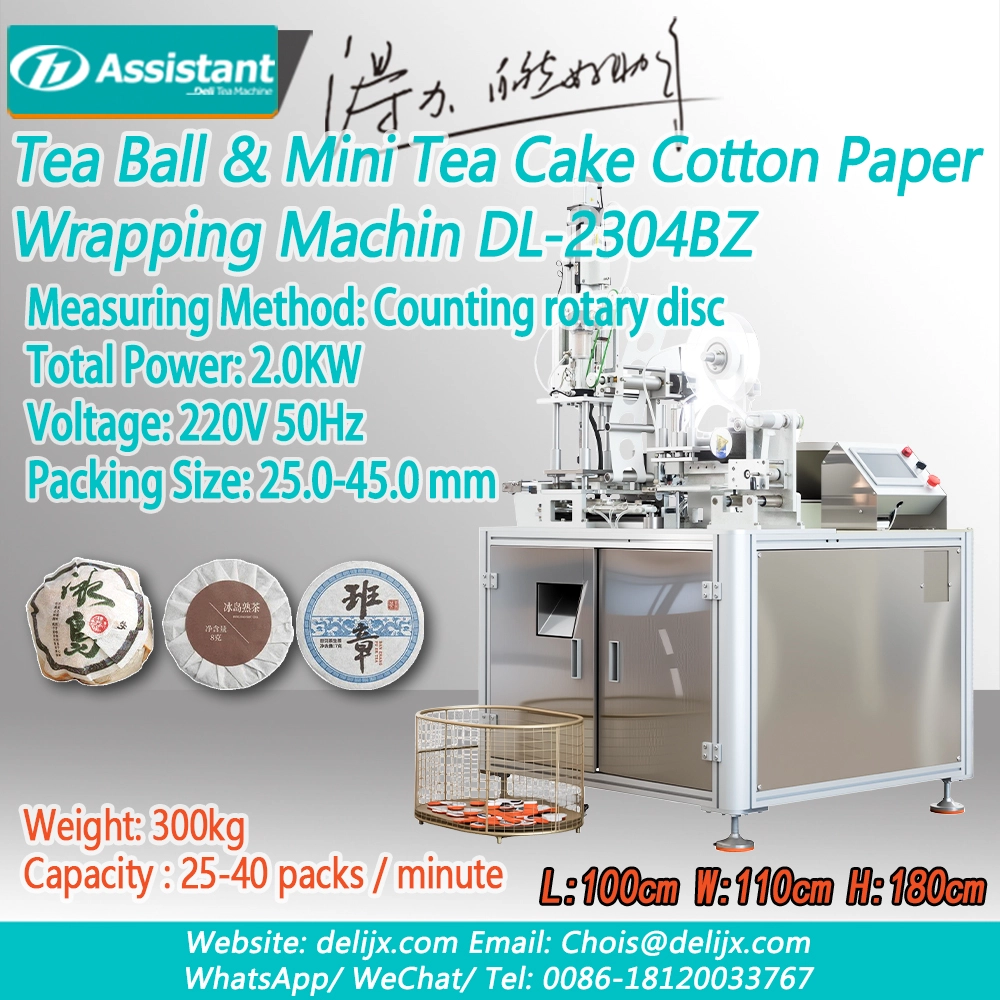
Automatic cotton paper wrapping machine for Pu‑er dragon pearl tea and mini tea cake. PLC control, 25‑40 pcs/min speed, one‑key switch for tea ball & small cake, stable pneumatic‑servo operation for compressed tea packaging.
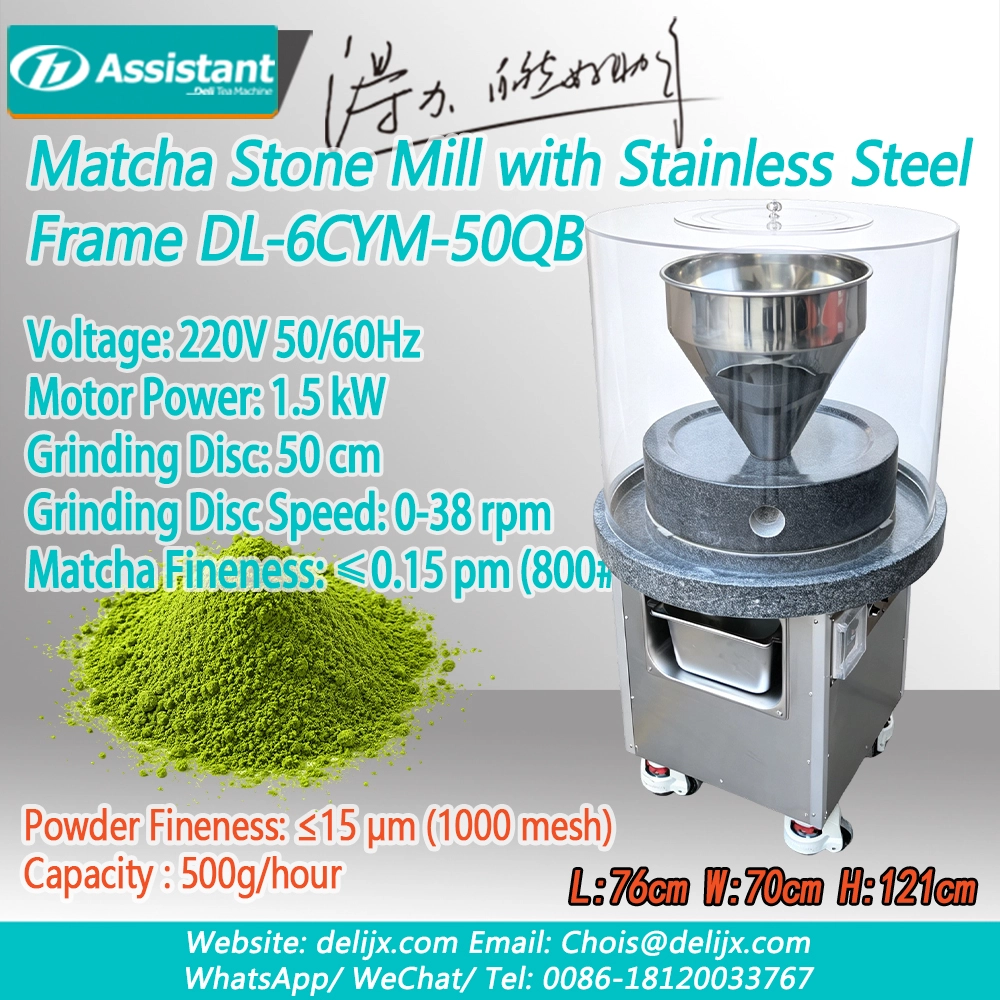
6CMJY-50QB stainless steel custom base matcha green stone mill, natural granite stone plate, low-speed cold grinding. Preserve tea aroma, produce ultra-fine matcha powder. Stainless steel frame with casters, suitable for tea shops, labs and small-batch matcha production.
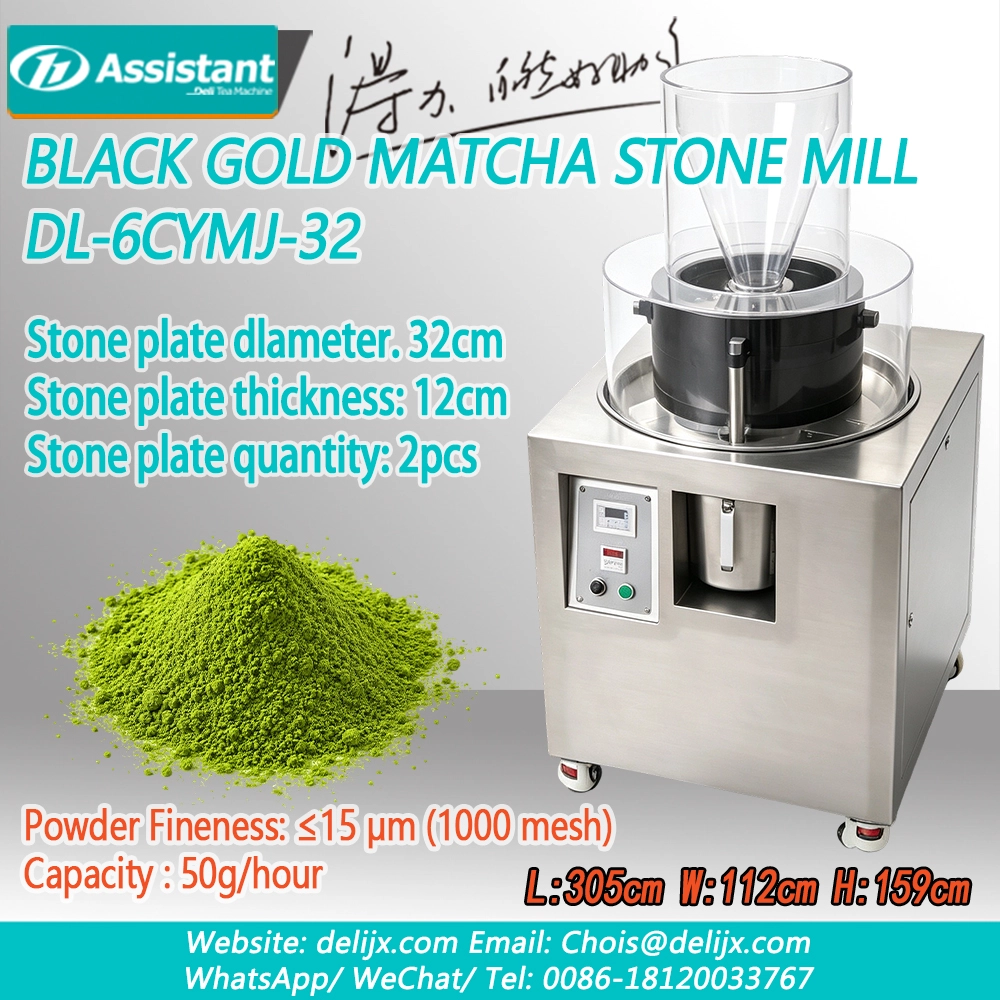
Custom heightened small matcha stone mill DL-6CYMJ-32M, equipped with 30cm natural stone plates. Low-speed low-temperature grinding, produce ultra-fine matcha powder ≤15μm. 50g/h capacity, stainless steel body, ideal for boutique tea shops & small-batch matcha production.
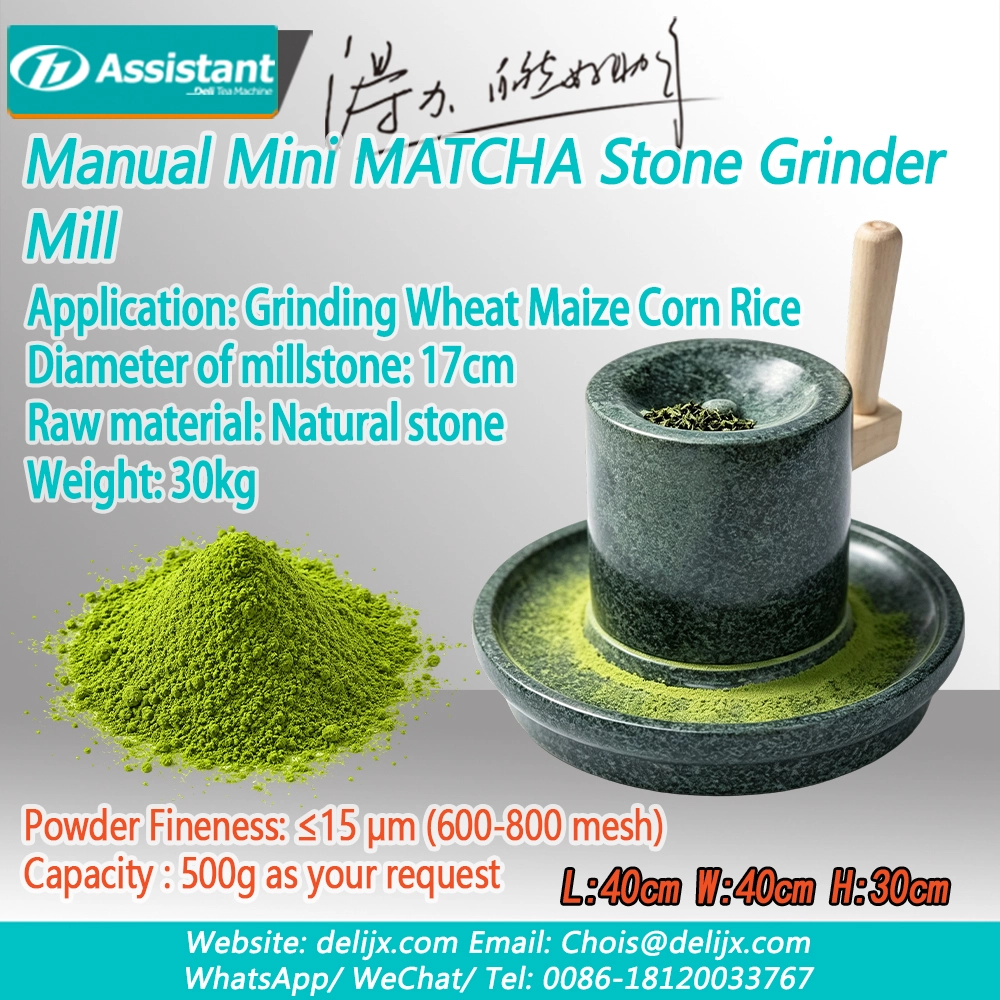
Manual Matcha Stone Mill is a traditional hand-operated grinder made from natural stone, designed for producing fresh and authentic matcha powder. With a slow grinding process and low heat generation, it helps preserve the natural color, aroma, and flavor of tea leaves. Compact and durable, it is ideal for matcha cafes, tea houses, restaurants, cultural experience shops, and small-batch matcha production.
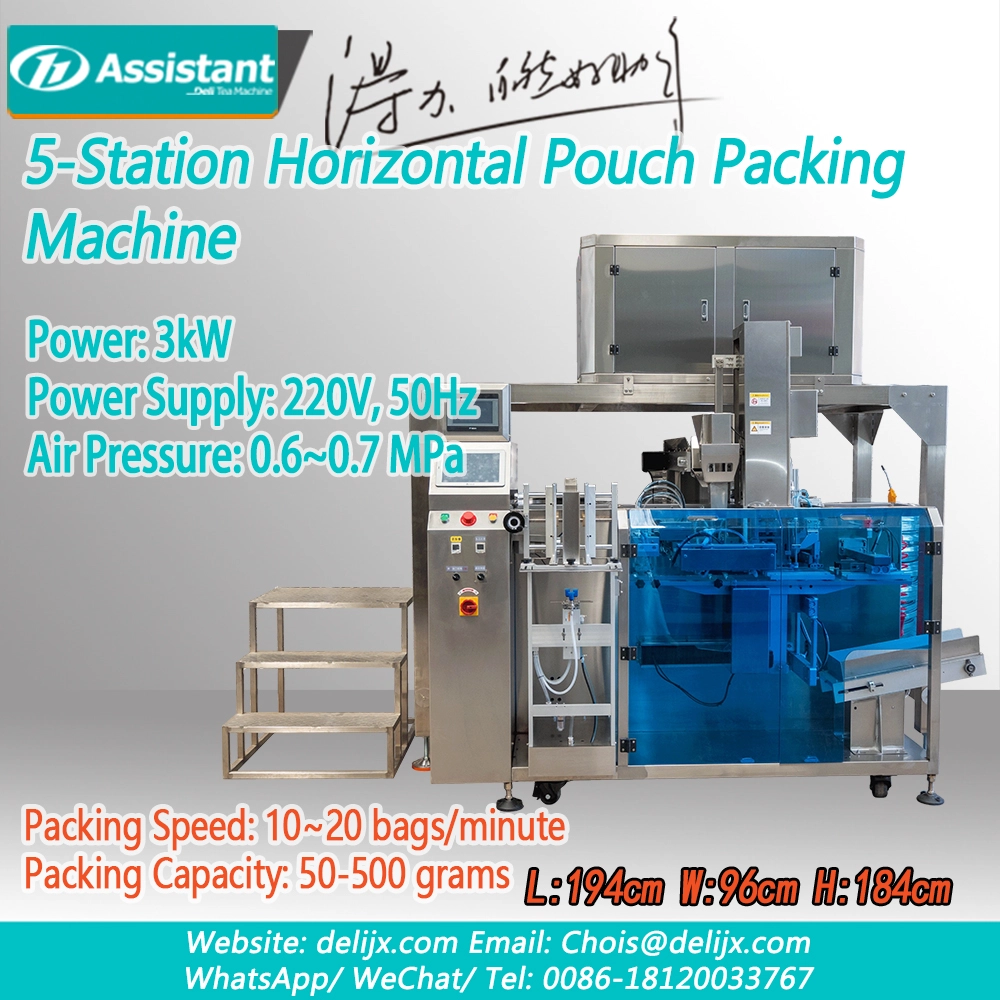
This 5-station horizontal pouch packing machine handles M bags, flat pouches and zipper pouches for 50–500g granular materials like tea. It automatically finishes weighing, filling, vacuuming and sealing with servo control, supporting multiple optional accessories.
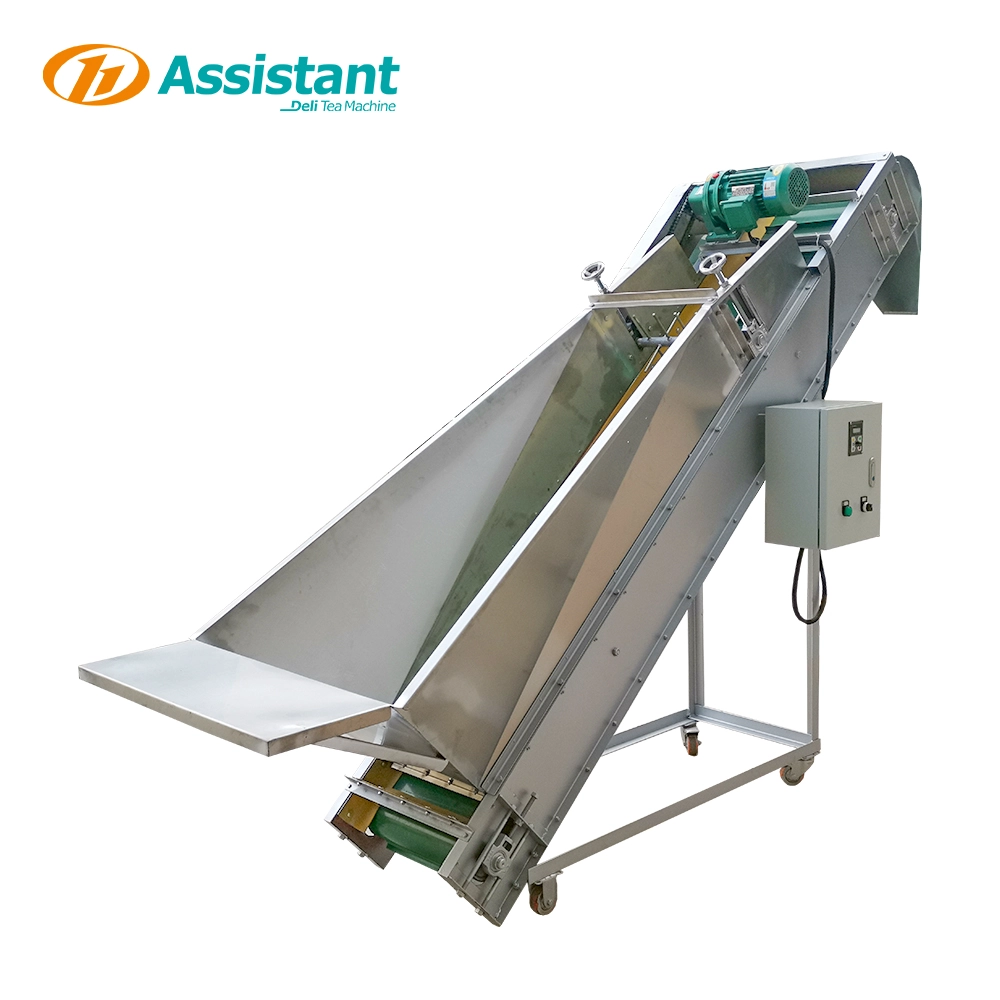
Our stainless steel tea leaf feed conveyor is an inclined climbing belt elevator specially matched with tea de-enzyming fixation machines. It features adjustable speed, anti-slip baffle belt, stable feeding, protects tender tea leaves, and greatly boosts automation efficiency for tea factories.
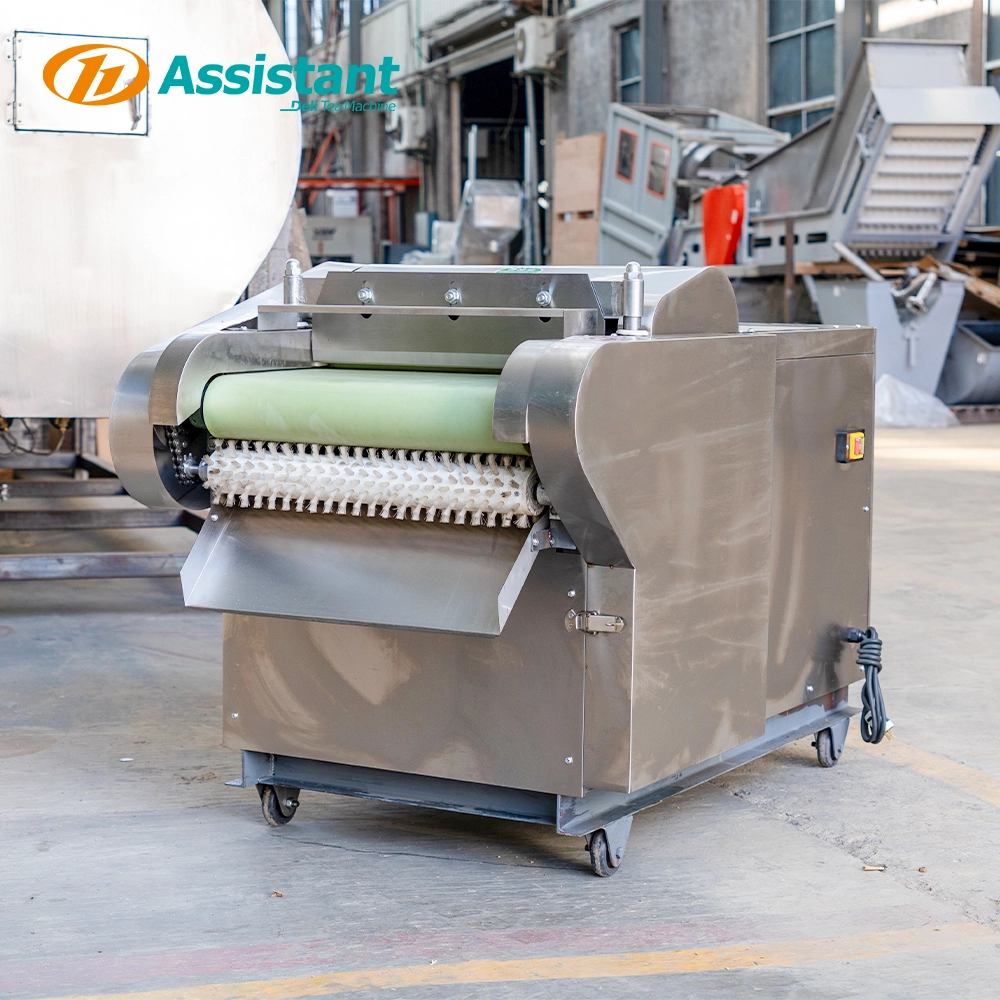
DL-6GCQ-50 fresh leaf cutting machine with 250kg/h capacity. Stainless steel commercial cutter for tea leaves, spinach, basil, mint and leafy greens. Learn its specifications, suitable materials, operation guide and daily maintenance tips.
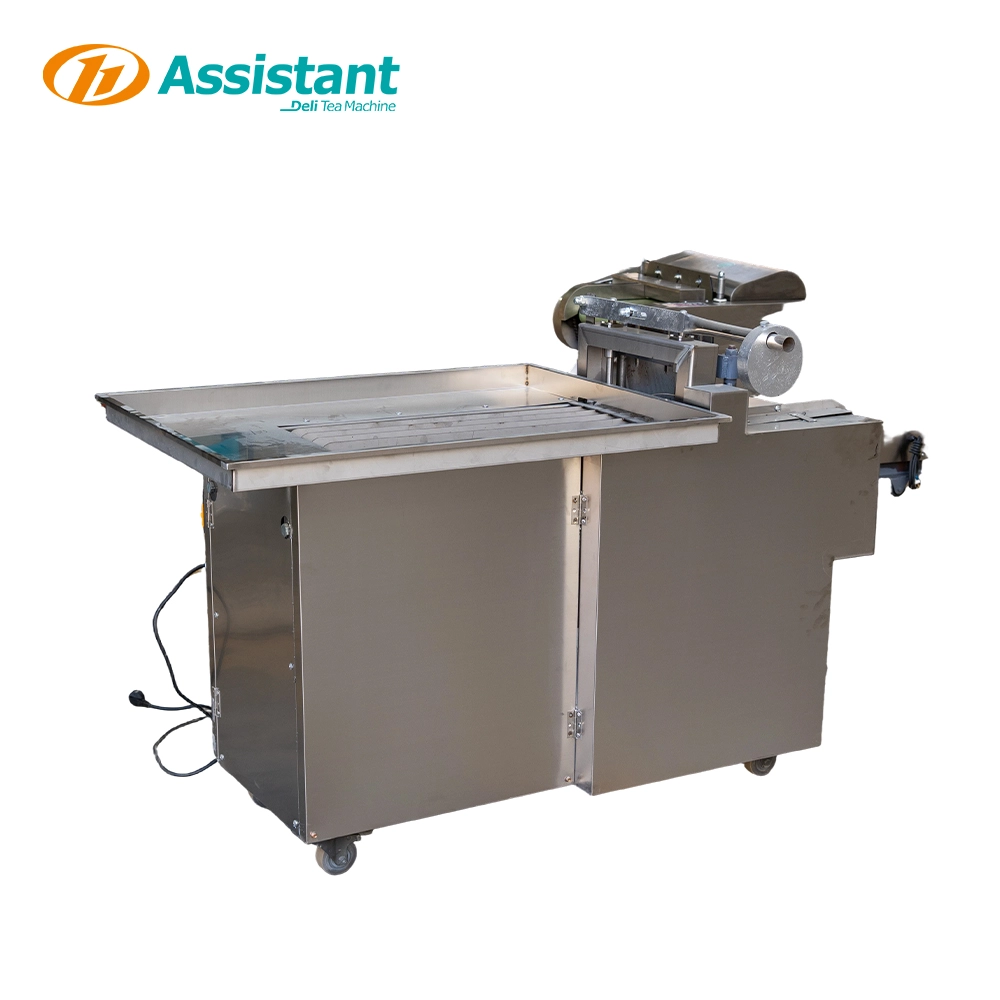
Our fresh leaf cutting machine has two models DL-6GCQ-30 (150kg/h) and DL-6GCQ-50 (250kg/h). Stainless steel structure, 220/380V optional, used for cutting fresh tea leaves, herbs and foliage into uniform small segments. Factory direct supply, stable performance for tea & herbal processing lines.
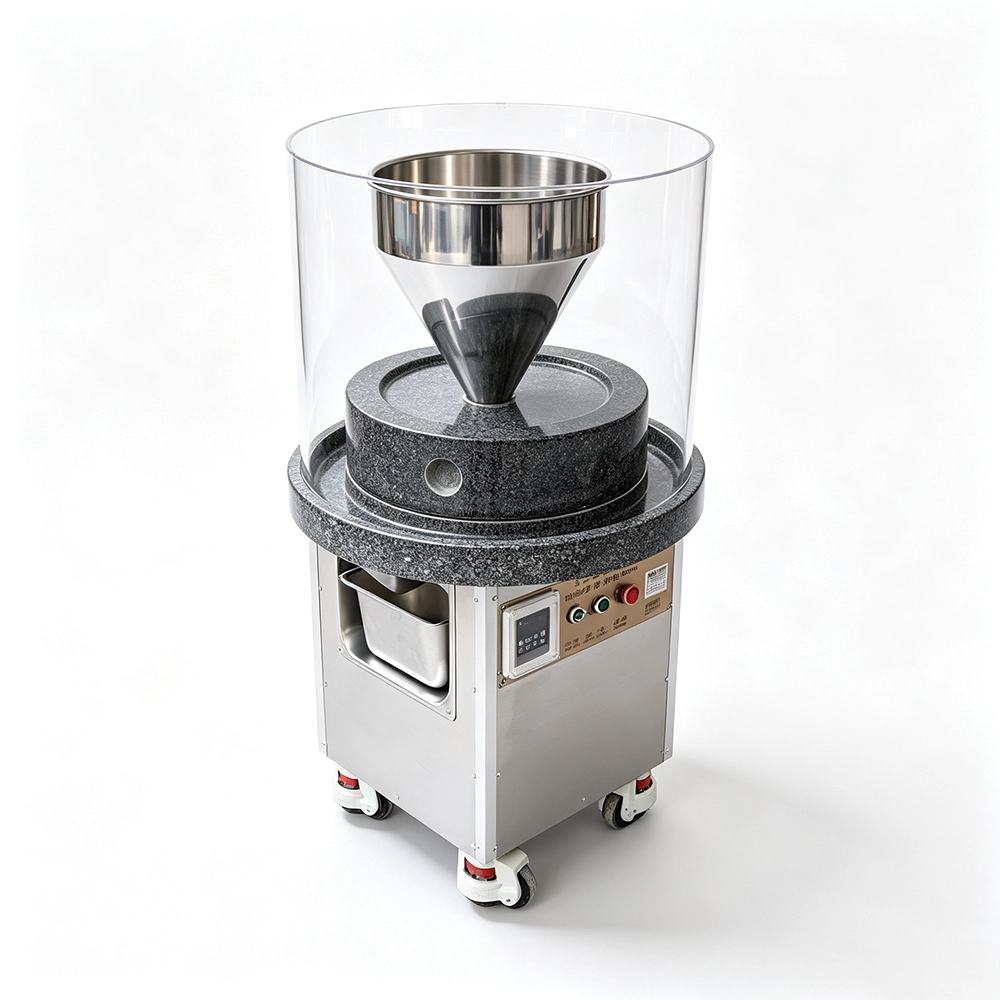
Looking for the right matcha grinding equipment? Read our in-depth comparison of 4 matcha grinders, including Black Gold Stone Mills, Blue Stone Mills, Batch Ball Mills, and Continuous Ball Mills. Learn their efficiency, particle size distribution, and ideal applications.
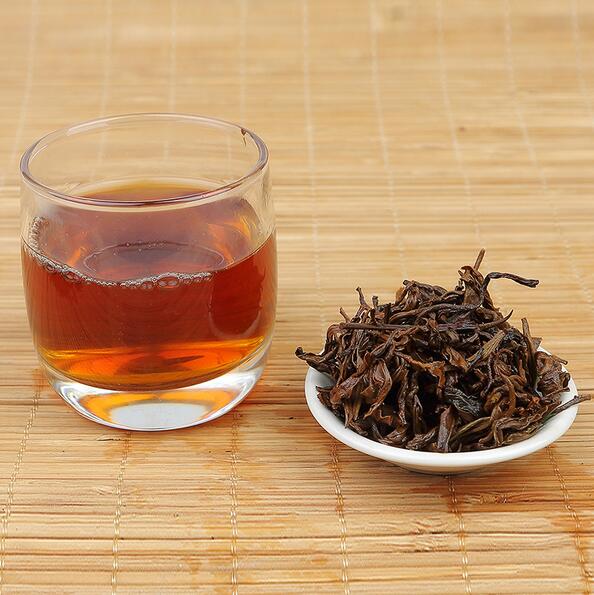
4. Packing bag storage method: first wrap the tea leaves with clean and odor-free white paper, then wrap a piece of kraft paper, and then put it into a non-porous plastic food bag, gently squeeze it to squeeze out the air in the bag, Immediately tighten t
Read More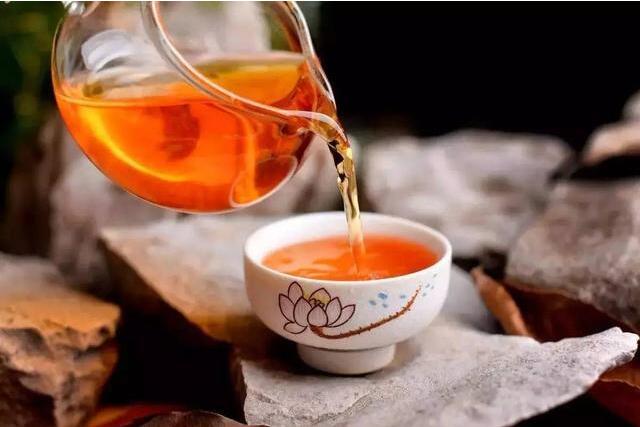
1. The storage method of iron cans: use the tinplate double-cover colored tea container available on the market. Before storage, check whether the can body and lid are airtight and not leaking. When storing, put the dry tea in cans, and the cans should be
Read More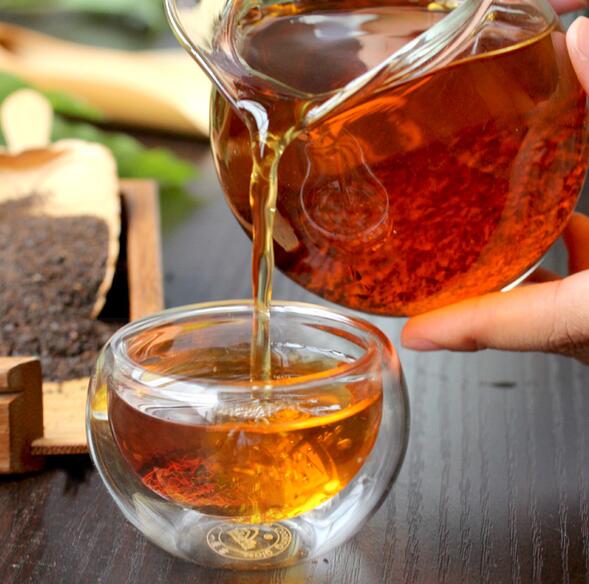
That is, the human sense of smell is used to distinguish whether black tea has smoke, sour, stale, musty, sun-dried and other odors. The dry tea of high-quality black tea has a sweet fragrance, and will have a sweet and pleasant aroma after brewing, while
Read More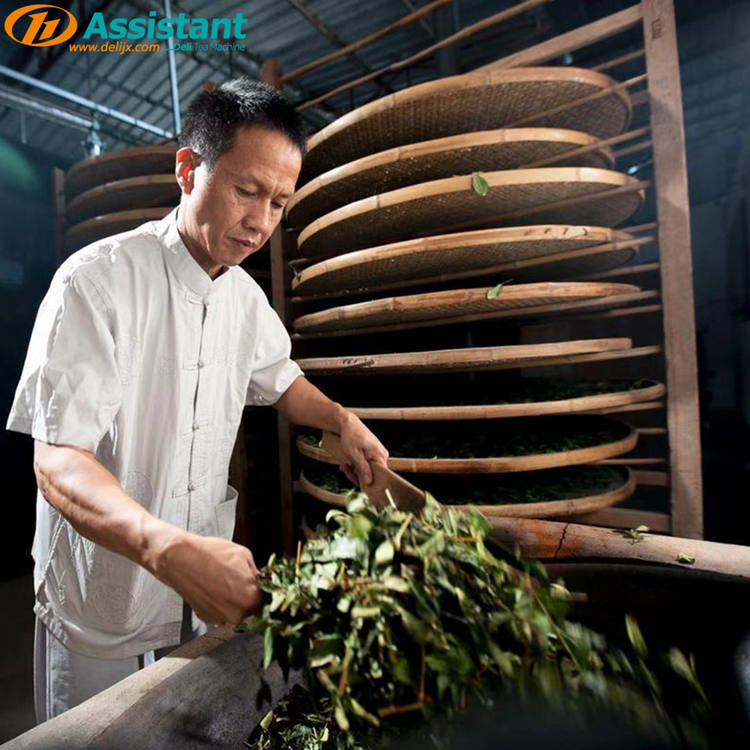
First, feel the weight, tightness and thickness of the black tea cords with your hands. The cords of high-quality black tea are relatively tight, and the one that is heavy is better, and the one that is rough and light is worse. The main purpose of touchi
Read More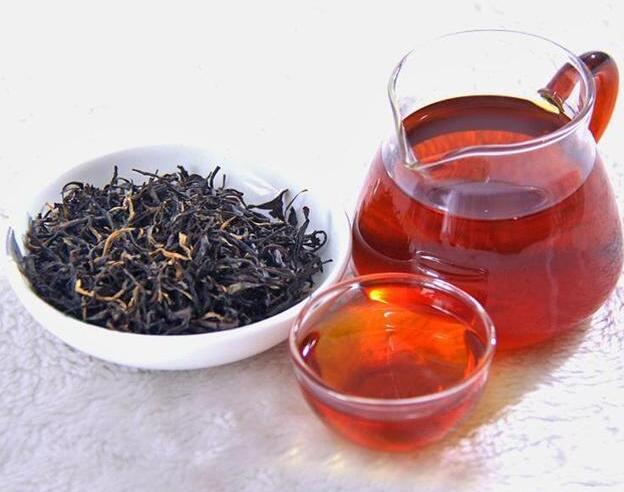
Ceylon Heights black tea is most famous for Uwo tea, which is produced on the east side of the mountainous area of Sri Lanka and is one of the four major black teas in the world. The east side of Sri Lanka’s mountainous area is full of clouds all ye
Read More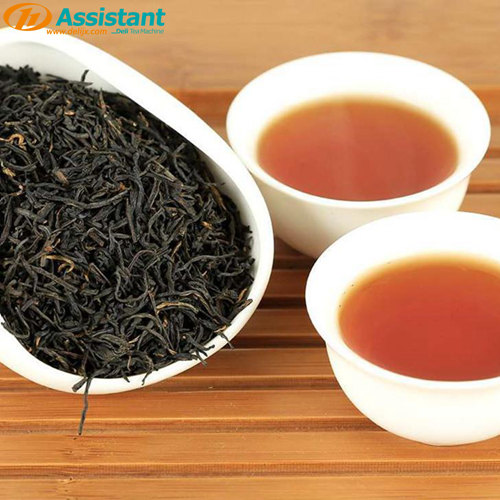
Qimen black tea, or Qihong for short, is a treasure of traditional Chinese Kung Fu black tea. It is a famous tea in history. It was produced in the late 19th century and is one of the world’s three high-flavor teas. "Prince Tea" and other
Read More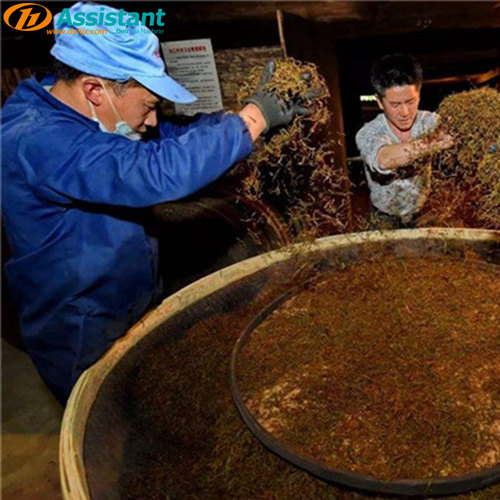
Lapsang Souchong black tea entered Europe in 1610. In 1662, when Princess Catherine of Portugal married King Charles II, her dowry contained boxes of Chinese Lapsang Souchong black tea. Since then, black tea was brought to the British court, and drinking
Read More
The originator of black tea is in China. The earliest black tea in the world was invented by tea farmers in the Wuyishan tea area in Fujian during the Ming Dynasty in China, and it was named " Lapsang souchong". The Jiang family in Tongmu Villag
Read More
This technology mainly addresses the problems of uneven withering of fresh leaves in the process of black tea processing, the withering process is restricted by the natural environment, the withering time is too long, and the entire process is expensive.
Read More
The location of the primary tea factory should be comprehensively considered in terms of transportation, water sources, environment, employment, raw materials, and topography. Before building a factory, the surrounding environment and geology should be in
Read More.jpg "How to choose the most suitable tea fixing machine?")
The types of tea fixation machines include drum fixation machines, steam heating fixation machines, hot air fixation machines, steaming fixation machines, etc. Can be purchased according to the following factors. (1) Purchasing according to the interna
Read More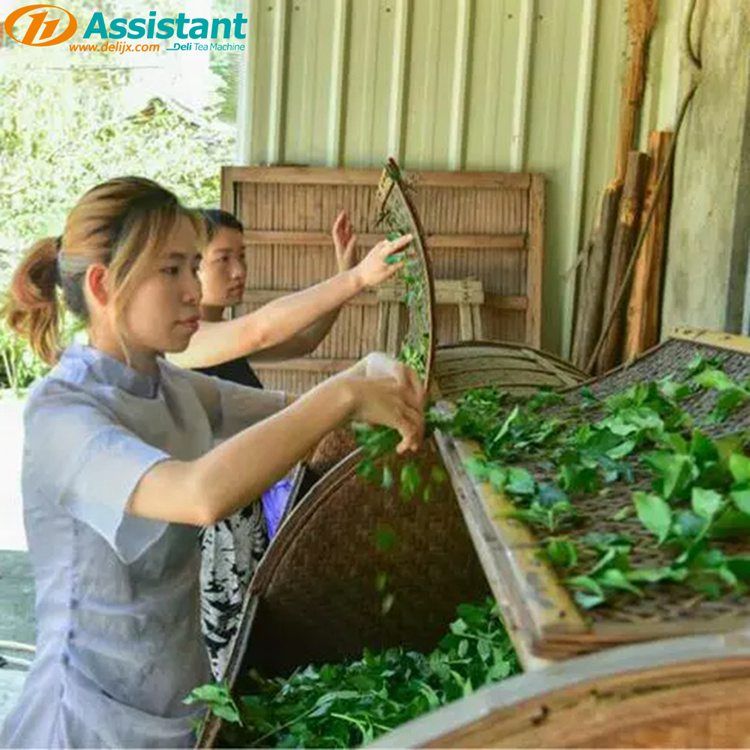
Shaking and withering are both parts of the fermentation. During the withering process of oolong tea, because the leaves are calmly placed, a lot of water will only evaporate from the leaves, and the water in the leaf stalks is not lost, which will lead t
Read More