





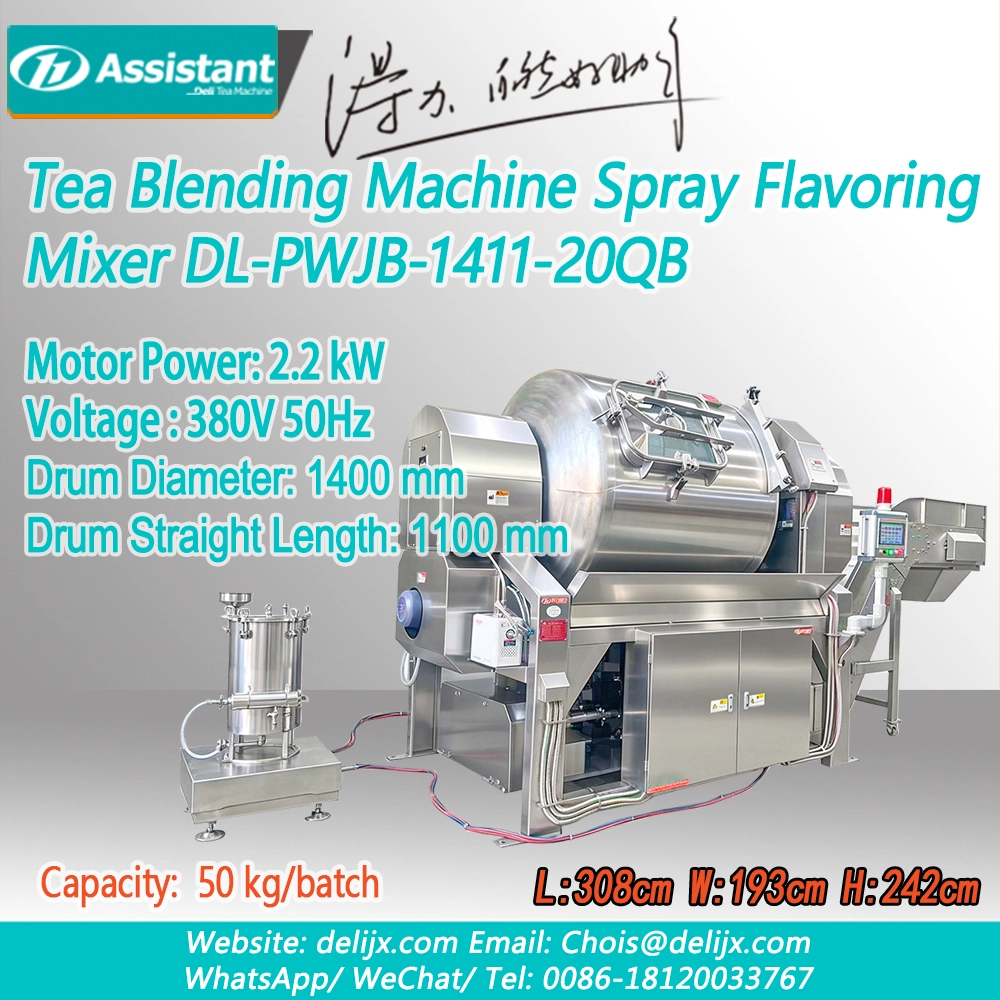
This DELI ASSISTANT spray mixer is a dual-function tea blending & aroma spraying machine, used for homogenizing tea piles and atomized flavor adding in tea factory production, with 1400mm drum, 2.2kW motor and 380V power supply.
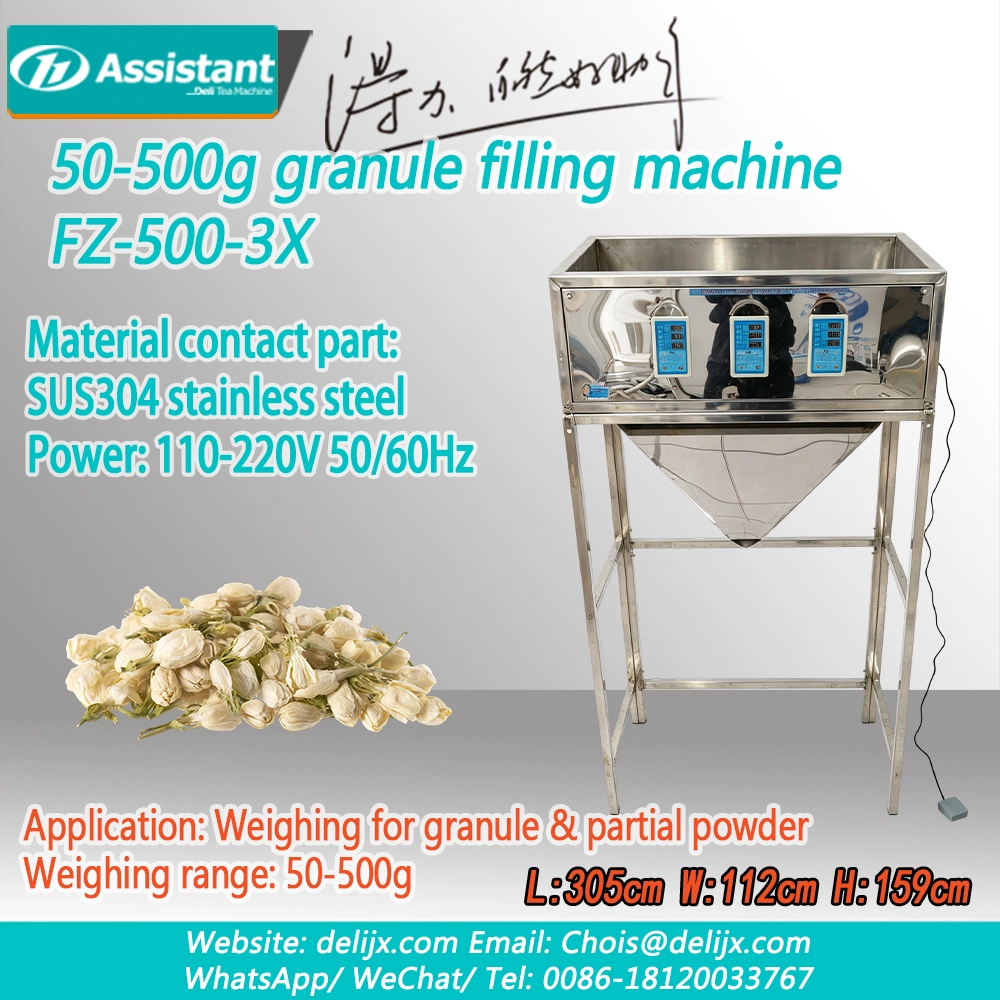
FZ‑500‑3X Automatic Quantitative Filling Machine 50‑500g Granule Powder Weighing Dispenser For Tea Grain Coffee Bean
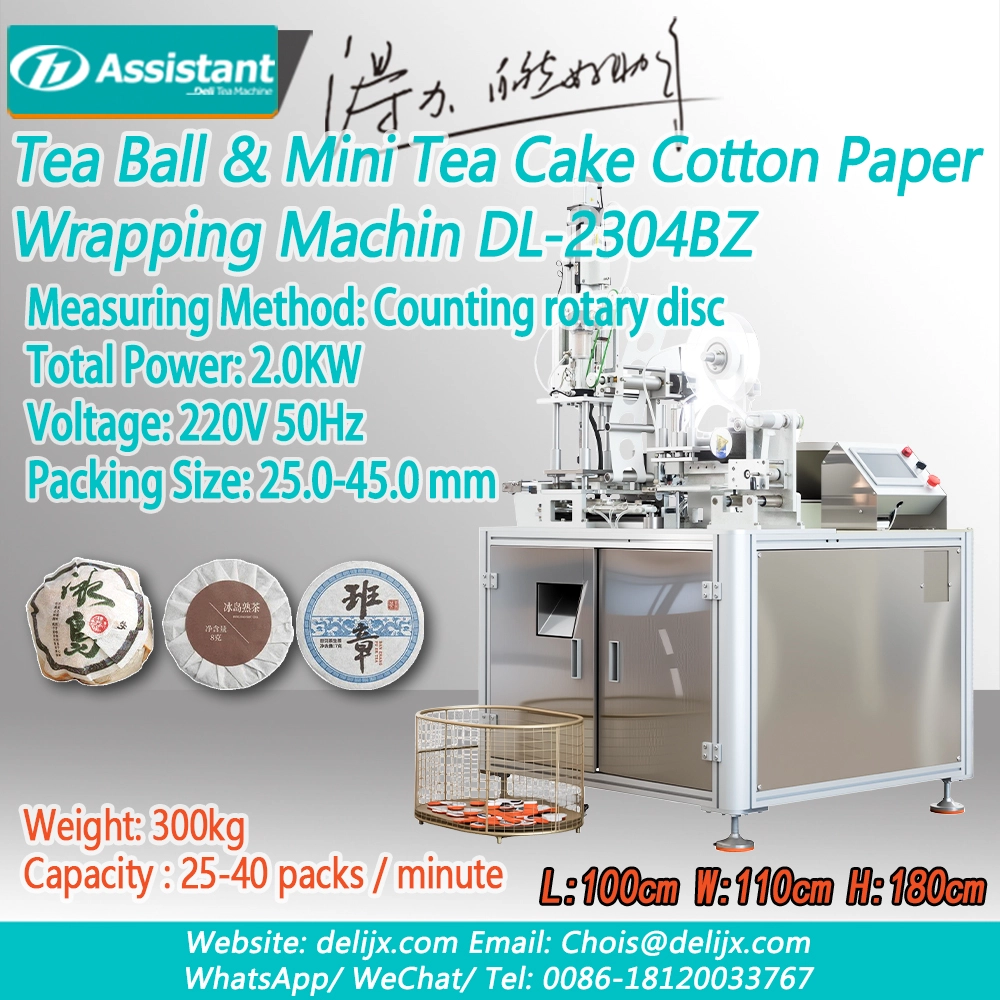
Automatic cotton paper wrapping machine for Pu‑er dragon pearl tea and mini tea cake. PLC control, 25‑40 pcs/min speed, one‑key switch for tea ball & small cake, stable pneumatic‑servo operation for compressed tea packaging.
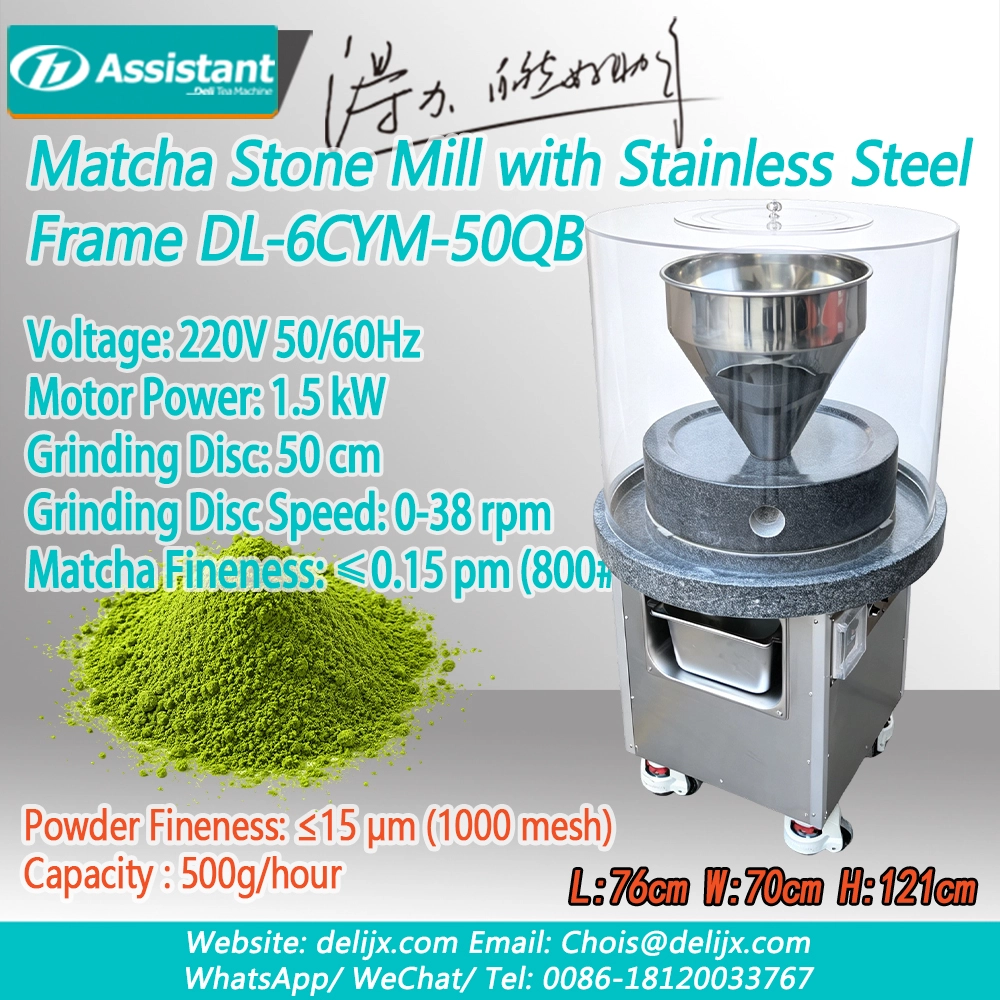
6CMJY-50QB stainless steel custom base matcha green stone mill, natural granite stone plate, low-speed cold grinding. Preserve tea aroma, produce ultra-fine matcha powder. Stainless steel frame with casters, suitable for tea shops, labs and small-batch matcha production.
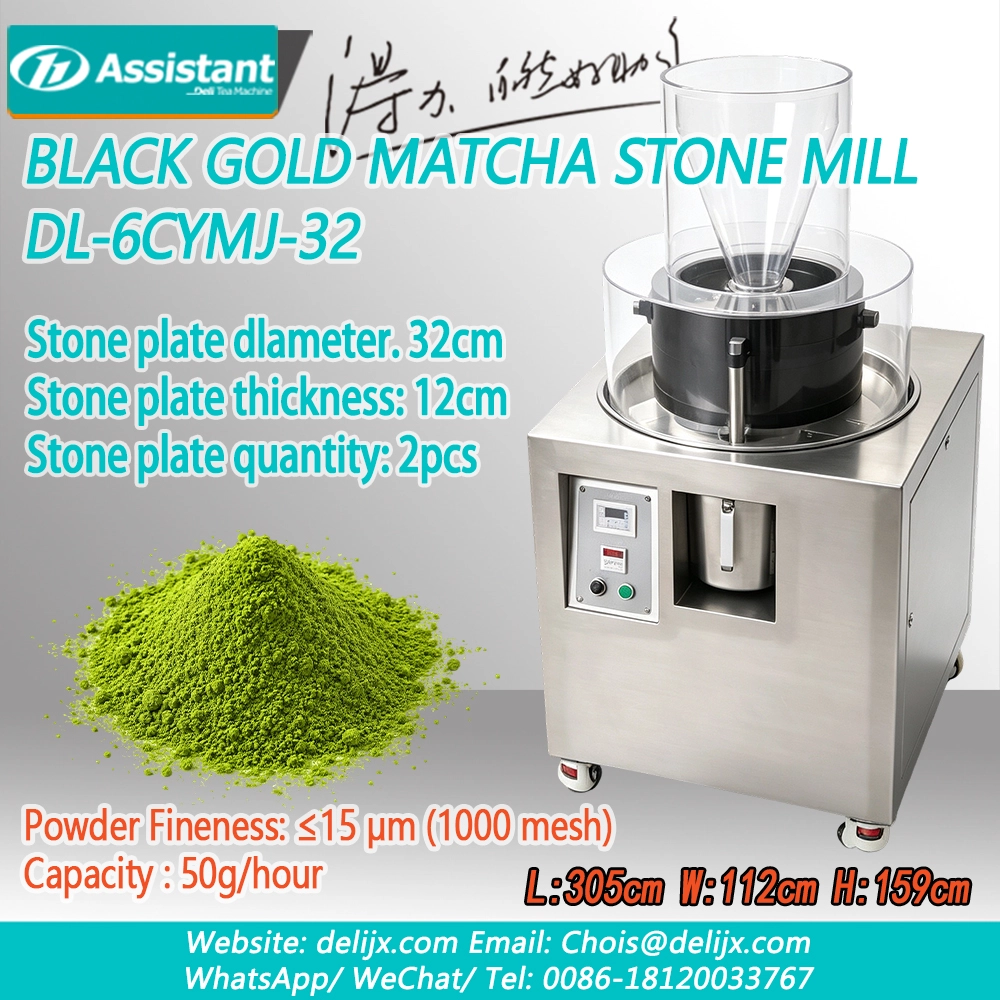
Custom heightened small matcha stone mill DL-6CYMJ-32M, equipped with 30cm natural stone plates. Low-speed low-temperature grinding, produce ultra-fine matcha powder ≤15μm. 50g/h capacity, stainless steel body, ideal for boutique tea shops & small-batch matcha production.
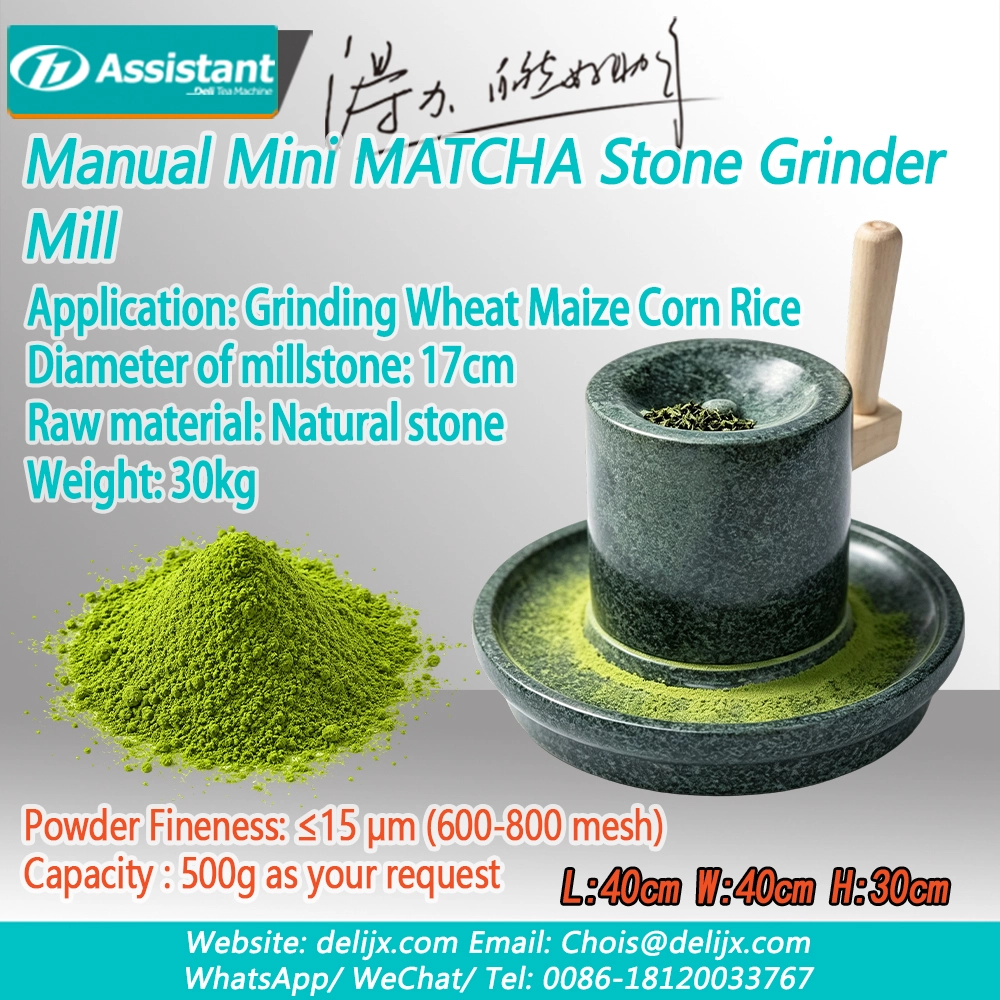
Manual Matcha Stone Mill is a traditional hand-operated grinder made from natural stone, designed for producing fresh and authentic matcha powder. With a slow grinding process and low heat generation, it helps preserve the natural color, aroma, and flavor of tea leaves. Compact and durable, it is ideal for matcha cafes, tea houses, restaurants, cultural experience shops, and small-batch matcha production.
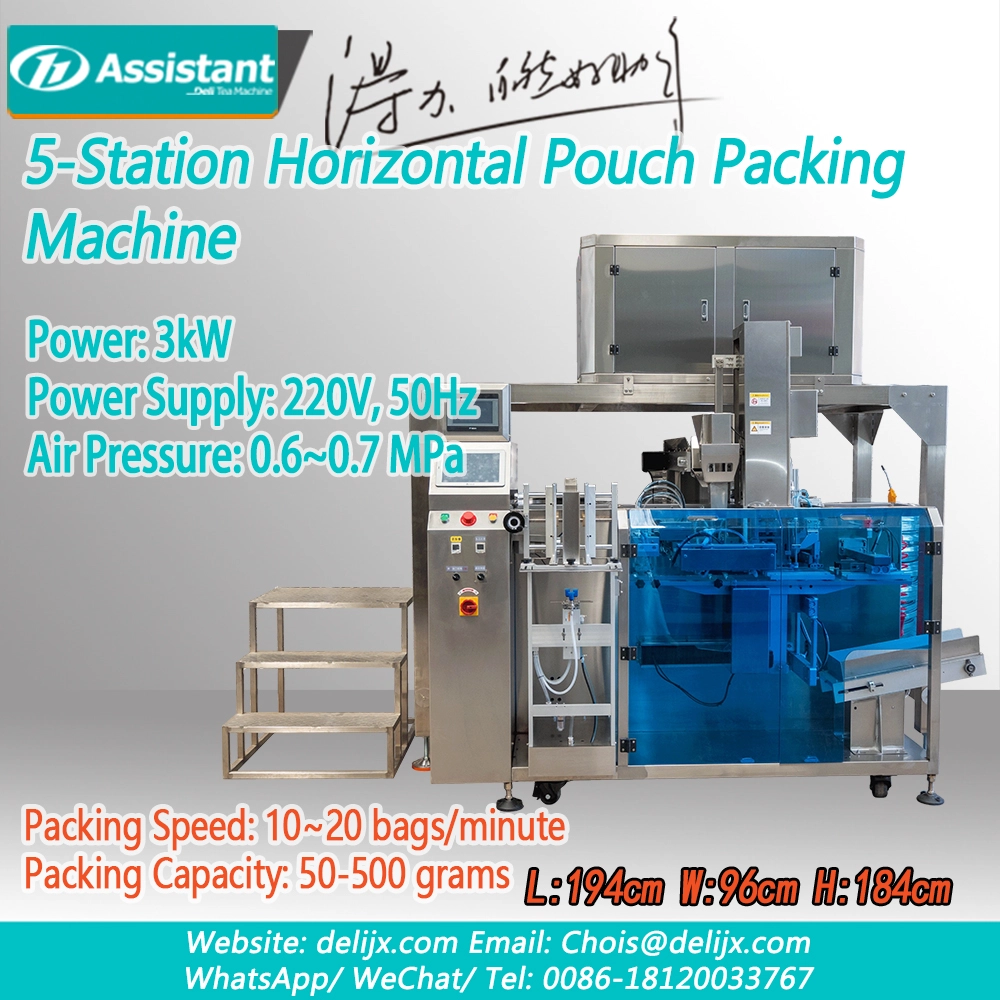
This 5-station horizontal pouch packing machine handles M bags, flat pouches and zipper pouches for 50–500g granular materials like tea. It automatically finishes weighing, filling, vacuuming and sealing with servo control, supporting multiple optional accessories.
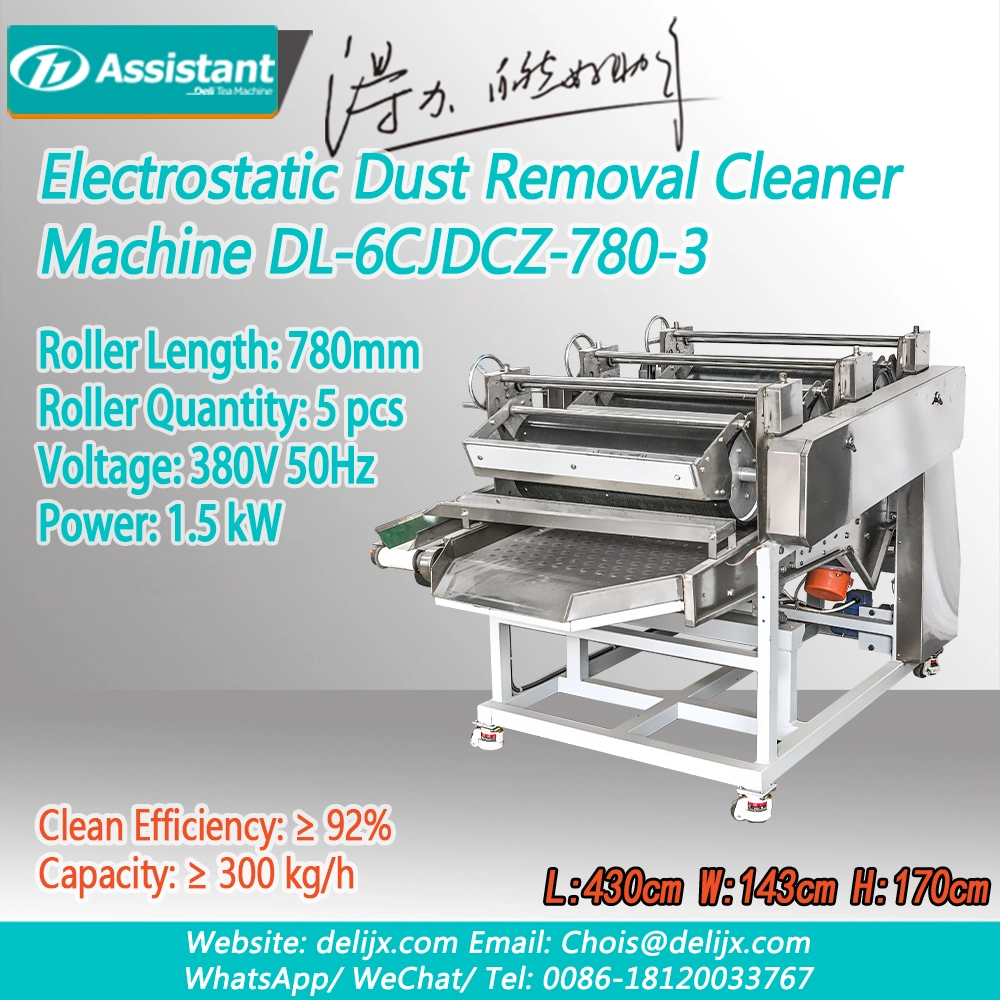
The electrostatic cleaner adsorption generated by 4-10 electrostatic rollers extracts impurities in the tea, such as hair, broom bristles, tea fluff ash, thatch, woven bag silk, plastic scraps, iron filings, etc.
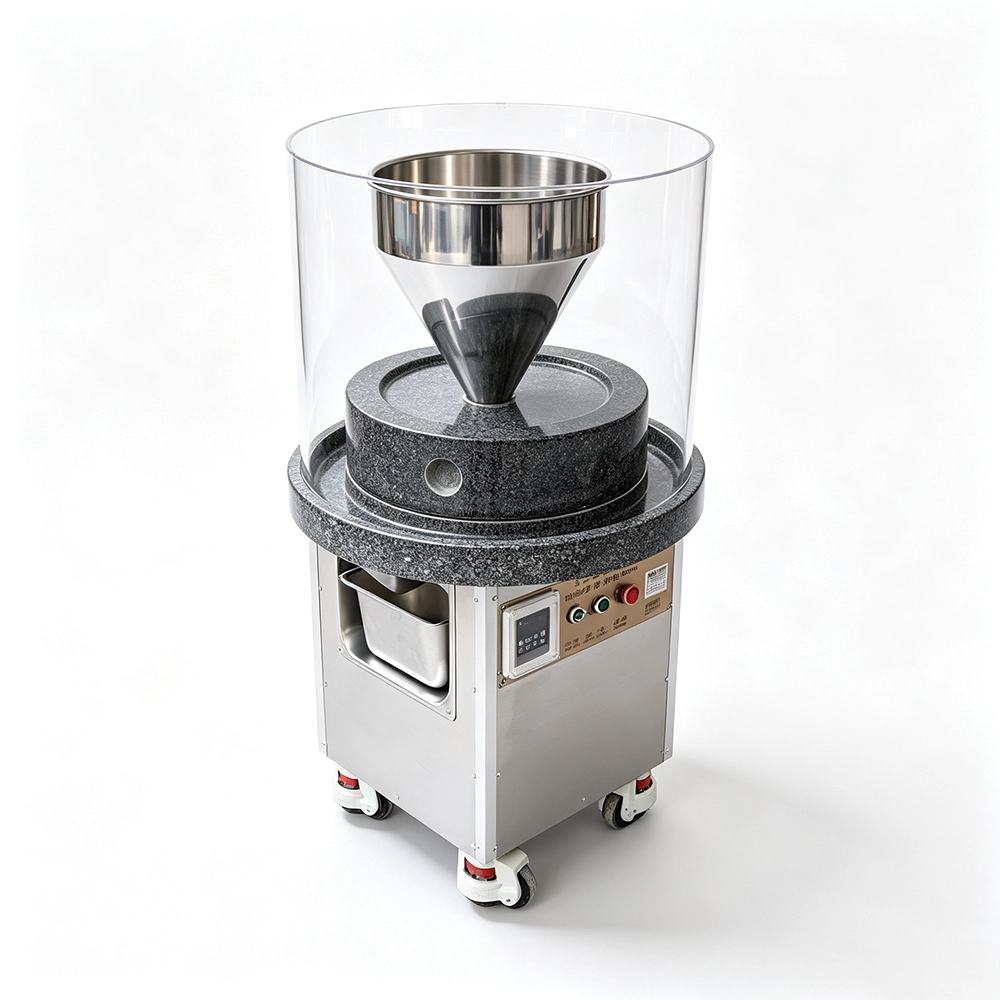
Looking for the right matcha grinding equipment? Read our in-depth comparison of 4 matcha grinders, including Black Gold Stone Mills, Blue Stone Mills, Batch Ball Mills, and Continuous Ball Mills. Learn their efficiency, particle size distribution, and ideal applications.
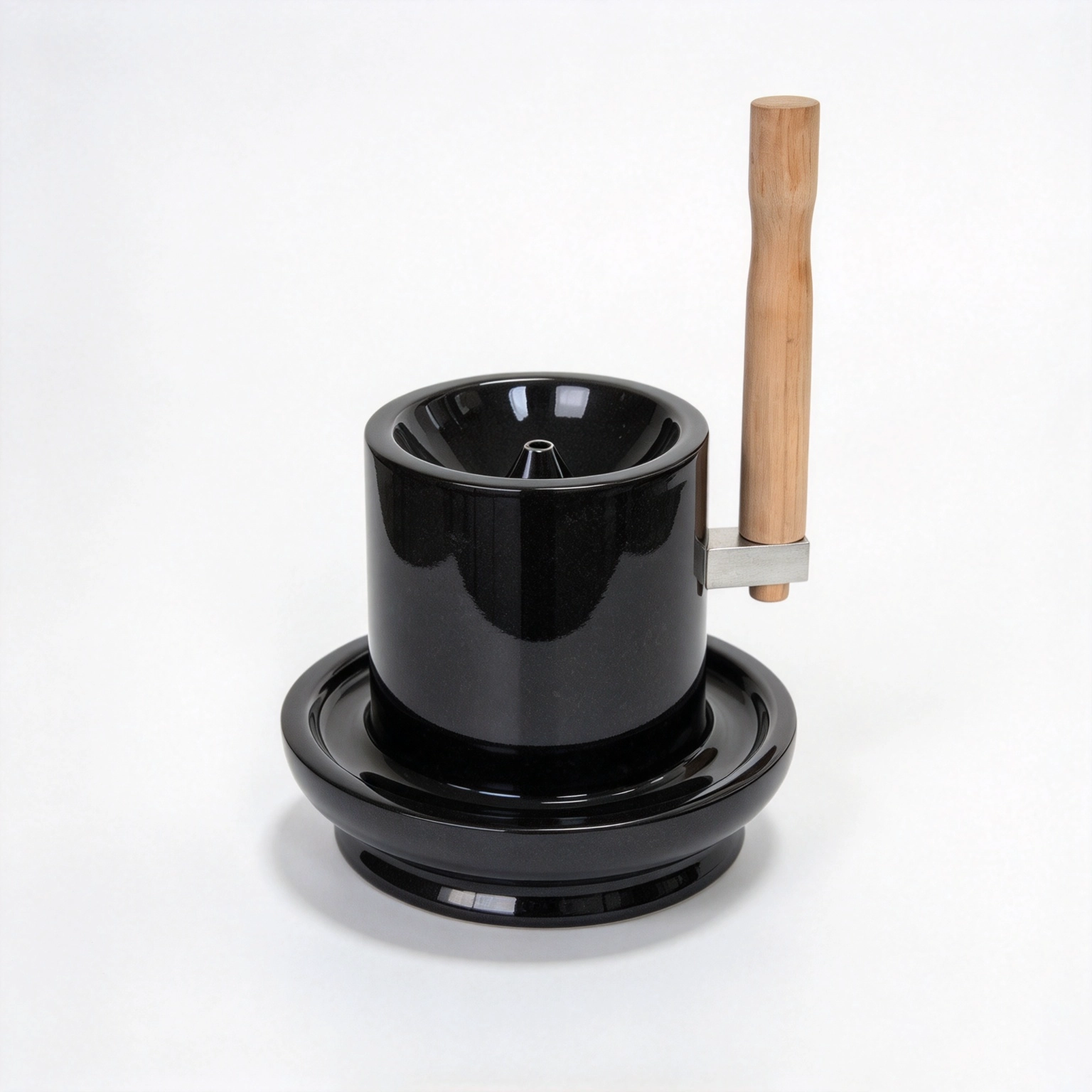
Experience the true flavor of freshly ground matcha. Our mini black stone manual matcha mill brings traditional Japanese stone grinding craft to your home, hand-cranked for fine, aromatic matcha powder.
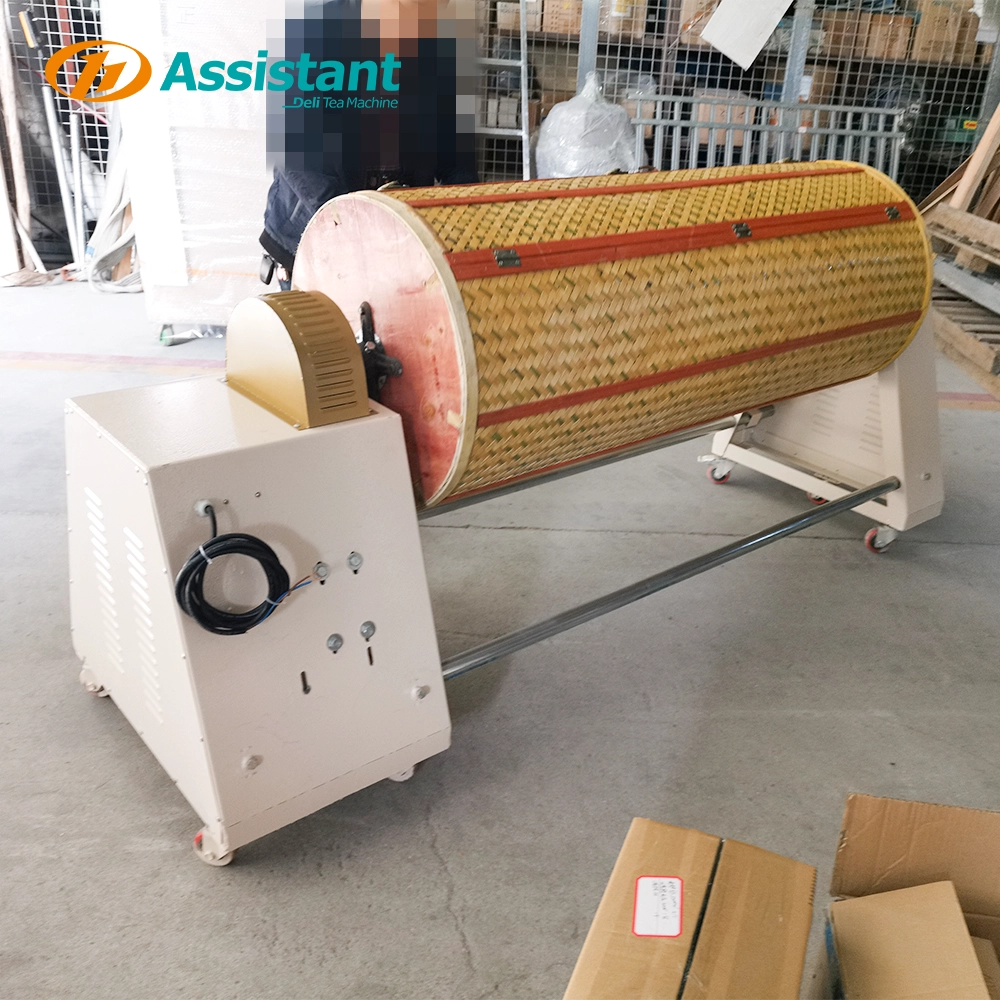
Our bamboo drum oolong tea shaking machine, also known as tea leaf shaker, simulates manual tea shaking to achieve uniform leaf oxidation. Multiple models available for small & large tea factories, stable speed control for premium oolong tea production.

Our DL-6CYMJ-32W stone mill grinder is specially designed for processing matcha and tea leaves. It adopts natural stone plates & SUS304 stainless steel frame, capable of producing ultra-fine tea powder up to ≤15μm (800 mesh). With adjustable rotating speed and automatic operation, it is ideal for tea factories and food workshops. We will introduce its specifications, core advantages, operation workflow and daily cleaning tips below.
When you brew a perfect cup of tea, the complex aromas, deep colors, and rich flavors don't just happen by accident. They are the result of meticulous processing. Among the critical steps of tea manufacturing—withering, fixation, oxidation, and drying—tea rolling stands out as the bridge between raw leaf and refined flavor.
Whether you are an artisan tea maker or a commercial producer, understanding the mechanics of tea rolling is essential for elevating your craft.
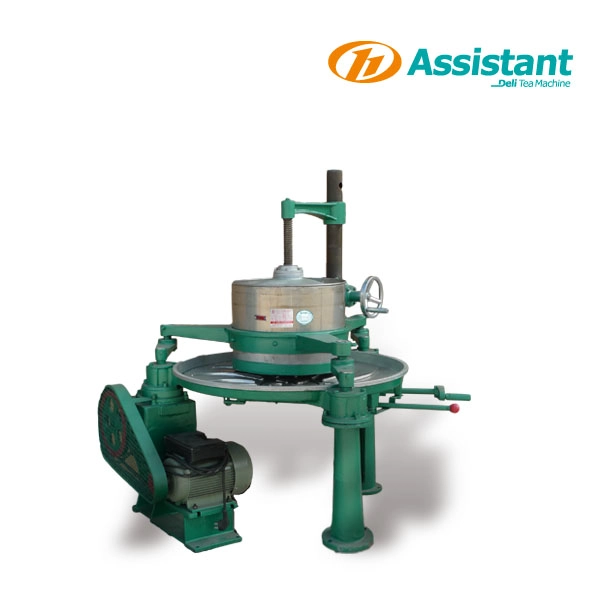
Tea rolling (揉捻 - róu niǎn) is the physical process of shaping the tea leaves and bruising their cellular structure. By applying pressure to the leaves, the cell walls break down, releasing essential oils, enzymes, and juices onto the surface of the leaf.
This serves two primary purposes:
Aesthetic Shaping: It curls and twists the leaves into their final, recognizable shapes (like the tight pearls of Gunpowder Green or the wiry strips of a robust Black tea).
Flavor Development: Exposing the inner juices to oxygen accelerates oxidation (crucial for Black and Oolong teas) and ensures that the flavors easily dissolve into the water when the tea is finally steeped.
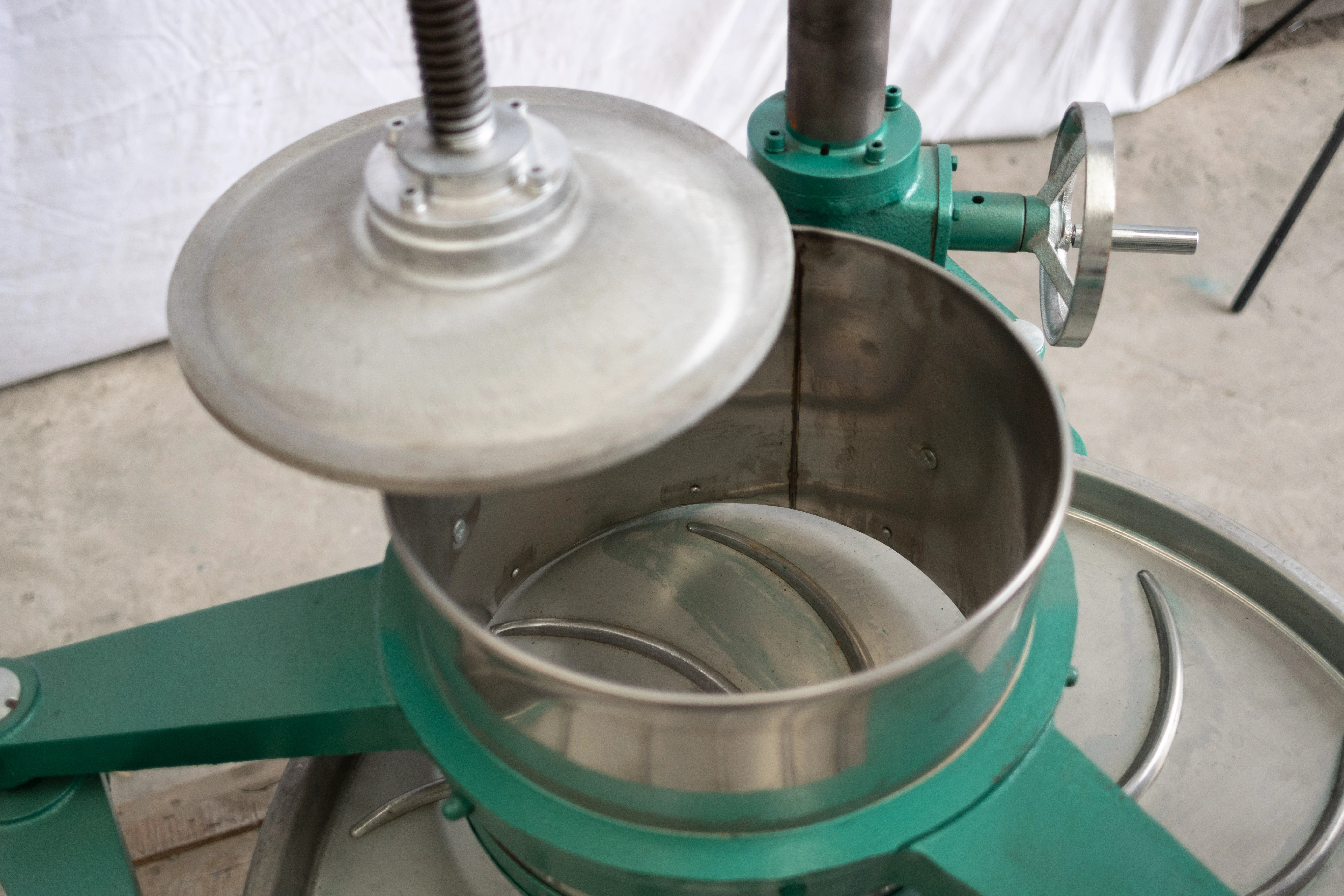
The rolling process varies dramatically depending on the type of tea being produced. It is generally classified by the temperature of the leaves and the intensity of the pressure applied.
Hot Rolling (热揉): Typically used for most Green Teas. The leaves are rolled immediately after the "kill-green" (fixation) stage while they are still warm and pliable. This helps preserve the vibrant green color and prevents the leaves from breaking into dust.
Cold Rolling (冷揉): Essential for Black Teas and highly oxidized Oolongs. The leaves are allowed to cool after withering before they are rolled. Cold rolling helps preserve the integrity of the enzymes necessary for heavy oxidation, leading to a richer, sweeter flavor profile.
Light Rolling: Applied to delicate white teas, yellow teas, or high-grade green teas. The goal is gentle shaping without excessive cellular damage.
Heavy Rolling: Used for black teas and darker oolongs. Intense pressure is applied to wring out as much sap as possible, ensuring a robust, full-bodied brew.
Achieving the perfect roll requires a balance of art and science. Here is how you can optimize your process:
The "Light-Heavy-Light" Rule: Always follow a staggered pressure curve. Start with light pressure to let the leaves conform to the drum. Gradually increase to heavy pressure to extract the juices, and finish with light pressure to allow the leaves to un-clump and retain their shape.
Strict Time Management: Over-rolling can cause the tea to become overly bitter and turn the leaves to a mushy paste. Under-rolling will result in a weak, flavorless brew. Time your batches meticulously based on the moisture content of the leaves.
Batch Consistency: Do not overfill your rolling machine. If a machine is rated for 3 kg, pushing it to 4 kg will result in unevenly rolled leaves, where the center is crushed and the edges remain flat.
Upgrade Your Machinery: While manual rolling is a beautiful tradition, consistent commercial quality requires precise mechanical assistance. Modern rolling machines provide steady, uniform pressure that is impossible to replicate by hand over long shifts.
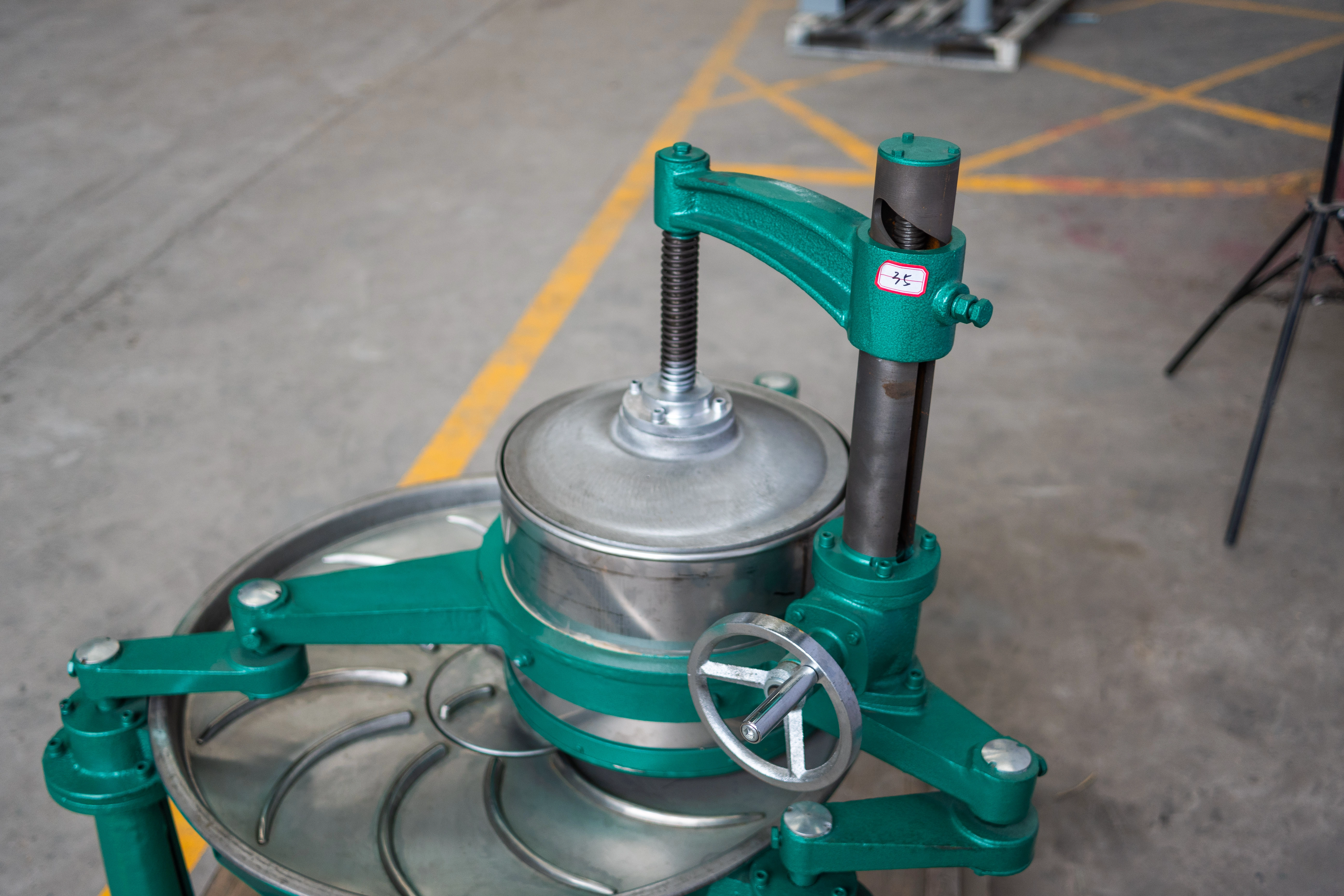
To achieve high efficiency and superior tea quality, investing in the right equipment is non-negotiable. Based on industry standards, we highly recommend the DL-6CRT series Tea Rolling Machines.
These machines are engineered for durability and precision, featuring a robust cast-iron and steel frame with a reliable mechanical pressing system. The motor drives the rolling disc in a consistent, orbital motion that mimics the careful pressure of human hands but with tireless consistency.
Depending on your production scale, you can choose between two excellent configurations:
Why we recommend this series:
Perfect Speed Calibration: The drum speed of 42 RPM is the sweet spot for optimal tea rolling. It is fast enough to ensure efficient processing but slow enough to prevent excessive heat friction from degrading the tea's flavor.
Adjustable Pressure: The top-mounted handwheel allows the operator to easily execute the "Light-Heavy-Light" pressure technique mentioned earlier.
Standardized Voltage: Running on standard 220V 50Hz, these machines easily integrate into most agricultural and commercial processing facilities without requiring expensive electrical retrofitting.
For boutique tea gardens and specialty producers, the DL-6CRT-25 is an incredibly capable machine that won't take up too much floor space. For those needing higher daily output, upgrading to the DL-6CRT-30 provides nearly double the batch capacity with only a slight increase in footprint.