





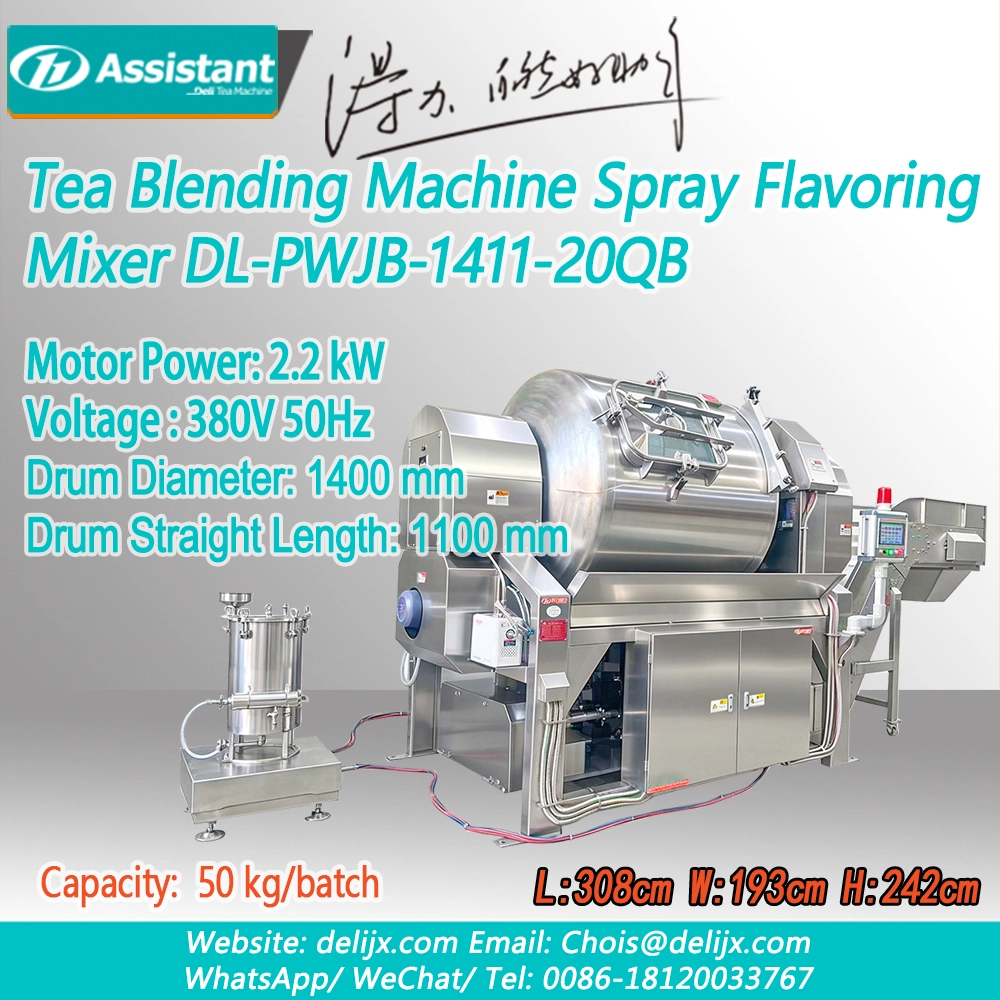
This DELI ASSISTANT spray mixer is a dual-function tea blending & aroma spraying machine, used for homogenizing tea piles and atomized flavor adding in tea factory production, with 1400mm drum, 2.2kW motor and 380V power supply.
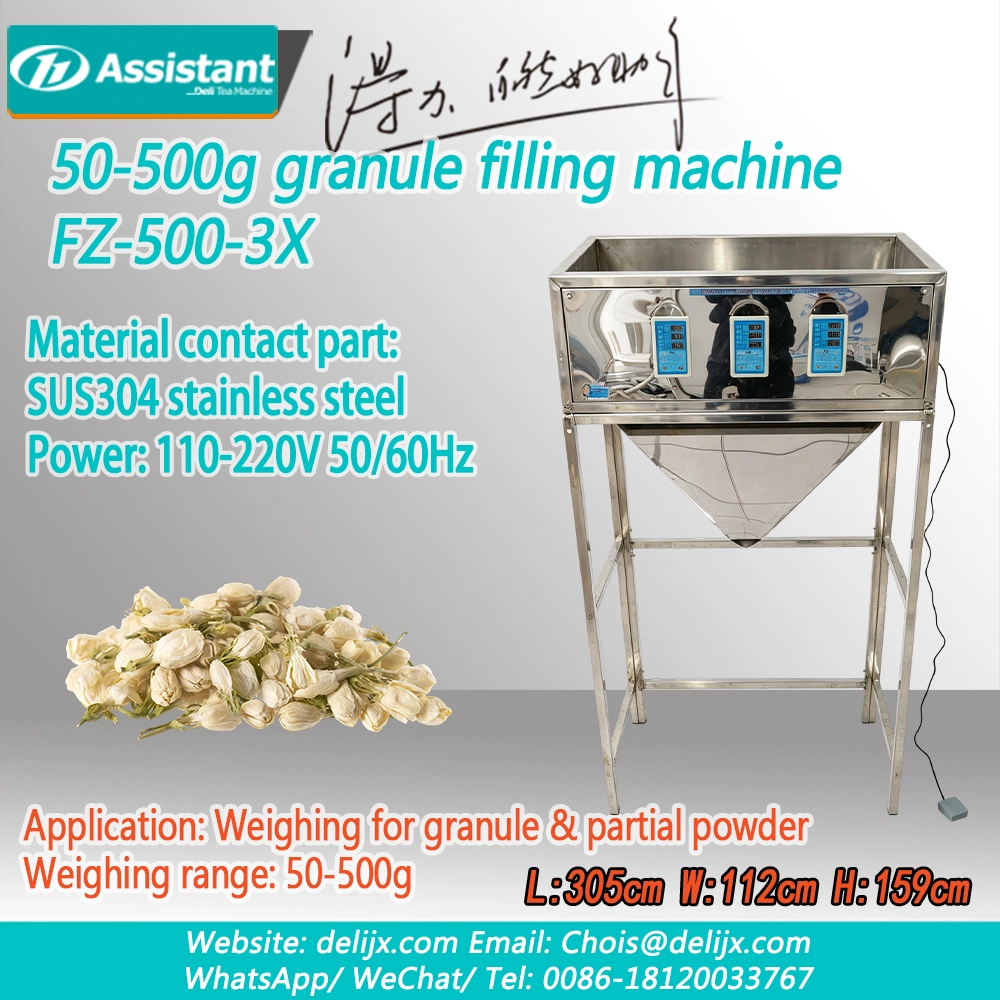
FZ‑500‑3X Automatic Quantitative Filling Machine 50‑500g Granule Powder Weighing Dispenser For Tea Grain Coffee Bean
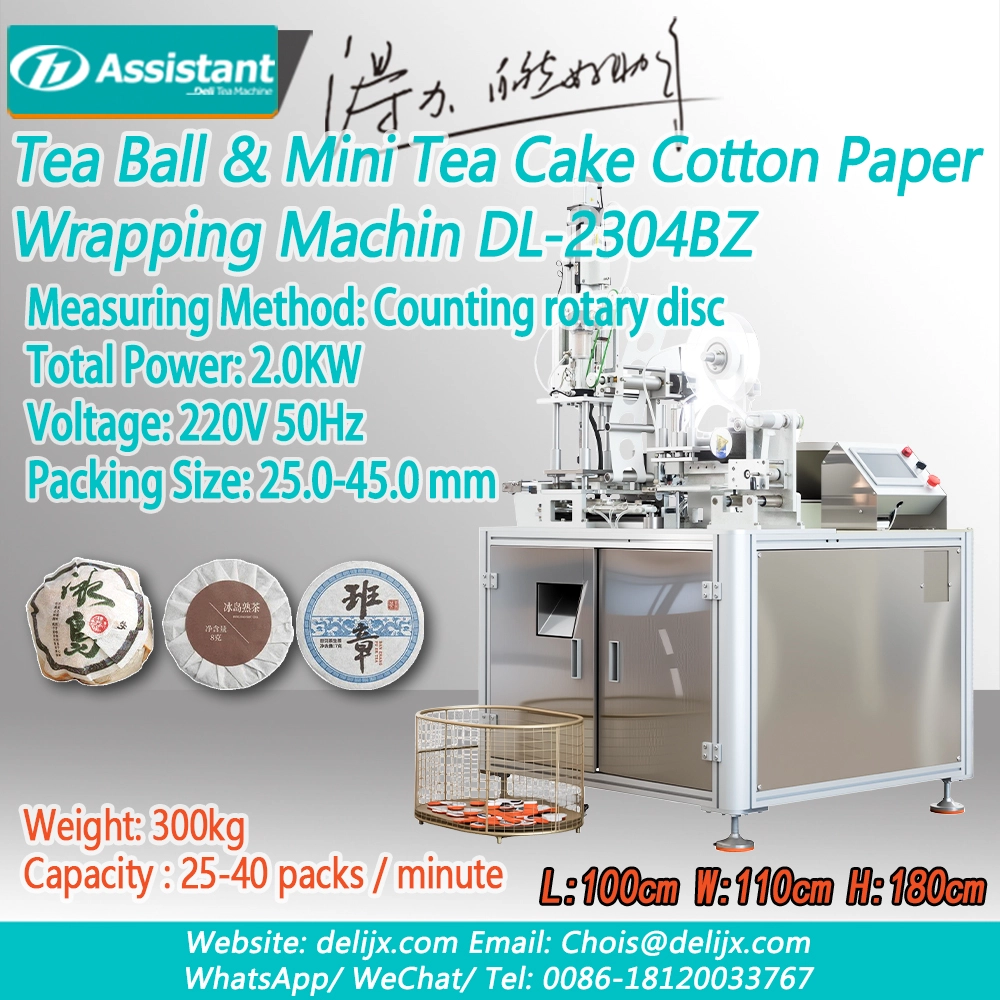
Automatic cotton paper wrapping machine for Pu‑er dragon pearl tea and mini tea cake. PLC control, 25‑40 pcs/min speed, one‑key switch for tea ball & small cake, stable pneumatic‑servo operation for compressed tea packaging.
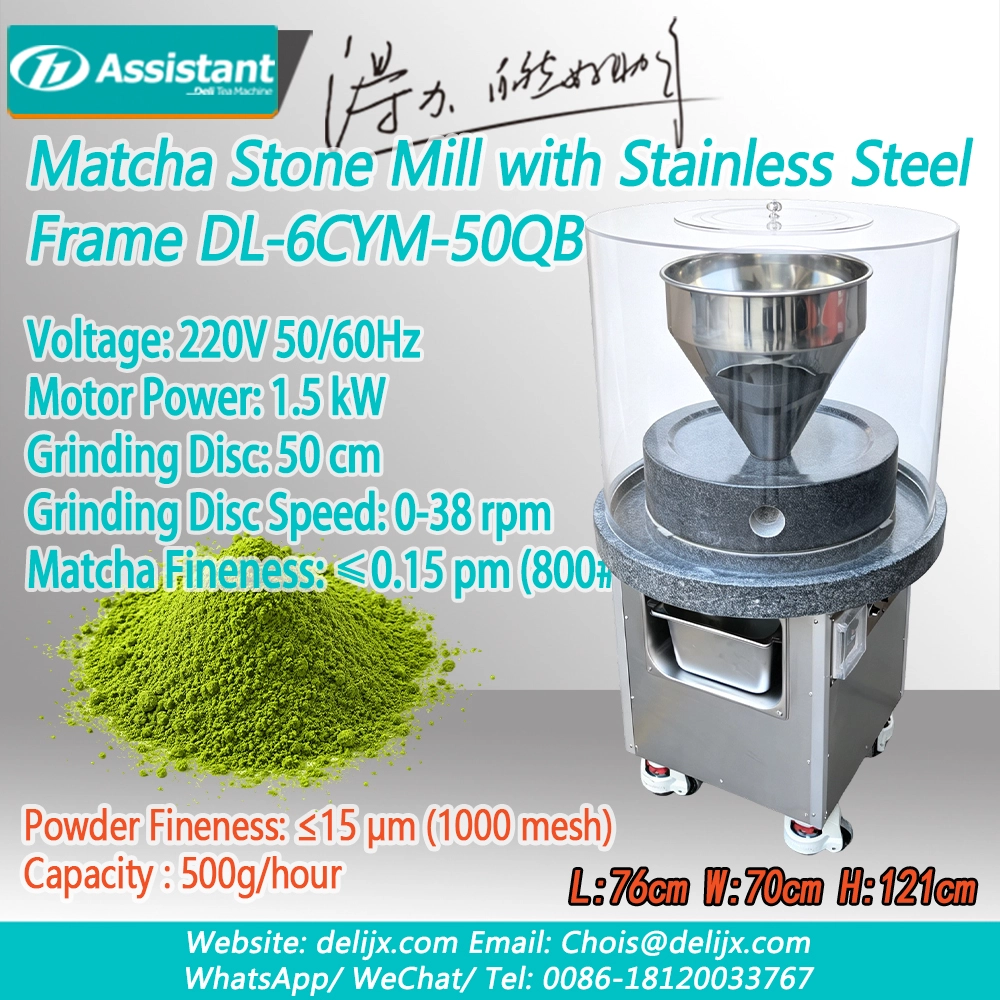
6CMJY-50QB stainless steel custom base matcha green stone mill, natural granite stone plate, low-speed cold grinding. Preserve tea aroma, produce ultra-fine matcha powder. Stainless steel frame with casters, suitable for tea shops, labs and small-batch matcha production.
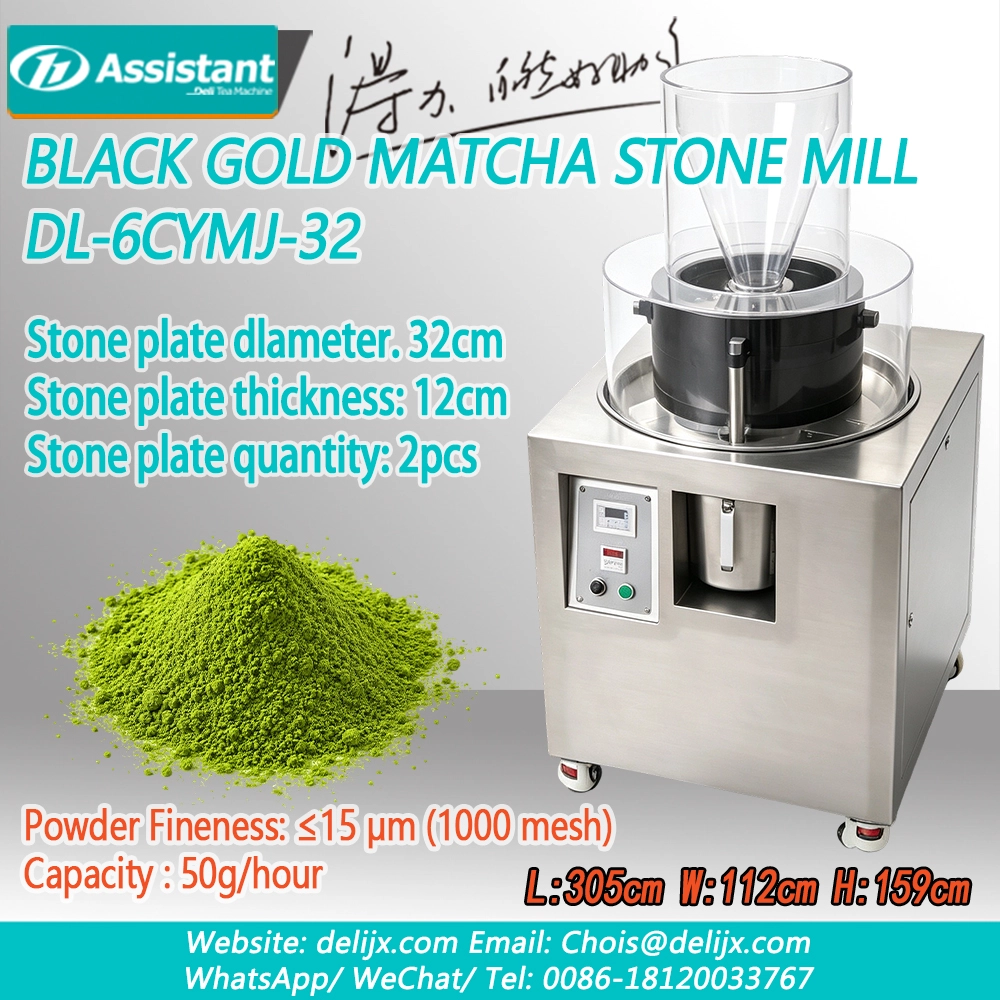
Custom heightened small matcha stone mill DL-6CYMJ-32M, equipped with 30cm natural stone plates. Low-speed low-temperature grinding, produce ultra-fine matcha powder ≤15μm. 50g/h capacity, stainless steel body, ideal for boutique tea shops & small-batch matcha production.
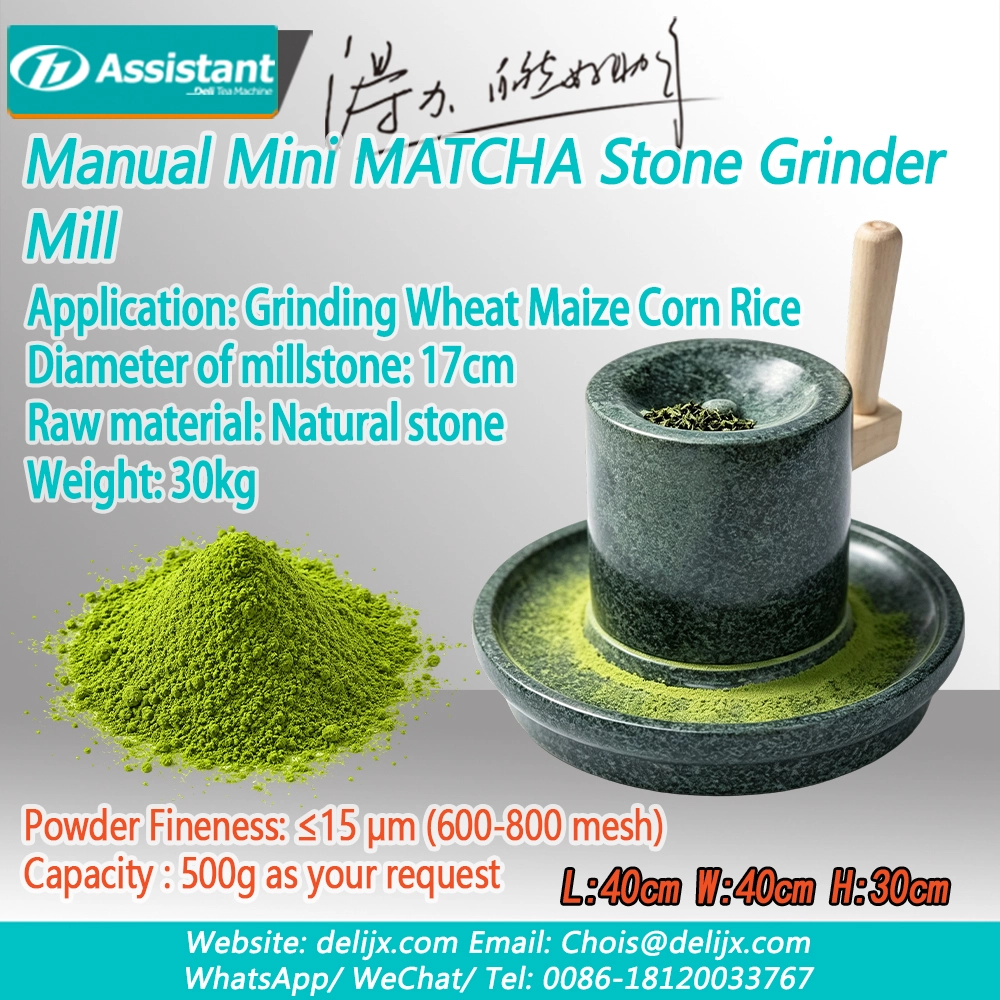
Manual Matcha Stone Mill is a traditional hand-operated grinder made from natural stone, designed for producing fresh and authentic matcha powder. With a slow grinding process and low heat generation, it helps preserve the natural color, aroma, and flavor of tea leaves. Compact and durable, it is ideal for matcha cafes, tea houses, restaurants, cultural experience shops, and small-batch matcha production.
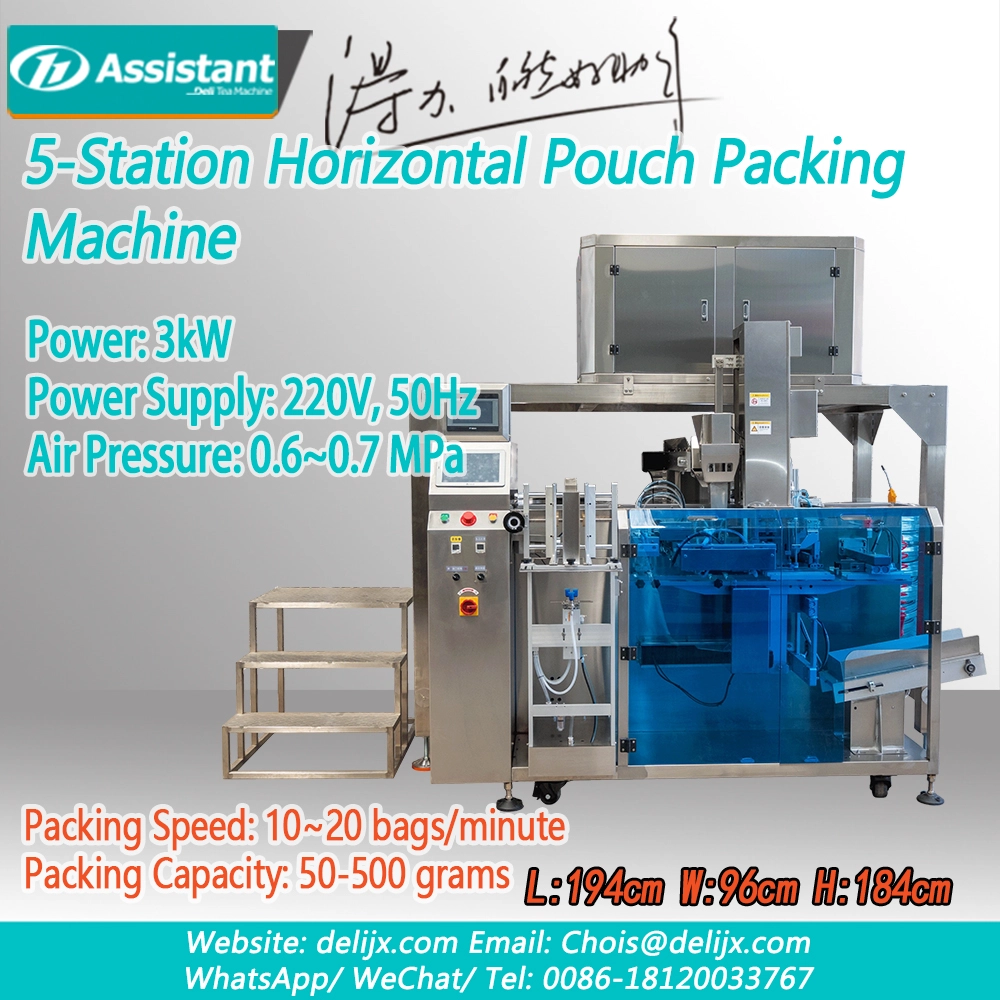
This 5-station horizontal pouch packing machine handles M bags, flat pouches and zipper pouches for 50–500g granular materials like tea. It automatically finishes weighing, filling, vacuuming and sealing with servo control, supporting multiple optional accessories.
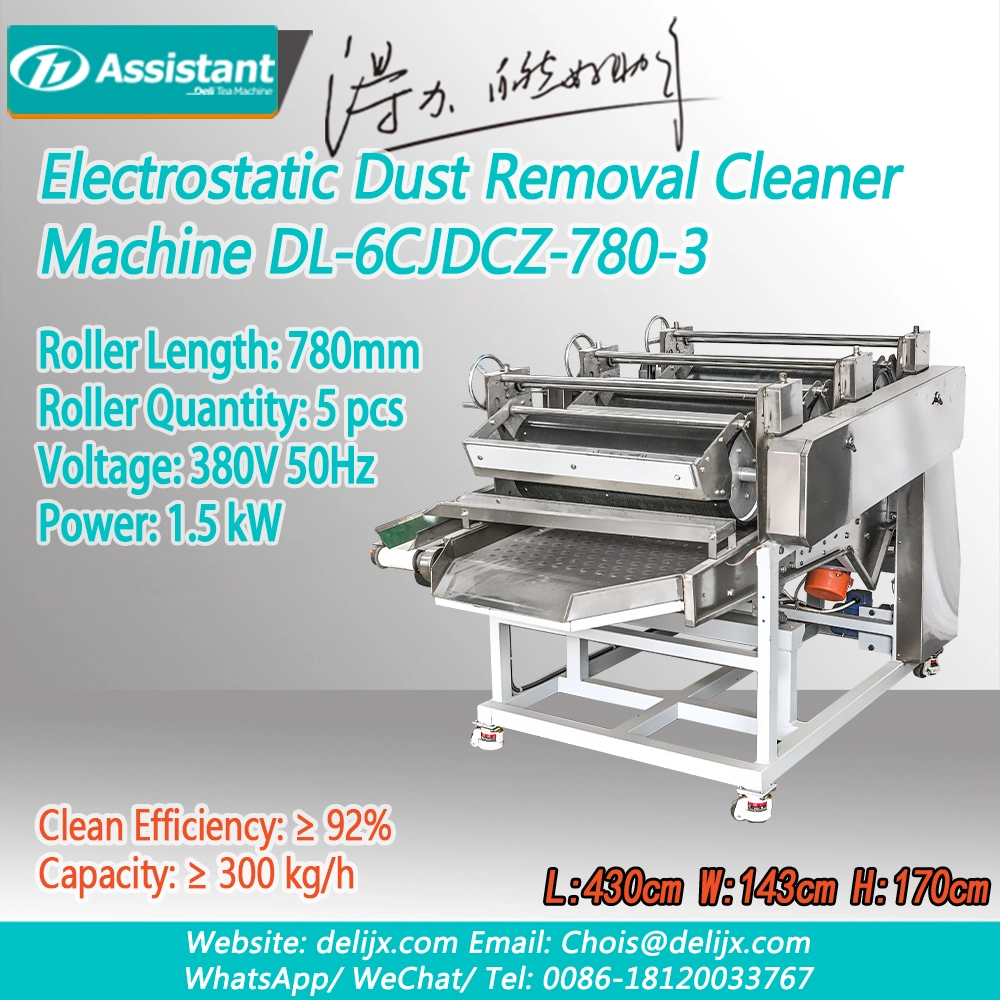
The electrostatic cleaner adsorption generated by 4-10 electrostatic rollers extracts impurities in the tea, such as hair, broom bristles, tea fluff ash, thatch, woven bag silk, plastic scraps, iron filings, etc.
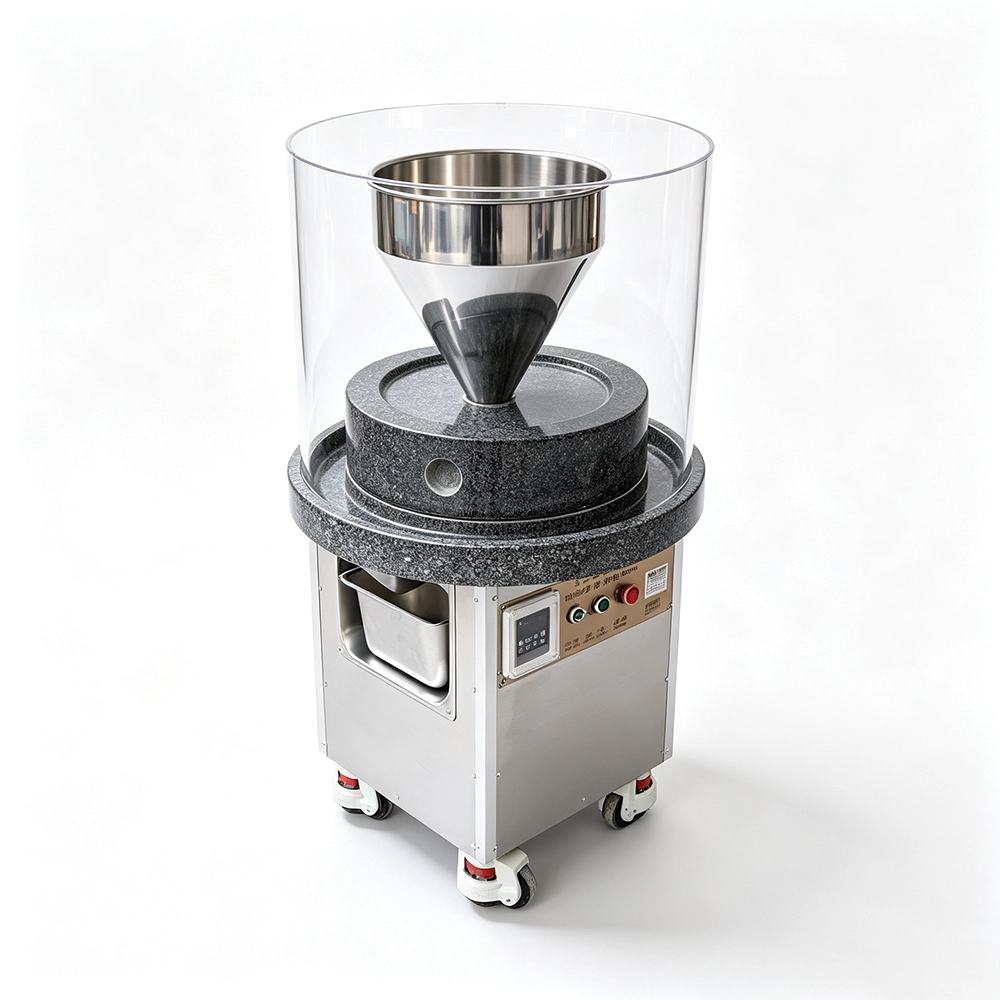
Looking for the right matcha grinding equipment? Read our in-depth comparison of 4 matcha grinders, including Black Gold Stone Mills, Blue Stone Mills, Batch Ball Mills, and Continuous Ball Mills. Learn their efficiency, particle size distribution, and ideal applications.
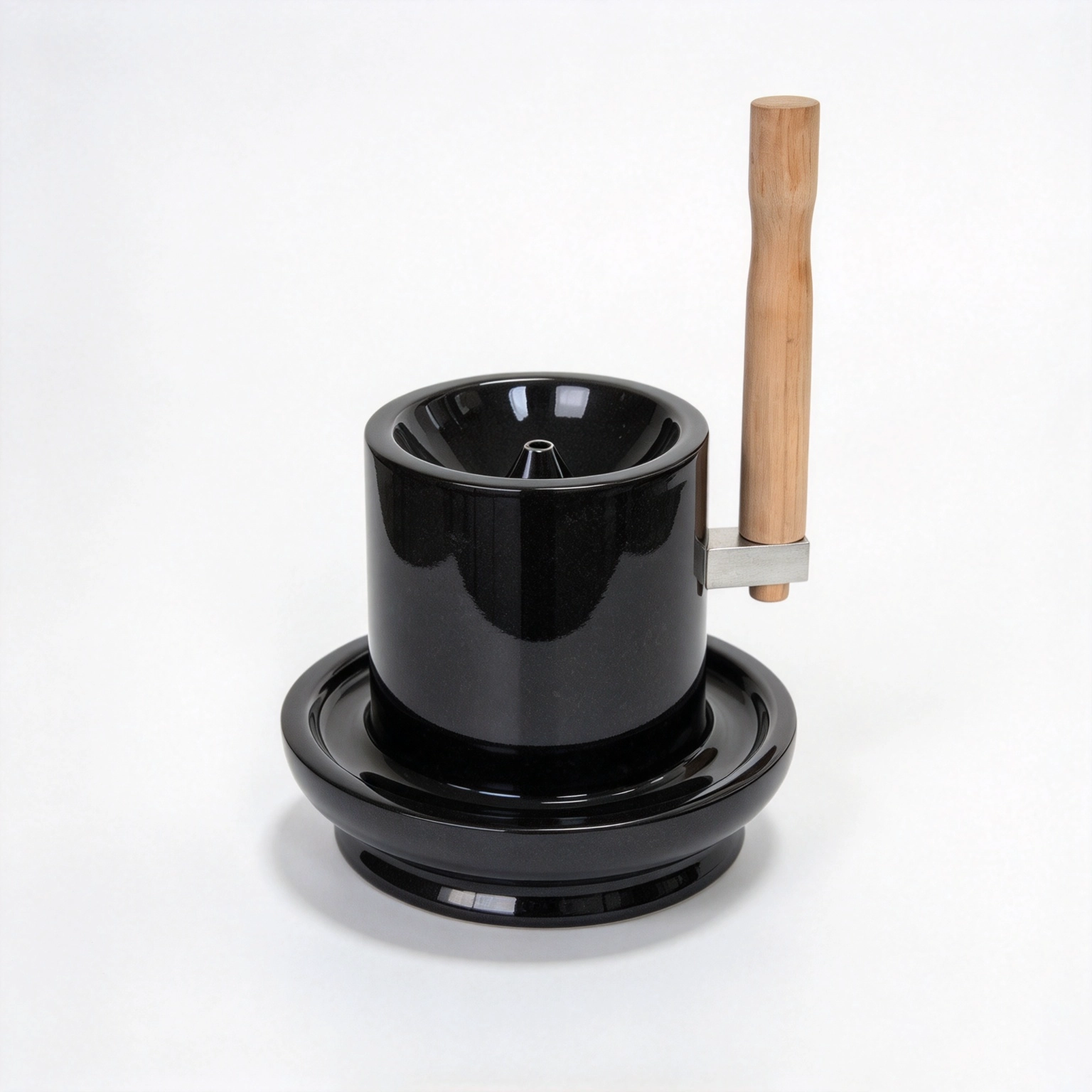
Experience the true flavor of freshly ground matcha. Our mini black stone manual matcha mill brings traditional Japanese stone grinding craft to your home, hand-cranked for fine, aromatic matcha powder.
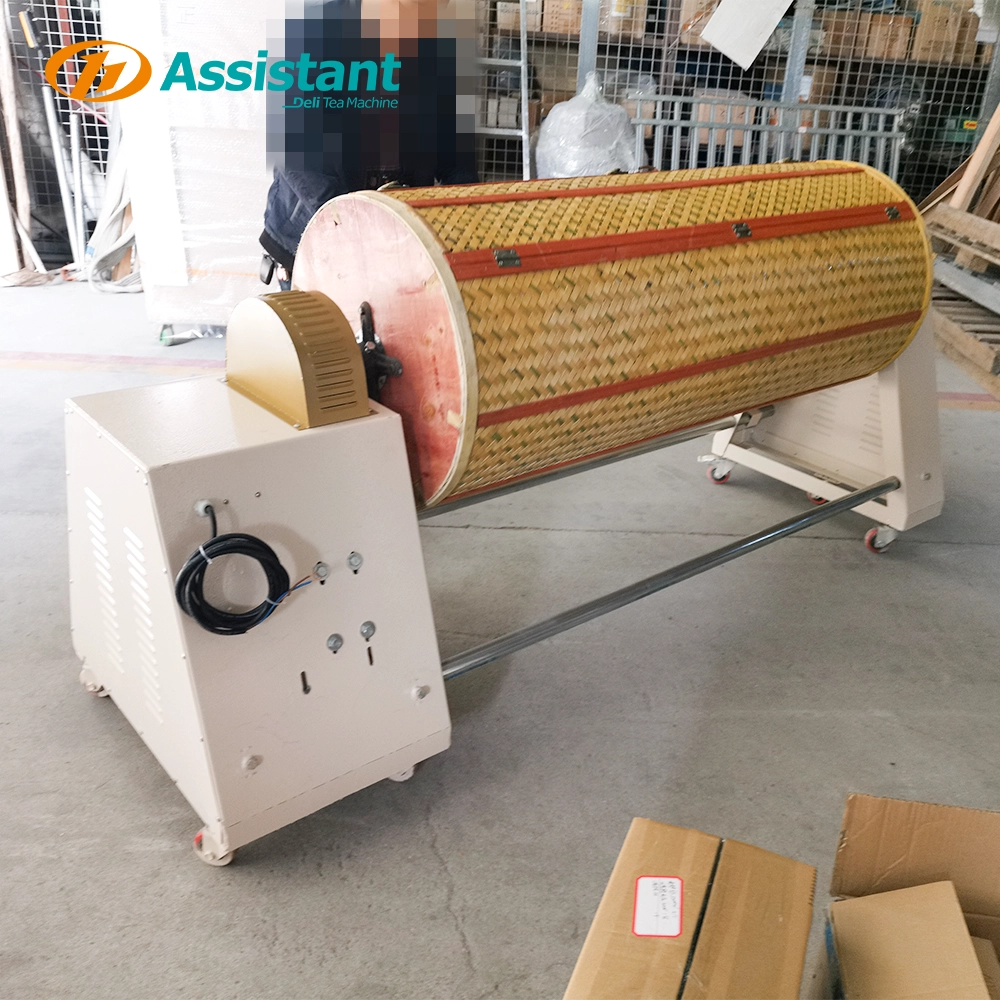
Our bamboo drum oolong tea shaking machine, also known as tea leaf shaker, simulates manual tea shaking to achieve uniform leaf oxidation. Multiple models available for small & large tea factories, stable speed control for premium oolong tea production.

Our DL-6CYMJ-32W stone mill grinder is specially designed for processing matcha and tea leaves. It adopts natural stone plates & SUS304 stainless steel frame, capable of producing ultra-fine tea powder up to ≤15μm (800 mesh). With adjustable rotating speed and automatic operation, it is ideal for tea factories and food workshops. We will introduce its specifications, core advantages, operation workflow and daily cleaning tips below.
How to Troubleshoot Uneven Moisture Content During Tea Drying
As a mechanical engineer in the tea processing industry, I frequently encounter facilities struggling with one of the most critical phases of production: drying. Achieving the precise final moisture content (typically around 3-5%) is essential for locking in the tea’s aromatic compounds and ensuring shelf stability. When moisture content is uneven across a single batch, the consequences are disastrous. Over-dried leaves become brittle and lose their complex flavor profiles, while under-dried leaves risk microbial growth and rapid degradation.
If your facility is facing inconsistent drying results, the root cause is rarely the tea itself, but rather the mechanical and thermal dynamics within your drying equipment.
Asymmetrical Airflow Distribution: If the primary fan motor is underperforming or internal baffling is misaligned, heat will channel unevenly, creating severe hot and cold spots within the chamber.
Sensor Drift and Heating Element Failure: Industrial thermocouples and humidity sensors drift over time. Furthermore, if one phase of a multi-group heating element fails, the PID controller will struggle to maintain uniform chamber temperatures.
Static Overloading: Piling wet leaves too thickly on static drying trays prevents hot air from penetrating the center of the mass, leading to a dry exterior and a damp core.
Address Airflow Dynamics: Begin by verifying the fan motor voltage and amp draw against the manufacturer's specifications (e.g., checking that your 0.55 kW fan motor is operating optimally). Inspect the internal galvanized or stainless steel boards for warping that might redirect airflow. Clean all exhaust ports and intake vents using compressed air to ensure zero static pressure buildup.
Calibrate Sensors and Test Elements: Isolate the heating system. If your machine utilizes a multi-group electric heating wire setup, use a multimeter to check the continuity and resistance of each group. Recalibrate your chamber's thermal sensors using a certified secondary digital probe placed directly in the center of the drying area.
Optimize Batch Loading: Strictly adhere to the volumetric capacity of your machine. Spread the leaves in a uniform, thin layer. If your effective drying area is around 5.38 m², your total batch weight should not exceed the strict 15-20 kg limit to allow for proper convective heat transfer.
To prevent recurrence, implement a daily pre-flight checklist. Vacuum out all tea dust from the bottom heating elements to prevent fire hazards and thermal insulation. Inspect door seals for thermal leaks, and crucially, check the mechanical drive systems—such as belts and tray motors—to ensure they are properly tensioned and lubricated.
While static trays require constant manual intervention and meticulous loading, upgrading to automated, dynamic drying systems eliminates human error.
For facilities demanding absolute consistency, we recommend the DL-6CHZ-5QB Rotary Tea Roasting Machine. Instead of relying purely on static airflow, this model features 14 layers of high-grade stainless steel round trays driven by a dedicated 30W motor. The trays rotate continuously at a precise 6 rpm, ensuring every single leaf receives the exact same thermal exposure from the 9 kW, 3-group electric heating system. Encased entirely in stainless steel for maximum thermal retention and food safety, it delivers perfectly uniform batches, every single time.