Matcha is famous for its bright green color, delicate powder texture and fresh tea flavor. Ultrafine grinding is the key process to determine matcha quality. As the core consumable of ball mill equipment, grinding ball material fundamentally controls the grinding fineness, impurity content and active substance retention of matcha. Unlike industrial powder grinding, matcha grinding has strict requirements for food safety, zero pollution and color protection. Selecting a suitable grinding ball is crucial to improve matcha grade and production efficiency.
This article systematically compares the performance advantages and defects of four commonly used grinding balls for matcha processing, and sorts out the optimal matching scheme for different production processes.
1. Basic Characteristics and Differences of Core Grinding Balls for Matcha To meet the requirements of ultrafine matcha grinding at different grades, modern industrial ball mills typically use zirconia-based grinding media of varying purities, materials, and sizes. The following is an analysis of five mainstream grinding balls:
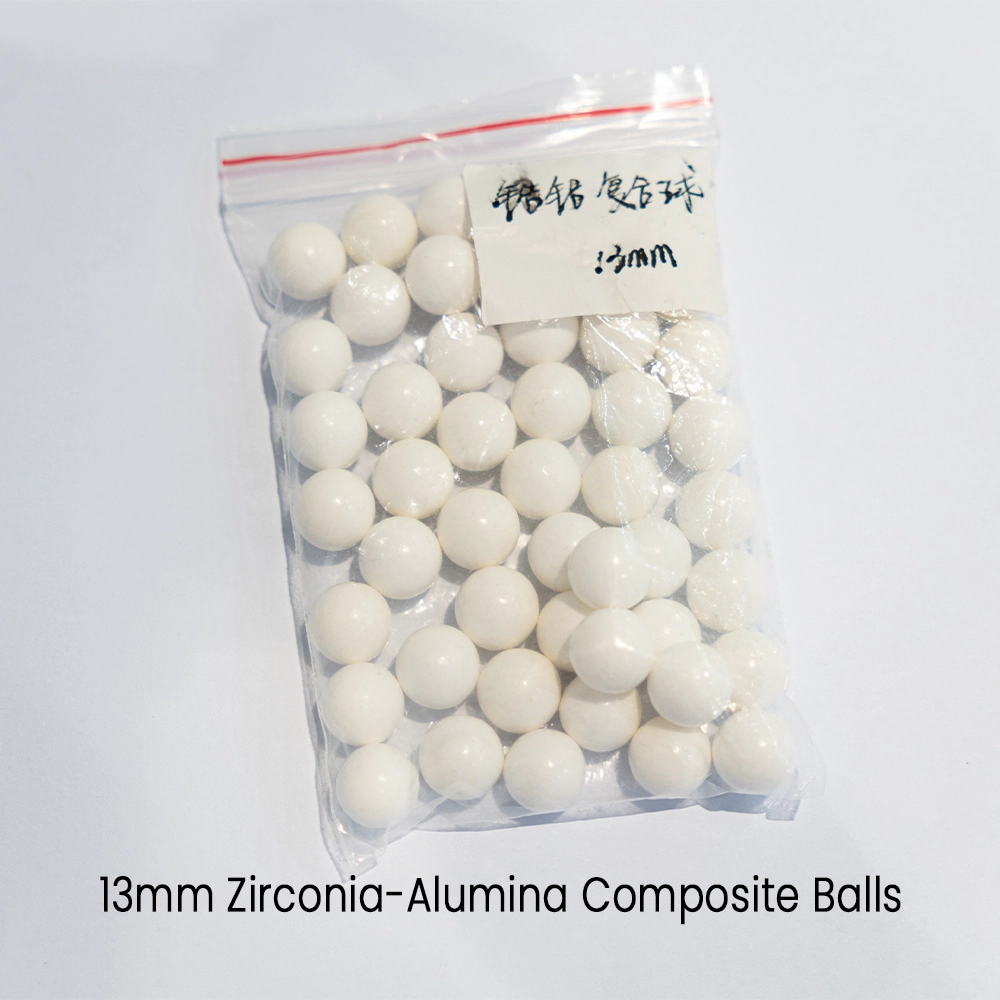
1.1 13mm Zirconia-Alumina Composite Balls
-
Characteristics: Combines the high hardness of alumina with the toughness of zirconia. Compared with pure alumina balls, the wear resistance is significantly improved, and it is not easy to chip. Compared with pure zirconia beads, it is more cost-effective.
-
Application: Suitable as an intermediate grinding medium for matcha. It provides good grinding efficiency while controlling costs, offering excellent value for money.
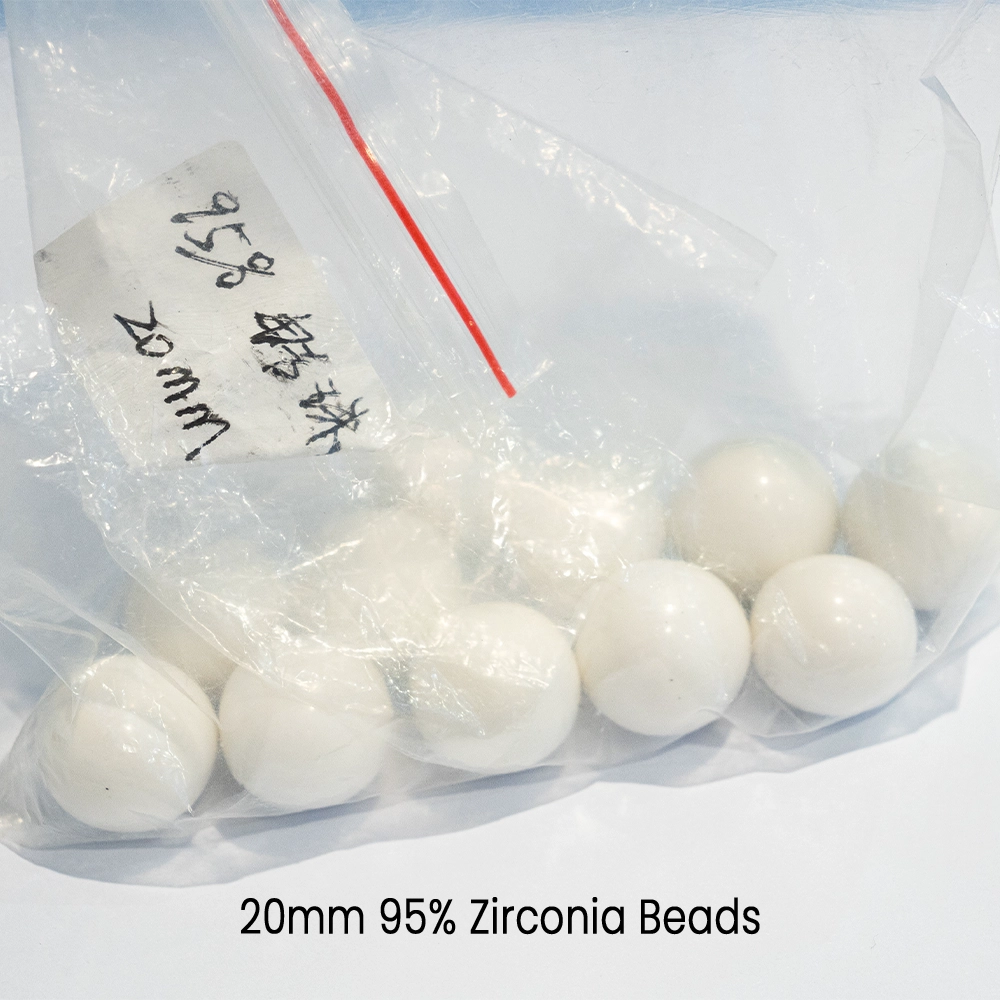
1.2 95% 20mm Zirconia Beads
-
Characteristics: 95% purity (usually Yttria-stabilized zirconia) features ultra-high density and strong impact resistance. The large 20mm size gives it immense individual kinetic energy and gravity impact force.
-
Application: Primarily used for the primary coarse grinding stage or crushing large tea particles. It quickly breaks down the coarse fiber structure of tea leaves, laying the foundation for subsequent ultrafine grinding.
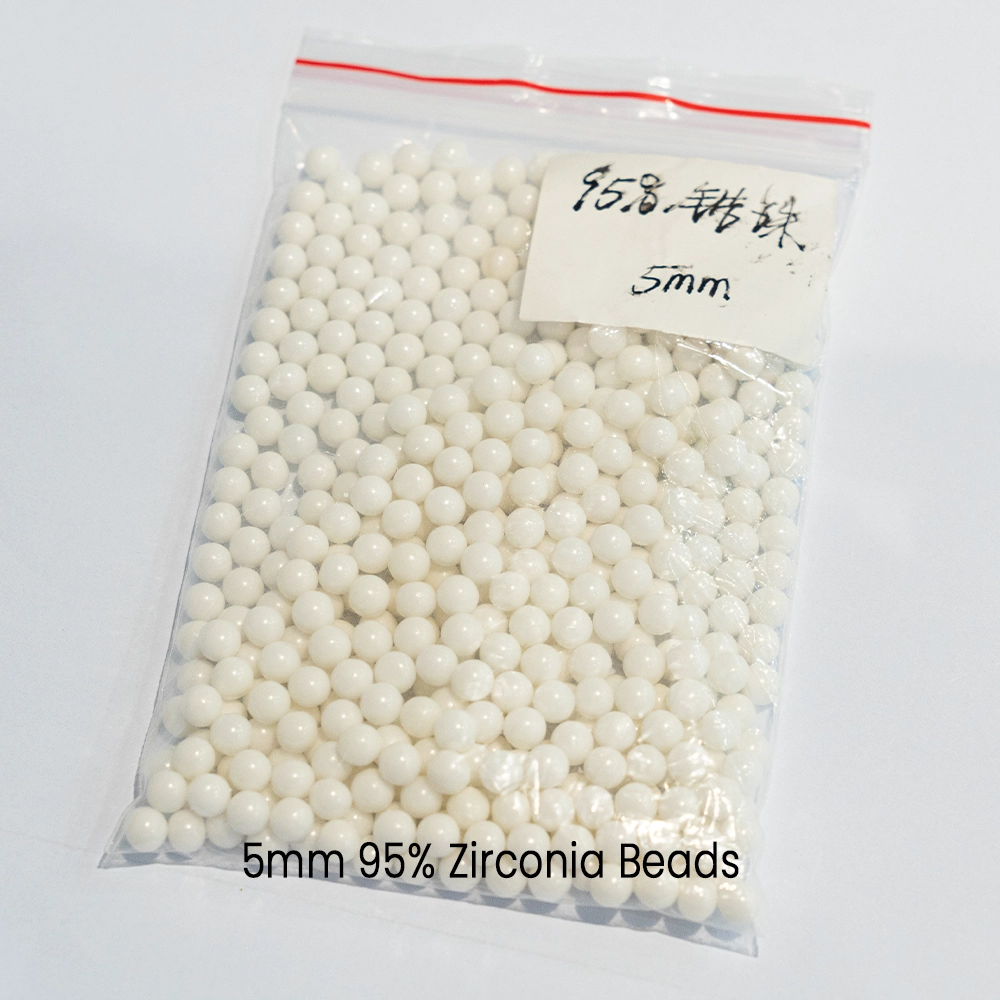
1.3 95.8% 5mm Zirconia Beads
-
Characteristics: High purity ensures food safety and zero pollution. The micro-size of 5mm means that within the same volume, the contact points between the grinding balls increase exponentially, providing extremely dense shear and friction forces.
-
Application: Exclusively used for the ultrafine grinding and polishing stage of matcha. It is the key medium that determines the final fineness (e.g., 800-2000 mesh) and delicate texture of the matcha powder.
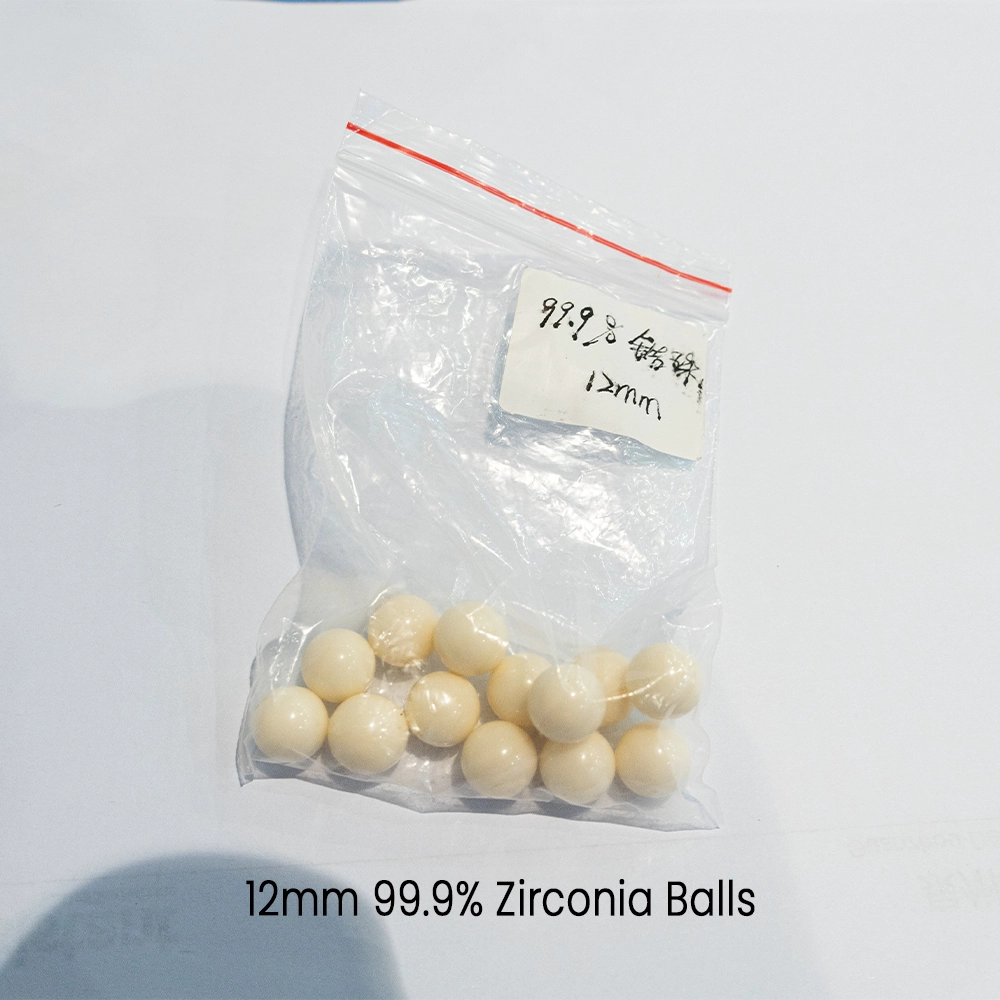
1.4 99.9% 12mm Zirconia Beads
-
Characteristics: Ultra-high purity of 99.9% brings ultimate chemical stability, ultra-low wear rate (almost zero), and a smooth surface. 12mm is a golden medium size that balances impact and shear forces perfectly.
-
Application: The premier choice for high-end/premium grade matcha. With zero impurity precipitation, it perfectly protects the bright green free-state chlorophyll and pure aroma of matcha, fully complying with the strictest international food-grade standards.
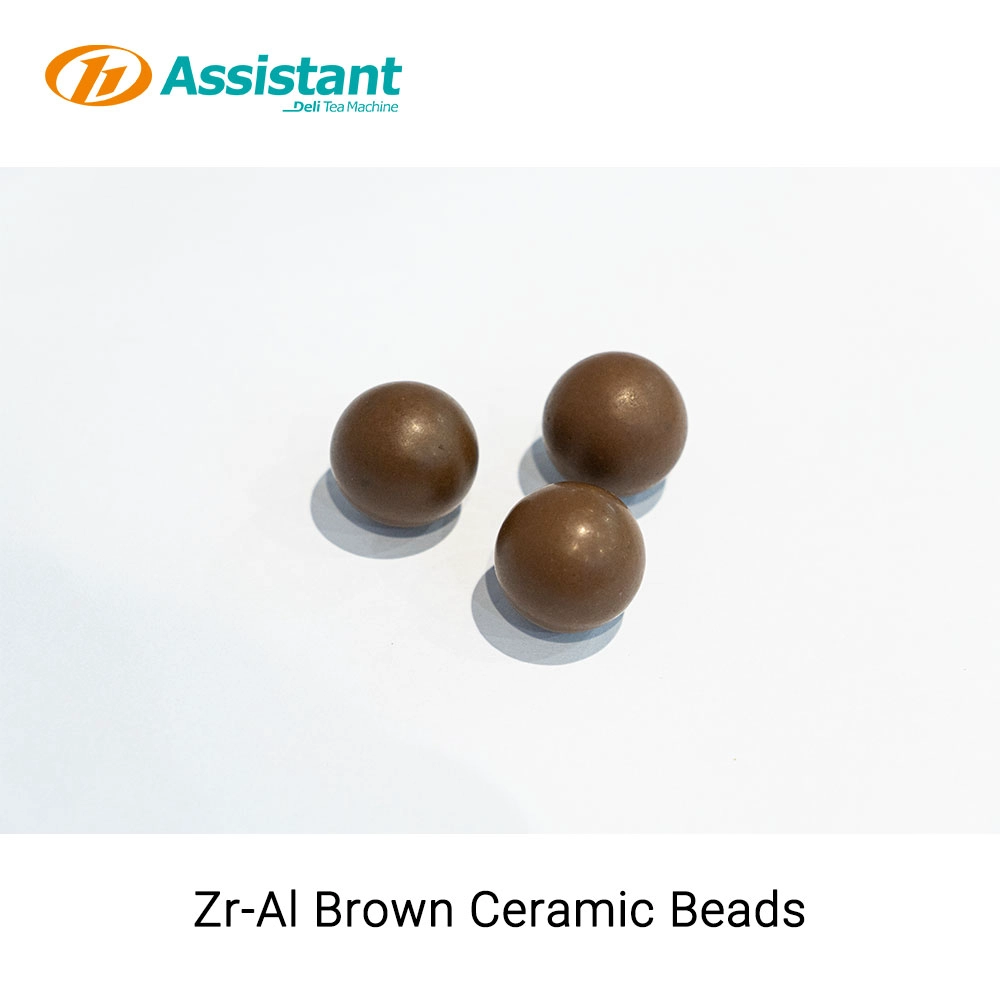
1.5 Standard - Zr-Al Brown Ceramic Beads
-
Characteristics: As the "standard" configuration for the equipment, brown ceramic beads are sintered with a special formula. Their density and wear resistance are between ordinary alumina and pure zirconia beads. The microscopic surface structure effectively grips tea particles.
-
Application: The universal configuration for standard matcha ball mills. Highly durable and effectively prevents matcha discoloration caused by metal oxidation. It is a stable and reliable choice for industrial mass production of matcha.
4. Conclusion
For food-grade high-quality matcha production, food-grade zirconia beads are the most ideal grinding medium due to their high efficiency, zero pollution, super wear resistance and excellent color protection performance. The optimized combined process of "stainless steel coarse grinding + zirconia fine grinding + polyurethane homogenization" can maximize production efficiency while maintaining the top-level taste, color and safety of matcha products, which is the best process solution for modern matcha industrial production.