Matcha is more than just green tea—it is a finely ground powder of specially grown and processed shade-grown tea leaves, celebrated for its vibrant green hue, rich umami flavor, and abundant nutrients. Unlike steeped green tea, matcha is consumed whole, meaning every tiny particle of the leaf enters your body. This unique feature makes the grinding process the most critical step in determining matcha’s final quality, far beyond simple leaf crushing.
Many casual matcha lovers overlook the impact of grinding equipment. Ordinary electric grinders generate excessive heat during high-speed rotation, destroying delicate catechins, chlorophyll, and aromatic compounds in tea leaves. This results in dull-colored matcha, faded umami taste, and lost nutritional value. Traditional rough grinding also creates uneven particle sizes, leading to poor solubility, clumping, and a frothless, flat cup of matcha.
Premium matcha relies on low-temperature, uniform, and precise grinding to preserve the leaf’s natural essence. With the evolution of tea-processing technology, three professional grinding tools have become the gold standard for high-quality matcha production: matcha ball mills, black gold stone mills, and classic bluestone stone mills. Each has unique working principles, functional advantages, and applicable scenarios. Today, we break down the science of matcha grinding and help you pick the perfect grinder for ceremonial, home, or commercial use.
The Core Science of Premium Matcha Grinding
To understand why professional matcha mills outperform ordinary grinders, we first need to master three core indicators of matcha grinding quality:
1. Low-Temperature Processing
Tea leaves contain heat-sensitive nutrients including chlorophyll, EGCG, and volatile aromatic oils. Temperatures above 40°C will oxidize chlorophyll (turning matcha yellowish) and evaporate flavor compounds. High-quality matcha grinding strictly controls low-temperature operation to lock in fresh color and layered aroma.
2. Uniform Micron Particle Size
Top-grade matcha features ultra-fine, consistent particles (usually 10–15 microns). Uniform powder ensures full water dispersion, smooth texture, and thick, long-lasting foam when whisked. Uneven coarse particles cause precipitation, weak foam, and a bitter, rough mouthfeel.
3. Pure Physical Grinding
Zero metal contamination and zero chemical residue are essential. Premium grinding relies on pure physical friction and crushing, avoiding metal friction oxidation or additive pollution to maintain matcha’s pure, original taste.
Common household grinders fail all three standards, while professional matcha-specific mills are engineered to solve these pain points perfectly. Below is a detailed introduction to the three most mainstream high-performance matcha grinding devices.
Top 3 Professional Matcha Grinders: Features & Advantages
1. Matcha Ball Mill: Modern High-Efficiency Ultra-Fine Grinding
The matcha ball mill is a modern upgraded grinding device that combines industrial precision with tea-making professionalism, breaking the limitations of traditional low-output stone mills. It adopts a sealed rolling grinding structure with high-hardness ceramic balls as the grinding medium, relying on continuous rolling, impacting, and fine crushing of ceramic balls to process tea leaves into ultra-fine matcha powder.
Core Advantages
-
Ultra-fine & uniform particle size: It stably grinds matcha to 10–15 microns with an extremely narrow particle size distribution, finer and more uniform than most traditional stone mills. The powder is silky, non-clumping, and dissolves instantly in hot or cold water.
-
Constant low-temperature operation: The fully sealed structure avoids high-speed friction heat generation. With optional circulating cooling systems, the grinding temperature stays below 20°C, completely locking in chlorophyll and nutrients to keep matcha bright emerald green.
-
High efficiency & large output: It solves the low-output pain point of traditional stone mills (only 500g per day). The ball mill supports continuous batch production, making it ideal for commercial tea shops, beverage brands, and medium-scale matcha production.
-
Clean & hygienic: The fully enclosed grinding chamber isolates external dust and bacteria, effectively avoiding impurity contamination and extending matcha’s shelf life.
Best for: Commercial matcha production, milk tea/beverage shops, users pursuing ultra-fine powder texture and stable large-batch output.
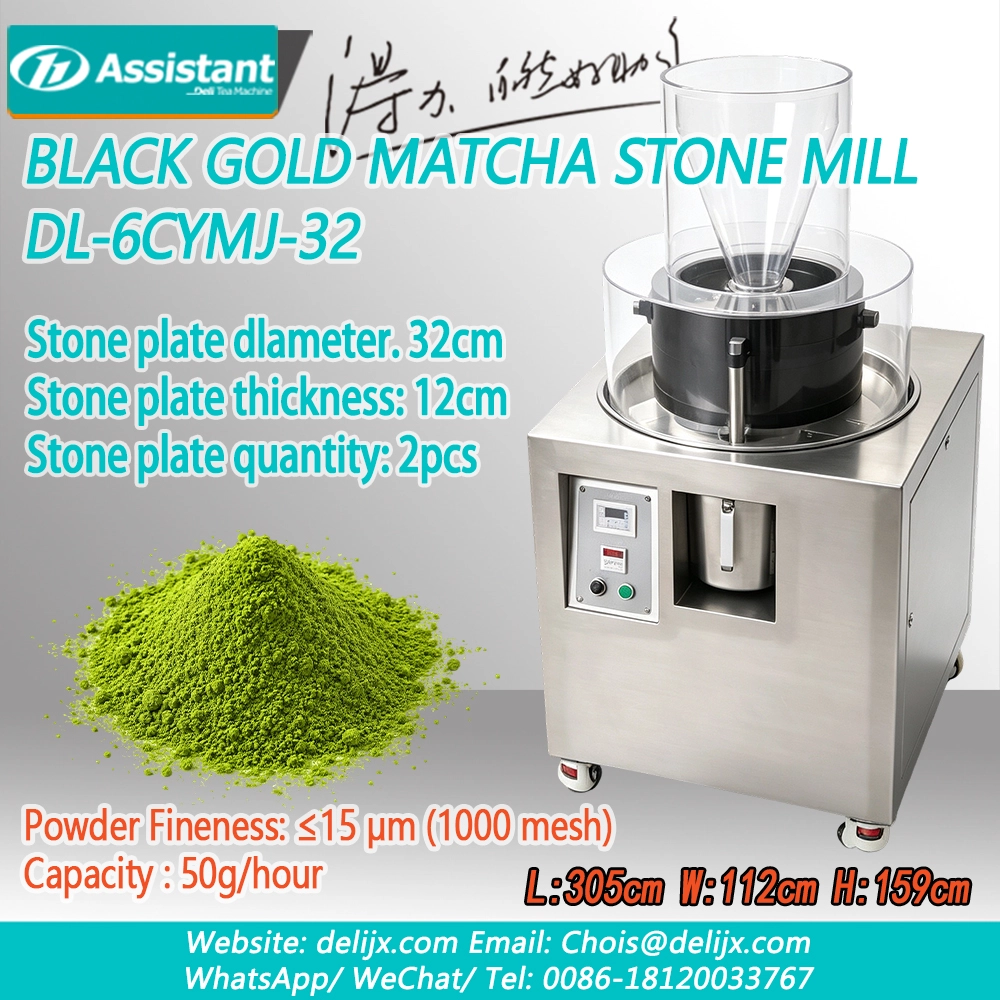
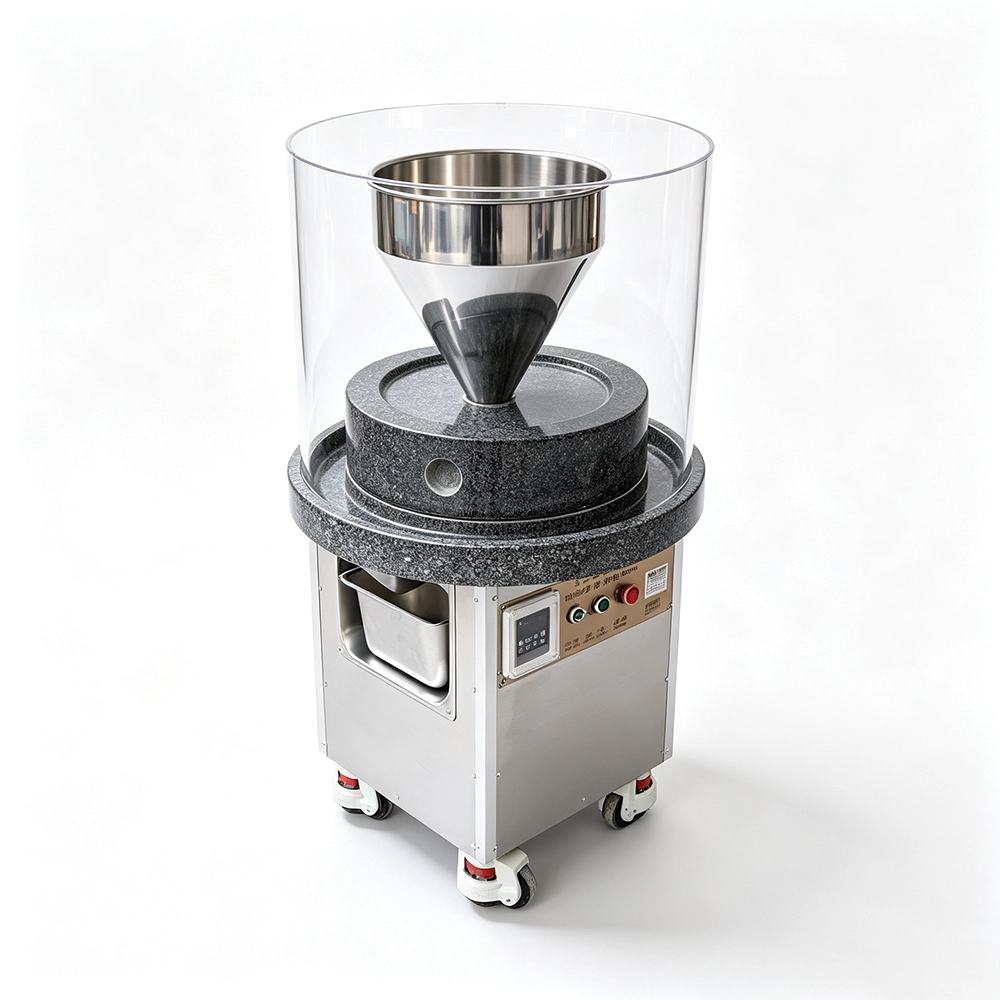
2. Black Gold Stone Mill (Black Granite Stone Mill): High-End Ceremonial Grade Grinding
The black gold stone mill is a premium traditional grinding tool crafted from rare high-density black granite (black gold stone), known as the “top stone for ceremonial matcha”. Unlike ordinary grey granite, black gold stone features high hardness, dense and uniform stone grains, and no porous gaps, making it the ideal material for high-precision low-friction grinding.
It follows the ancient low-speed rotating grinding principle (30–40 rotations per minute). The precisely carved spiral grooves on the millstone slowly shear and tear tea leaves through gentle friction, retaining the most primitive layered aroma of matcha.
Core Advantages
-
Zero residue & pure taste: The compact stone texture prevents stone powder falling off during grinding, ensuring no impurity pollution. It perfectly preserves matcha’s pure umami and delicate floral fragrance, meeting the strict standards of Japanese tea ceremonies.
-
Low-temperature constant fresh grinding: Low-speed friction generates almost no heat, completely avoiding nutrient oxidation. The ground matcha has a vivid natural green color and rich, layered flavor.
-
Durable & stable grinding: Black gold stone has ultra-high hardness and wear resistance, with long-term stable grinding accuracy. It does not deform after long-term use, ensuring consistent powder quality in every batch.
-
Irregular particle texture: Stone-ground irregular matcha particles trap air better when whisked, creating thicker, more durable foam, which is essential for authentic ceremonial matcha.
Best for: Tea ceremony enthusiasts, high-end boutique tea houses, luxury dessert shops, and users pursuing top-tier flavor and traditional grinding craftsmanship.
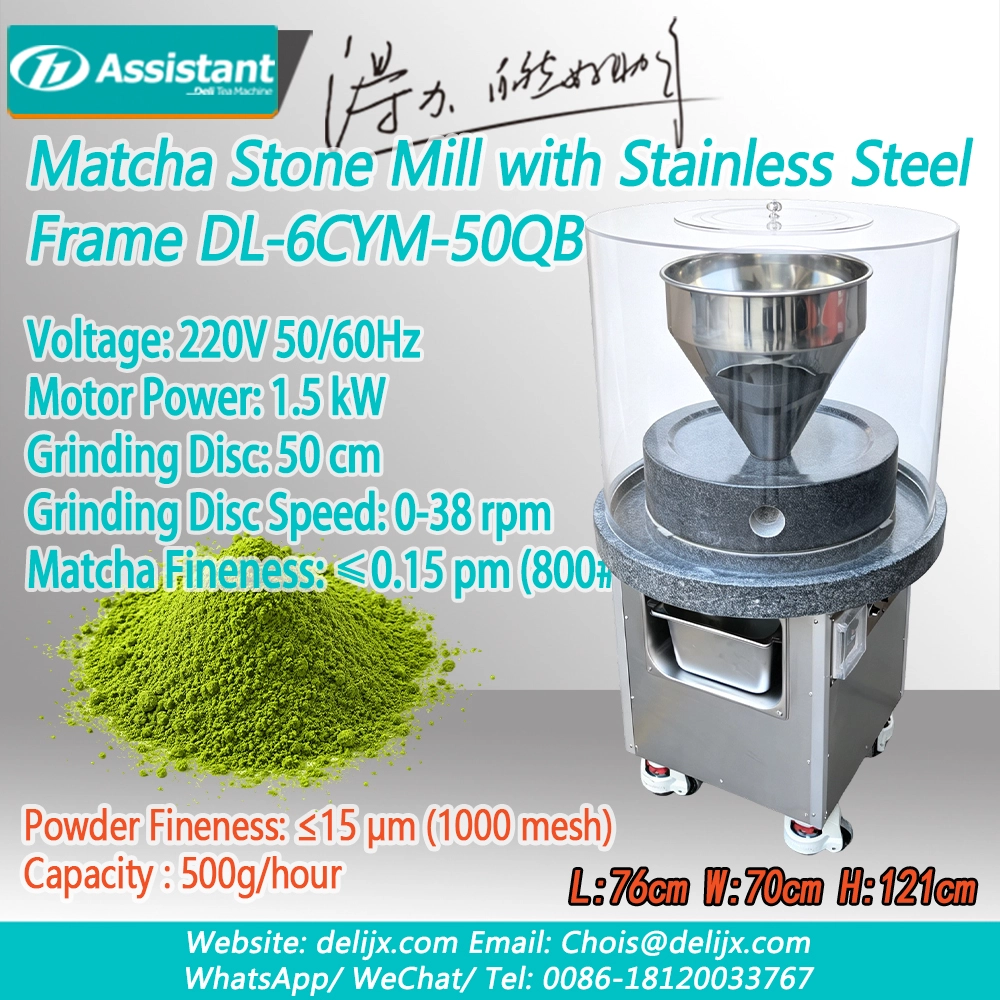
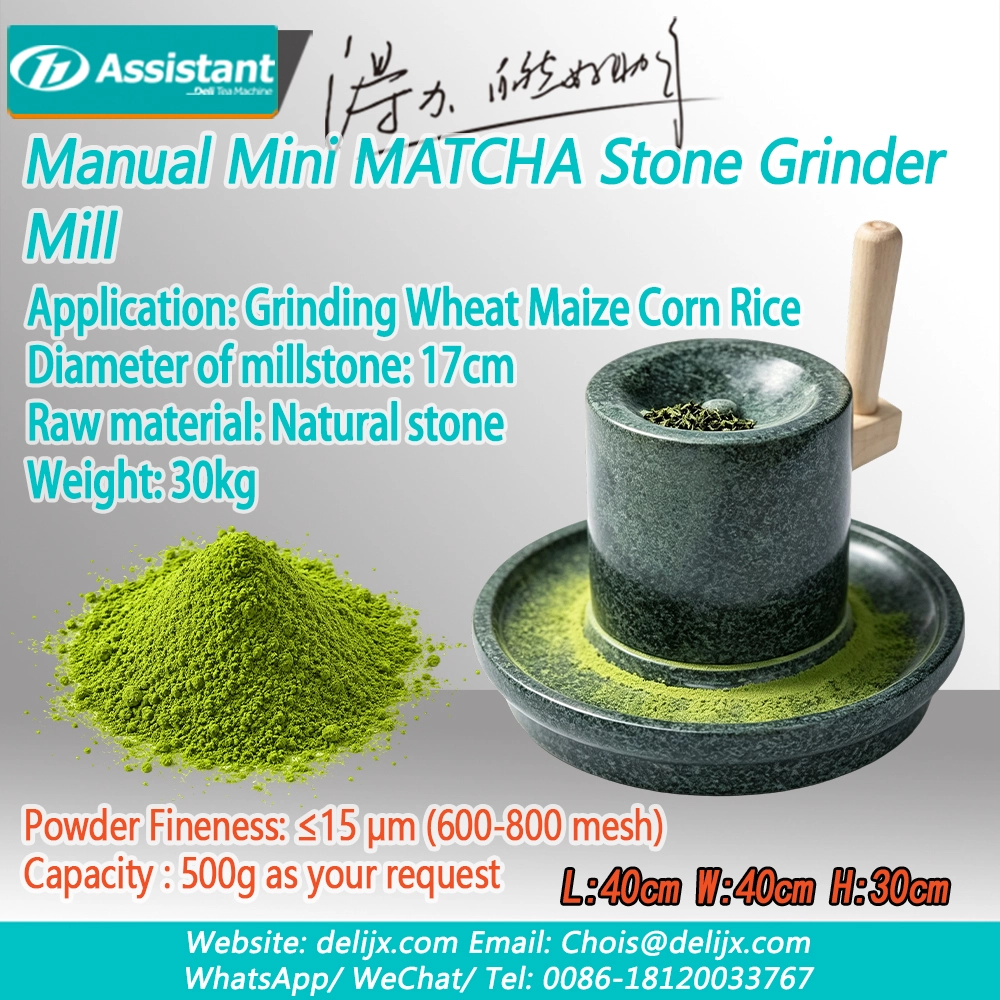
3. Bluestone Stone Mill: Classic Cost-Effective Traditional Grinding
The bluestone stone mill is a classic folk traditional matcha grinding tool and the most cost-effective choice for traditional handmade matcha. Made of natural bluestone with moderate hardness and delicate texture, it balances grinding fineness and aroma retention, perfectly fitting daily home brewing and small-batch handmade production needs.
Similar to black gold stone mills, it adopts pure low-speed manual or electric auxiliary grinding. The soft friction of bluestone avoids damaging tea leaf cells, slowly releasing internal nutrients and aroma substances.
Core Advantages
-
Excellent aroma retention: Moderate stone hardness and natural groove structure enable slow and full grinding, fully releasing matcha’s fresh grassy aroma and sweet aftertaste, with a balanced flavor suitable for daily drinking.
-
High cost performance: Compared with high-priced black gold stone mills, bluestone mills have lower costs while retaining core traditional grinding advantages, making them friendly for family users and beginners.
-
Simple operation & easy maintenance: The structure is simple and sturdy, easy to clean and maintain, with no complicated mechanical failure risks. It supports small-batch fresh grinding to ensure matcha freshness.
-
Wide applicability: The ground powder is suitable for daily tea brewing, matcha lattes, matcha desserts, and baking, meeting diverse daily use needs.
Best for: Home matcha lovers, beginners, handmade matcha enthusiasts, and small-batch personal production.
How to Choose Your Ideal Matcha Grinder?
To sum up, the three professional grinders have clear positioning for different needs:
-
Choose the matcha ball mill if you need high-efficiency, large-batch commercial production with ultra-fine, consistent powder.
-
Choose the black gold stone mill if you pursue ceremonial-grade flavor, pure taste, and top-tier tea art experience.
-
Choose the bluestone stone mill if you want traditional handmade flavor with high cost performance for daily home use.
Final Thoughts
Matcha’s premium quality never depends solely on tea leaf origin—grinding craftsmanship is the key to awakening its true flavor. Ordinary high-speed grinding destroys matcha’s essence, while professional ball mills, black gold stone mills, and bluestone stone mills use scientific and traditional craftsmanship to lock in every bit of freshness and nutrition. Whether you are a professional tea merchant, a tea ceremony enthusiast, or an ordinary matcha lover, choosing a dedicated matcha grinder will completely upgrade your matcha drinking experience.