Mechanical vs. PLC Ball Mill: Which Powder Grinder Fits Your Production?
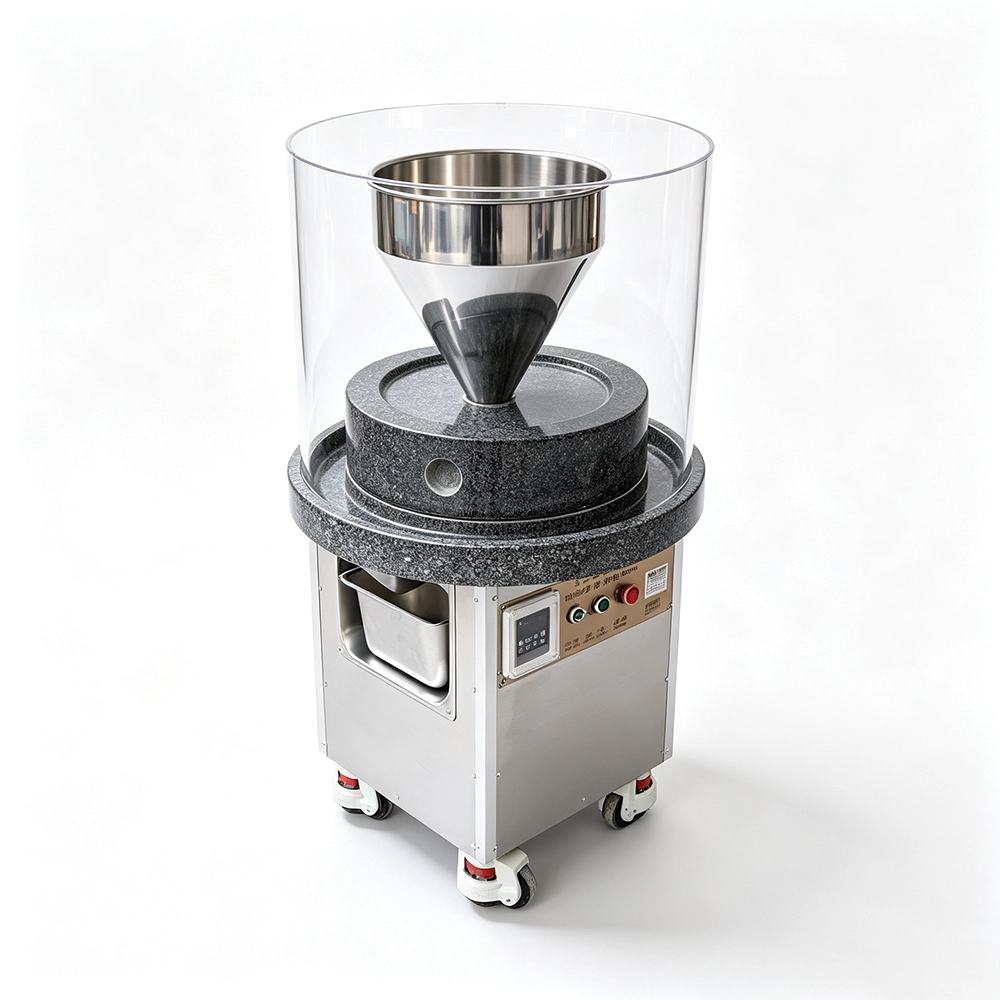
In the modern processing of ultra-fine powders, such as premium matcha and industrial tea powder, the ball mill is the heart of your production line. Choosing the right control system for your milling equipment doesn't just impact your daily output; it fundamentally affects product consistency, operator efficiency, and long-term maintenance costs.
Today, we are breaking down the differences between the two main configurations of our industrial ball mills: the Mechanical Control Model and the PLC Control Model. Here is everything you need to know to make the best purchasing decision for your facility.
1. The Mechanical Ball Mill: Classic, Durable, and Cost-Effective
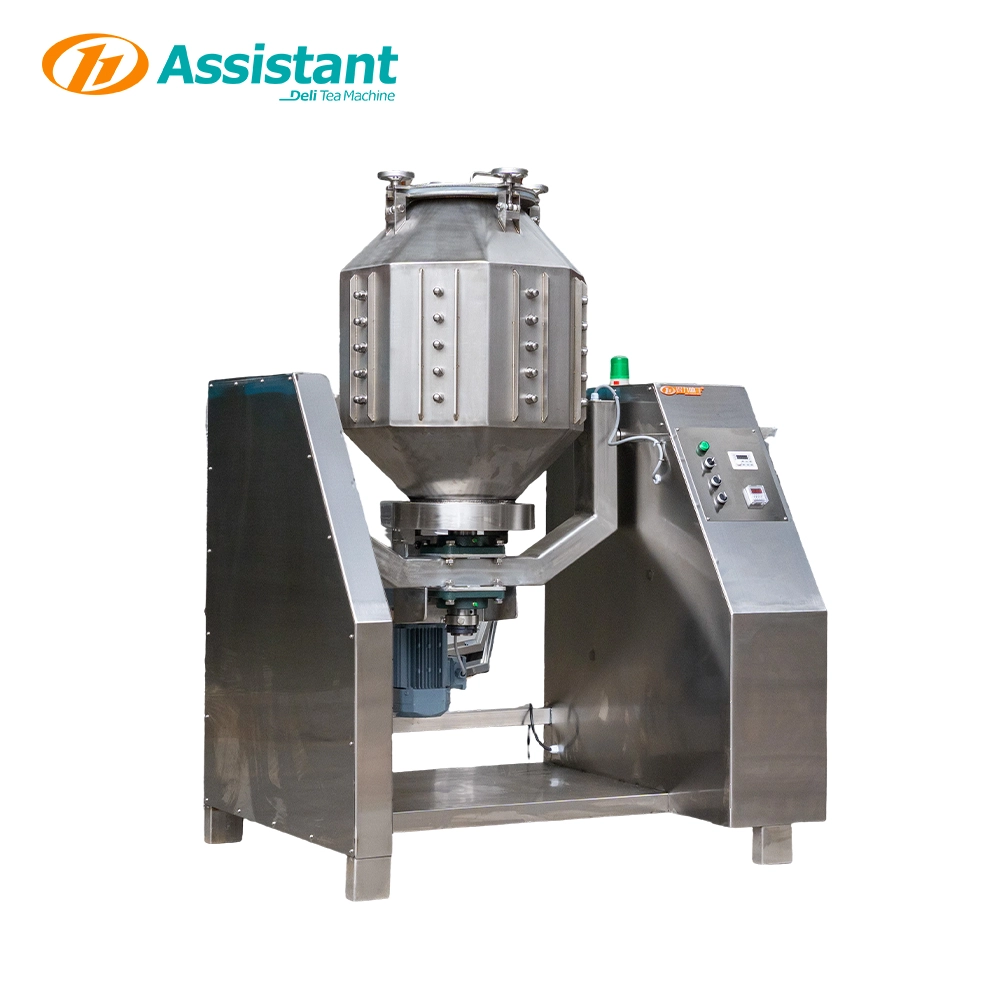
Characterized by its straightforward control panel featuring physical knobs, push-buttons, and distinct digital display meters, the mechanical ball mill is a testament to classic industrial reliability.
Key Differences & Features:
-
Tactile Operation: All parameter adjustments, such as rotation speed and milling time, are managed through physical switches. This provides immediate, tactile feedback for the operator.
-
Simplified Maintenance: With a traditional circuit structure relying on basic electronic components, troubleshooting is straightforward. Replacement parts are highly accessible, keeping long-term maintenance costs exceptionally low.
-
Minimal Learning Curve: This machine requires no software training. Any worker can be trained to operate the equipment safely and effectively within minutes.
Who is the Target Audience?
-
Startups and Small Workshops: Businesses working with a tighter equipment budget that do not require high levels of automation.
-
Single-Recipe Production Lines: If your facility processes the exact same powder specification every single day, the "set it and forget it" nature of mechanical controls is highly efficient.
-
Traditional Craftsmen: Master millers and experienced operators who prefer manual oversight and making micro-adjustments based on real-time observation.
2. The PLC-Controlled Ball Mill: Smart, Precise, and Highly Automated
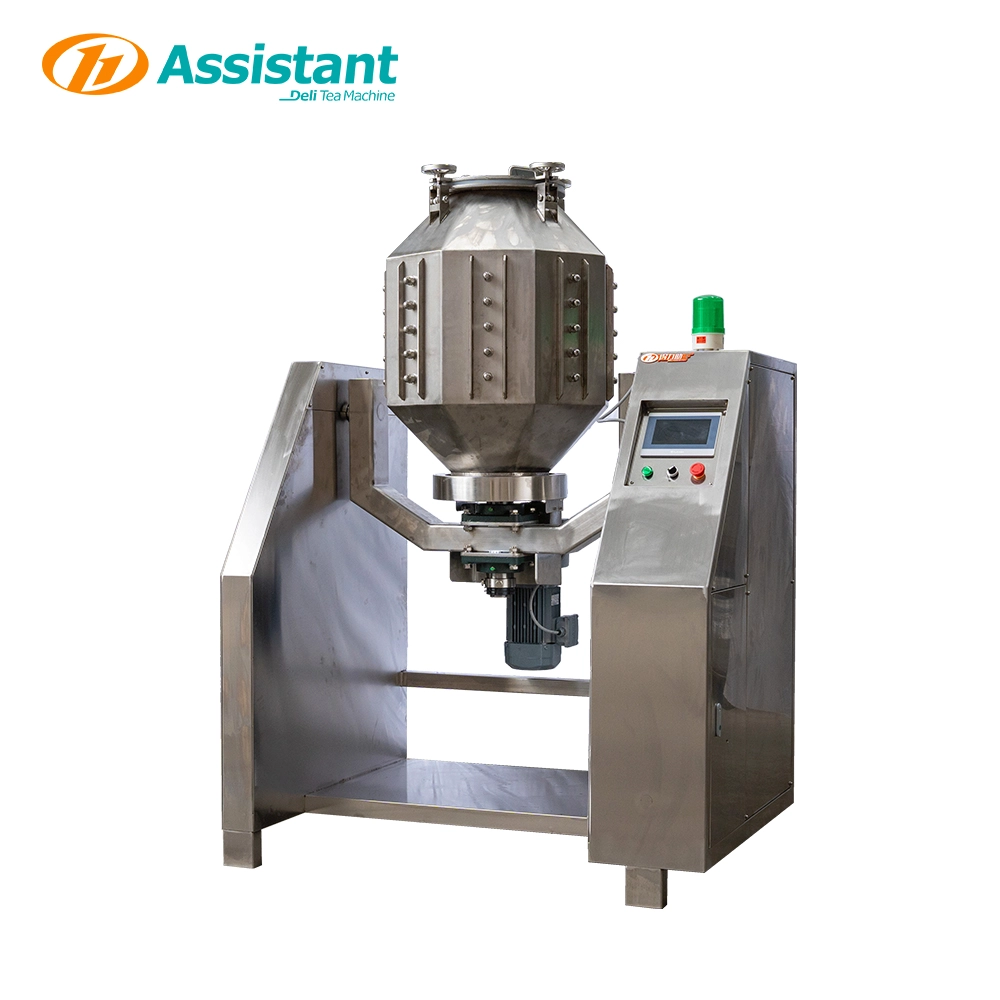
The PLC (Programmable Logic Controller) model represents the future of smart manufacturing. Its defining feature is a high-definition, intelligent touch screen that serves as the command center for the entire milling process.
Key Differences & Features:
-
Recipe Memory & One-Touch Operation: The system allows you to save multiple processing formulas. When switching between different products (e.g., from a coarse culinary tea powder to an ultra-fine ceremonial matcha), operators can simply select the saved recipe on the screen, and the machine automatically adjusts all variables.
-
High-Precision Monitoring: The touch interface provides real-time, granular data on machine status, operating speed, countdown timers, and system alerts, ensuring unparalleled batch-to-batch consistency.
-
Automated Error Prevention: PLC systems utilize built-in safety logic and operational sequencing, drastically reducing the risk of human error or accidental machine damage.
Who is the Target Audience?
-
Medium to Large Manufacturing Facilities: Factories that prioritize high capacity, strict standardization, and high yield rates.
-
OEMs and Multi-Product Businesses: Facilities that frequently switch between different raw materials or fineness requirements and rely on fast, accurate equipment resets.
-
R&D Laboratories: Product development teams that require precise data tracking, variable control, and highly repeatable testing environments.
Summary: Making the Right Choice
If you are building a new processing facility and need a reliable, cost-effective workhorse, the Mechanical Ball Mill offers unbeatable value and durability. However, if your business is scaling rapidly and you require strict data precision, standardized quality control, and seamless multi-product manufacturing, investing in a PLC-Controlled Ball Mill will deliver a significant return on investment through operational efficiency.