The Ultimate Guide to Tea Rolling Machines: Shaping the Perfect Brew
If you are involved in tea manufacturing, you know that crafting the perfect cup of tea is a delicate balance of art and science. One of the most crucial steps in this journey is the rolling process.
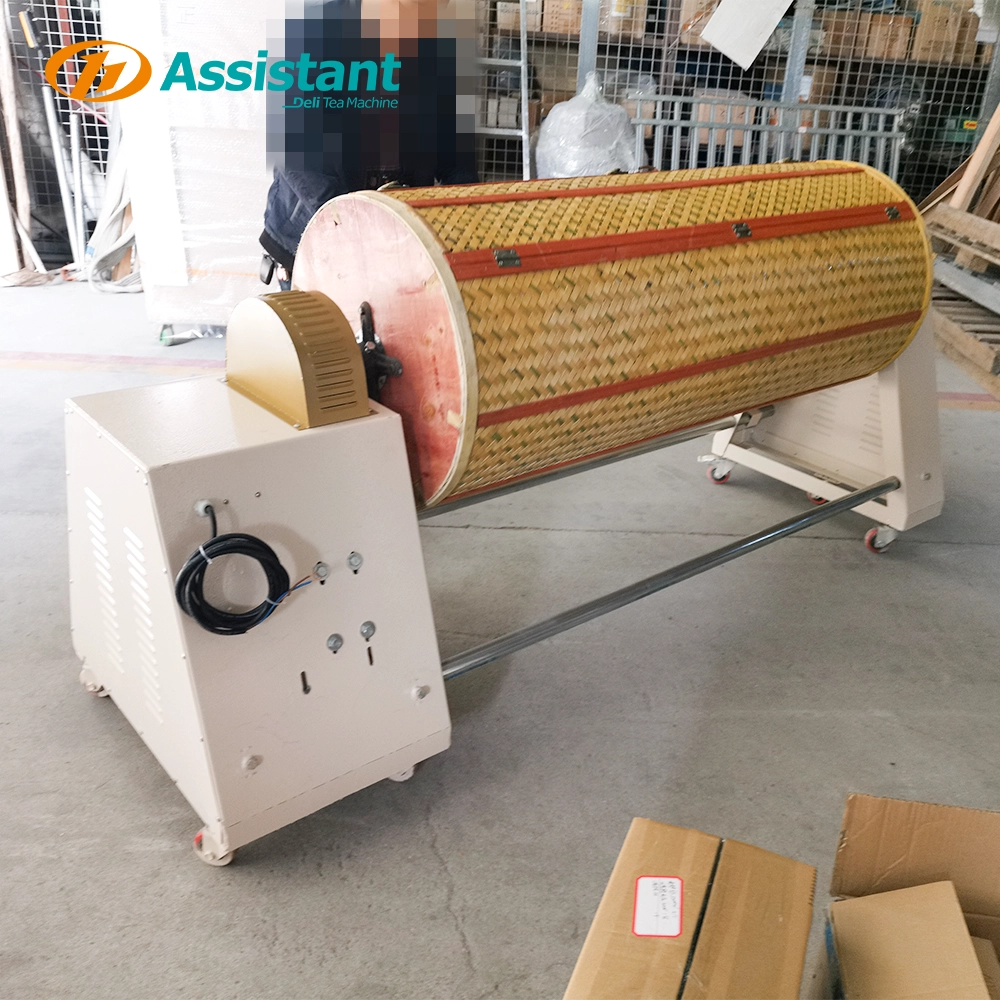
In this guide, we will explore the essential role of tea rolling machines, the types of tea they are used for, step-by-step usage instructions, and a detailed look at the specifications of standard industrial models like the DL-6CRT series.
1. What Types of Tea Require Rolling?
Rolling is not universal to all teas, but it is a defining step for several major categories:
-
Black Tea: Rolling is absolutely essential. It heavily bruises the leaves to initiate maximum oxidation, giving black tea its robust flavor and dark color.
-
Oolong Tea: Oolongs undergo specific rolling and shaping (often wrapping and rolling) to bruise the edges and shape the leaves into their signature tightly rolled balls or twisted strips.
-
Green Tea: While green tea is unoxidized, it still undergoes a lighter rolling process after "kill-green" (fixing) to shape the leaves and squeeze out moisture without fully crushing the cell structure.
-
Pu'er / Dark Tea: Rolling is used to shape the leaves and begin the breakdown of cellular walls before the fermentation and aging process.
2. The Role of Rolling in the Tea-Making Process
A tea rolling machine isn't just about making the leaves look nice. It serves two vital biochemical and physical functions:
-
Breaking Cellular Walls: As the machine presses and twists the withered leaves, it breaks down the plant's cell walls. This exposes the internal juices and enzymes to oxygen, kickstarting the oxidation process (crucial for black and oolong teas).
-
Shaping and Curling: The mechanical motion shapes the flat leaves into tight strips or curls. This compact shape preserves the essential oils during drying and dictates how the tea will release its flavor when steeped in hot water.
3. Step-by-Step Usage Guide
Operating a standard tea rolling machine requires careful attention to detail. Here is a general workflow:
-
Preparation: Ensure the leaves have been properly withered (or fixed, for green tea). Leaves that are too stiff will break, while leaves that are too wet will turn to mush.
-
Loading the Drum: Lift the pressure cap and load the withered tea leaves evenly into the stainless steel drum. Do not overpack; the leaves need room to tumble.
-
Initiating the Roll: Turn on the machine. The lower disc and the drum will begin to rotate. Initially, let the leaves roll without any added pressure to help them fold.
-
Applying Pressure: Gradually lower the pressure cap using the top handwheel. The golden rule is "light, heavy, light." Start with light pressure, increase to heavy pressure to squeeze the juices, and release the pressure toward the end to allow the leaves to untangle.
-
Unloading: Once the desired curl and bruising are achieved (usually 30 to 90 minutes depending on the tea), raise the pressure cap, stop the machine, and open the discharge door to empty the batch.
4. Equipment Spotlight: DL-6CRT Series Parameters & Efficiency
If you are scaling up your production, selecting the right machine is vital. Below is a comparison of two robust industrial models: the DL-6CRT-45 and the DL-6CRT-50.