The Secret to Premium Tea: Mastering the Stem Separation Process
In the world of professional tea processing, the journey from "Maocha" (rough tea) to "Jingcha" (refined tea) is what separates average products from premium brands. The most critical, yet labor-intensive challenge in this phase is Stem and Stalk Separation.
Traditional manual picking is slow, inconsistent, and increasingly expensive. Today, we are diving deep into the solution that is transforming tea factories worldwide: the DL-6CJJG-80 Stepped Type Vibration Tea Stalk Picker.
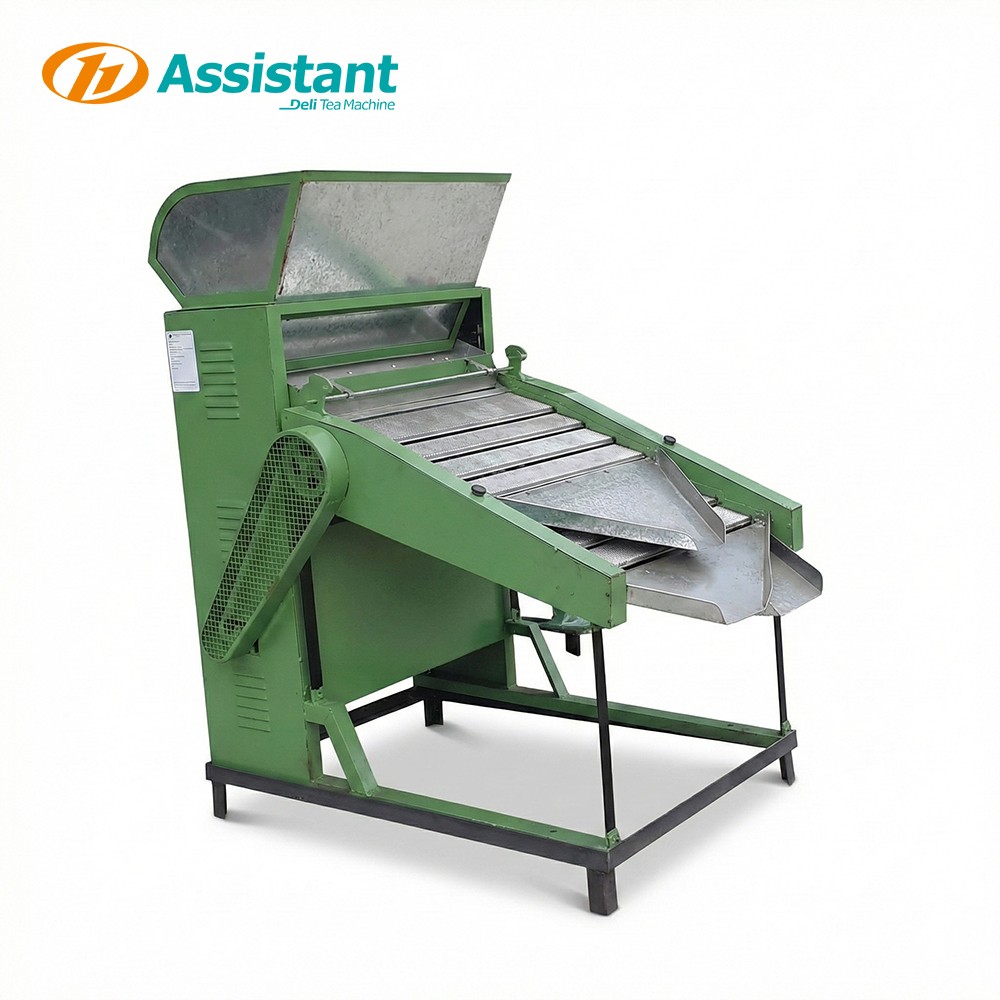
1. The "Stepped" Advantage: How It Works
Why choose a "Stepped" sorter over a standard flat vibrating screen? The answer lies in efficiency and anti-clogging technology.
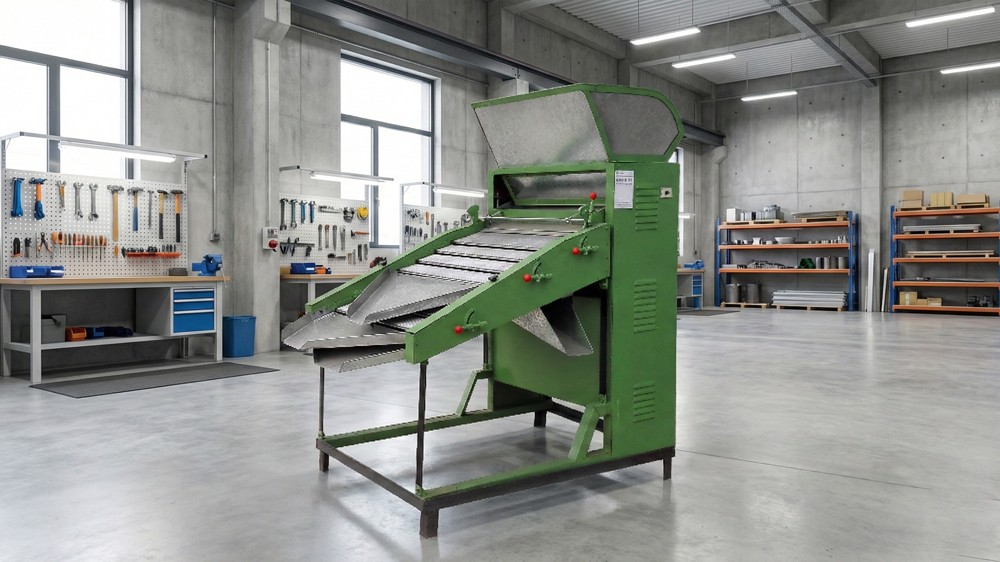
The DL-6CJJG-80 features a unique multi-level stepped deck design. It utilizes the difference in physics between tea leaves and stalks:
-
Tea Leaves: Lighter and rougher surface friction.
-
Tea Stalks: Heavier, rounder, and smoother surface.
Under precise high-frequency vibration (686~915 Hz), the lighter tea leaves "climb" up the steps or stay on the upper layer, while the heavier stalks slide down through the gaps. This design not only ensures a clean separation but also prevents the mesh from getting clogged—a common headache with traditional flat screens.
Key Feature: The machine comes with adjustable handles (visible red/black knobs) that allow operators to fine-tune the deck's inclination, adapting to different moisture levels and leaf shapes for maximum precision.
2. Versatility: One Machine for Multiple Teas
This machine is not limited to a single tea variety. It is engineered for almost all strip-shaped teas, making it a versatile asset for diverse production lines. It is widely used for:
-
Oolong Tea (e.g., Tieguanyin, Da Hong Pao): Excellent for removing thick, heavy stems.
-
Black Tea: Ideal for refining strip-style Black Tea.
-
Green Tea: Suitable for Longjing or other roasted green teas requiring high purity.
-
Dark Tea (Pu-erh): Effective in the post-fermentation refining stage.
3. Optimizing Your Production Flow
Where does the DL-6CJJG-80 fit in your factory? It is the star of the Refining (Finishing) Stage.
-
Drying: After the tea leaves are dried, they contain a mix of good leaves, yellow flakes, and stalks.
-
Sorting (The DL-6CJJG-80 Step): The tea is fed into the machine's large galvanized hopper. It automatically separates the material into three categories: clean tea, stalks, and dust.
-
Color Sorting & Packaging: The clean tea is now ready for final color sorting or direct packaging.
By integrating this machine, you eliminate the bottleneck of manual picking, allowing your production line to run continuously and smoothly.
4. Technical Performance & ROI
Investing in the DL-6CJJG-80 is an investment in efficiency. Let's look at the numbers:
-
High Capacity: It processes 80 to 120 kg of tea per hour. To match this output manually, you would need to hire 20 to 30 workers.
-
Low Energy Consumption: Powered by a 0.55 kW motor, it is incredibly energy-efficient for all-day operation.
-
Compact Footprint: With dimensions of 1780×1050×1630 mm, it fits easily into existing workshops without requiring major renovations.
Conclusion
Quality consistency and cost control are the pillars of a successful tea business. The DL-6CJJG-80 Stepped Tea Stalk Picker offers a proven, mechanized solution to the oldest problem in tea making: getting the stems out without breaking the bank.
Ready to upgrade your tea refining line? Contact us today for a quote or a video demonstration of the DL-6CJJG-80 in action!