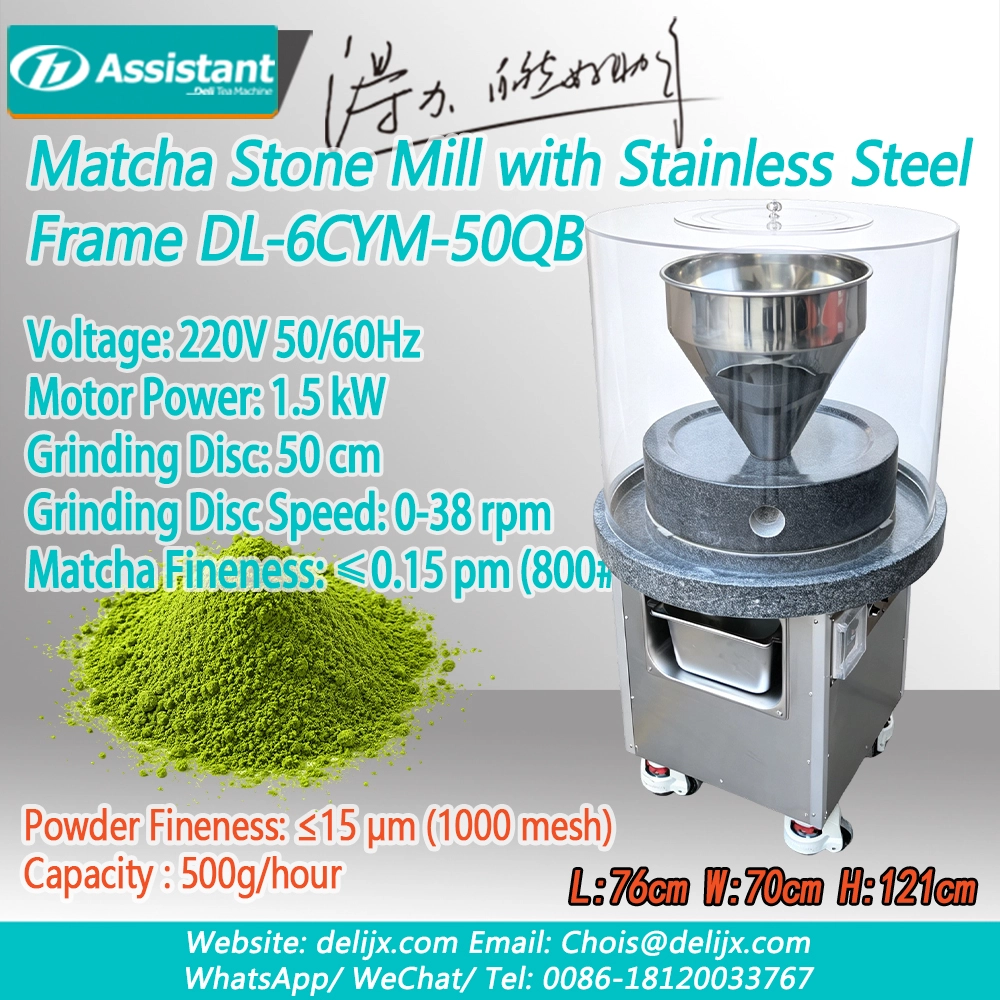
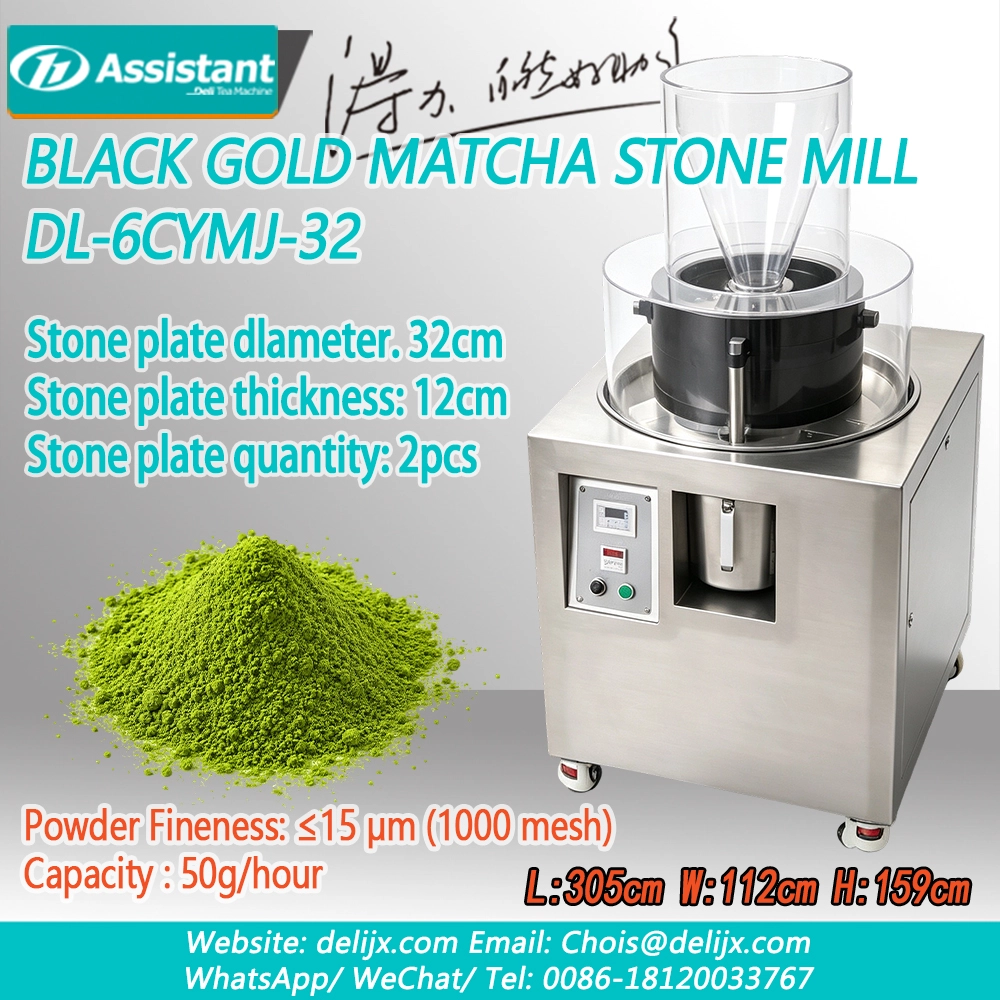
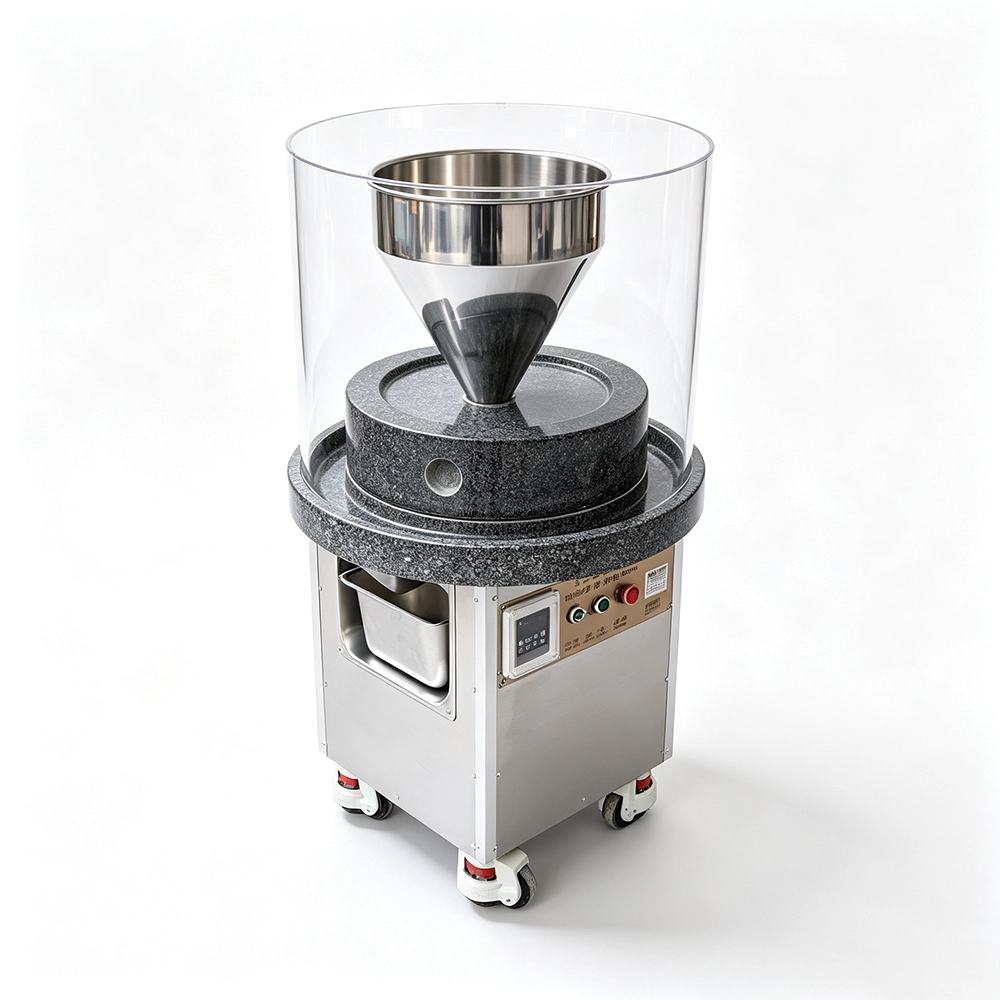
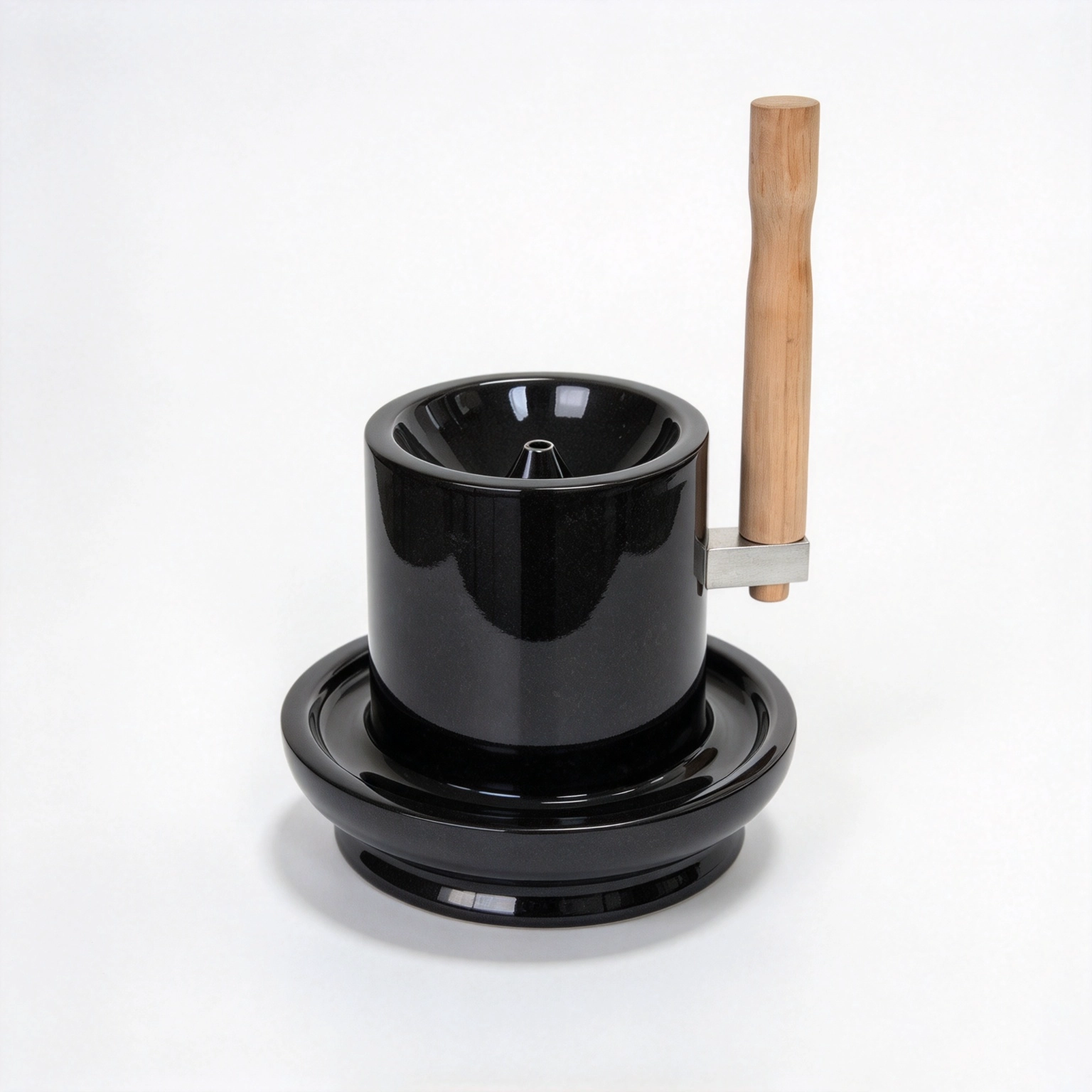
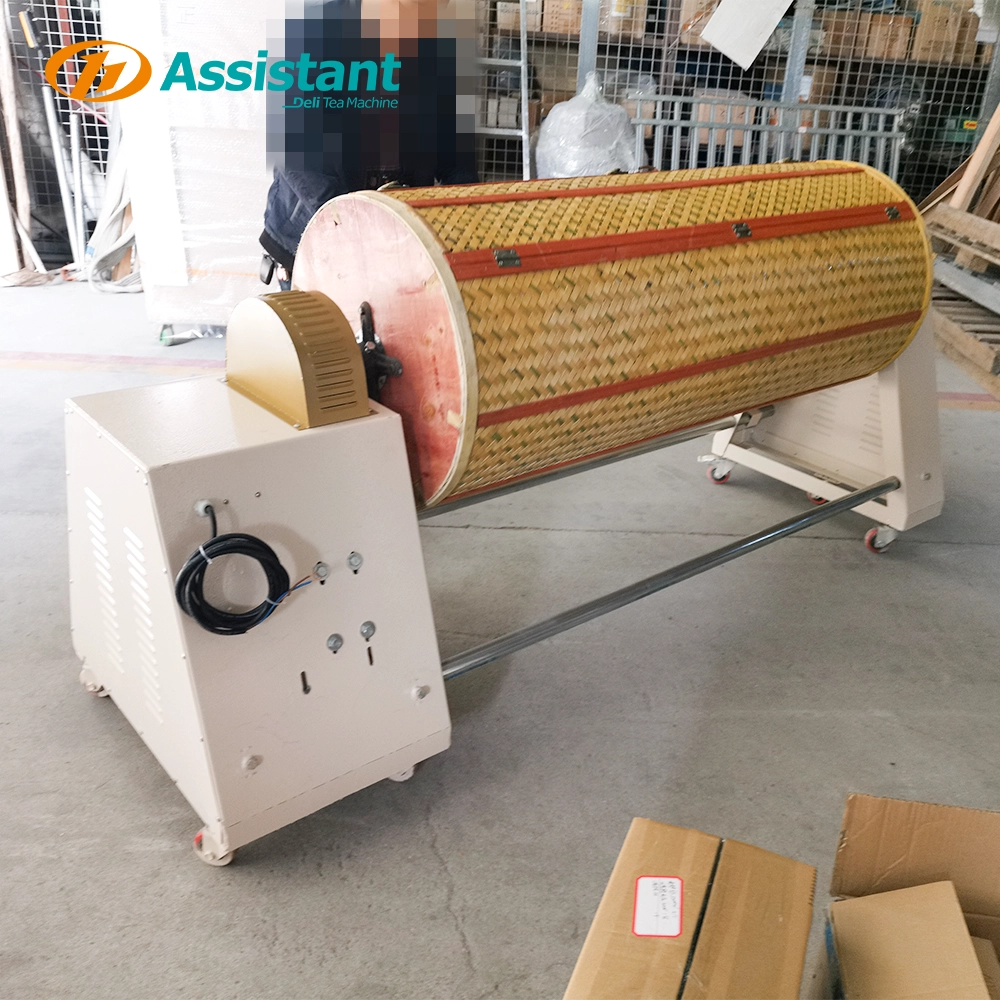
6CMJY-50QB stainless steel custom base matcha green stone mill, natural granite stone plate, low-speed cold grinding. Preserve tea aroma, produce ultra-fine matcha powder. Stainless steel frame with casters, suitable for tea shops, labs and small-batch matcha production.
Custom heightened small matcha stone mill DL-6CYMJ-32M, equipped with 30cm natural stone plates. Low-speed low-temperature grinding, produce ultra-fine matcha powder ≤15μm. 50g/h capacity, stainless steel body, ideal for boutique tea shops & small-batch matcha production.
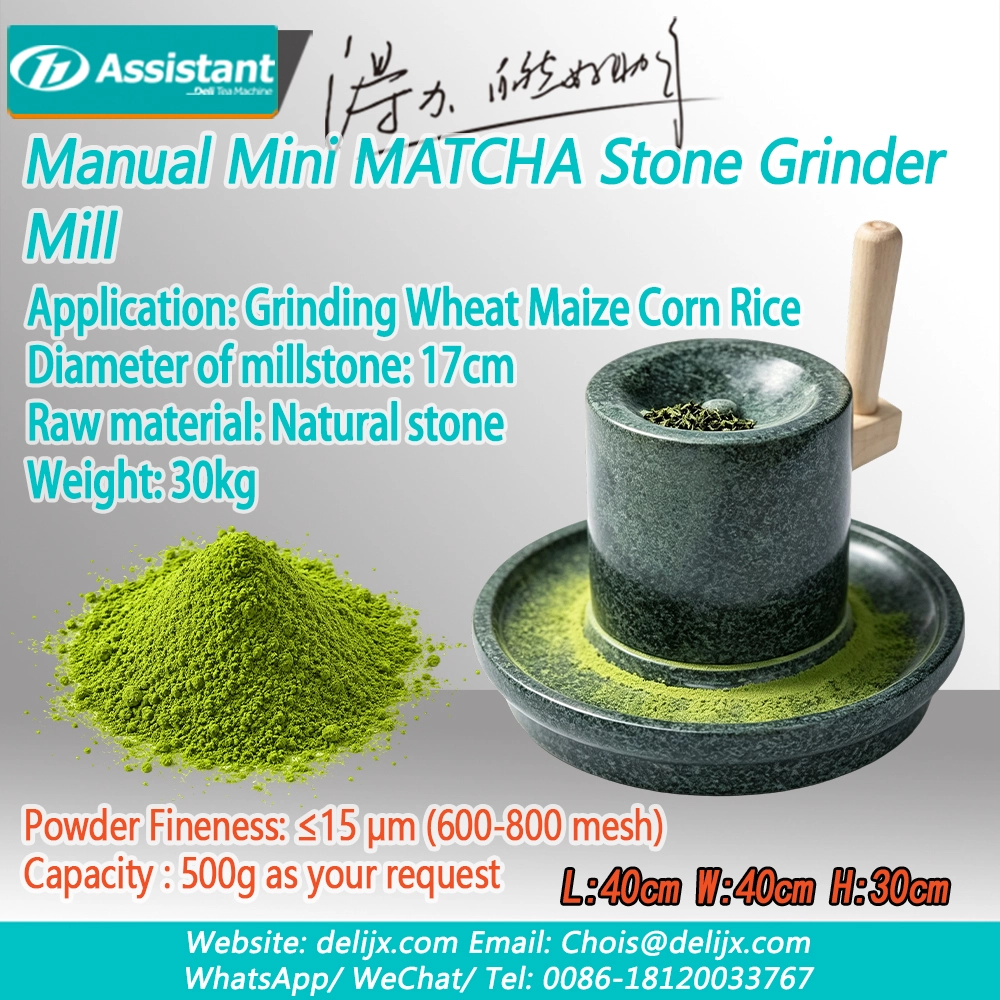
Manual Matcha Stone Mill is a traditional hand-operated grinder made from natural stone, designed for producing fresh and authentic matcha powder. With a slow grinding process and low heat generation, it helps preserve the natural color, aroma, and flavor of tea leaves. Compact and durable, it is ideal for matcha cafes, tea houses, restaurants, cultural experience shops, and small-batch matcha production.
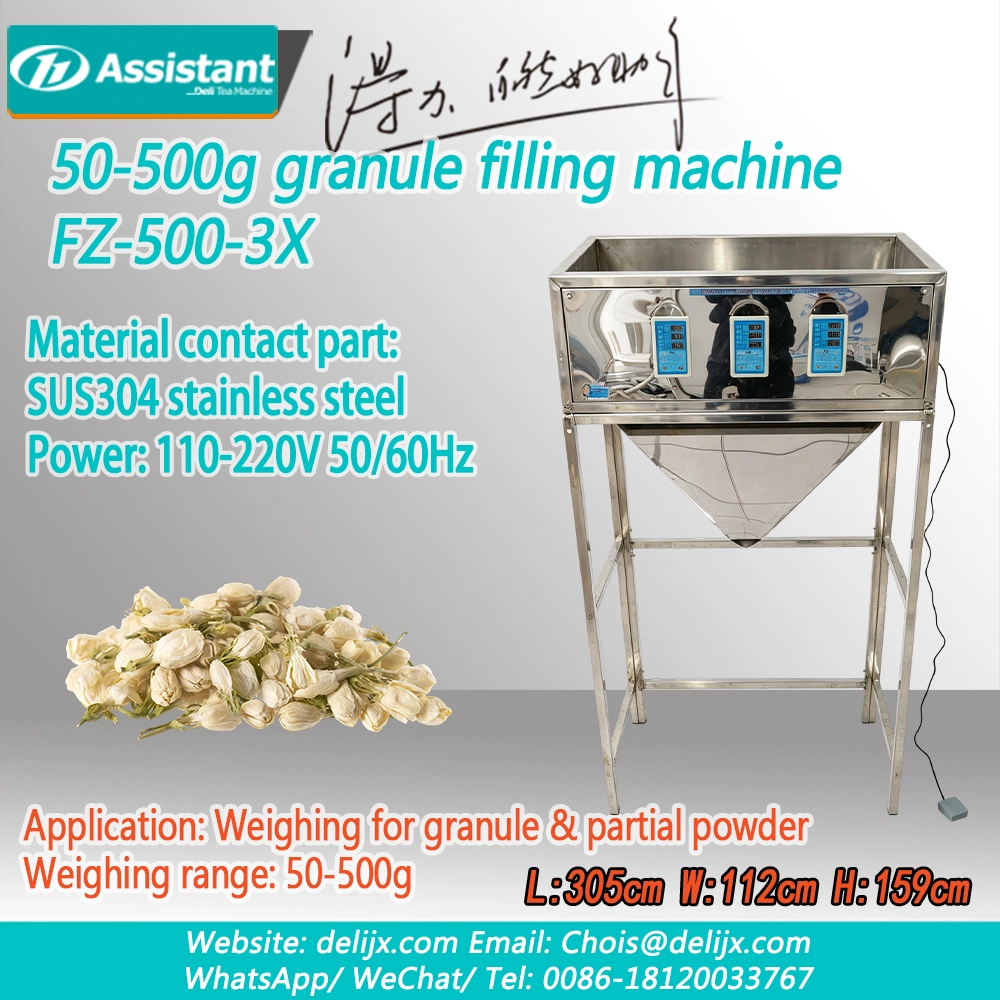
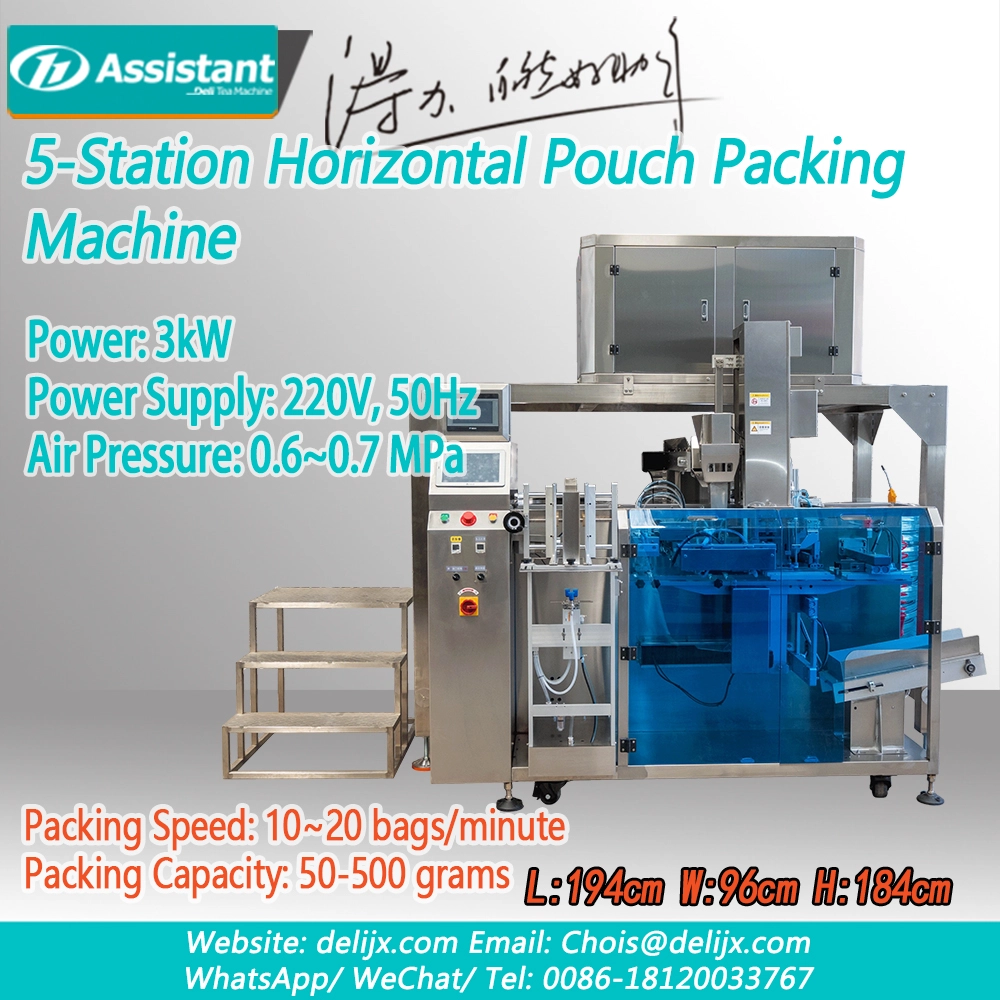
This 5-station horizontal pouch packing machine handles M bags, flat pouches and zipper pouches for 50–500g granular materials like tea. It automatically finishes weighing, filling, vacuuming and sealing with servo control, supporting multiple optional accessories.
The electrostatic cleaner adsorption generated by 4-10 electrostatic rollers extracts impurities in the tea, such as hair, broom bristles, tea fluff ash, thatch, woven bag silk, plastic scraps, iron filings, etc.
DL-6CJDCZ-780-5 electrostatic dust removal cleaner adopts five 780mm rollers. Powered by 1.5kw (380V 50Hz) with dual vibration motors, it delivers cleaning efficiency over 92% and hourly capacity ≥300kg. Optimized electrostatic separation design effectively clears lint, dust and lightweight foreign contaminants in tea. With mature conveyor and sorting bed structure, this machine balances processing yield and purification effect, a cost-effective option for medium-scale tea production lines.
This White Stone Matcha Mill can grind tea leaves into 15μm ultrafine matcha powder.
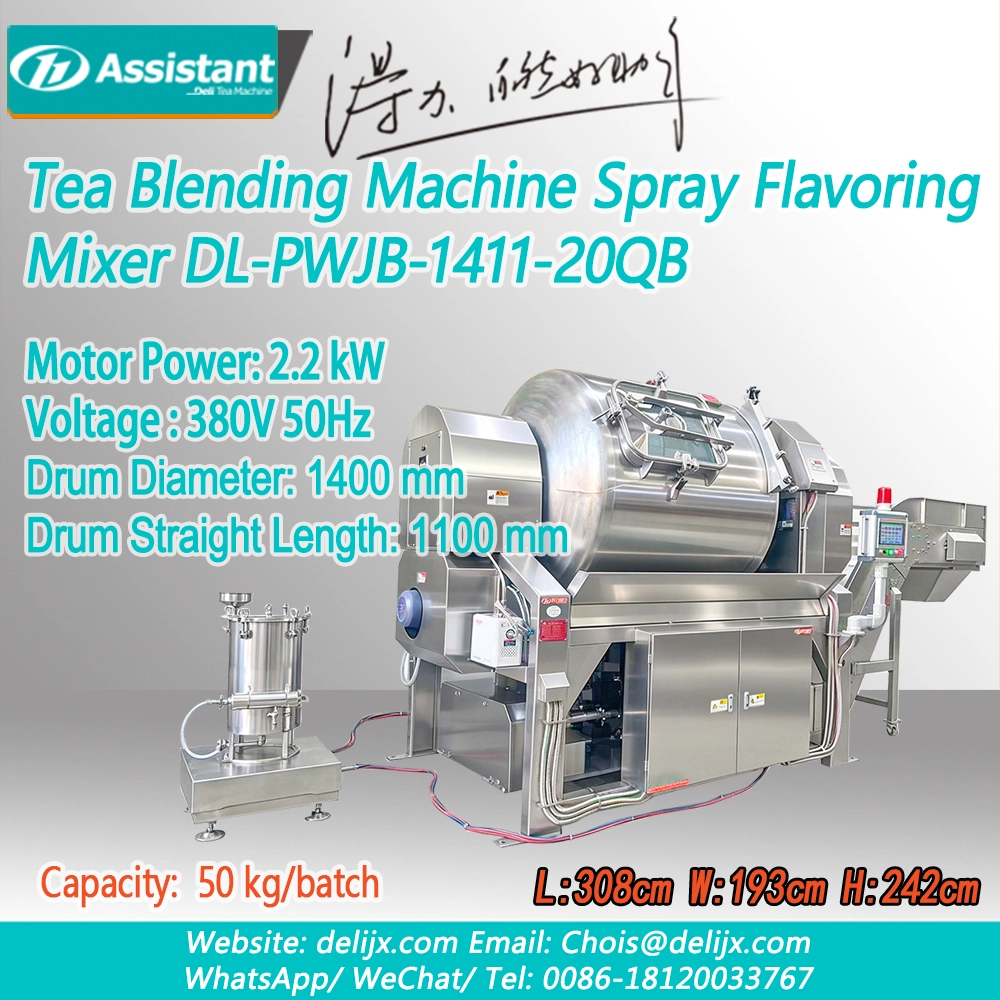
The DQM-150 features a robust 110L inner and outer 304 stainless steel tank powered by an 11kw pure copper core reduction motor. The machine employs an automated feeding system with a 60L large-capacity hopper, transferring raw materials via a flexible screw conveyor driven by a speed-adjustable motor (0-300r/min).
The production process of Pu'er: Picking, spreading, fixation, rolling, drying
Black tea production process: Picking, withering, rolling, fermentation, drying
Through the comparison of the process, we can most intuitively see that the biggest difference between black tea and Pu-erh tea is the four links of fixing, drying, fermentation, and drying (spreading is a way of withering).
Fixation processing
Pu-erh tea is a post-fermented tea, which needs to be fixation to inhibit the activity of enzymes, so as to prevent the rapid oxidation and fermentation of Pu-erh tea under the biooxidation of enzymes, so that the later storage value of Pu-erh tea is reduced or even lost.
Black tea is a fully fermented tea, which requires the participation of active enzymes in the tea leaves to complete the complete fermentation. If the do the fixation process, the activity of the enzyme will be lost, and the fermentation process will be inhibited, and even difficult to carry out, so it cannot do the tea fixation.
Drying processing
Black tea needs to be roasted to enhance its aroma.
Pu-erh tea drying will reduce its later transformation space. This is because when Pu-erh tea is fixation, it only inhibits rather than destroys the activity of enzymes in the tea. If drying, the activity of enzymes will be destroyed, and some of the active organic substances in Pu-erh tea will lose their activity during baking, resulting in less activity. The late transformation space of enzymes and active organic matter is naturally reduced.
Black tea needs to be fermented as a process link to fully stimulate its contents.
If Pu-erh tea is fermented, it will reduce its later aging space and reduce its storage value.