





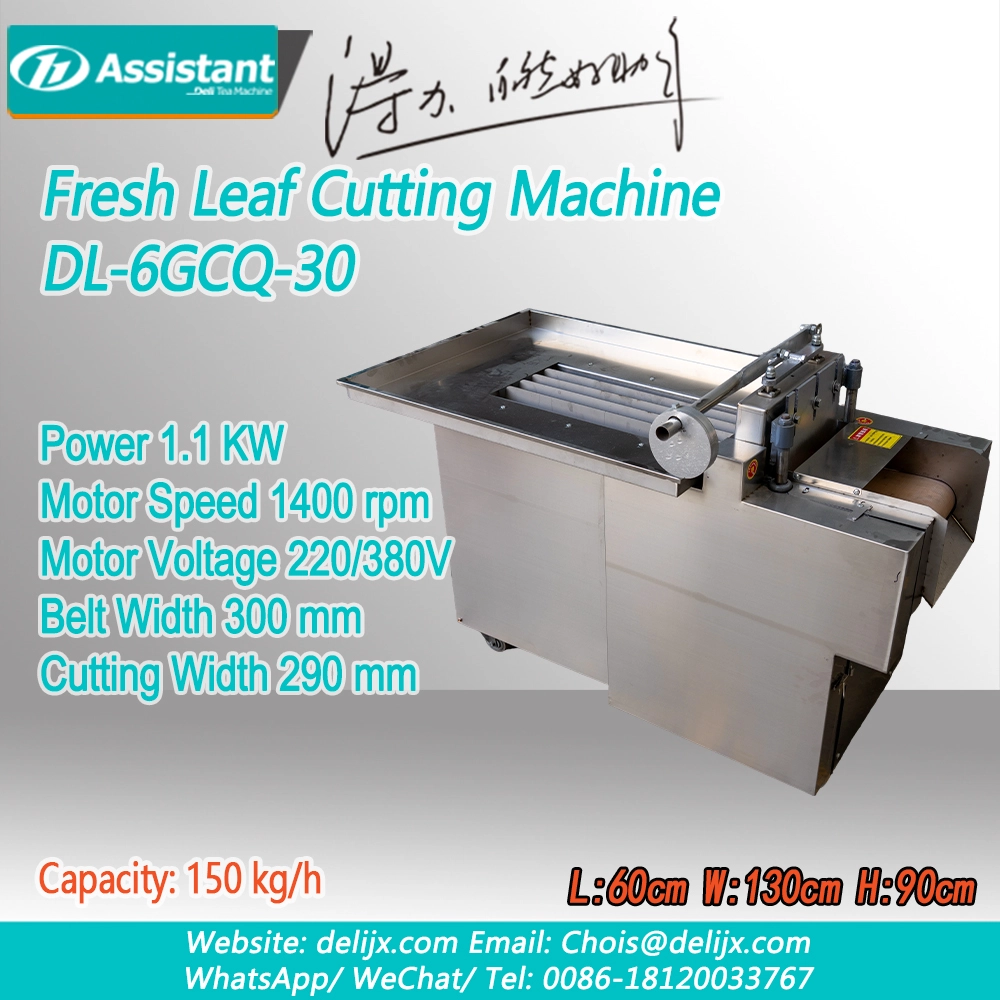
This fresh leaf cutting machine cuts large fresh leaves into uniform small pieces. Two models available: DL-6GCQ-30 (150kg/h) and DL-6GCQ-50 (250kg/h). It adopts conveyor feeding, works for tea, lotus leaf, mulberry leaf and herbal raw materials for tea production.
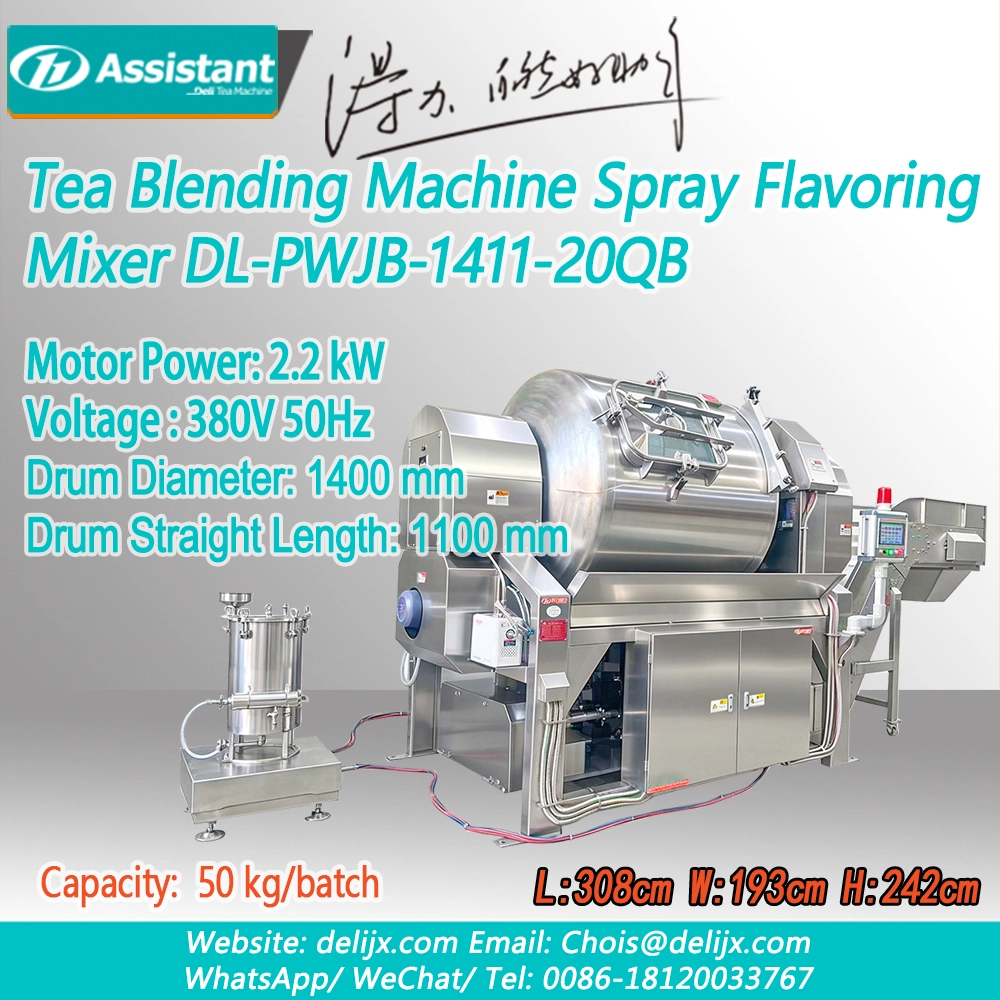
This DELI ASSISTANT spray mixer is a dual-function tea blending & aroma spraying machine, used for homogenizing tea piles and atomized flavor adding in tea factory production, with 1400mm drum, 2.2kW motor and 380V power supply.
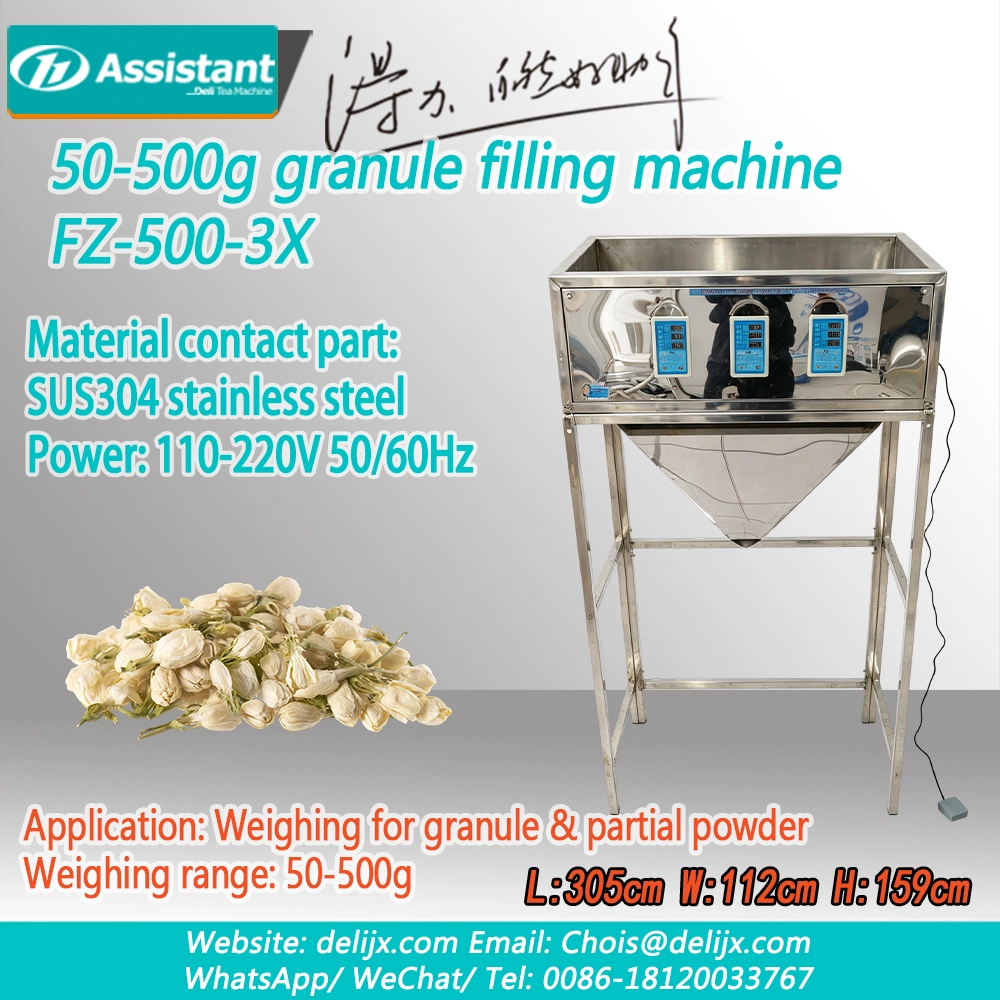
FZ‑500‑3X Automatic Quantitative Filling Machine 50‑500g Granule Powder Weighing Dispenser For Tea Grain Coffee Bean
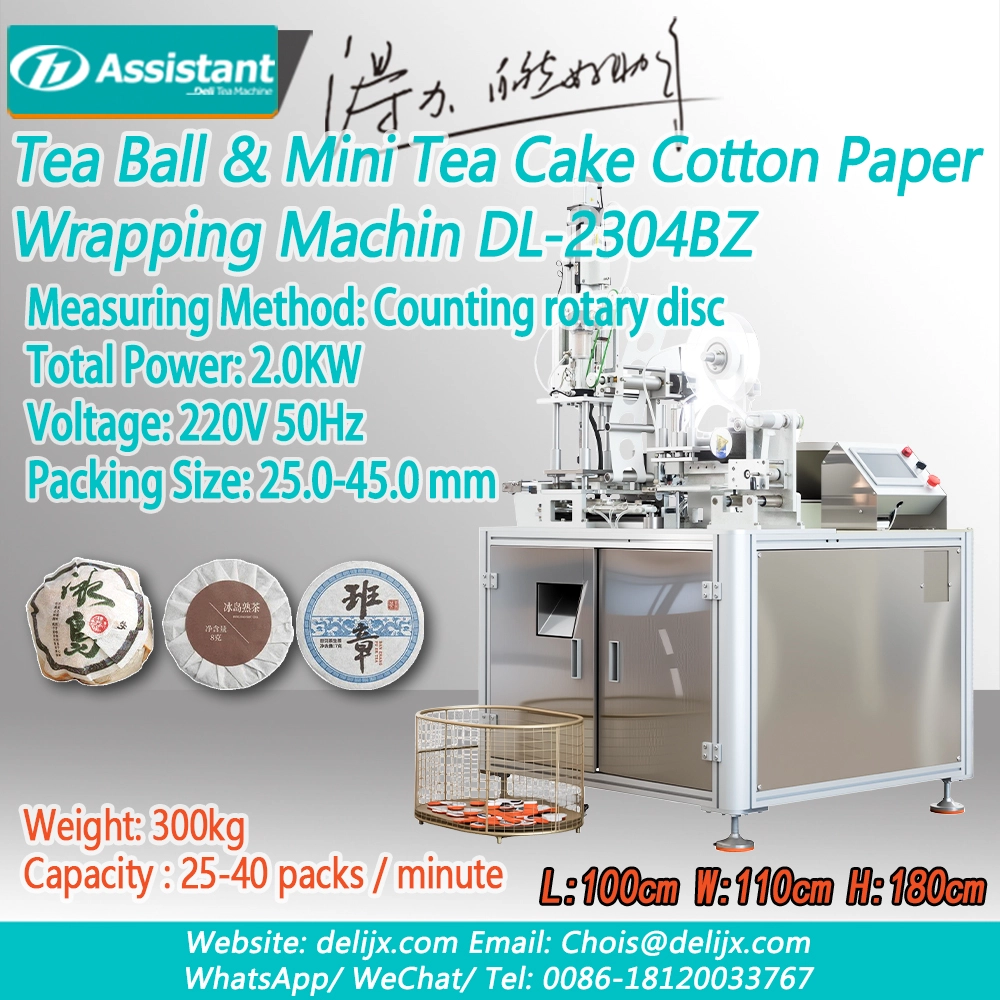
Automatic cotton paper wrapping machine for Pu‑er dragon pearl tea and mini tea cake. PLC control, 25‑40 pcs/min speed, one‑key switch for tea ball & small cake, stable pneumatic‑servo operation for compressed tea packaging.
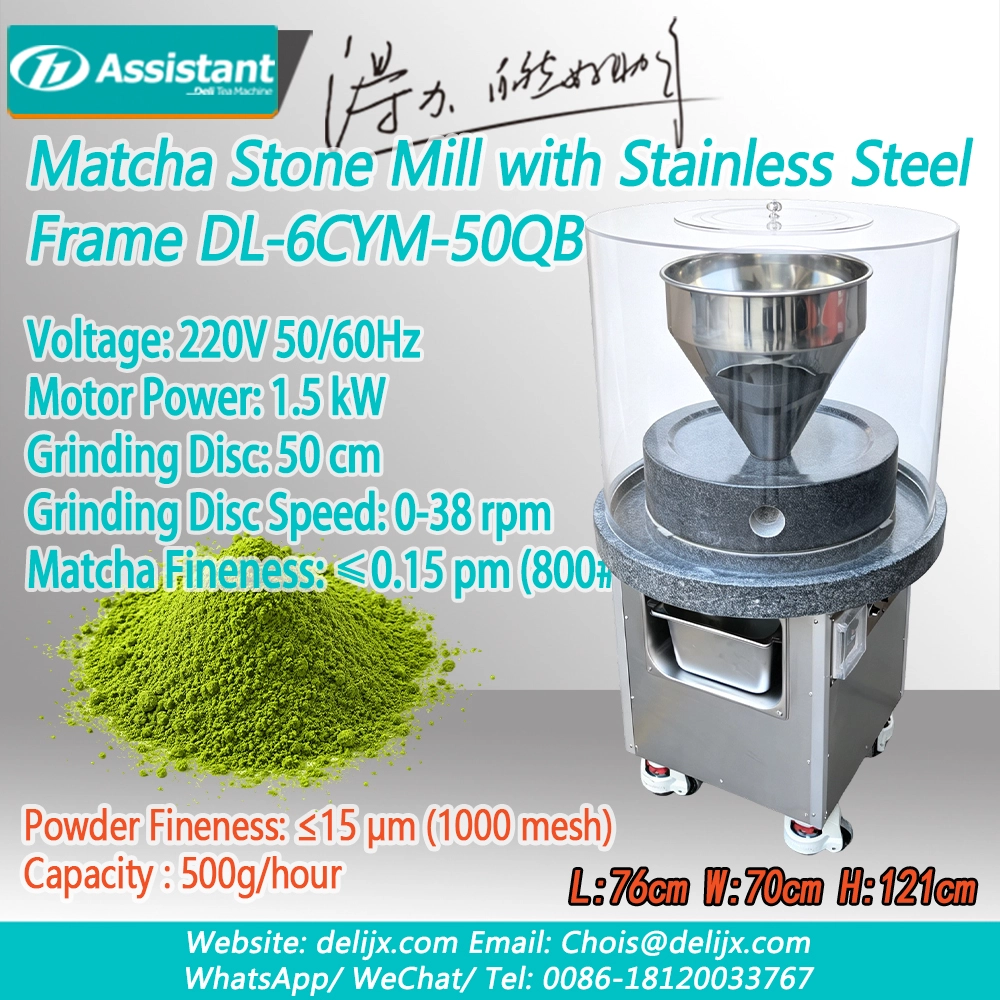
6CMJY-50QB stainless steel custom base matcha green stone mill, natural granite stone plate, low-speed cold grinding. Preserve tea aroma, produce ultra-fine matcha powder. Stainless steel frame with casters, suitable for tea shops, labs and small-batch matcha production.
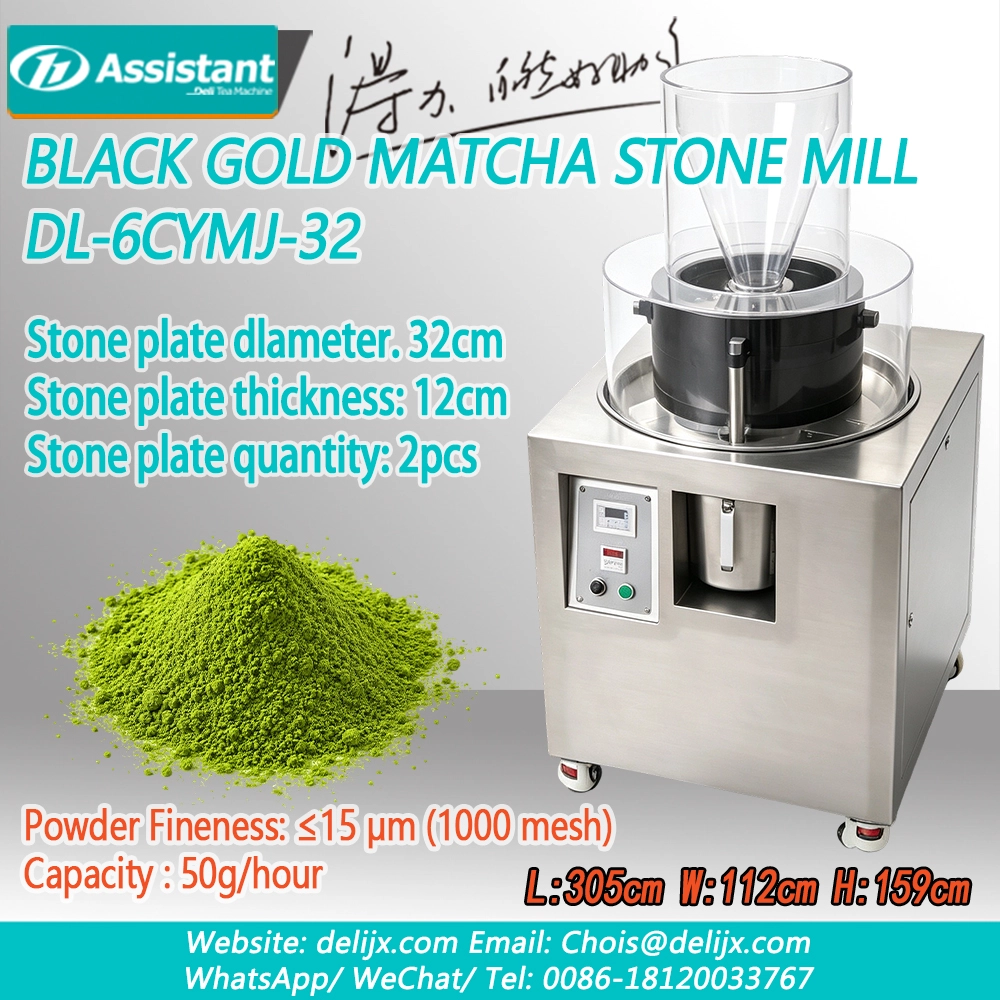
Custom heightened small matcha stone mill DL-6CYMJ-32M, equipped with 30cm natural stone plates. Low-speed low-temperature grinding, produce ultra-fine matcha powder ≤15μm. 50g/h capacity, stainless steel body, ideal for boutique tea shops & small-batch matcha production.
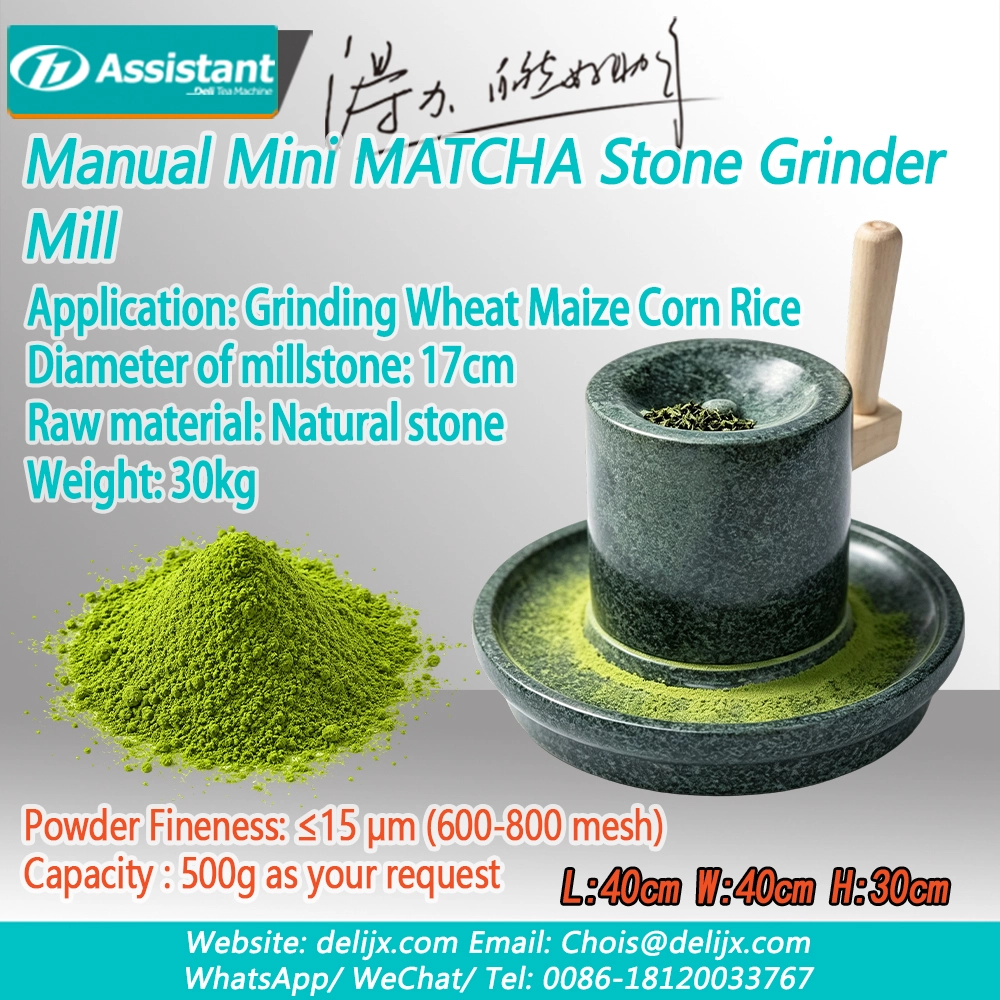
Manual Matcha Stone Mill is a traditional hand-operated grinder made from natural stone, designed for producing fresh and authentic matcha powder. With a slow grinding process and low heat generation, it helps preserve the natural color, aroma, and flavor of tea leaves. Compact and durable, it is ideal for matcha cafes, tea houses, restaurants, cultural experience shops, and small-batch matcha production.
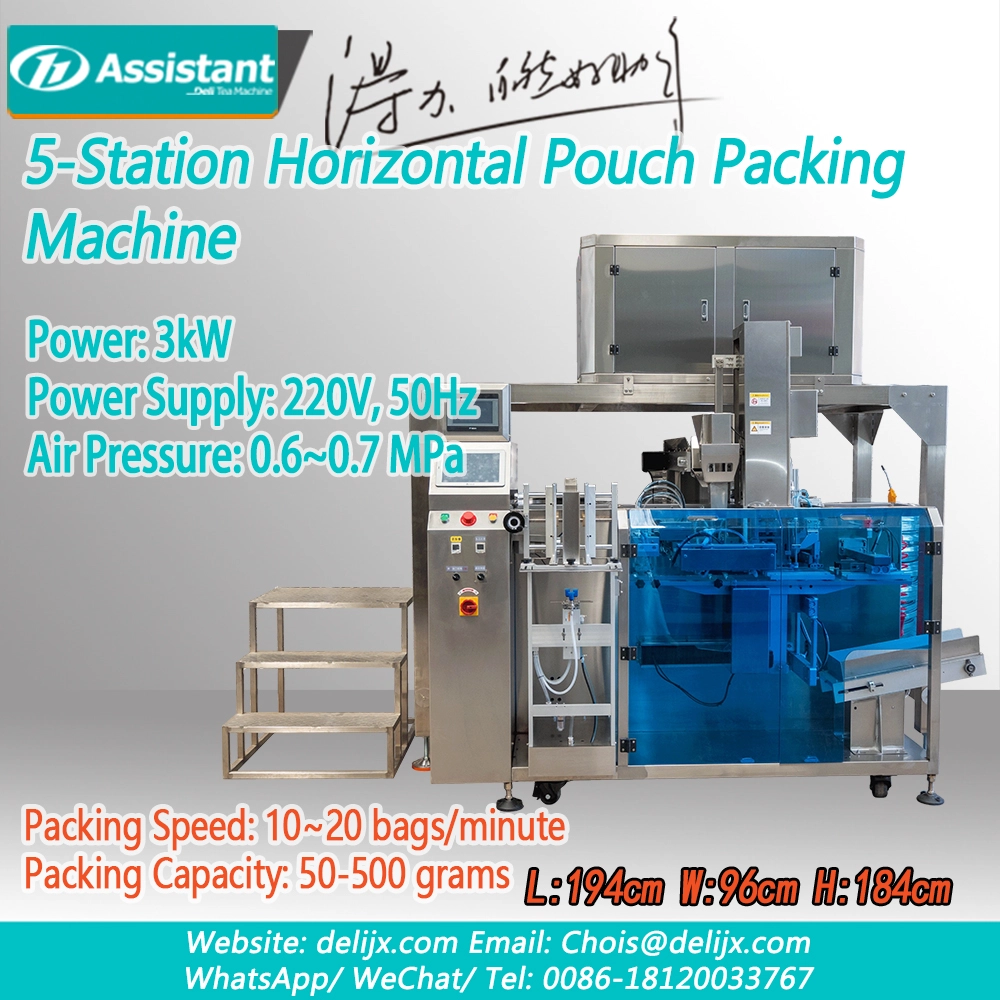
This 5-station horizontal pouch packing machine handles M bags, flat pouches and zipper pouches for 50–500g granular materials like tea. It automatically finishes weighing, filling, vacuuming and sealing with servo control, supporting multiple optional accessories.
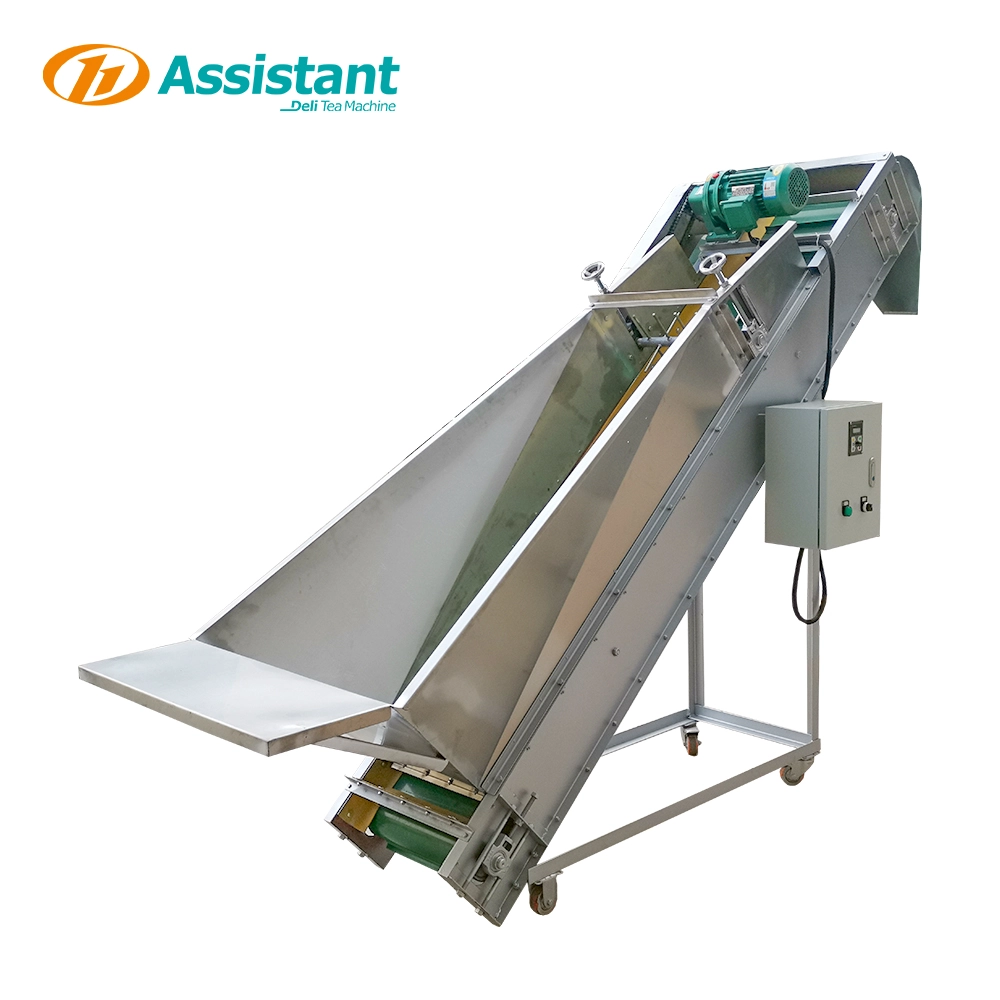
Our stainless steel tea leaf feed conveyor is an inclined climbing belt elevator specially matched with tea de-enzyming fixation machines. It features adjustable speed, anti-slip baffle belt, stable feeding, protects tender tea leaves, and greatly boosts automation efficiency for tea factories.
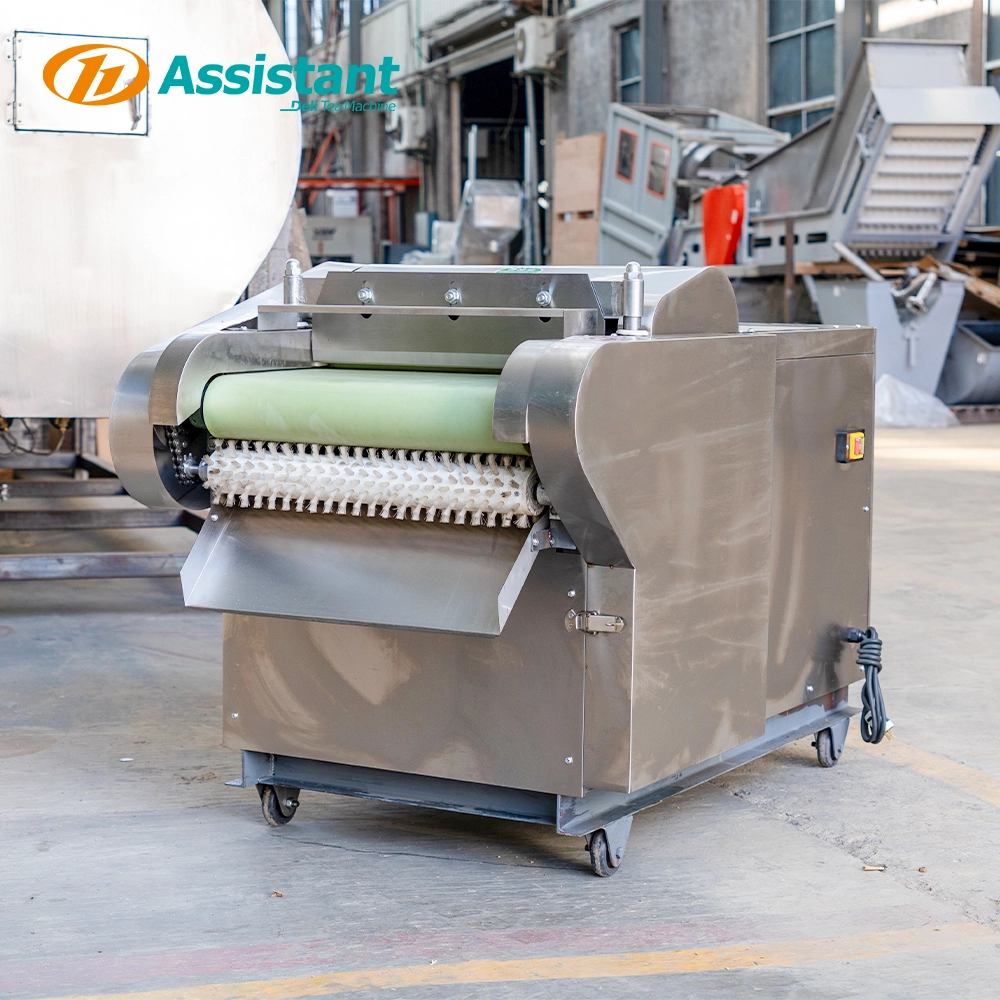
DL-6GCQ-50 fresh leaf cutting machine with 250kg/h capacity. Stainless steel commercial cutter for tea leaves, spinach, basil, mint and leafy greens. Learn its specifications, suitable materials, operation guide and daily maintenance tips.
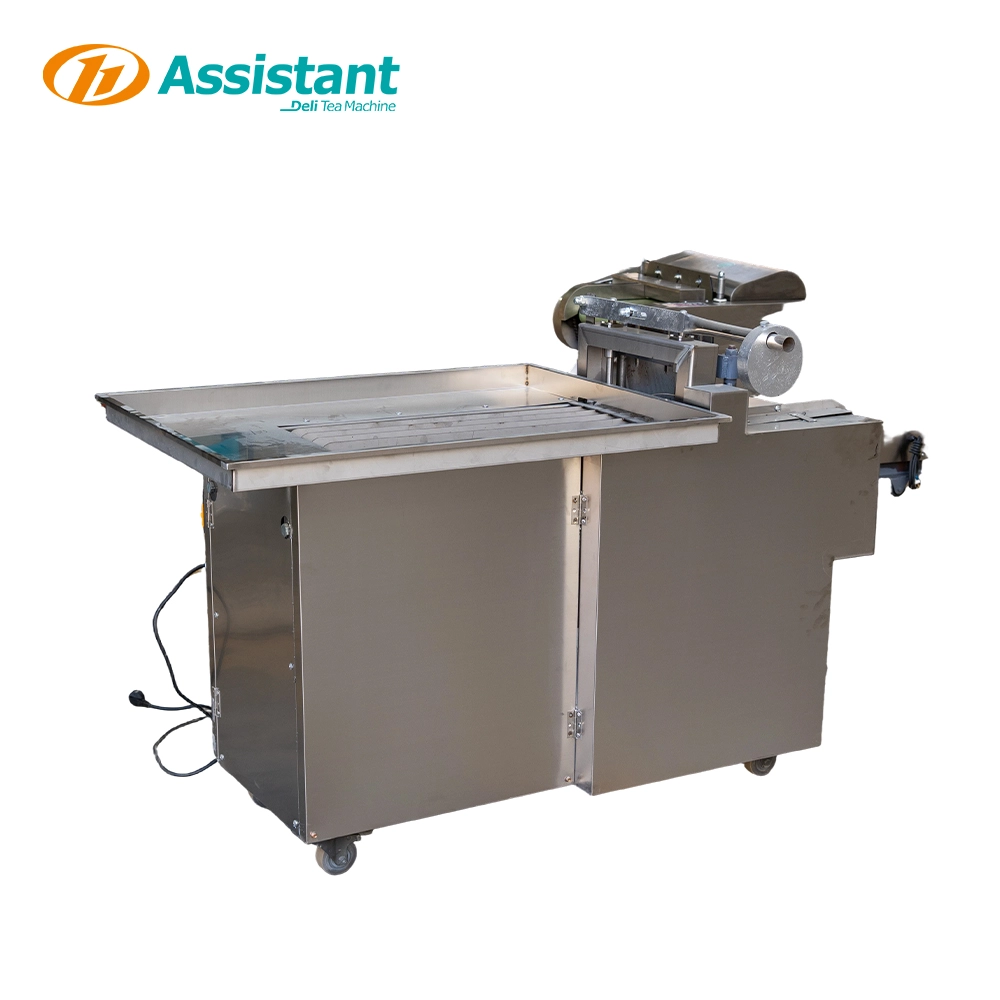
Our fresh leaf cutting machine has two models DL-6GCQ-30 (150kg/h) and DL-6GCQ-50 (250kg/h). Stainless steel structure, 220/380V optional, used for cutting fresh tea leaves, herbs and foliage into uniform small segments. Factory direct supply, stable performance for tea & herbal processing lines.
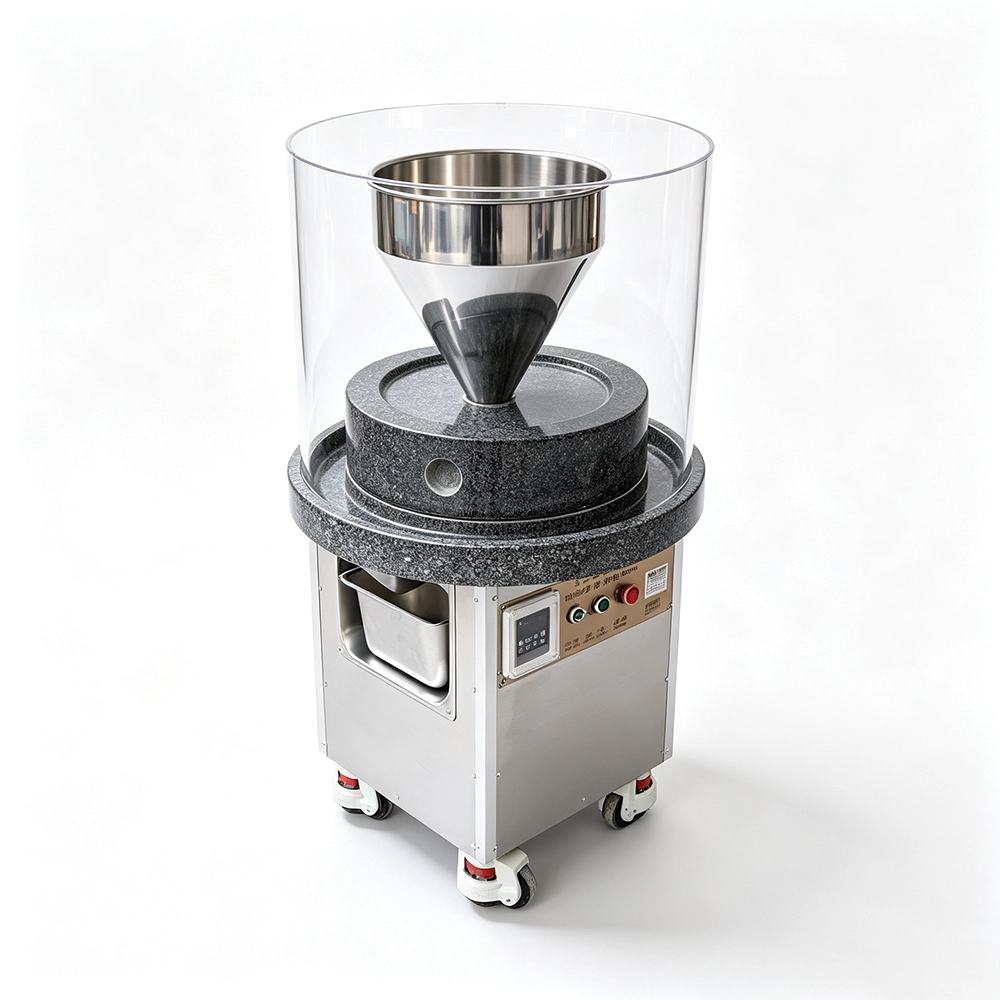
Looking for the right matcha grinding equipment? Read our in-depth comparison of 4 matcha grinders, including Black Gold Stone Mills, Blue Stone Mills, Batch Ball Mills, and Continuous Ball Mills. Learn their efficiency, particle size distribution, and ideal applications.
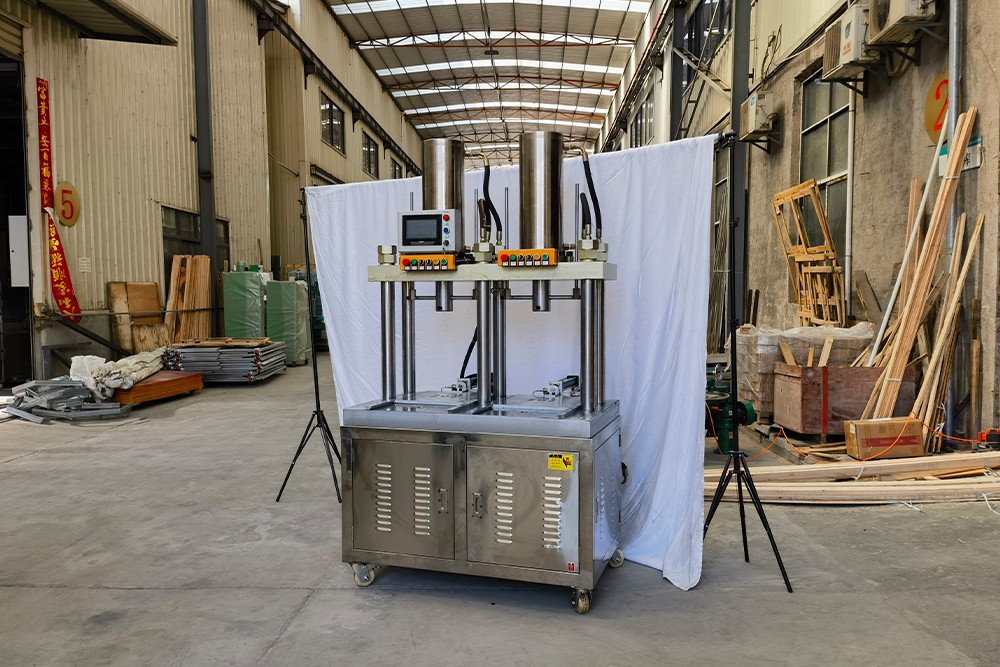
A tea pressing machine is a specialized device used in tea processing to compress loose tea leaves into solid, compact forms—commonly known as tea cakes, bricks, or tuos. These machines apply controlled pressure and sometimes heat to create uniformly shaped tea products that are easier to store, transport, and age.
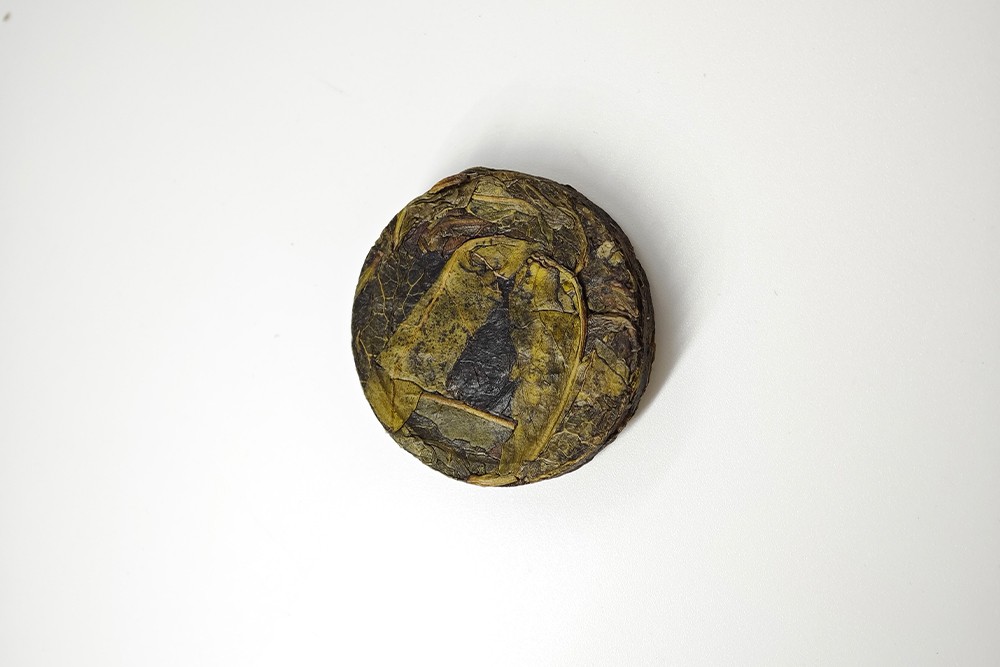
Not all teas benefit from compression. The process is ideal for:
Pu-erh Tea (Both Raw & Ripe): The most famous pressed tea. Compression slows oxidation and promotes microbial activity for superior aging.
Heicha (Dark Tea): Including Hunan fu brick tea and Guangxi liu bao tea.
Aged Oolong: Some traditional Taiwan oolongs are pressed for aging.
White Tea: Occasionally pressed into cakes for aging potential.
Black Tea: Less common, but some regions produce compressed black tea bricks.
Teas to avoid: Green teas and most fresh oolongs, as compression damages their delicate flavors and aromas.
For Producers:
Space Efficiency: Compressed tea requires 70-80% less storage space
Transport Safety: Reduced breakage during shipping
Aging Enhancement: Creates ideal micro-environments for microbial development
Consistency: Produces uniformly weighted and shaped products
Market Appeal: Traditional forms attract collectors and enthusiasts
For Consumers & Collectors:
Long-term Storage: Properly pressed cakes can age for decades
Flavor Evolution: Develops complex profiles unavailable in loose tea
Portion Control: Easy to break off consistent amounts for brewing
Historical Tradition: Connects to centuries-old tea culture practices
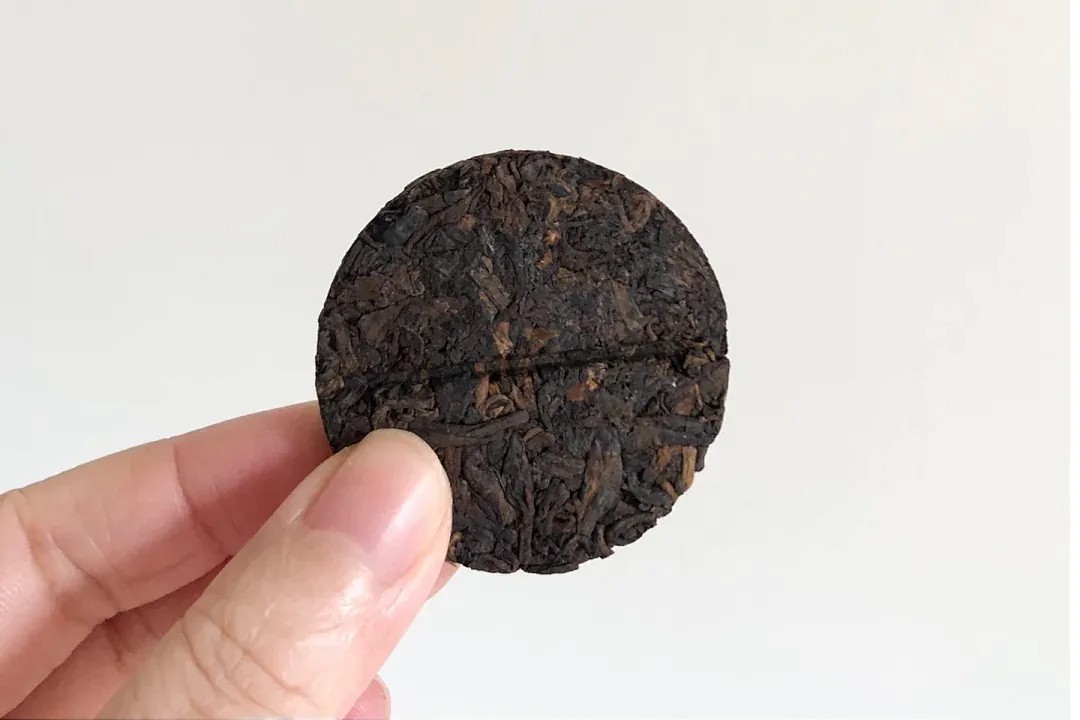
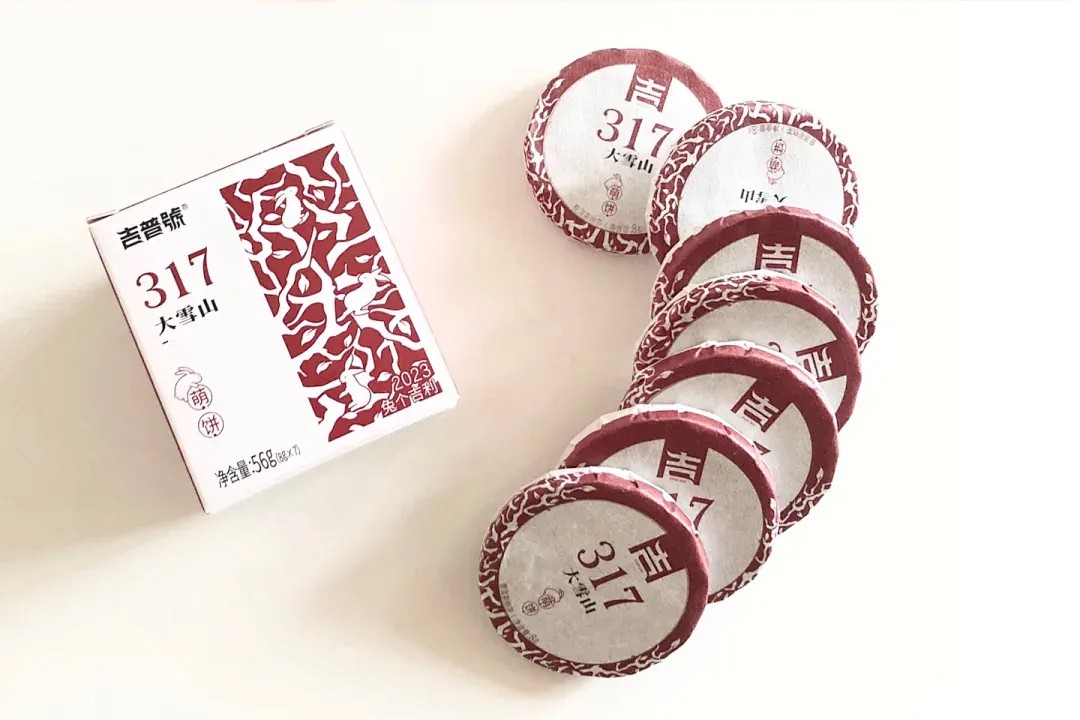
Manual Presses: Traditional wooden or stone molds with lever systems. Ideal for small batches and artisanal producers.
Hydraulic Presses: Modern machines offering precise pressure control (typically 5-50 tons). Most common for commercial production.
Steam-Assisted Presses: Combine steam softening with pressure for smoother compaction without damaging leaves.
Automatic Pressing Lines: Integrated systems that weigh, steam, press, and sometimes wrap teas in continuous operations.
Production Scale: Small studios need 5-10 ton presses; factories require 30+ ton automated systems
Tea Type: Delicate teas need gentler pressure than robust pu-erh
Shape Variety: Some machines offer interchangeable molds for cakes, bricks, or nested bowls
Material Contact: Food-grade stainless steel prevents contamination
Pressure Control: Adjustable settings accommodate different tea densities
Weighing: Precise portions (commonly 100g, 357g, or 400g)
Steaming: Brief steam exposure makes leaves pliable (5-20 seconds)
Bagging: Placing leaves in cotton bags for shaping
Pressing: Applying controlled pressure (30 seconds to 5 minutes)
Cooling & Drying: Removing moisture before packaging
Wrapping: Traditional paper labeling and storage
Digital Pressure Controls: For repeatable precision
Quick-Change Mold Systems: Switching shapes in minutes
Energy-Efficient Designs: Reducing power consumption by up to 40%
Hygienic Improvements: Easy-clean surfaces and reduced crevices
While commercial machines cost $1,000-$20,000+, hobbyists can create simple presses using:
Car jacks for pressure
Custom wooden molds
Steaming baskets
Note: Achieving professional results requires experience and proper technique.
Tea pressing machines bridge ancient tradition and modern technology, enabling the transformation of ephemeral leaves into durable, age-worthy treasures. Whether you're a producer streamlining operations or a collector preserving tea legacy, understanding these machines reveals the fascinating intersection of culture, craftsmanship, and engineering in every compressed cake.