





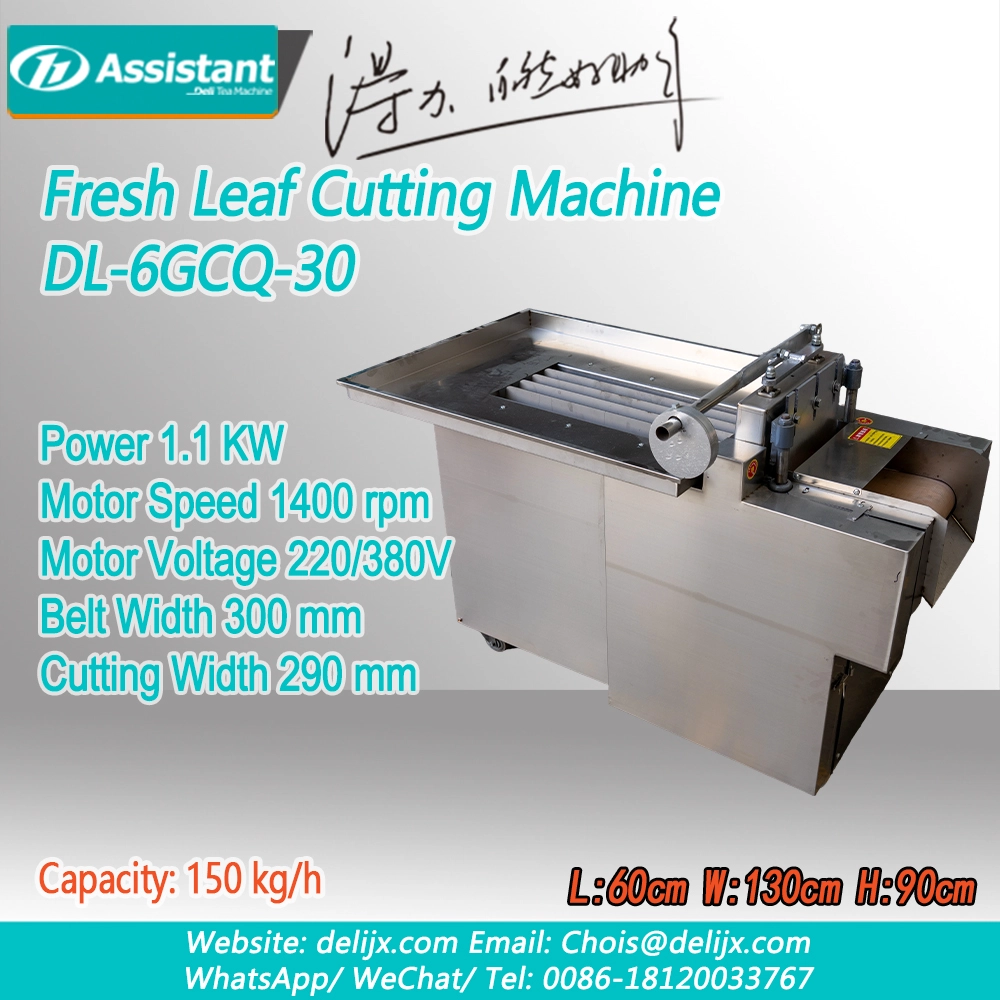
This fresh leaf cutting machine cuts large fresh leaves into uniform small pieces. Two models available: DL-6GCQ-30 (150kg/h) and DL-6GCQ-50 (250kg/h). It adopts conveyor feeding, works for tea, lotus leaf, mulberry leaf and herbal raw materials for tea production.
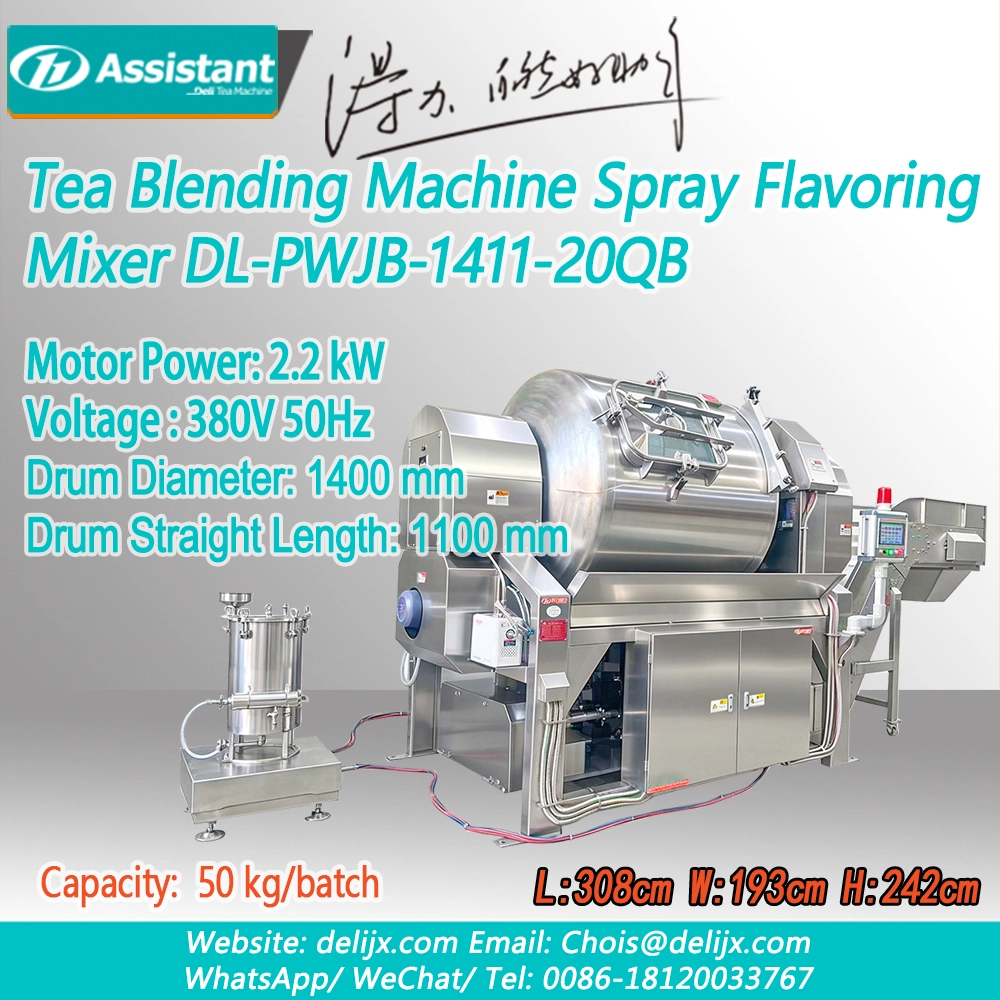
This DELI ASSISTANT spray mixer is a dual-function tea blending & aroma spraying machine, used for homogenizing tea piles and atomized flavor adding in tea factory production, with 1400mm drum, 2.2kW motor and 380V power supply.
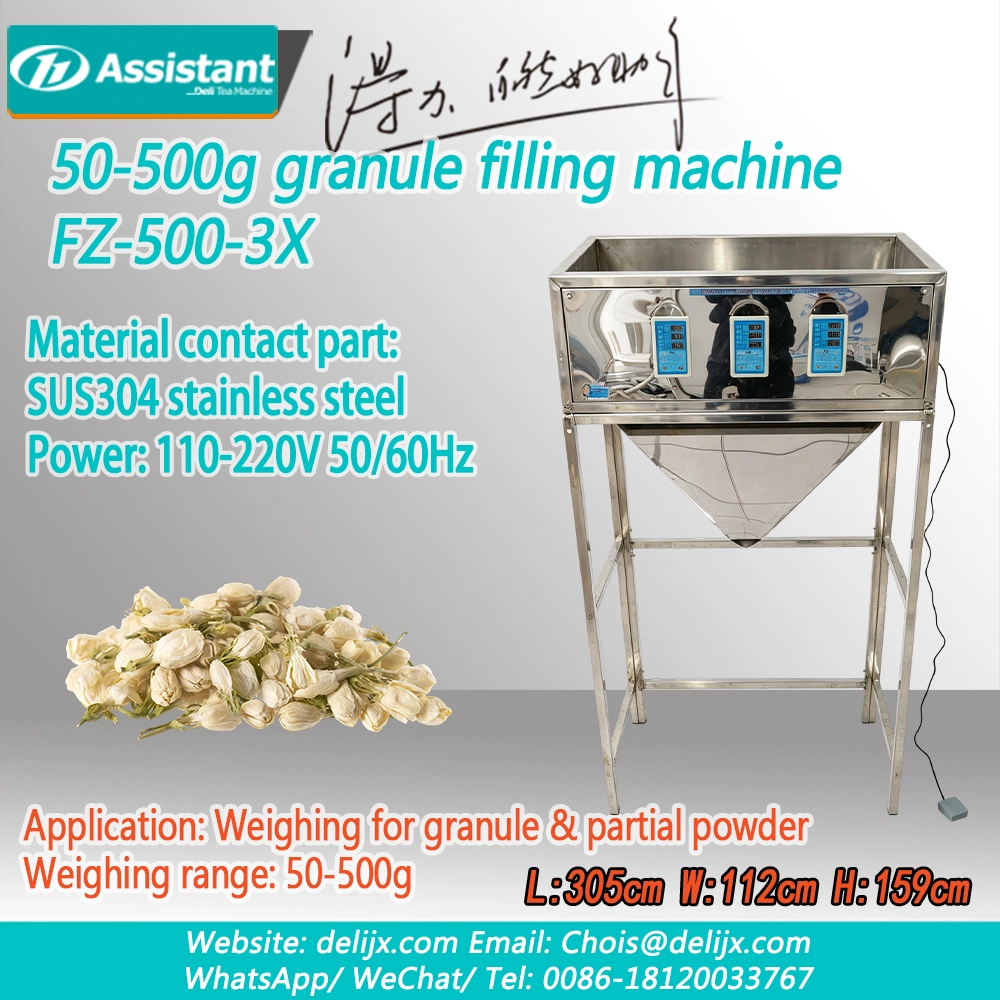
FZ‑500‑3X Automatic Quantitative Filling Machine 50‑500g Granule Powder Weighing Dispenser For Tea Grain Coffee Bean
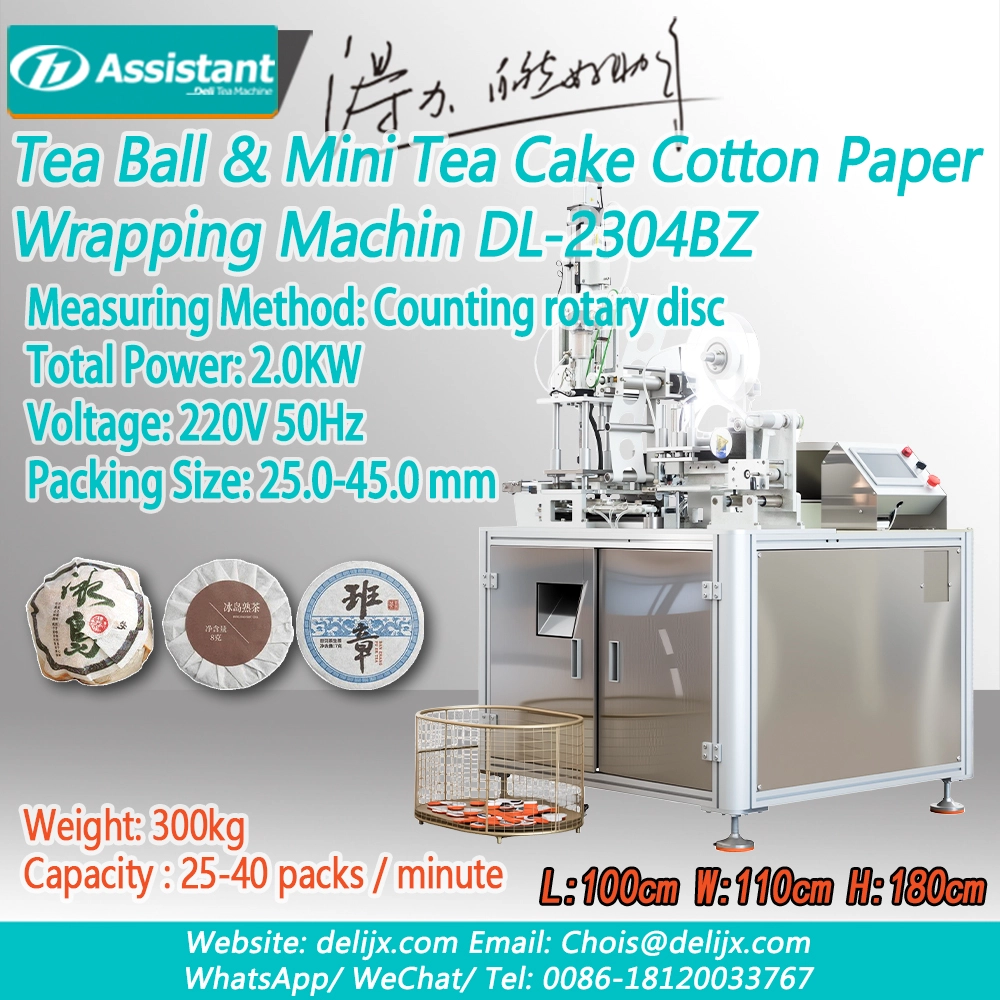
Automatic cotton paper wrapping machine for Pu‑er dragon pearl tea and mini tea cake. PLC control, 25‑40 pcs/min speed, one‑key switch for tea ball & small cake, stable pneumatic‑servo operation for compressed tea packaging.
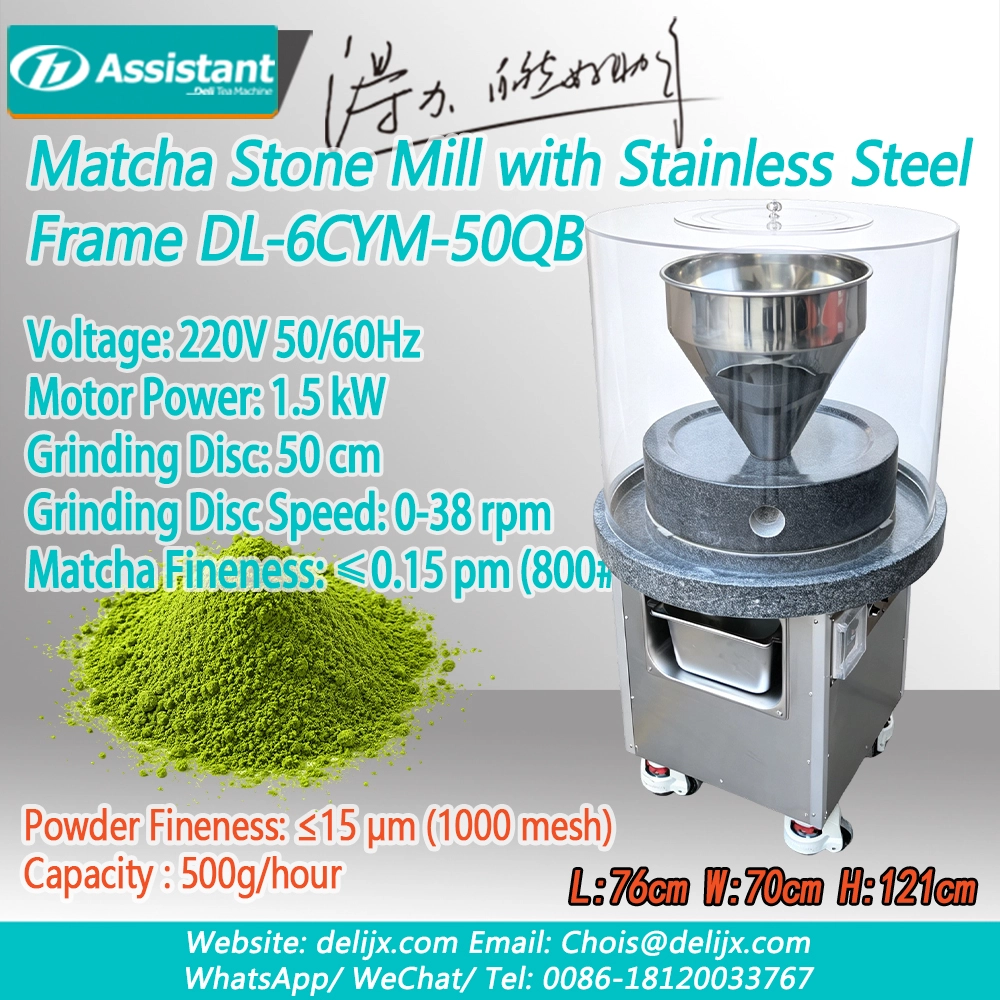
6CMJY-50QB stainless steel custom base matcha green stone mill, natural granite stone plate, low-speed cold grinding. Preserve tea aroma, produce ultra-fine matcha powder. Stainless steel frame with casters, suitable for tea shops, labs and small-batch matcha production.
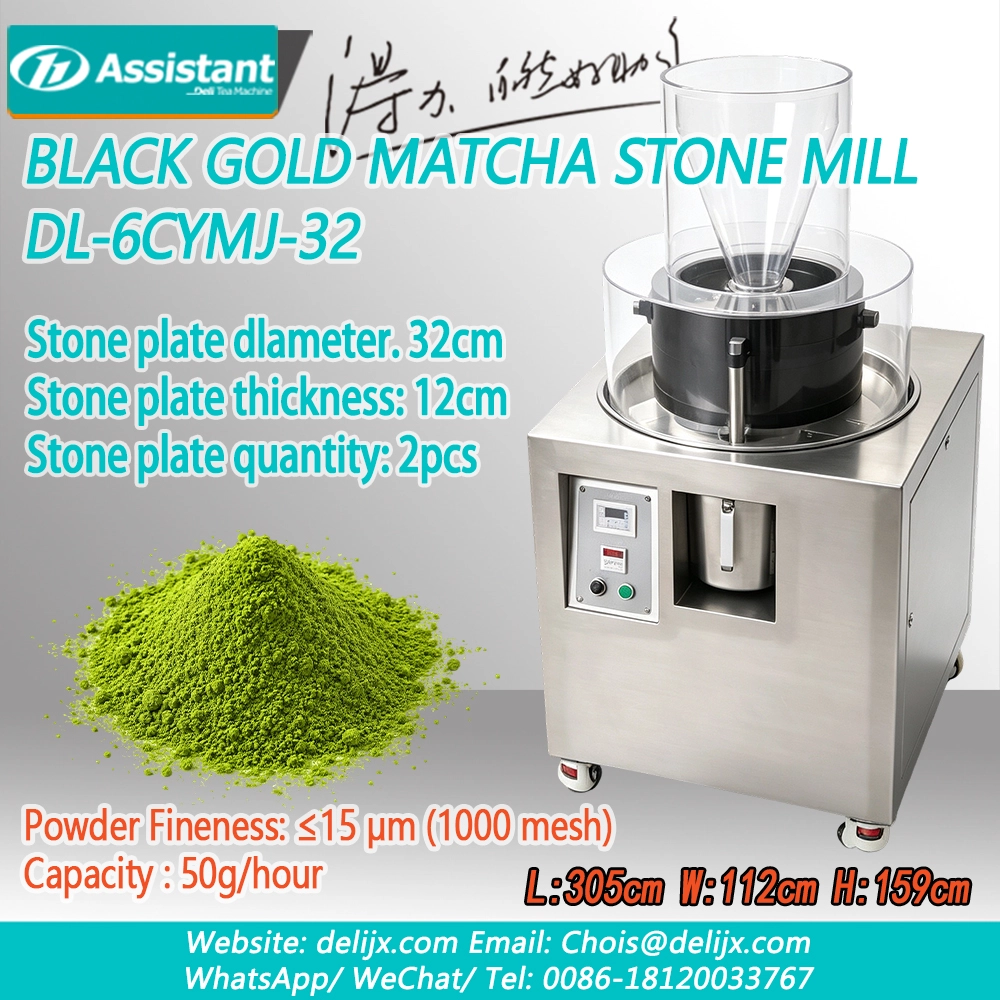
Custom heightened small matcha stone mill DL-6CYMJ-32M, equipped with 30cm natural stone plates. Low-speed low-temperature grinding, produce ultra-fine matcha powder ≤15μm. 50g/h capacity, stainless steel body, ideal for boutique tea shops & small-batch matcha production.
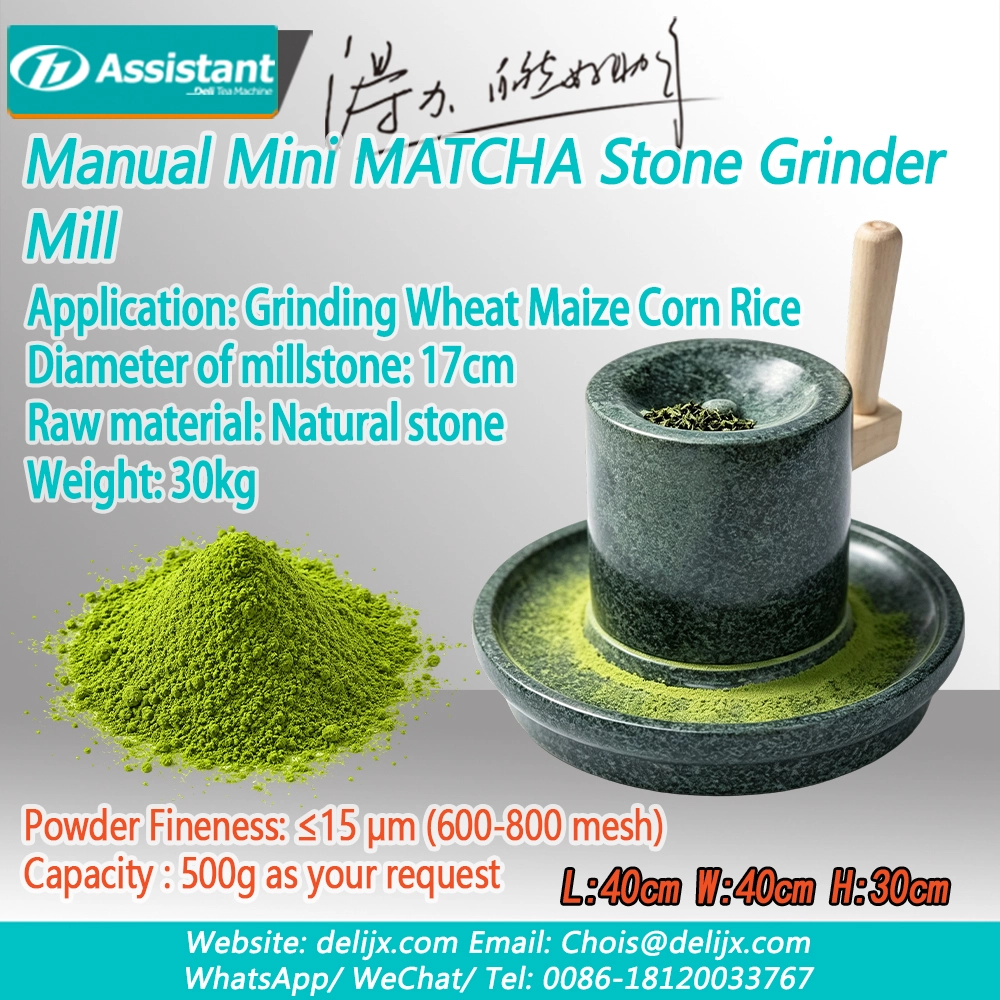
Manual Matcha Stone Mill is a traditional hand-operated grinder made from natural stone, designed for producing fresh and authentic matcha powder. With a slow grinding process and low heat generation, it helps preserve the natural color, aroma, and flavor of tea leaves. Compact and durable, it is ideal for matcha cafes, tea houses, restaurants, cultural experience shops, and small-batch matcha production.
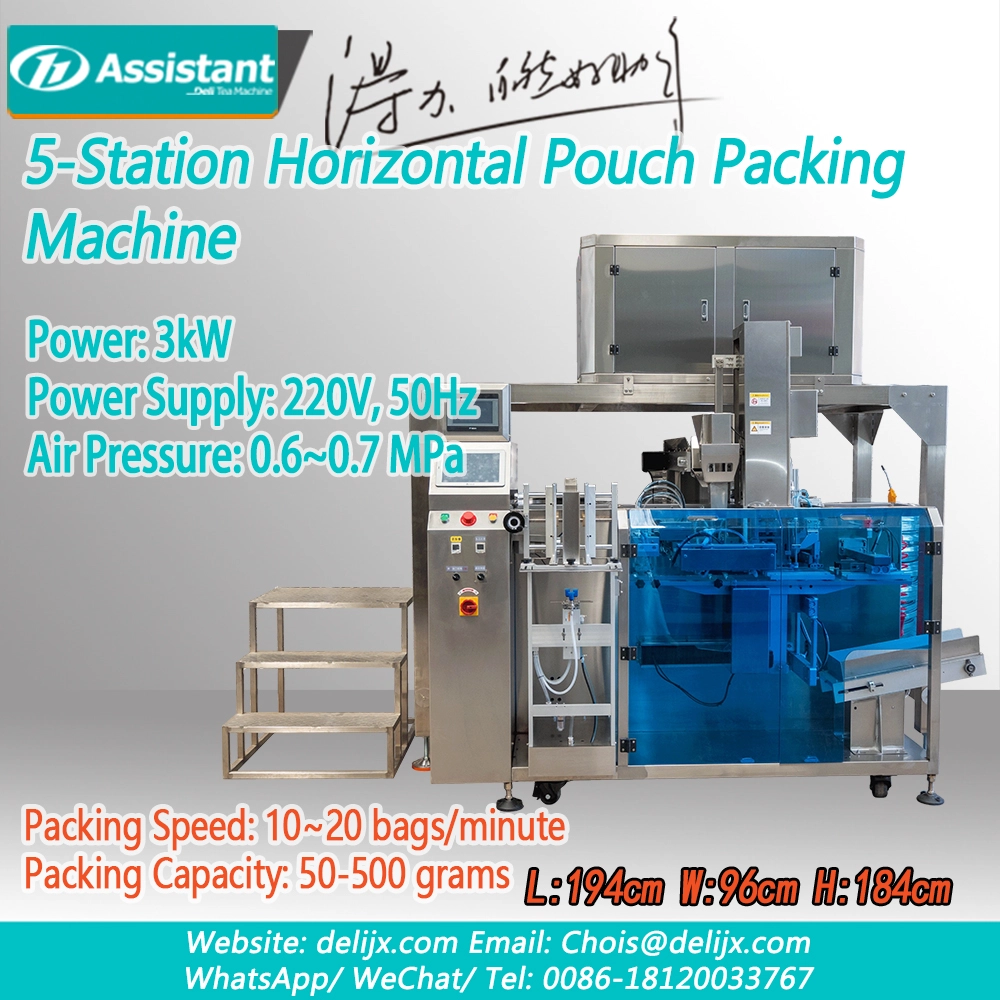
This 5-station horizontal pouch packing machine handles M bags, flat pouches and zipper pouches for 50–500g granular materials like tea. It automatically finishes weighing, filling, vacuuming and sealing with servo control, supporting multiple optional accessories.
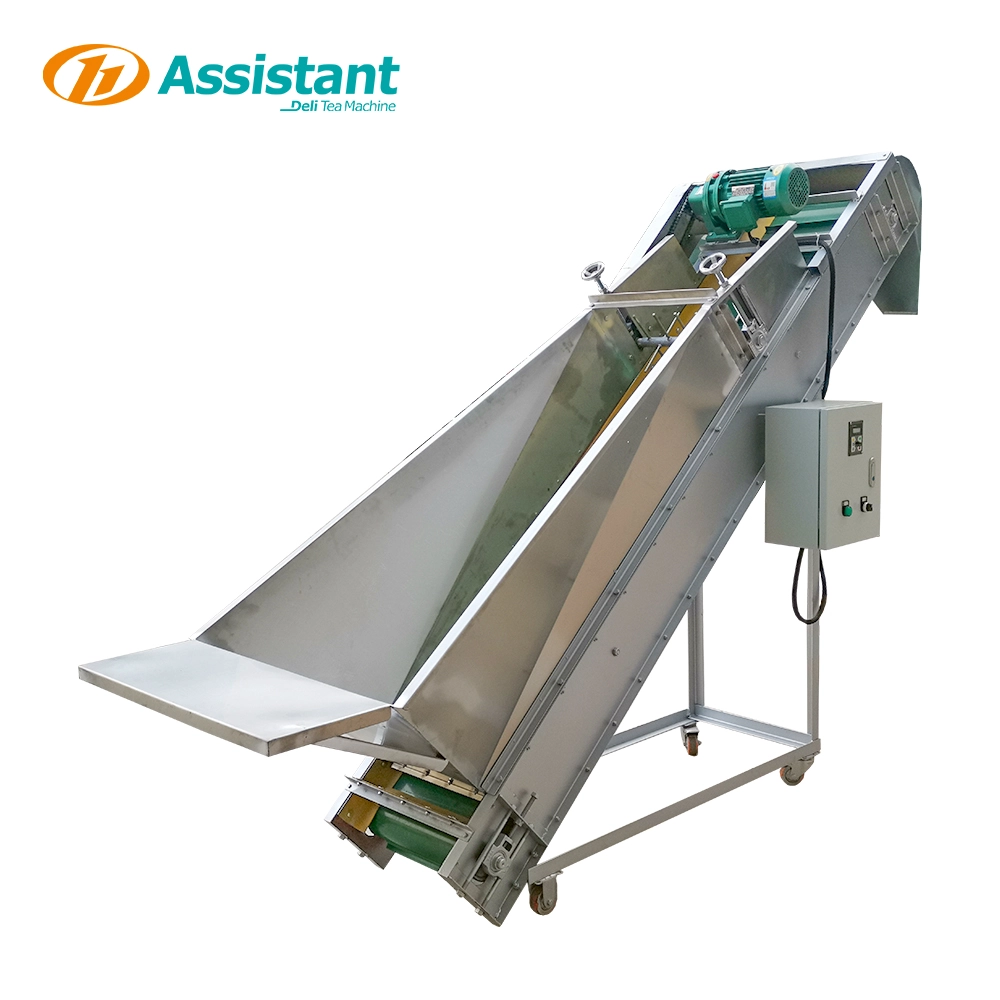
Our stainless steel tea leaf feed conveyor is an inclined climbing belt elevator specially matched with tea de-enzyming fixation machines. It features adjustable speed, anti-slip baffle belt, stable feeding, protects tender tea leaves, and greatly boosts automation efficiency for tea factories.
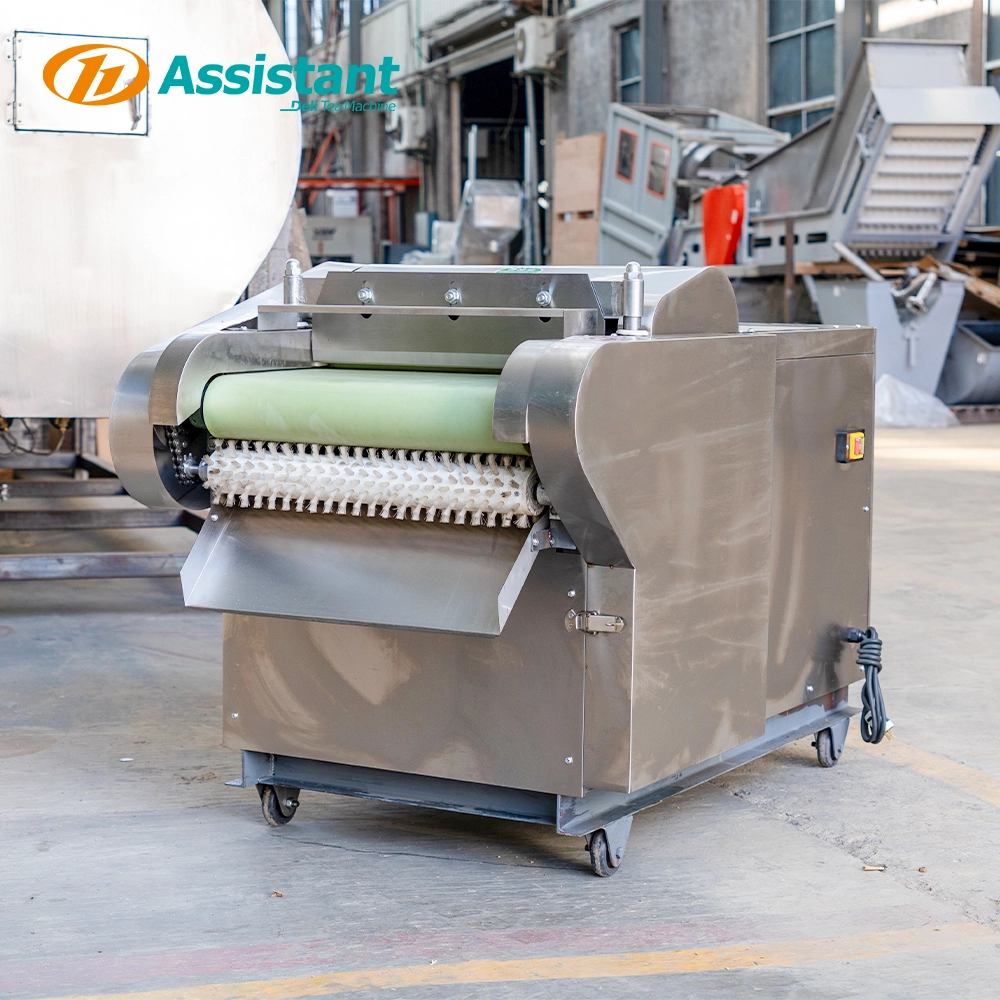
DL-6GCQ-50 fresh leaf cutting machine with 250kg/h capacity. Stainless steel commercial cutter for tea leaves, spinach, basil, mint and leafy greens. Learn its specifications, suitable materials, operation guide and daily maintenance tips.
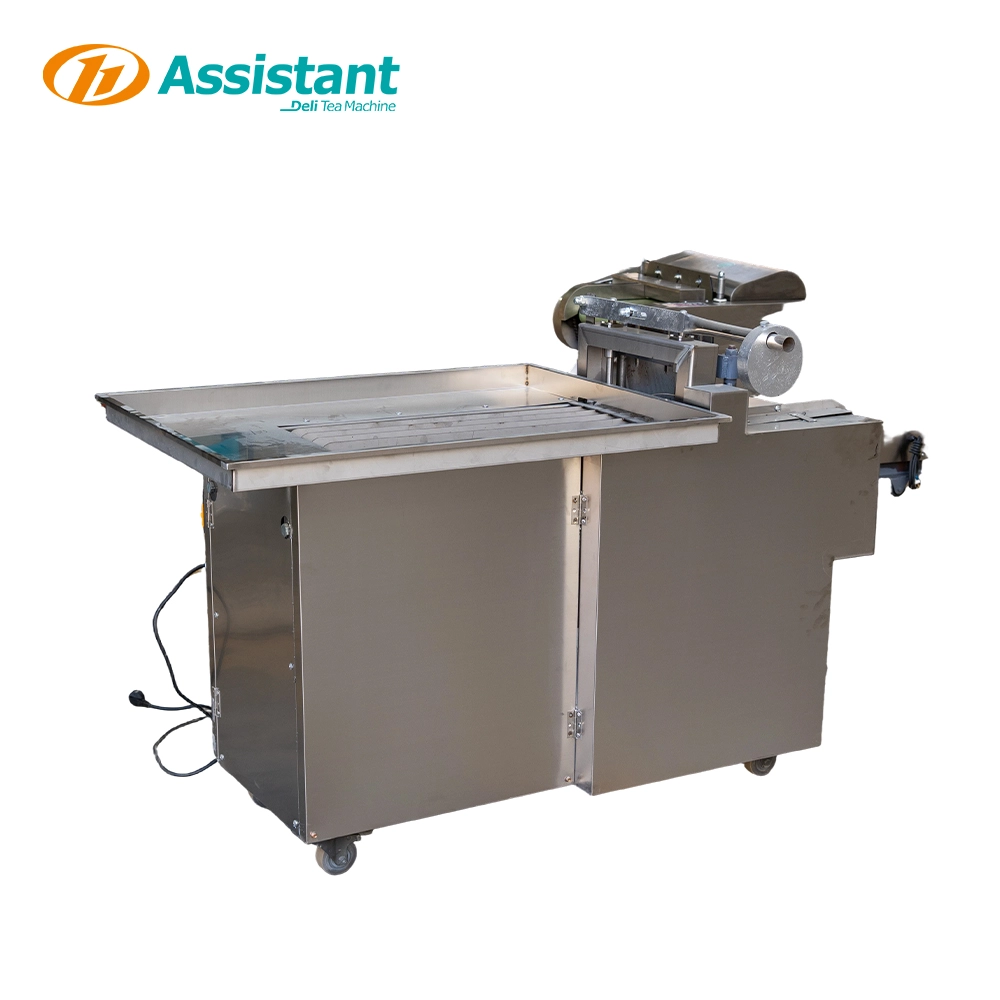
Our fresh leaf cutting machine has two models DL-6GCQ-30 (150kg/h) and DL-6GCQ-50 (250kg/h). Stainless steel structure, 220/380V optional, used for cutting fresh tea leaves, herbs and foliage into uniform small segments. Factory direct supply, stable performance for tea & herbal processing lines.
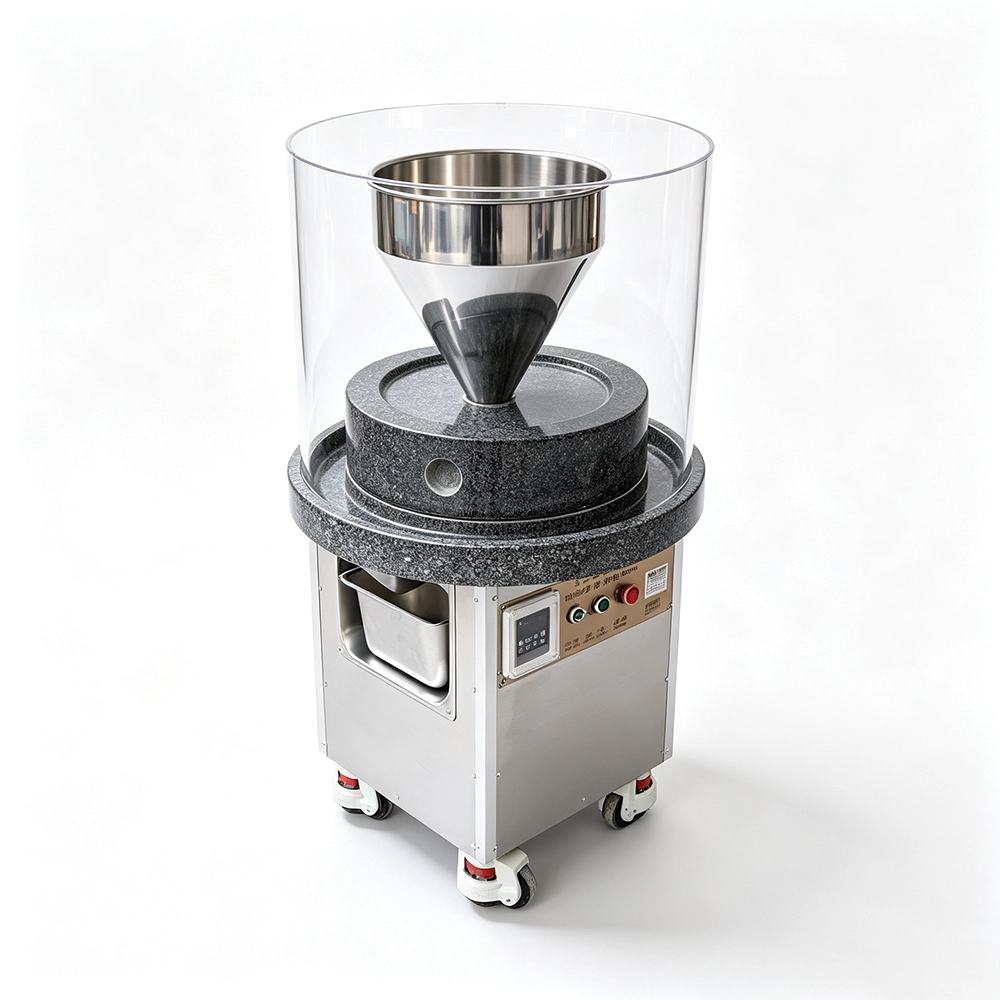
Looking for the right matcha grinding equipment? Read our in-depth comparison of 4 matcha grinders, including Black Gold Stone Mills, Blue Stone Mills, Batch Ball Mills, and Continuous Ball Mills. Learn their efficiency, particle size distribution, and ideal applications.
Oolong tea is famous for its natural floral fragrance, and it is also the top grade for its high-quality, rich and special floral or nectar fragrance. After research, hydrocarbons (mainly alkenes), alcohols, esters, ketones, aldehydes, acids, phenols, heterooxygen compounds and nitrogen-containing compounds affect the aroma of oolong tea. richer. The aromatic substance content of oolong tea accounts for about 0.053% of the total dry matter of tea leaves, which is significantly higher than that of other teas.
In addition, the difference in fresh leaf varieties, tenderness, origin and oolong tea processing methods of tea trees also affects the formation of aroma. The fresh-leaf variety depends on the physiological and biochemical characteristics of the tea variety. The tenderness of fresh leaves is required to have a certain degree of maturity, and is different from red and green tea. Variety, tenderness and origin are the prerequisites for tea aroma, and the later processing technology is a necessary means for the formation of tea aroma. First, in the process of processing, light energy causes strong biochemical effects in the withering process. Second, the oolong tea shaking process undergoes enzymatic oxidation and hydrolysis, and then low-temperature and long-term heat treatment in the oolong tea drying process. These production processes have an impact on the aroma of oolong tea. formation plays an important role.
Oolong tea is not enough to be withering, shaking, fixation, and the distribution and transformation of the components of grassy are not enough, so the finished tea has grassy. Not withering or withering process too much, the temperature of oolong tea shaking is high, the fermentation is excessive, and the aroma of the finished tea is low. If the fermentation is insufficient, the tea fixation is excessive, the initial drying temperature is too low, and the aroma is often cloudy and dull. The fresh leaves are coarse and old, the base of aromatic substances is poor, and the drying and fixation are insufficient, making the tea coarse and old. If the baking temperature is too high, a large amount of aromatic substances will volatilize and decompose, and the fixation effect will be weakened. If the temperature of the frying pan is too high and the time is too long, it is easy to produce coke gas. There is furnace smoke when hojicha is adsorbed, and smoke is generated after the tea leaves are adsorbed.