





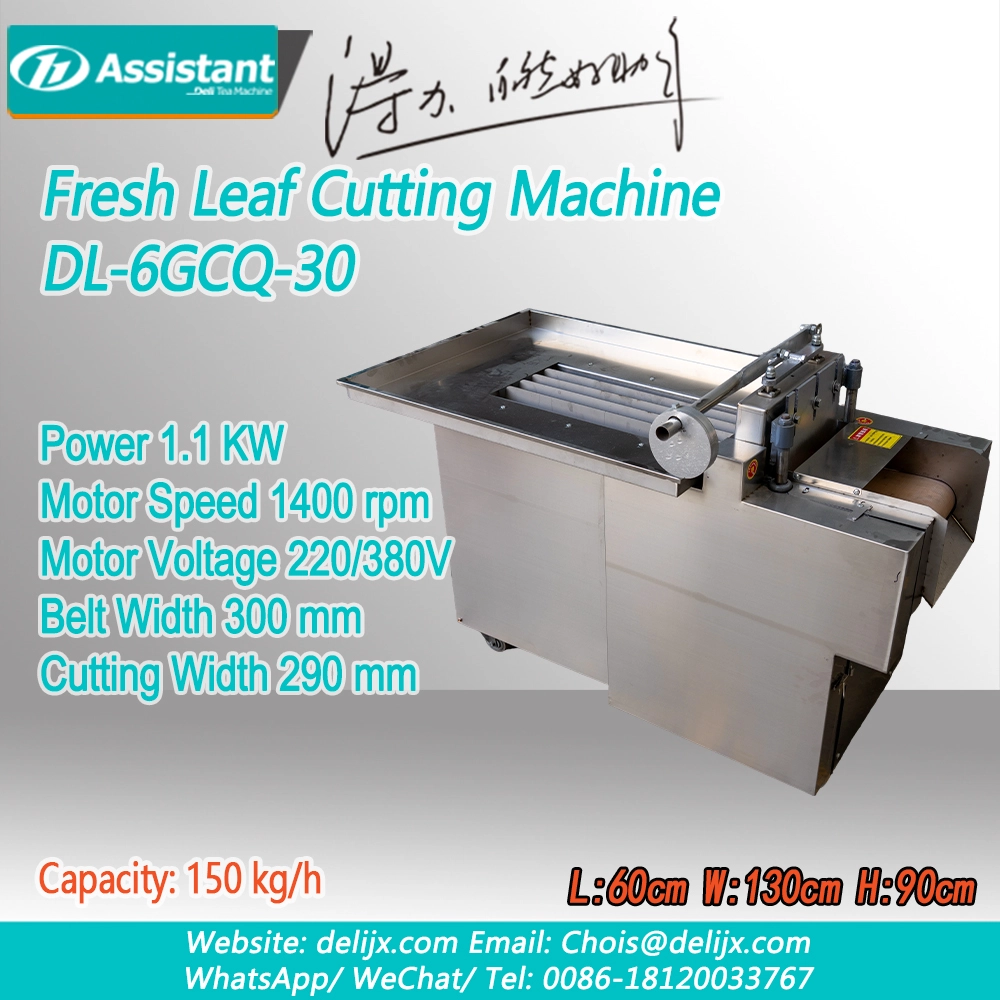
This fresh leaf cutting machine cuts large fresh leaves into uniform small pieces. Two models available: DL-6GCQ-30 (150kg/h) and DL-6GCQ-50 (250kg/h). It adopts conveyor feeding, works for tea, lotus leaf, mulberry leaf and herbal raw materials for tea production.
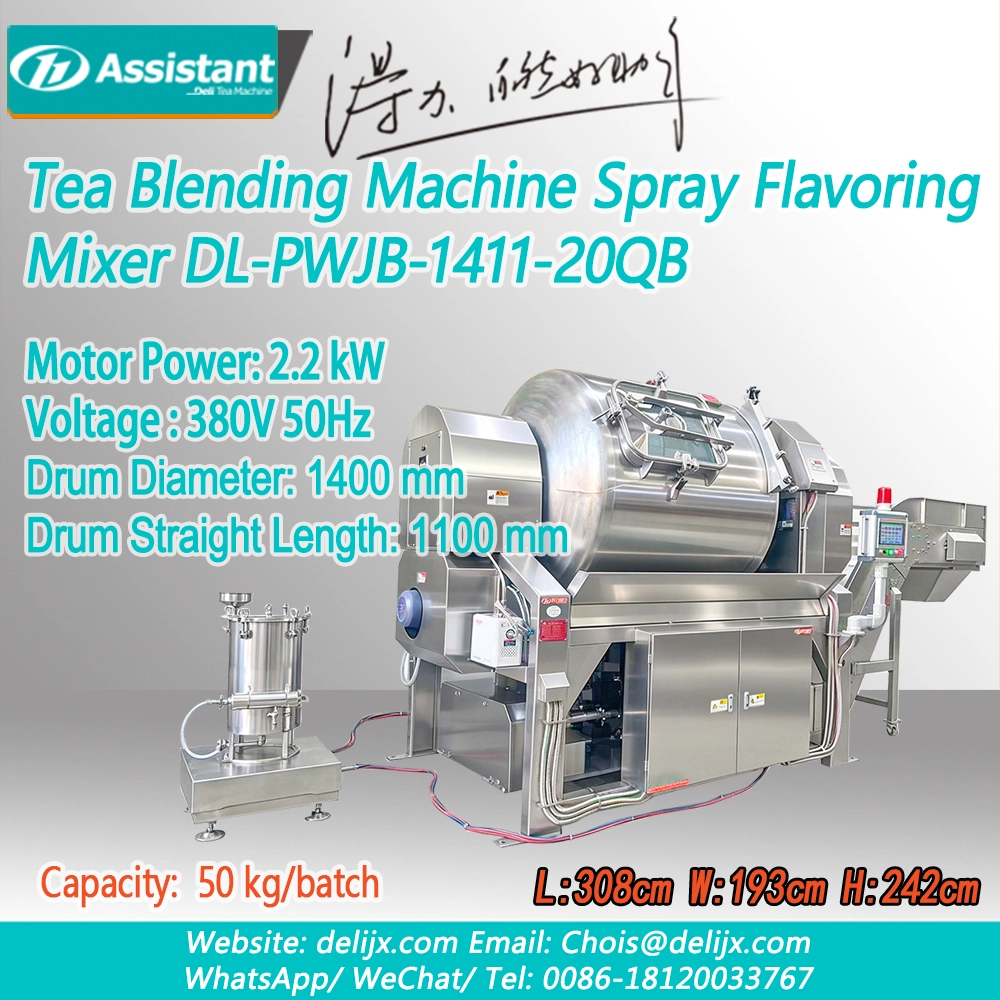
This DELI ASSISTANT spray mixer is a dual-function tea blending & aroma spraying machine, used for homogenizing tea piles and atomized flavor adding in tea factory production, with 1400mm drum, 2.2kW motor and 380V power supply.
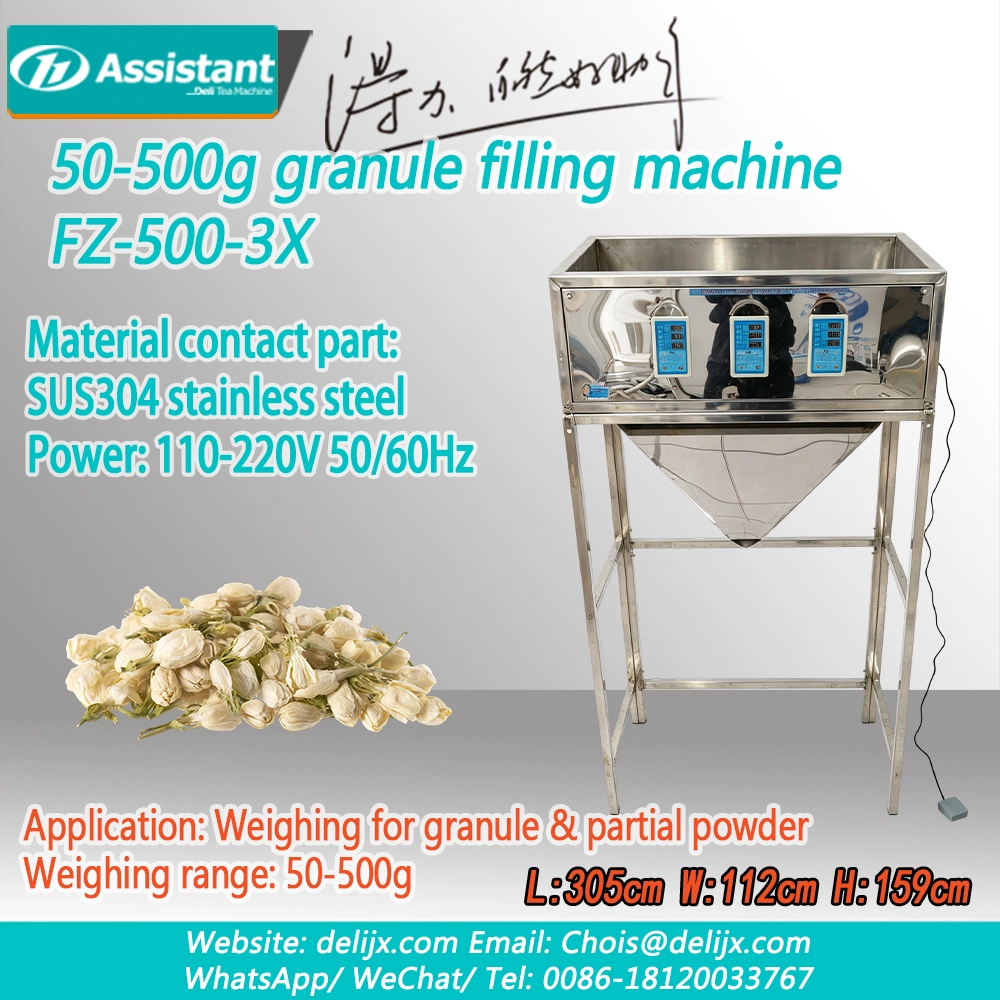
FZ‑500‑3X Automatic Quantitative Filling Machine 50‑500g Granule Powder Weighing Dispenser For Tea Grain Coffee Bean
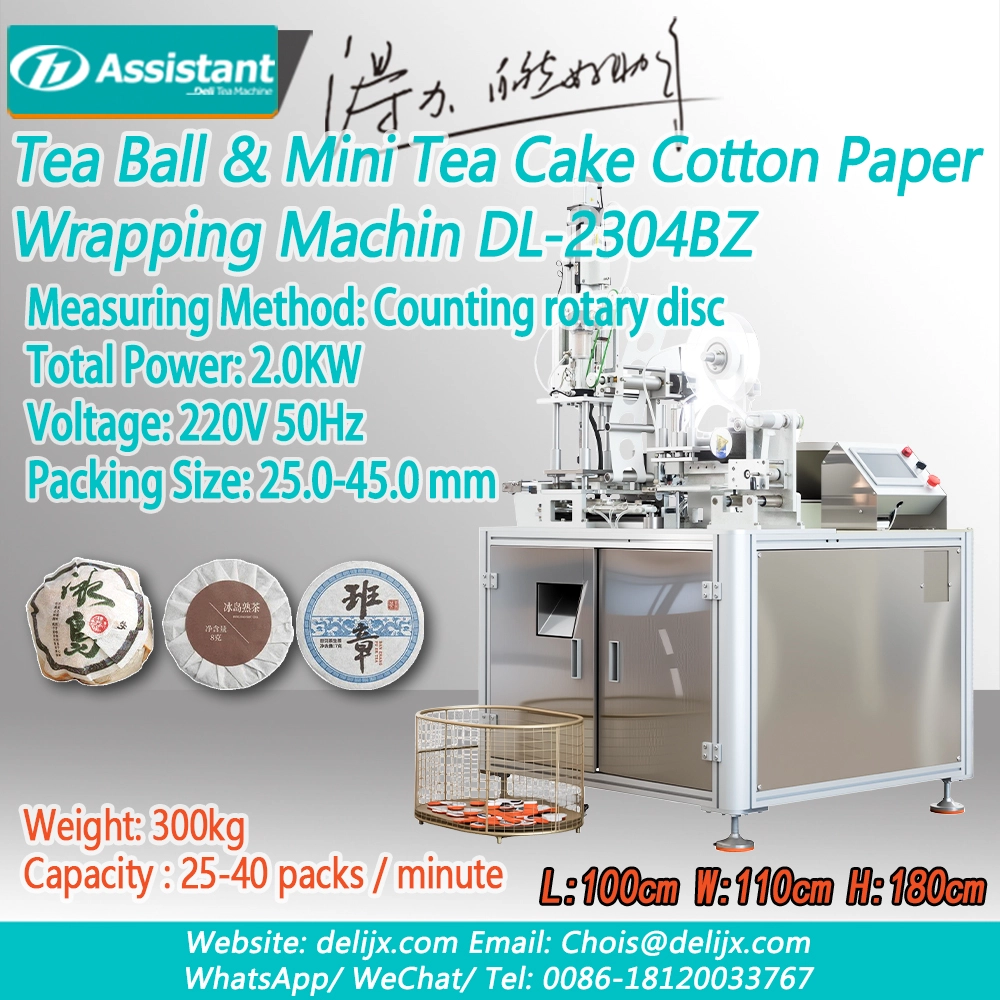
Automatic cotton paper wrapping machine for Pu‑er dragon pearl tea and mini tea cake. PLC control, 25‑40 pcs/min speed, one‑key switch for tea ball & small cake, stable pneumatic‑servo operation for compressed tea packaging.
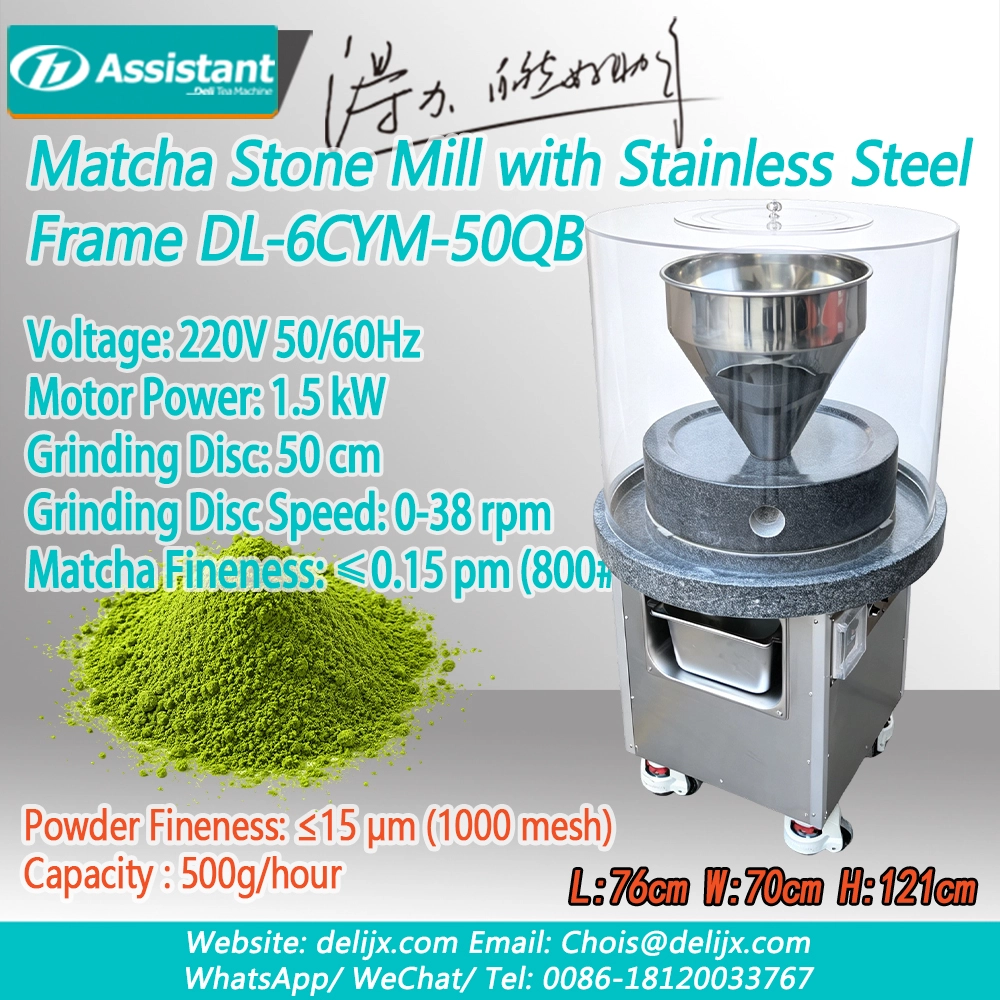
6CMJY-50QB stainless steel custom base matcha green stone mill, natural granite stone plate, low-speed cold grinding. Preserve tea aroma, produce ultra-fine matcha powder. Stainless steel frame with casters, suitable for tea shops, labs and small-batch matcha production.
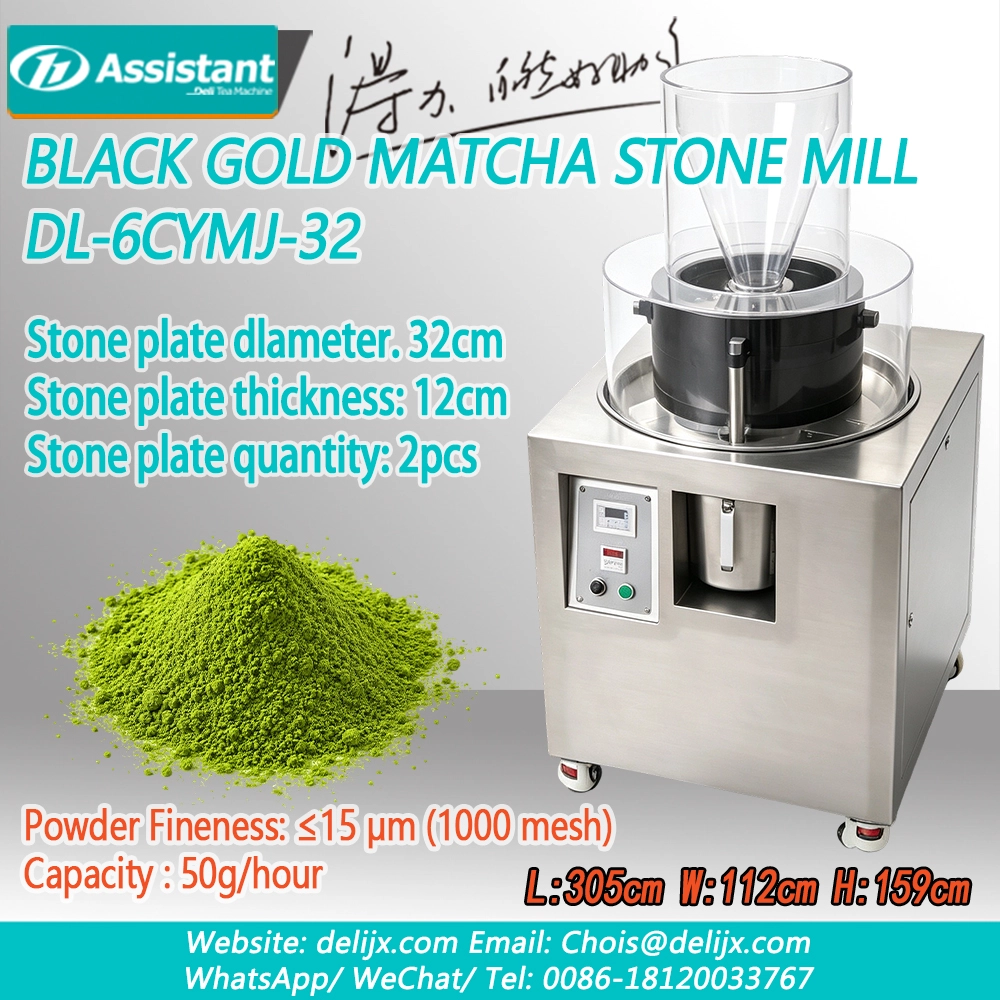
Custom heightened small matcha stone mill DL-6CYMJ-32M, equipped with 30cm natural stone plates. Low-speed low-temperature grinding, produce ultra-fine matcha powder ≤15μm. 50g/h capacity, stainless steel body, ideal for boutique tea shops & small-batch matcha production.
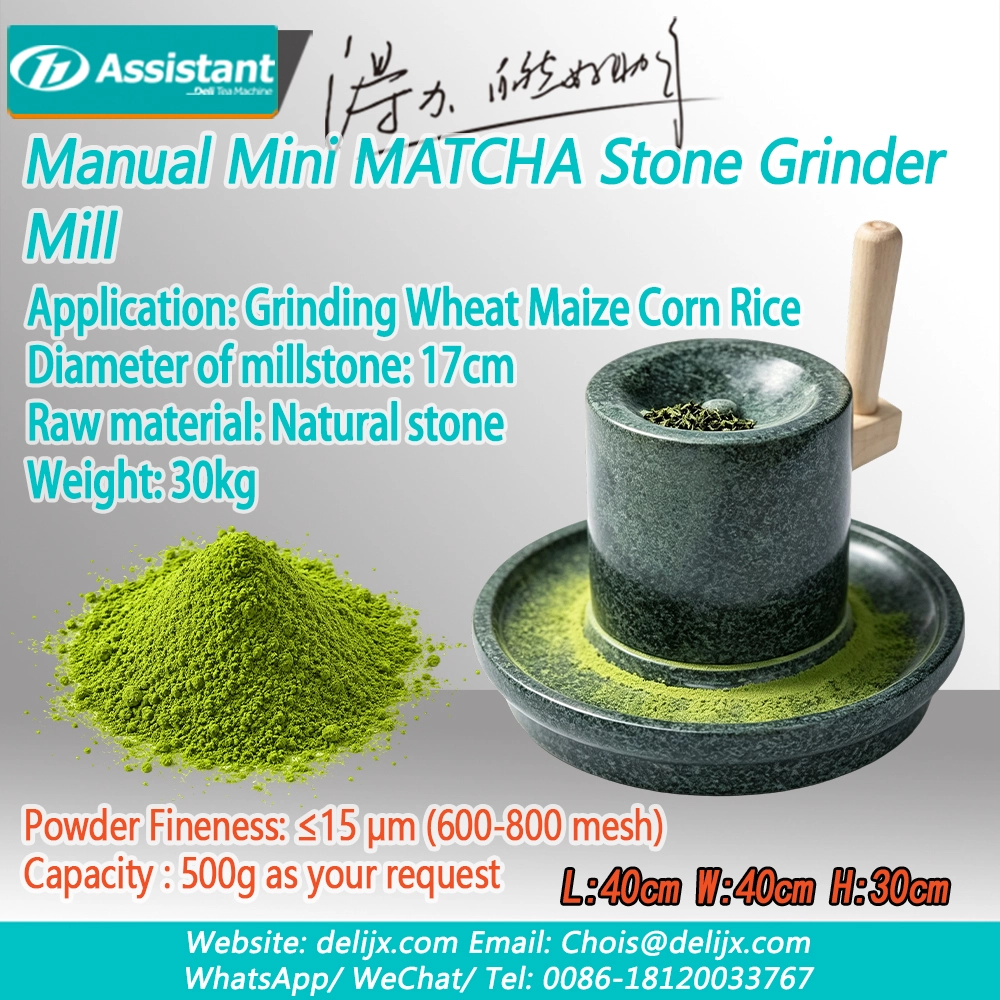
Manual Matcha Stone Mill is a traditional hand-operated grinder made from natural stone, designed for producing fresh and authentic matcha powder. With a slow grinding process and low heat generation, it helps preserve the natural color, aroma, and flavor of tea leaves. Compact and durable, it is ideal for matcha cafes, tea houses, restaurants, cultural experience shops, and small-batch matcha production.
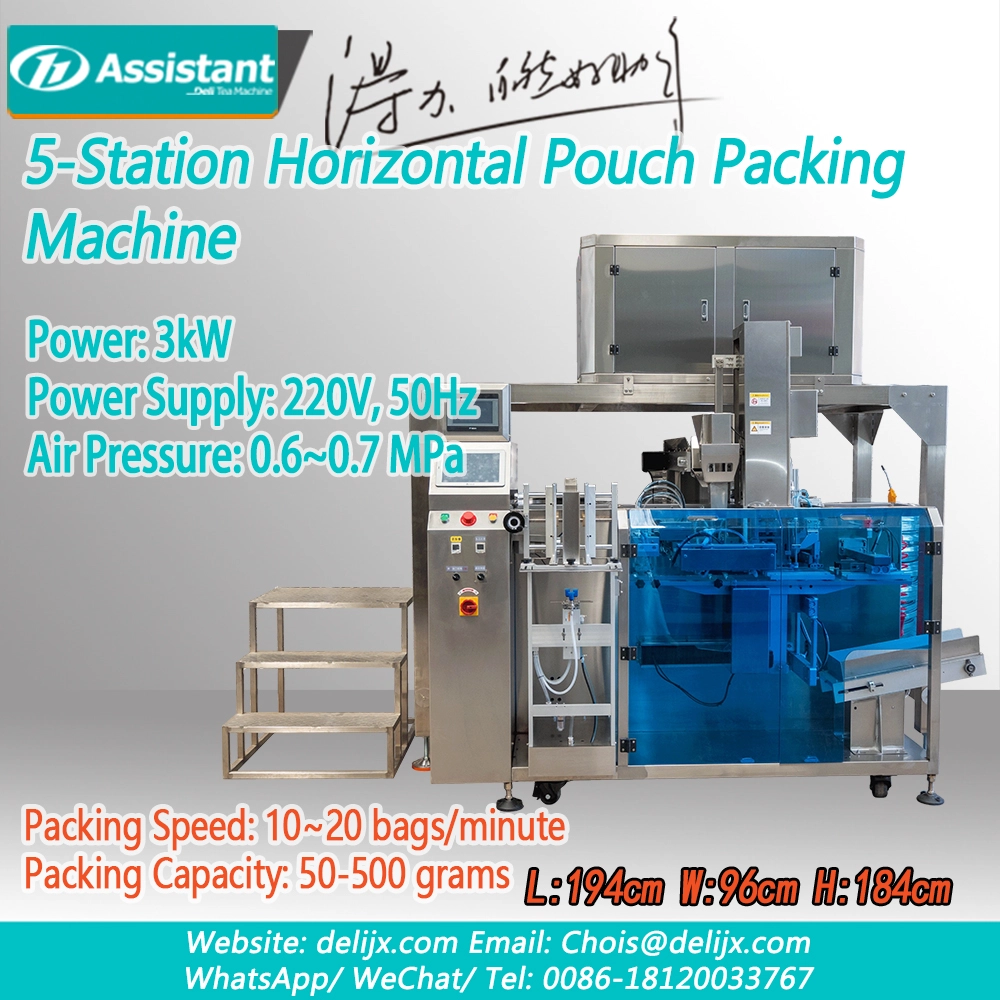
This 5-station horizontal pouch packing machine handles M bags, flat pouches and zipper pouches for 50–500g granular materials like tea. It automatically finishes weighing, filling, vacuuming and sealing with servo control, supporting multiple optional accessories.
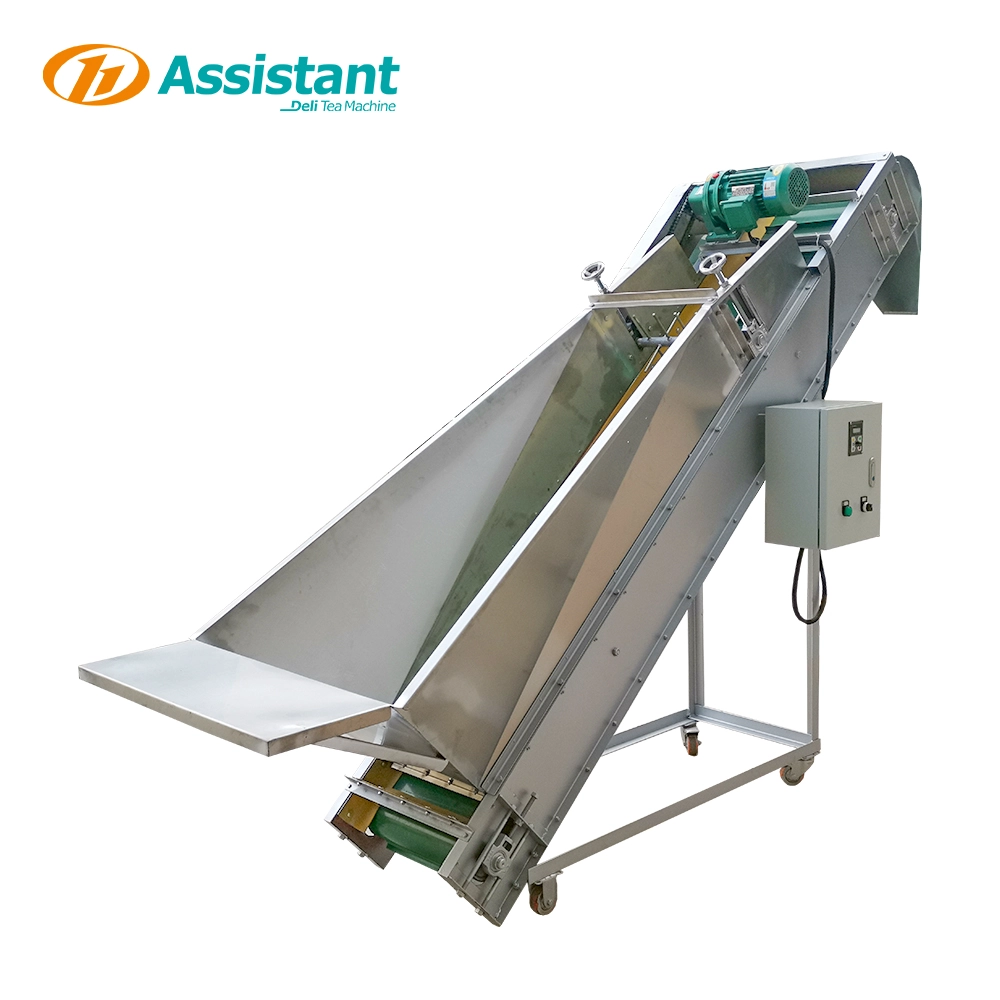
Our stainless steel tea leaf feed conveyor is an inclined climbing belt elevator specially matched with tea de-enzyming fixation machines. It features adjustable speed, anti-slip baffle belt, stable feeding, protects tender tea leaves, and greatly boosts automation efficiency for tea factories.
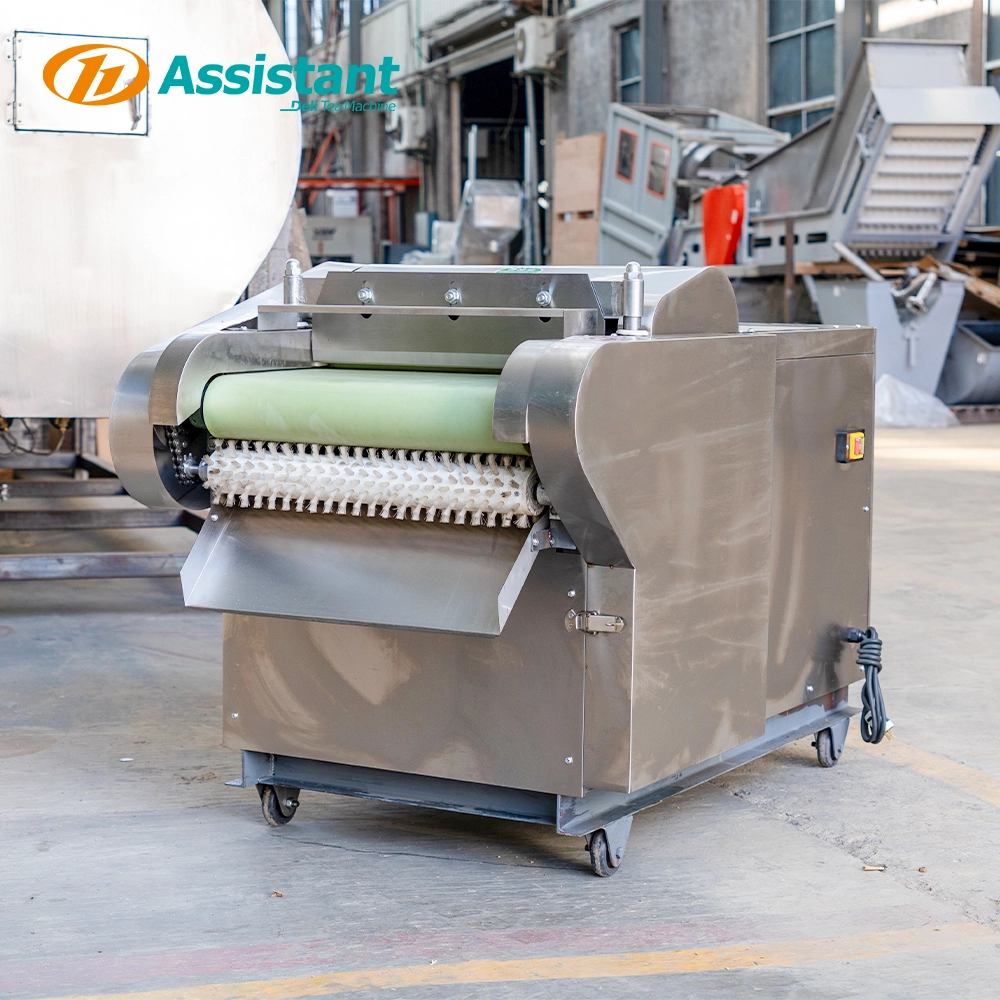
DL-6GCQ-50 fresh leaf cutting machine with 250kg/h capacity. Stainless steel commercial cutter for tea leaves, spinach, basil, mint and leafy greens. Learn its specifications, suitable materials, operation guide and daily maintenance tips.
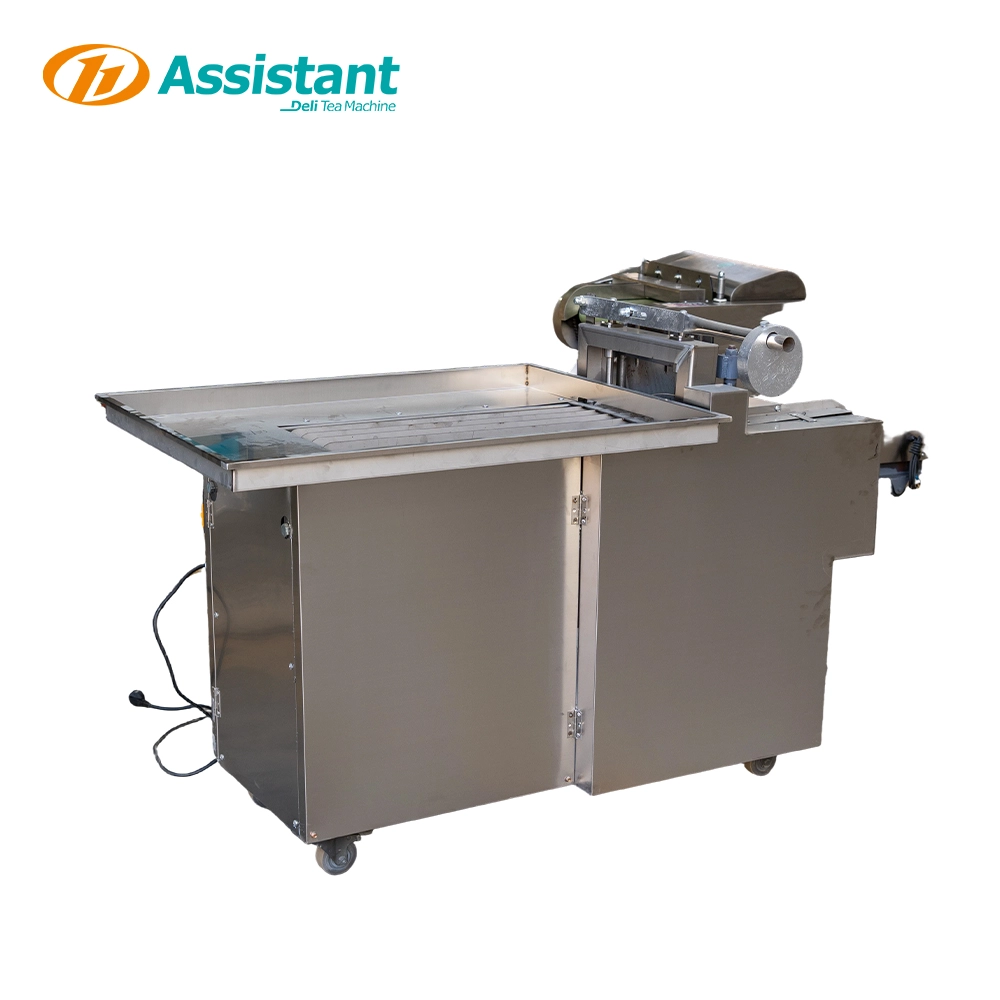
Our fresh leaf cutting machine has two models DL-6GCQ-30 (150kg/h) and DL-6GCQ-50 (250kg/h). Stainless steel structure, 220/380V optional, used for cutting fresh tea leaves, herbs and foliage into uniform small segments. Factory direct supply, stable performance for tea & herbal processing lines.
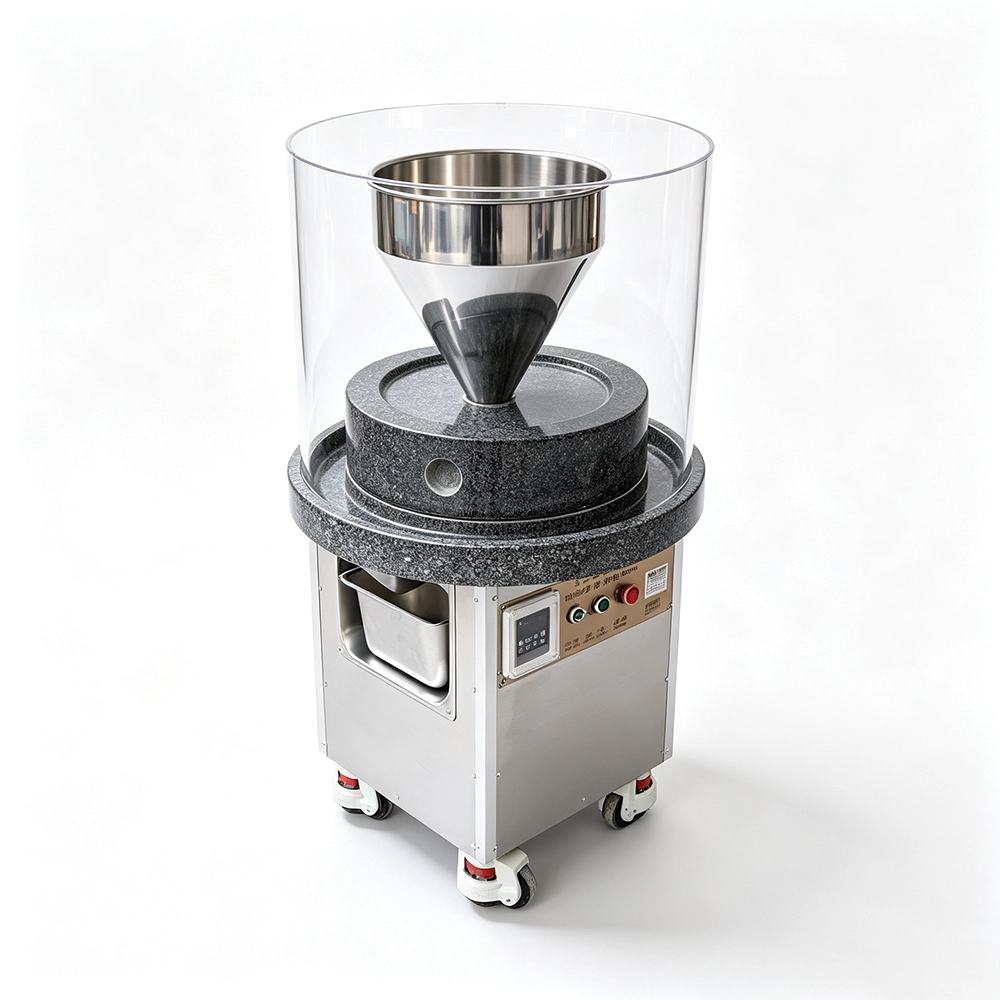
Looking for the right matcha grinding equipment? Read our in-depth comparison of 4 matcha grinders, including Black Gold Stone Mills, Blue Stone Mills, Batch Ball Mills, and Continuous Ball Mills. Learn their efficiency, particle size distribution, and ideal applications.
Tea rolling machines have revolutionized the tea production process, replacing traditional manual rolling methods with automated technology. These machines are designed to mimic the hand-rolling process, ensuring consistent quality and efficiency in tea production.
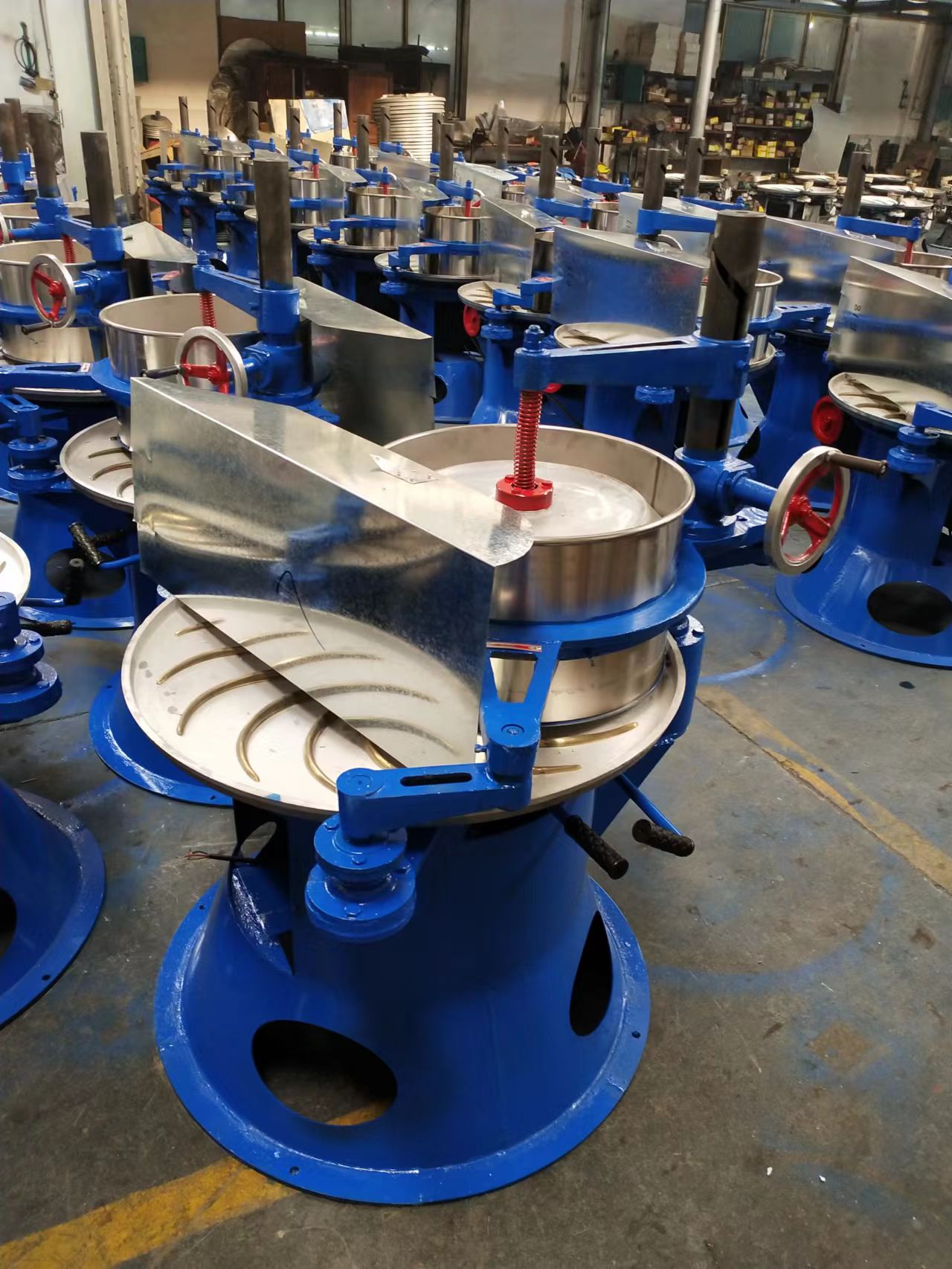
Automation: Tea rolling machines automate the rolling process, eliminating the need for manual labor. This automation not only reduces production costs but also ensures a higher level of consistency in the final product. The machines are programmed to roll the tea leaves gently, replicating the delicate touch of skilled tea artisans.
Efficiency: Tea rolling machines significantly increase the production capacity of tea estates. With their ability to process large quantities of tea leaves in a short period, these machines streamline the production process, saving time and resources. This increased efficiency allows tea producers to meet the growing demand for tea worldwide.
Quality: Consistency is a key factor in determining the quality of tea. Tea rolling machines ensure uniformity in the rolling process, resulting in tea leaves of consistent size and shape. This consistency enhances the flavor and aroma of the tea, providing a delightful experience for tea enthusiasts. Moreover, the machines are equipped with sensors that monitor the rolling process, ensuring optimal rolling time and preventing over-processing.
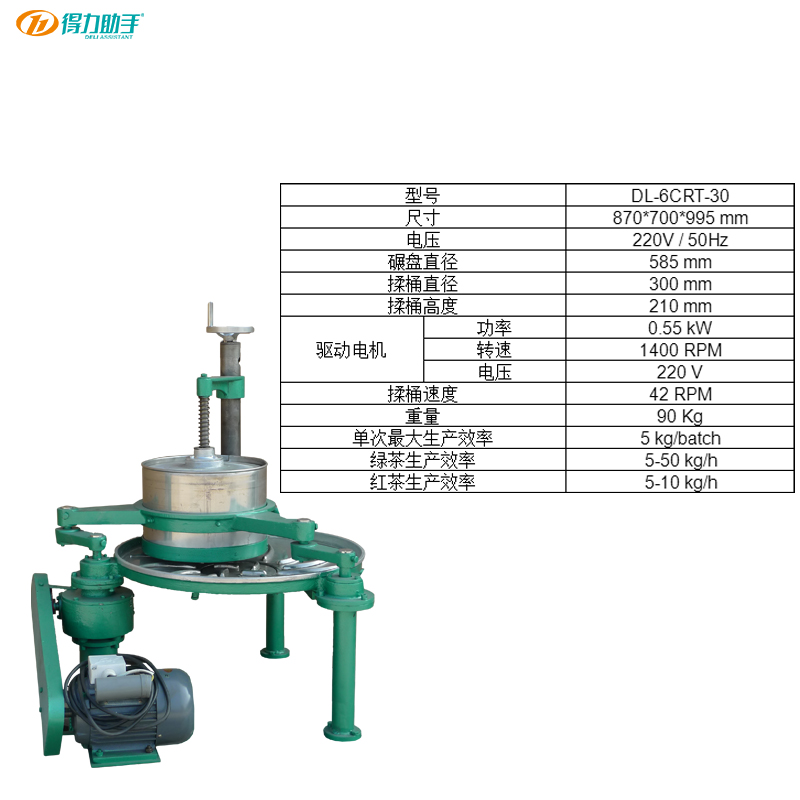
Versatility: Tea rolling machines are versatile and can be adjusted to cater to different types of tea. Whether it is black tea, green tea, oolong tea, or white tea, these machines can be programmed to roll the leaves according to the specific requirements of each tea variety. This versatility allows tea producers to diversify their product range and cater to a wider consumer base.
In conclusion, tea rolling machines have transformed the tea production industry, offering numerous benefits such as automation, efficiency, quality, and versatility. These machines have not only increased productivity but also improved the overall quality of tea. As the demand for tea continues to rise, tea rolling machines play a crucial role in meeting consumer expectations and ensuring a consistent supply of high-quality tea worldwide.