





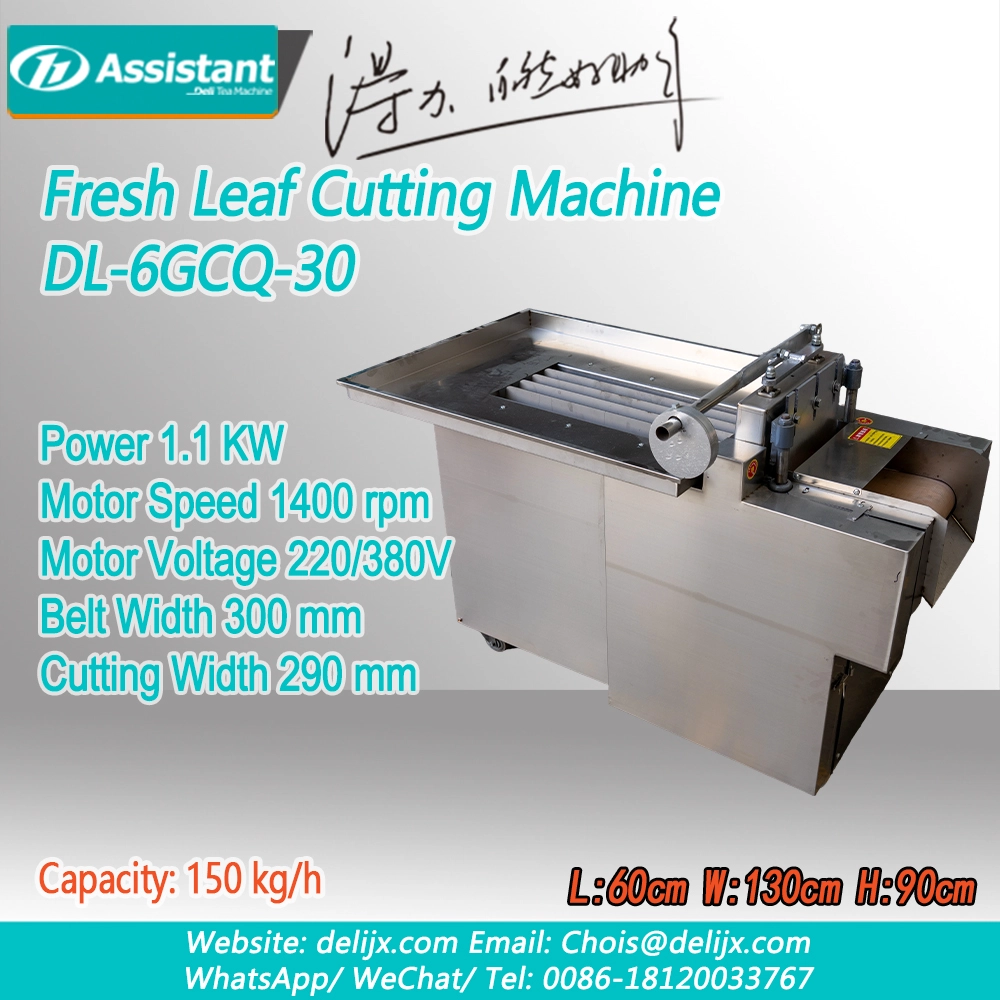
This fresh leaf cutting machine cuts large fresh leaves into uniform small pieces. Two models available: DL-6GCQ-30 (150kg/h) and DL-6GCQ-50 (250kg/h). It adopts conveyor feeding, works for tea, lotus leaf, mulberry leaf and herbal raw materials for tea production.
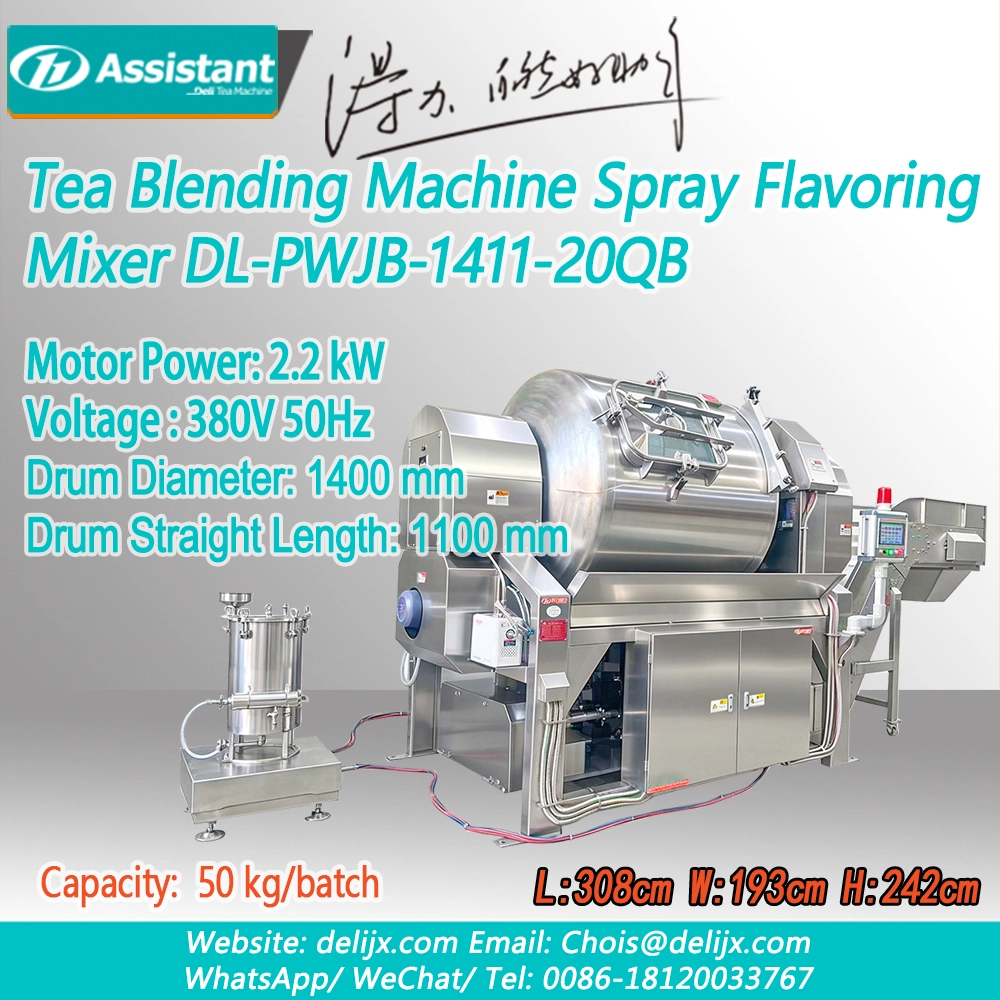
This DELI ASSISTANT spray mixer is a dual-function tea blending & aroma spraying machine, used for homogenizing tea piles and atomized flavor adding in tea factory production, with 1400mm drum, 2.2kW motor and 380V power supply.
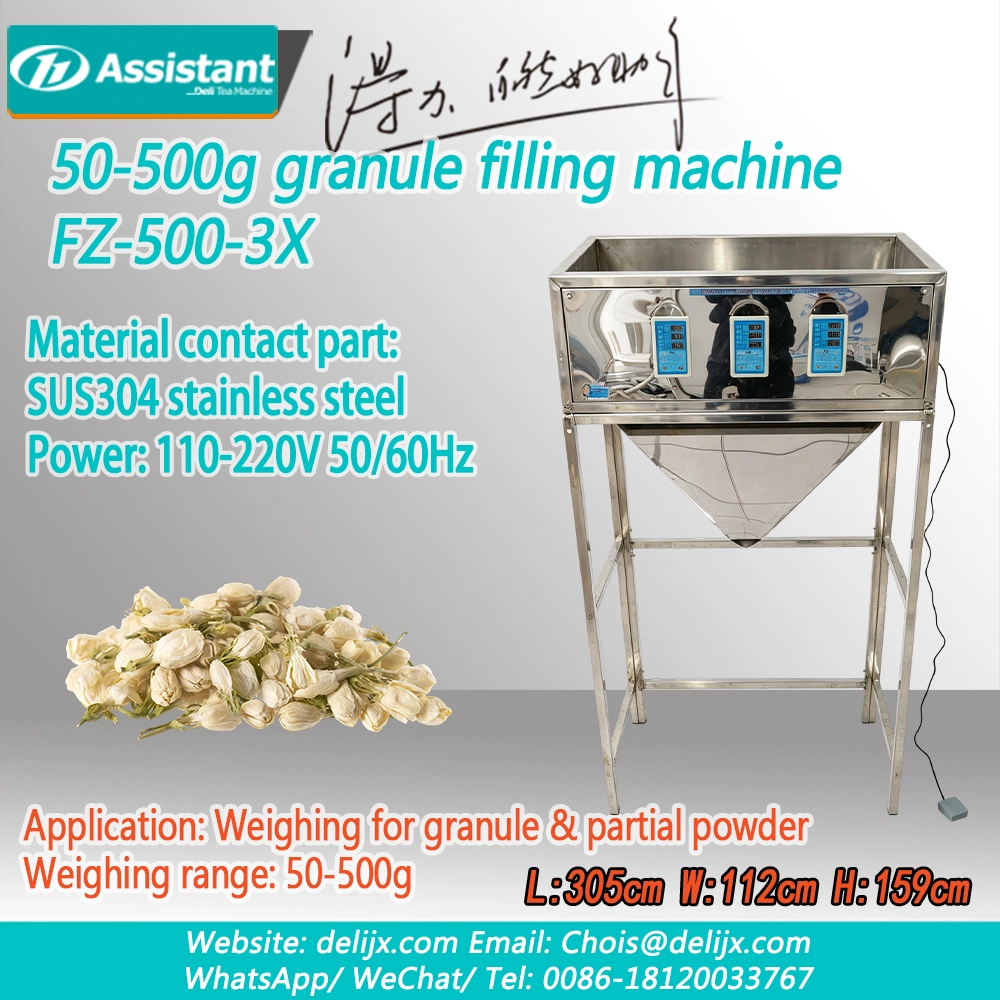
FZ‑500‑3X Automatic Quantitative Filling Machine 50‑500g Granule Powder Weighing Dispenser For Tea Grain Coffee Bean
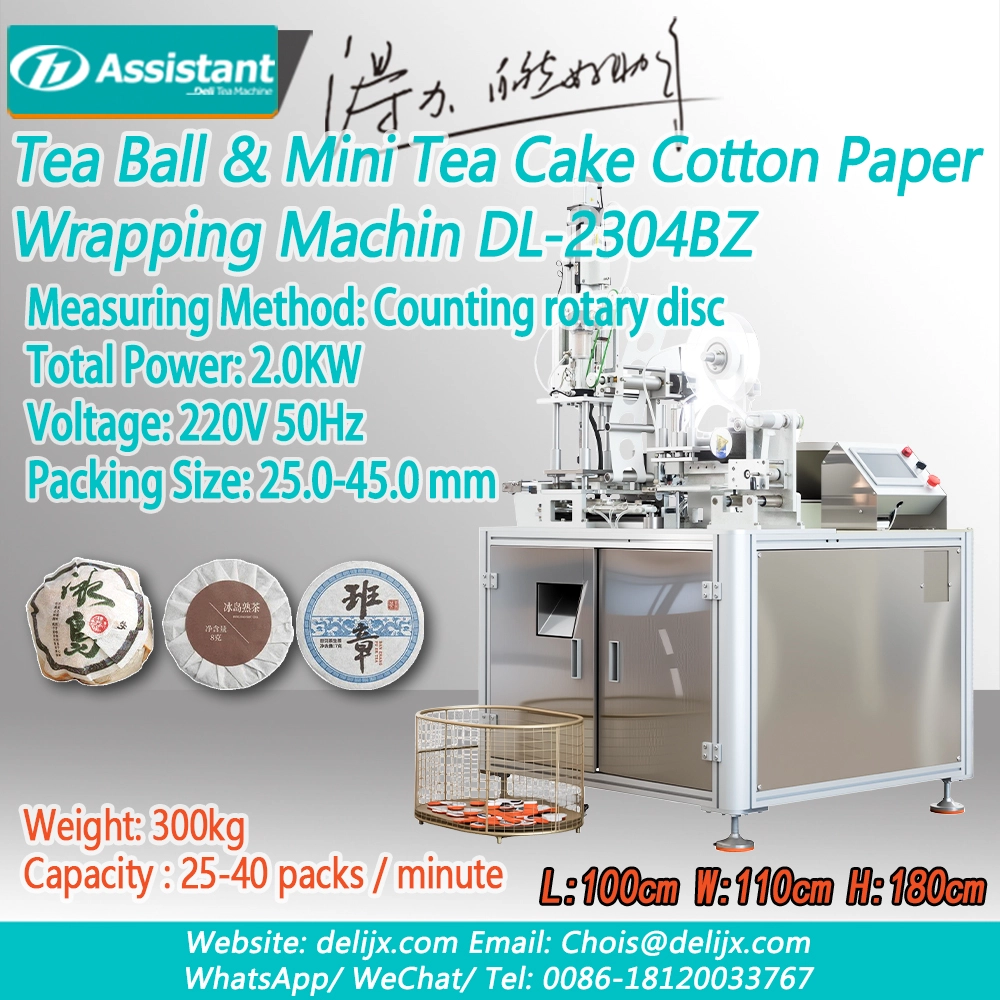
Automatic cotton paper wrapping machine for Pu‑er dragon pearl tea and mini tea cake. PLC control, 25‑40 pcs/min speed, one‑key switch for tea ball & small cake, stable pneumatic‑servo operation for compressed tea packaging.
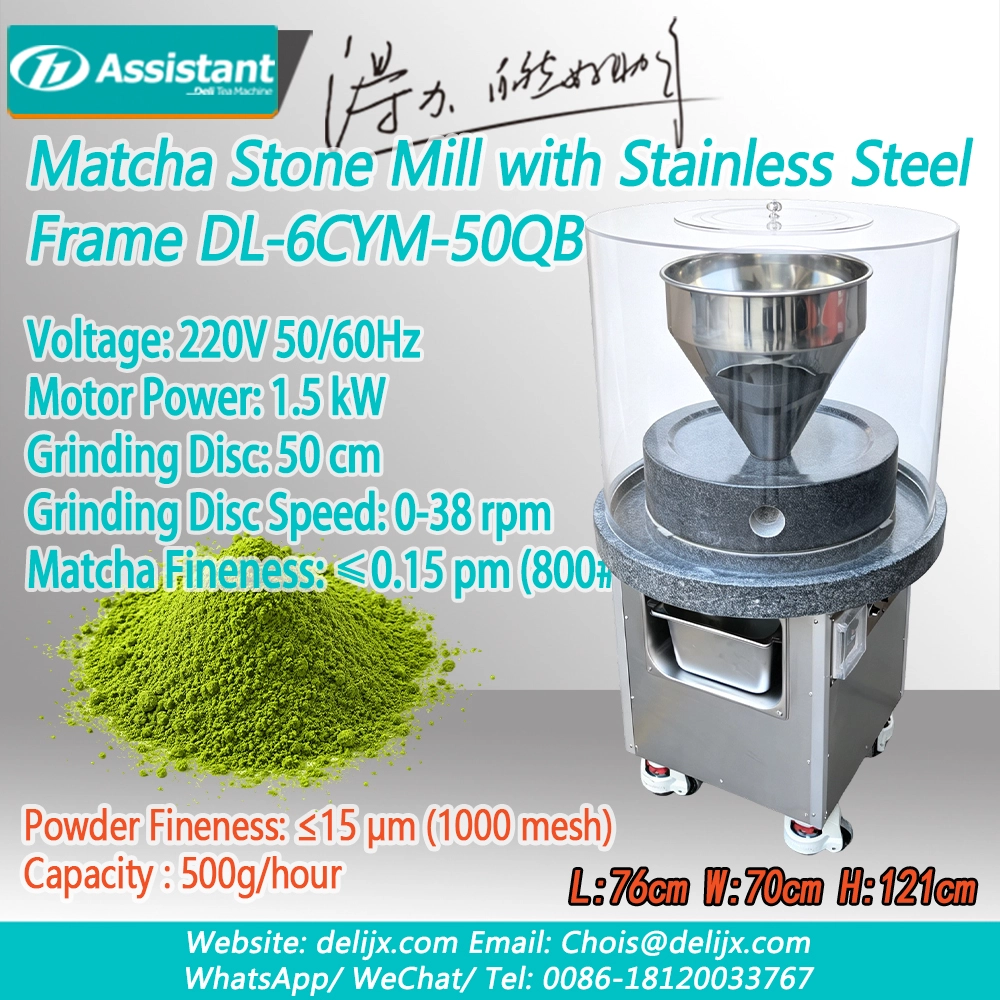
6CMJY-50QB stainless steel custom base matcha green stone mill, natural granite stone plate, low-speed cold grinding. Preserve tea aroma, produce ultra-fine matcha powder. Stainless steel frame with casters, suitable for tea shops, labs and small-batch matcha production.
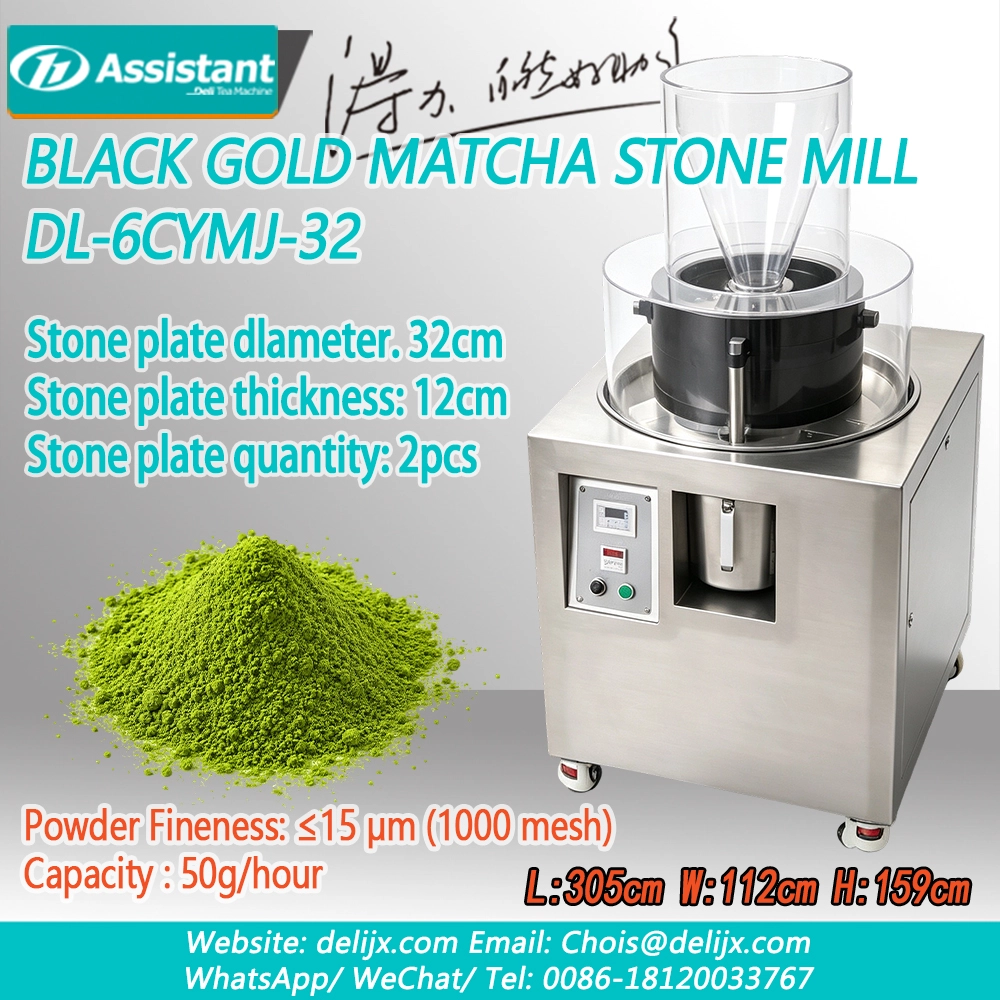
Custom heightened small matcha stone mill DL-6CYMJ-32M, equipped with 30cm natural stone plates. Low-speed low-temperature grinding, produce ultra-fine matcha powder ≤15μm. 50g/h capacity, stainless steel body, ideal for boutique tea shops & small-batch matcha production.
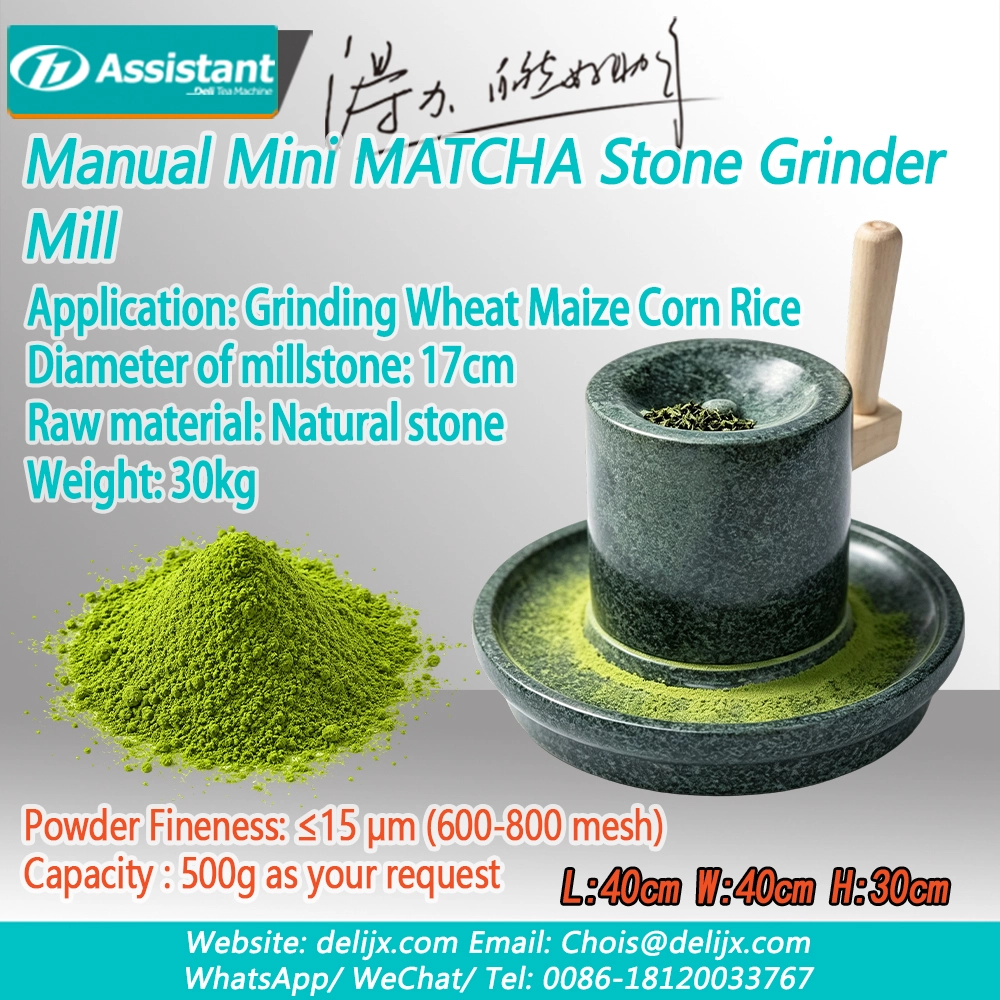
Manual Matcha Stone Mill is a traditional hand-operated grinder made from natural stone, designed for producing fresh and authentic matcha powder. With a slow grinding process and low heat generation, it helps preserve the natural color, aroma, and flavor of tea leaves. Compact and durable, it is ideal for matcha cafes, tea houses, restaurants, cultural experience shops, and small-batch matcha production.
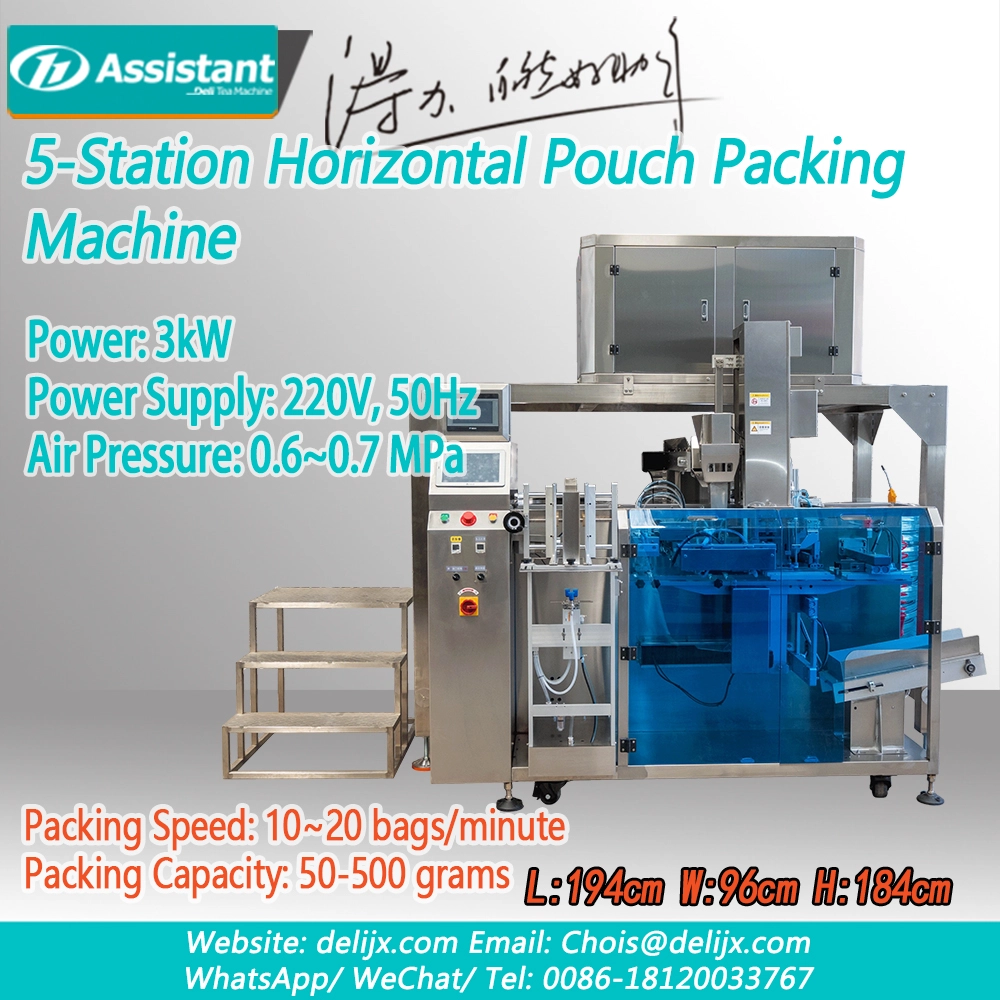
This 5-station horizontal pouch packing machine handles M bags, flat pouches and zipper pouches for 50–500g granular materials like tea. It automatically finishes weighing, filling, vacuuming and sealing with servo control, supporting multiple optional accessories.
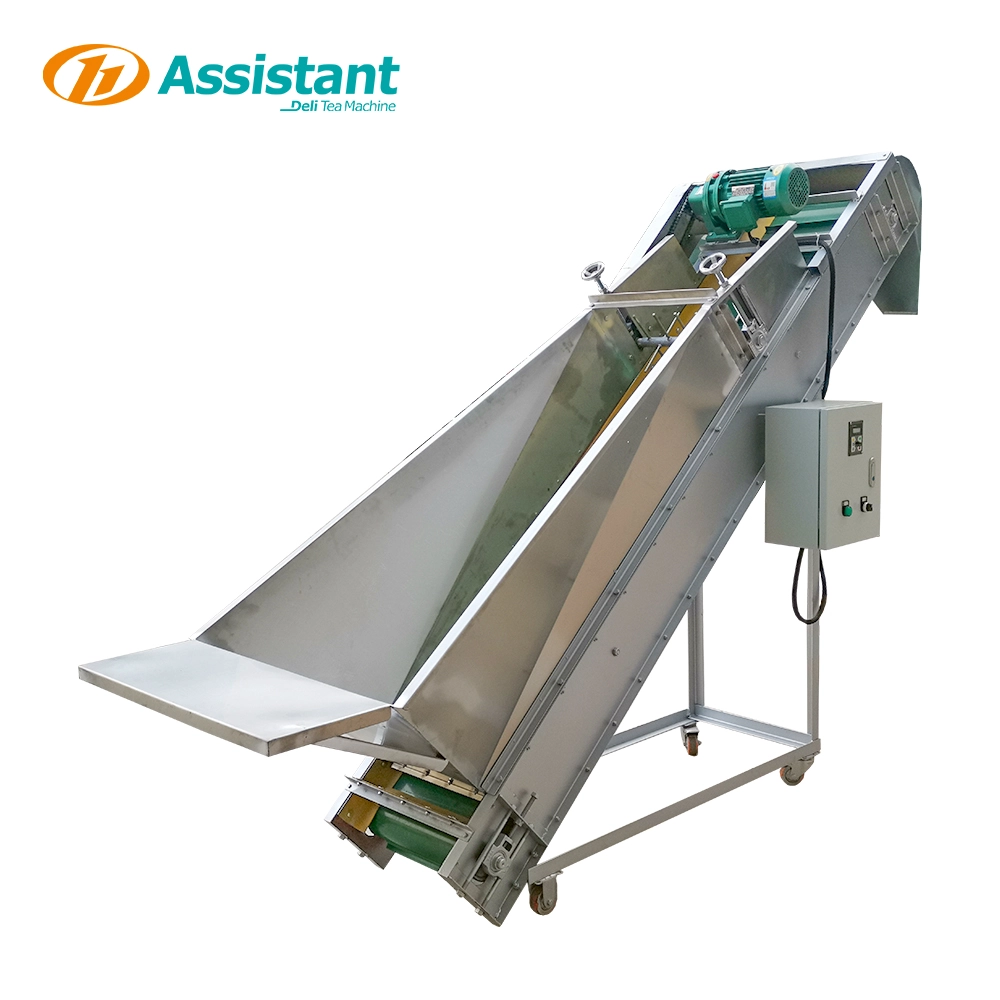
Our stainless steel tea leaf feed conveyor is an inclined climbing belt elevator specially matched with tea de-enzyming fixation machines. It features adjustable speed, anti-slip baffle belt, stable feeding, protects tender tea leaves, and greatly boosts automation efficiency for tea factories.
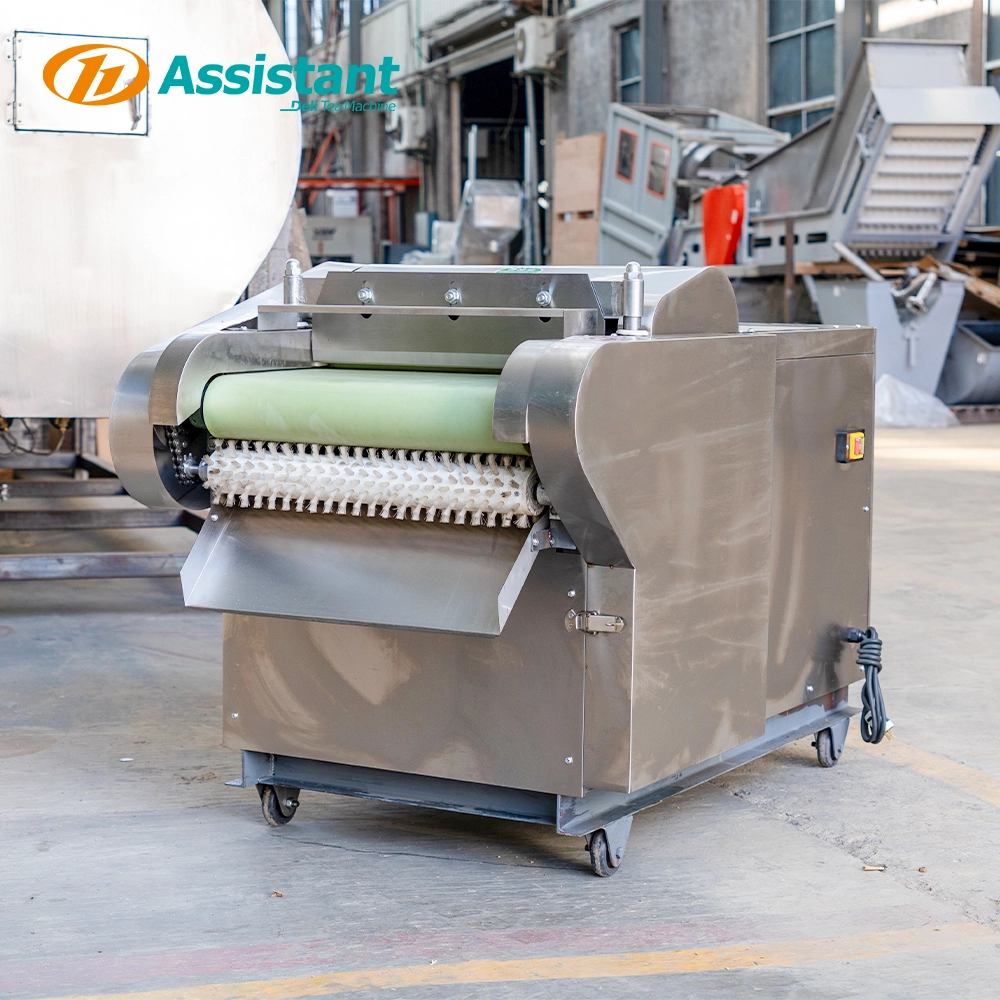
DL-6GCQ-50 fresh leaf cutting machine with 250kg/h capacity. Stainless steel commercial cutter for tea leaves, spinach, basil, mint and leafy greens. Learn its specifications, suitable materials, operation guide and daily maintenance tips.
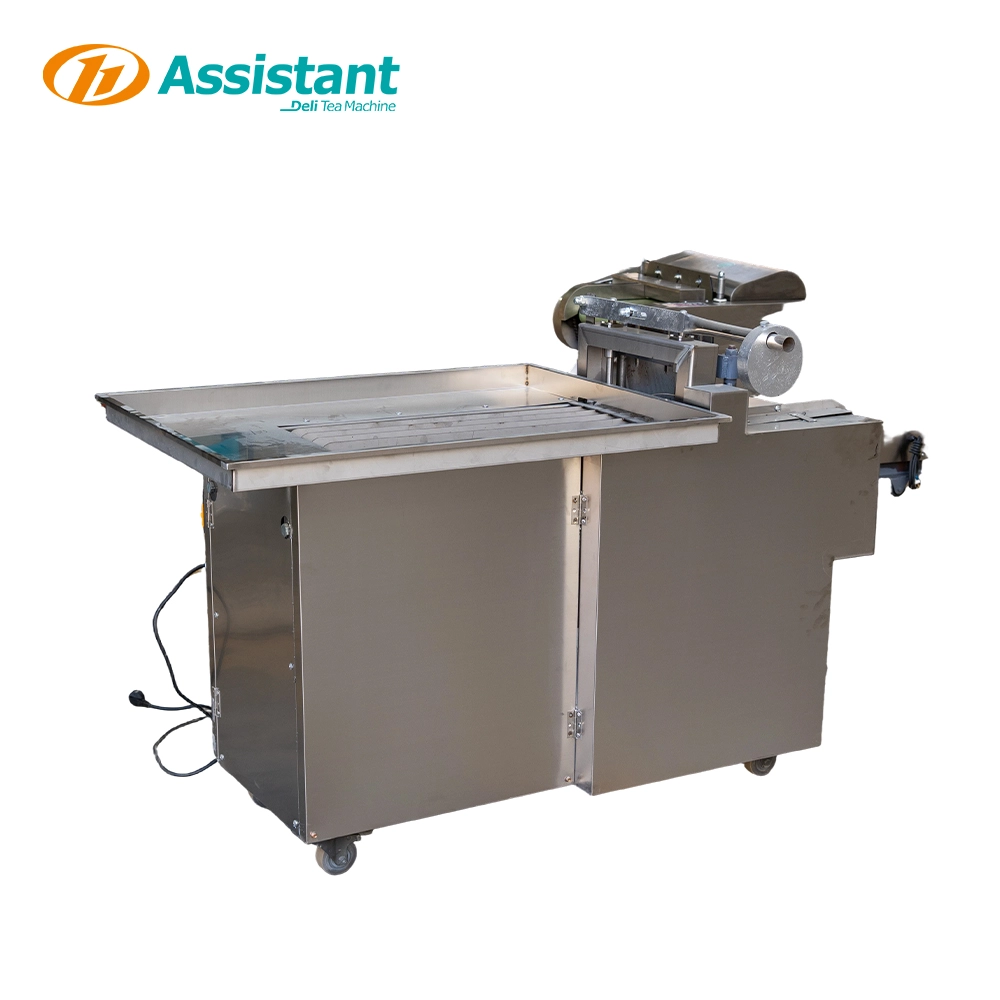
Our fresh leaf cutting machine has two models DL-6GCQ-30 (150kg/h) and DL-6GCQ-50 (250kg/h). Stainless steel structure, 220/380V optional, used for cutting fresh tea leaves, herbs and foliage into uniform small segments. Factory direct supply, stable performance for tea & herbal processing lines.
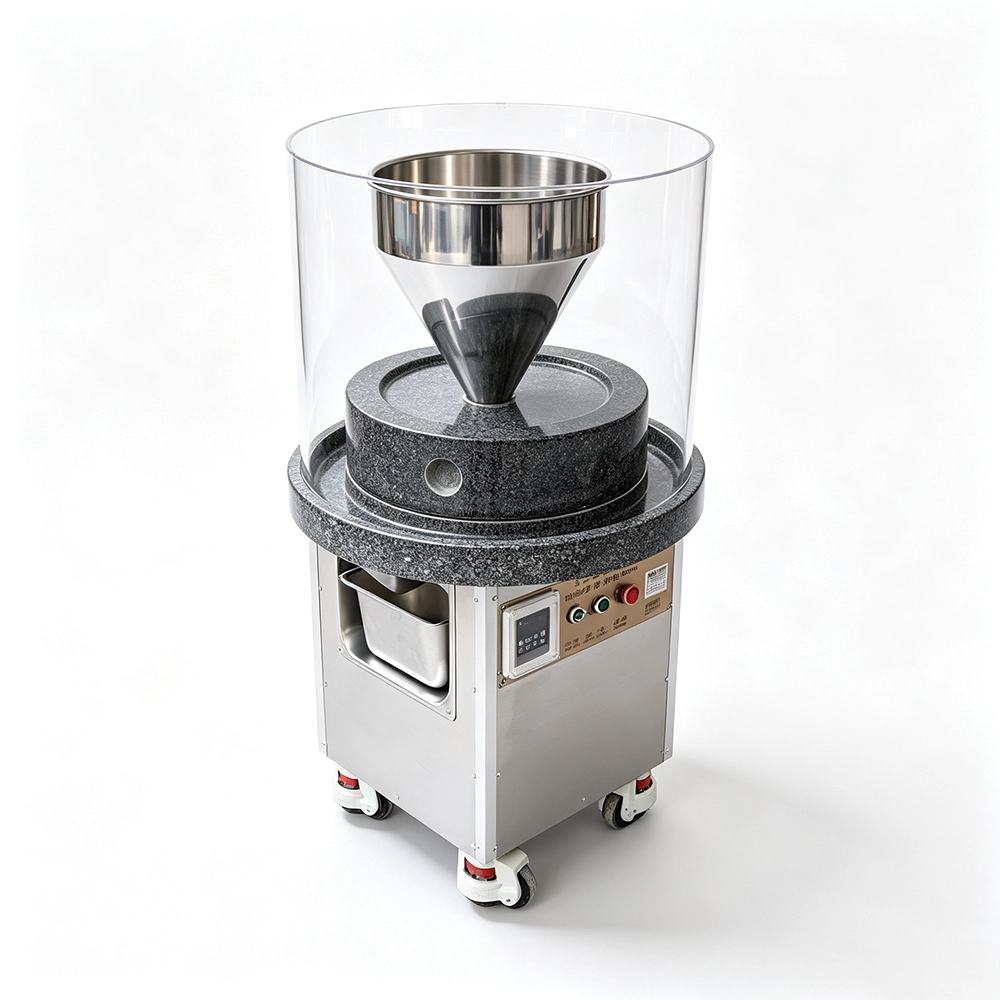
Looking for the right matcha grinding equipment? Read our in-depth comparison of 4 matcha grinders, including Black Gold Stone Mills, Blue Stone Mills, Batch Ball Mills, and Continuous Ball Mills. Learn their efficiency, particle size distribution, and ideal applications.
Are you still limiting your tea dehydrator to just processing tea? This versatile kitchen tool, designed with precision temperature control (typically 50-120°C), humidity regulation, and ventilation, is a game-changer for drying, aroma enhancement, and flavor optimization—all while preserving nutrients and avoiding heat-induced damage.
The key to unlocking its full potential lies in choosing ingredients with moderate heat resistance, flavor enhancement after drying, and no risk of softening or spoilage. Below is a comprehensive guide to using your tea dehydrator for tea, fruits, and vegetables, plus a top recommendation to elevate your homemade dried treats!
At its heart, a tea dehydrator uses low-temperature, controlled drying with proper ventilation to remove moisture without destroying nutrients (e.g., vitamin C) or altering natural flavors. Unlike high-heat ovens, it ensures gentle processing—ideal for ingredients that need slow drying to retain taste, texture, and nutritional value.
Choose fruits with moderate moisture, firm flesh, and rich sweetness or aroma. Dehydration concentrates flavors, creating healthy snacks or 配料 for teas/recipes.
| Category | Specific Fruits | Drying Purpose & Effects | Recommended Temp/Time |
|---|---|---|---|
| Berries/Small | Grapes, Blueberries, Strawberries, Cherries | Grapes → raisins (retains sweetness); Blueberries/strawberries → chewy snacks; Cherries (pitted) → aroma-rich tea pairing | 50-60°C / 6-12 hours |
| Stone/Pome Fruits | Apples, Pears, Peaches, Apricots | Apples/pears (sliced) → crispy treats (sprinkle cinnamon for extra flavor); Peaches/apricots (peeled/pitted) → fruity tea additions | 60-70°C / 8-10 hours |
| Tropical Fruits | Mangoes, Pineapples, Papayas | Mangoes → fragrant dried fruit; Pineapples (cored/sliced) → tangy-sweet 乌龙茶 pairing | 65-75°C / 10-14 hours |
| Citrus Peels | Orange Peel, Lemon Peel, Grapefruit Peel | Remove bitter white pith first; dried peels enhance freshness in green/white tea (not for fruit flesh) | 50-60°C / 4-6 hours |
⚠️ Note: Avoid high-moisture fruits (watermelon, lychees, longans)—they take too long to dry, turn mushy, or mold easily.
Tea dehydrators are designed to refine tea flavor, remove impurities, and stabilize quality. Temperature varies by tea type—never overheat to prevent scorching.
| Tea Type | Specific Teas | Drying Purpose & Effects | Recommended Temp/Time |
|---|---|---|---|
| Semi/Fully Fermented | Oolong (Tieguanyin, Wuyi Rock Tea), Black Tea (Keemun, Lapsang Souchong), Ripe Pu-erh | Oolong: Medium-high heat (80-100°C) eliminates grassiness, develops "rock rhyme" or "orchid aroma"; Black tea: Low heat (60-70°C) reduces acidity, boosts honey notes; Ripe Pu-erh: Controls musty storage odors, stabilizes aged aroma | 60-100°C / 2-8 hours (adjust by quantity) |
| Unfermented/Lightly Fermented | Green Tea (Longjing, Biluochun), White Tea (White Peony, Shoumei), Yellow Tea | Low heat (50-60°C) removes surface moisture, preserves freshness and chlorophyll (green tea turns yellow if over-dried) | 50-60°C / 1-3 hours |
| Flavored Tea | Lemon Black Tea, Osmanthus Oolong, Dried Tangerine Pu-erh | Dry base tea first, then mix with dried ingredients (lemon peel, osmanthus) for 1-2 hours to blend aromas | 55-65°C / 1-2 hours |
⚠️ Note: Compressed teas (tea cakes, bricks) must be broken into small pieces for even heating; new teas need shorter drying times, while aged teas can dry longer to remove impurities.
Opt for low-moisture, high-fiber vegetables that hold shape during drying. Dehydrated veggies make healthy snacks or soup additions.
| Category | Specific Vegetables | Drying Purpose & Effects | Recommended Temp/Time |
|---|---|---|---|
| Root Vegetables | Carrots, Sweet Potatoes, Purple Sweet Potatoes, Chinese Yam | Sliced/stripped → crispy snacks (sweet potatoes need no extra sugar); Chinese yam retains mucin, perfect for congee | 70-80°C / 6-8 hours |
| Leafy/Flower Vegetables | Kale, Broccoli, Cabbage | Kale (torn into pieces, light oil to prevent burning) → chips; Broccoli (blanched to reduce bitterness) → salad toppings | 65-75°C / 4-6 hours |
| Mushrooms | Shiitake, Oyster Mushrooms, King Oyster Mushrooms | Sliced → high-temperature gentle drying (80-90°C) intensifies umami, ideal for snacks or soups | 80-90°C / 3-5 hours |
| Others | Cherry Tomatoes, Onions | Cherry tomatoes (halved) → concentrated sweet-tart dried tomatoes; Onions (sliced thin) → crispy seasonings | 60-70°C / 5-7 hours |
⚠️ Note: High-moisture vegetables (zucchini, eggplant) need blanching and draining first; leafy greens must be fully dried to avoid mold.
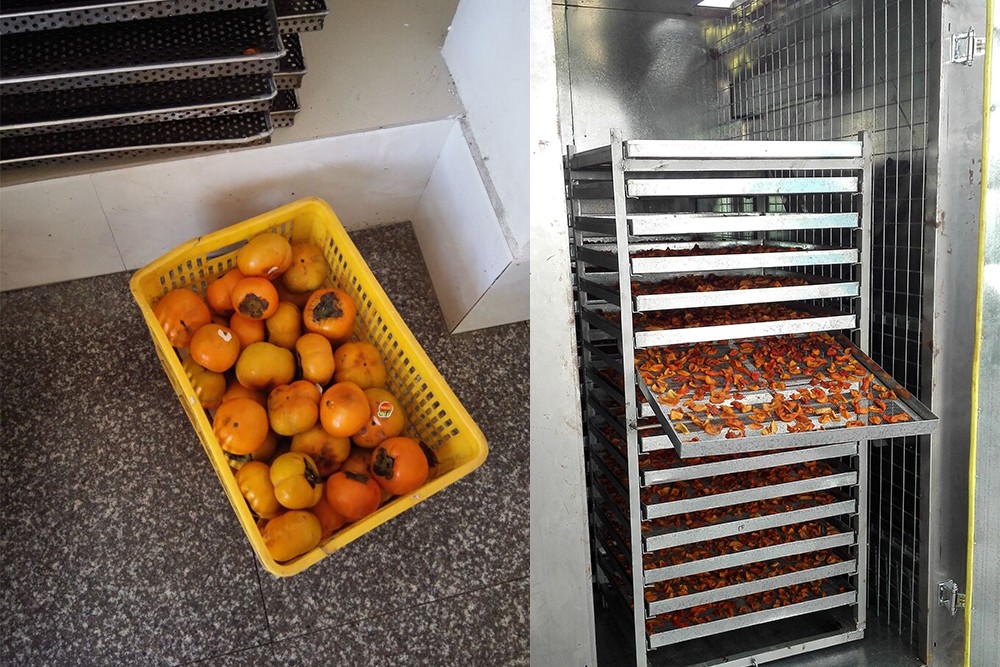
Ready to explore the multifunctional magic of a tea dehydrator? We highly recommend the EcoDry Pro Tea & Fruit Vegetable Dehydrator—designed to meet all your drying needs with precision and ease!
Whether you’re a tea enthusiast looking to refine your brew, a health-conscious cook making homemade dried snacks, or a gardener preserving harvests—EcoDry Pro has you covered!