





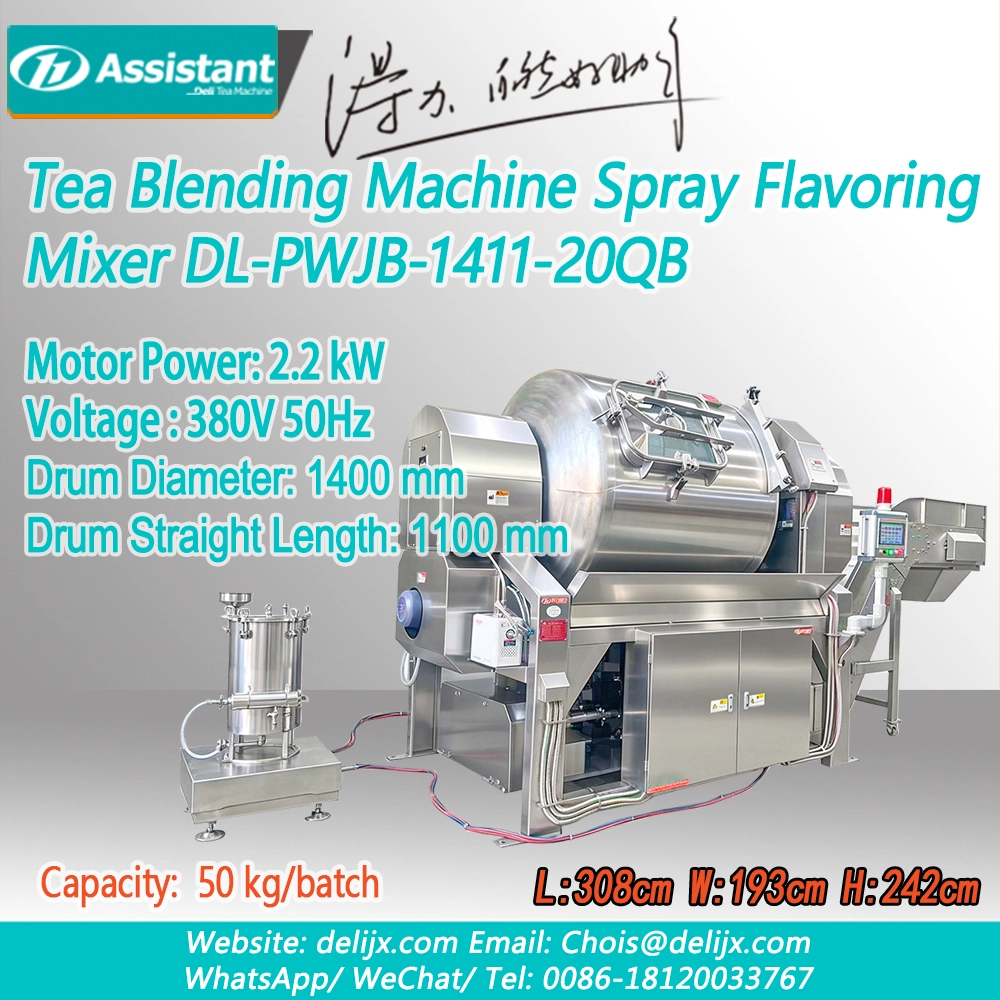
This DELI ASSISTANT spray mixer is a dual-function tea blending & aroma spraying machine, used for homogenizing tea piles and atomized flavor adding in tea factory production, with 1400mm drum, 2.2kW motor and 380V power supply.
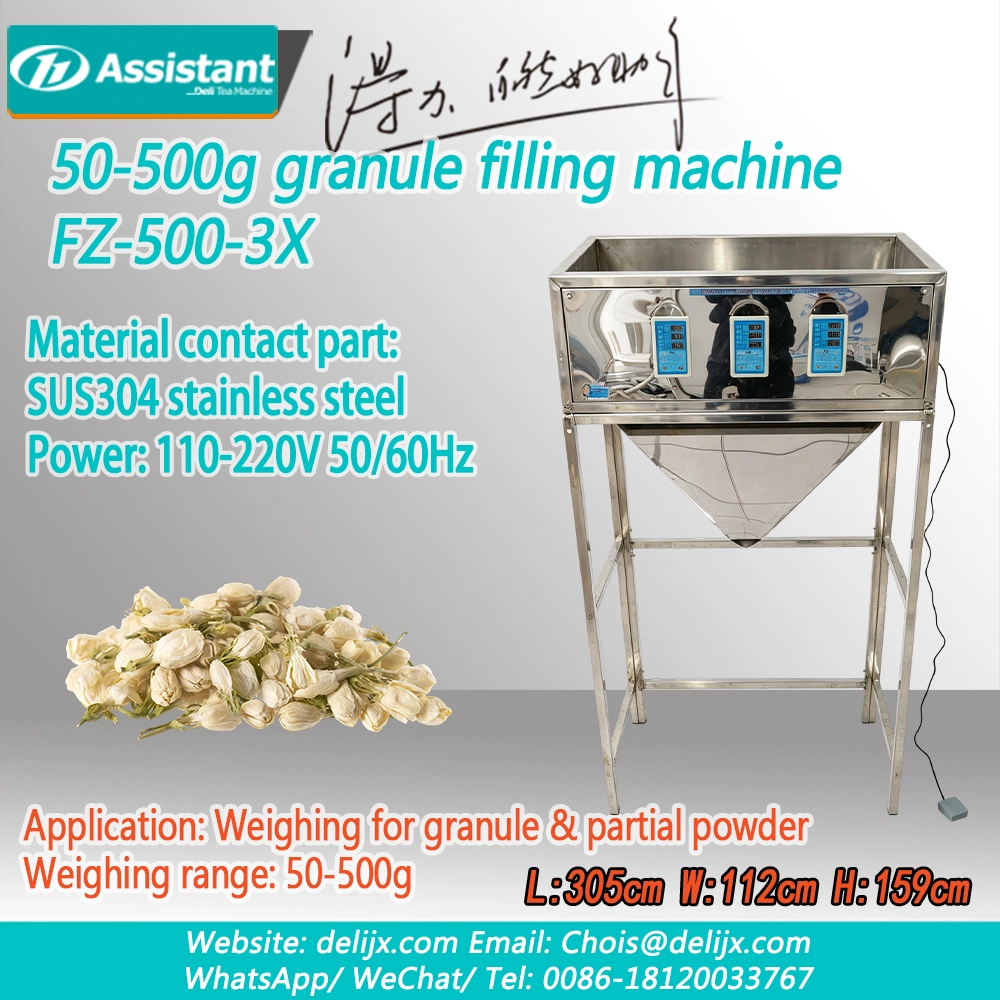
FZ‑500‑3X Automatic Quantitative Filling Machine 50‑500g Granule Powder Weighing Dispenser For Tea Grain Coffee Bean
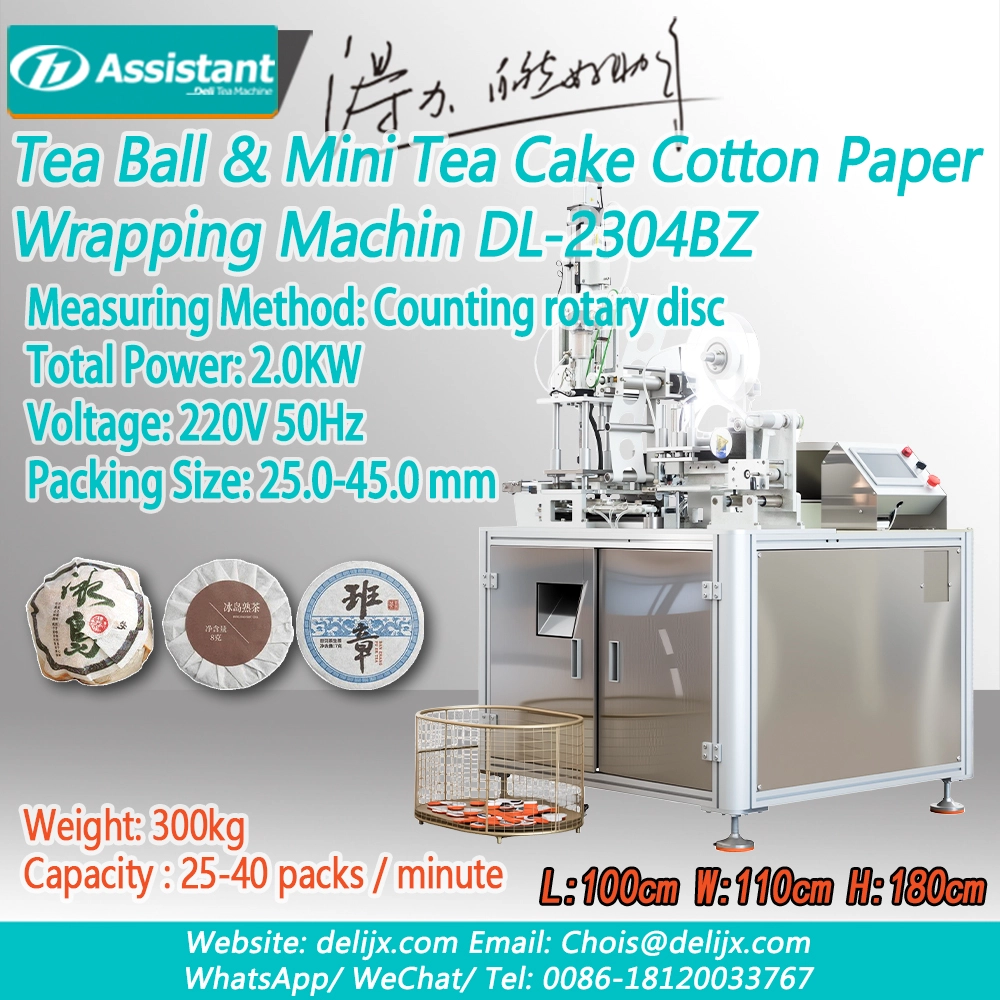
Automatic cotton paper wrapping machine for Pu‑er dragon pearl tea and mini tea cake. PLC control, 25‑40 pcs/min speed, one‑key switch for tea ball & small cake, stable pneumatic‑servo operation for compressed tea packaging.
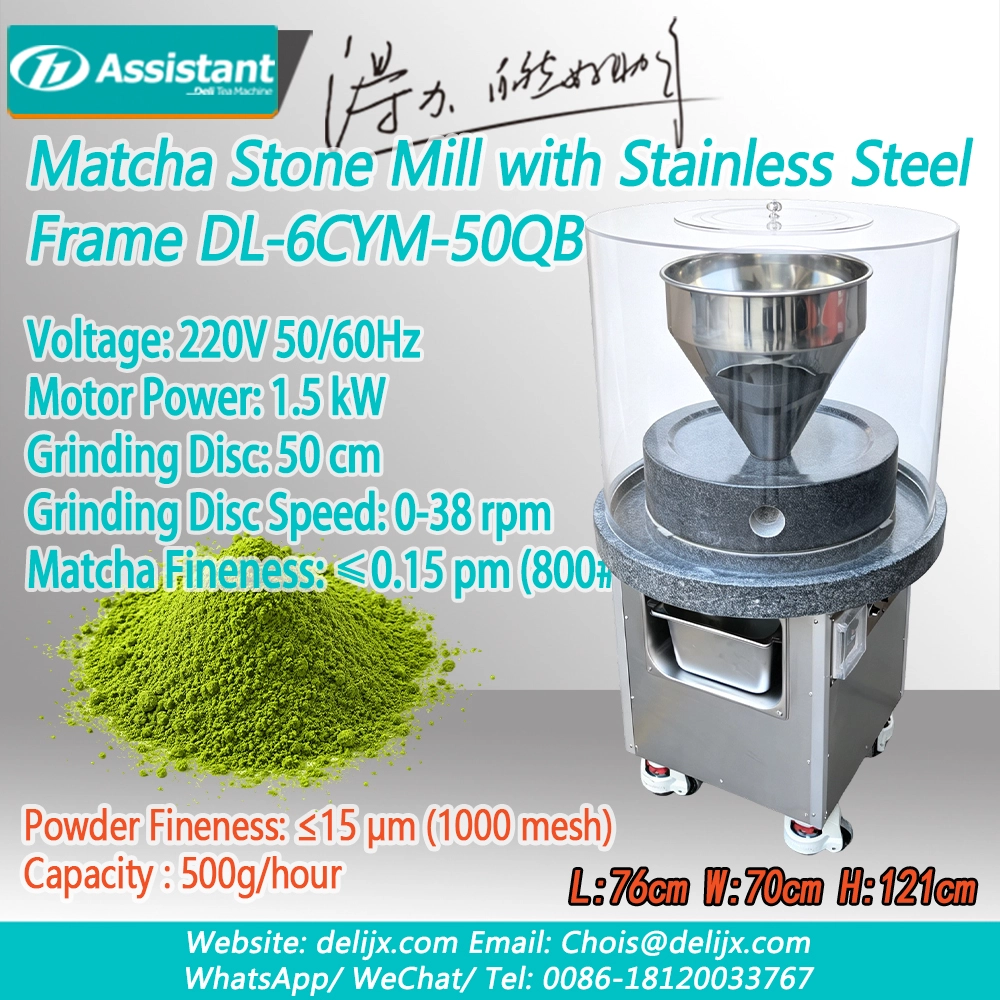
6CMJY-50QB stainless steel custom base matcha green stone mill, natural granite stone plate, low-speed cold grinding. Preserve tea aroma, produce ultra-fine matcha powder. Stainless steel frame with casters, suitable for tea shops, labs and small-batch matcha production.
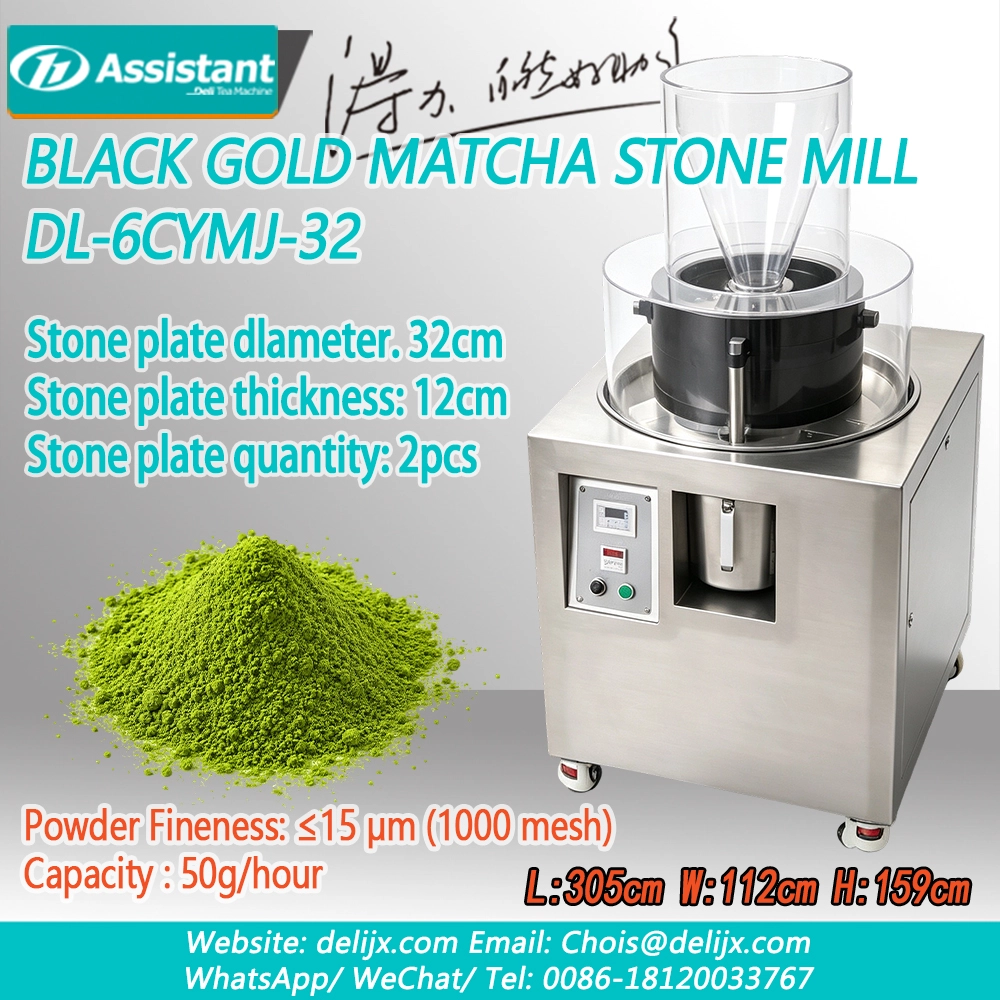
Custom heightened small matcha stone mill DL-6CYMJ-32M, equipped with 30cm natural stone plates. Low-speed low-temperature grinding, produce ultra-fine matcha powder ≤15μm. 50g/h capacity, stainless steel body, ideal for boutique tea shops & small-batch matcha production.
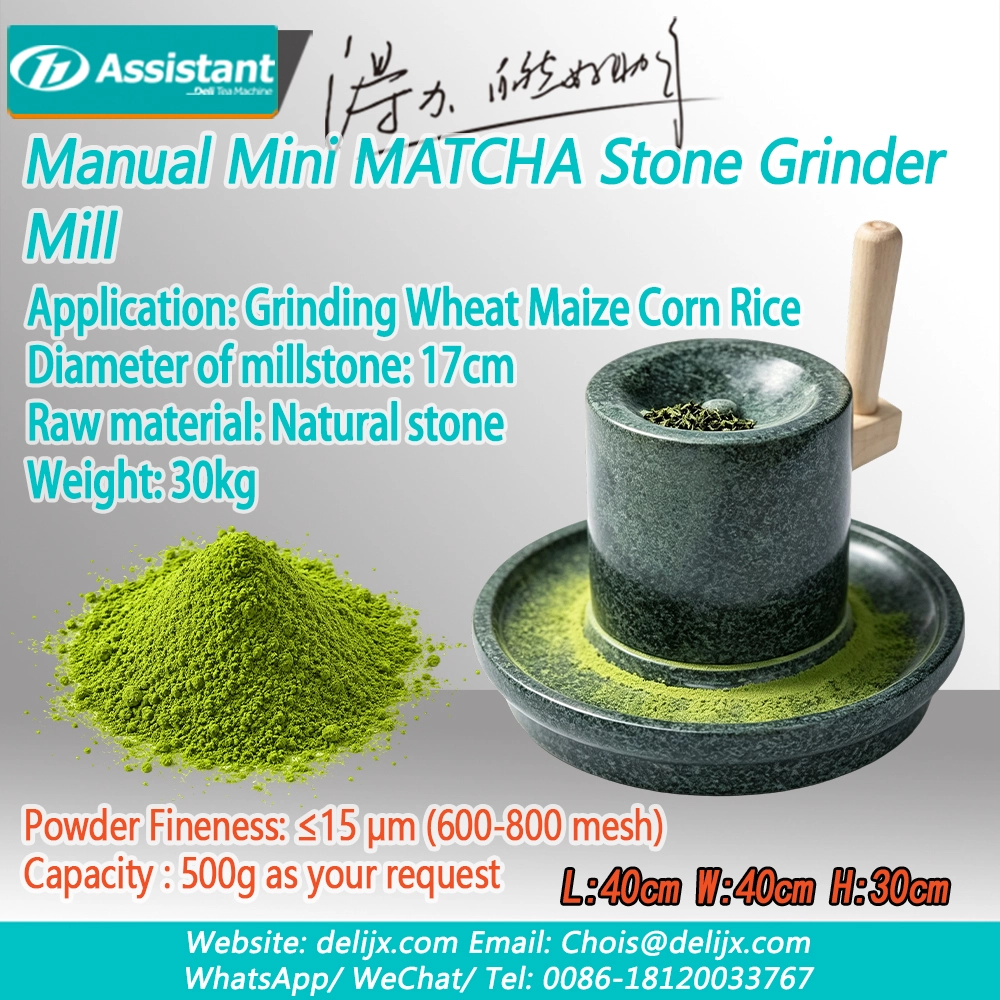
Manual Matcha Stone Mill is a traditional hand-operated grinder made from natural stone, designed for producing fresh and authentic matcha powder. With a slow grinding process and low heat generation, it helps preserve the natural color, aroma, and flavor of tea leaves. Compact and durable, it is ideal for matcha cafes, tea houses, restaurants, cultural experience shops, and small-batch matcha production.
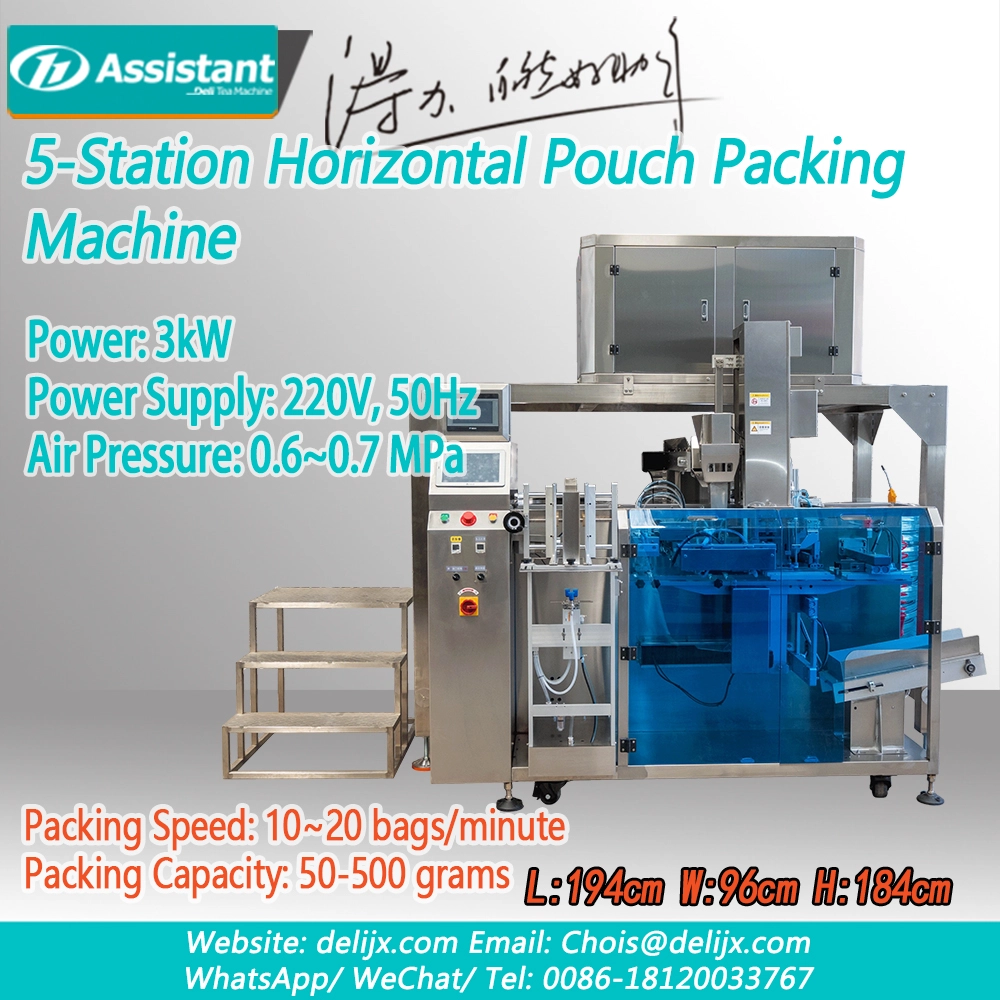
This 5-station horizontal pouch packing machine handles M bags, flat pouches and zipper pouches for 50–500g granular materials like tea. It automatically finishes weighing, filling, vacuuming and sealing with servo control, supporting multiple optional accessories.
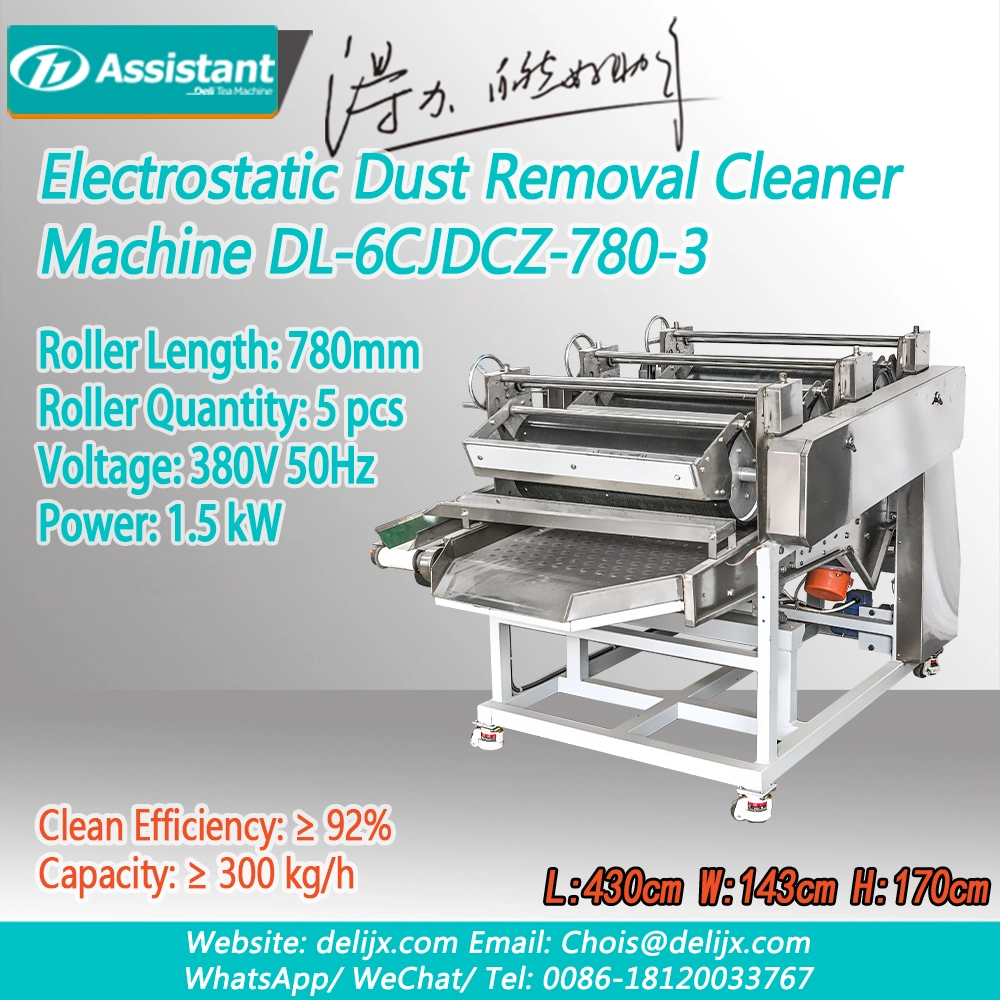
The electrostatic cleaner adsorption generated by 4-10 electrostatic rollers extracts impurities in the tea, such as hair, broom bristles, tea fluff ash, thatch, woven bag silk, plastic scraps, iron filings, etc.
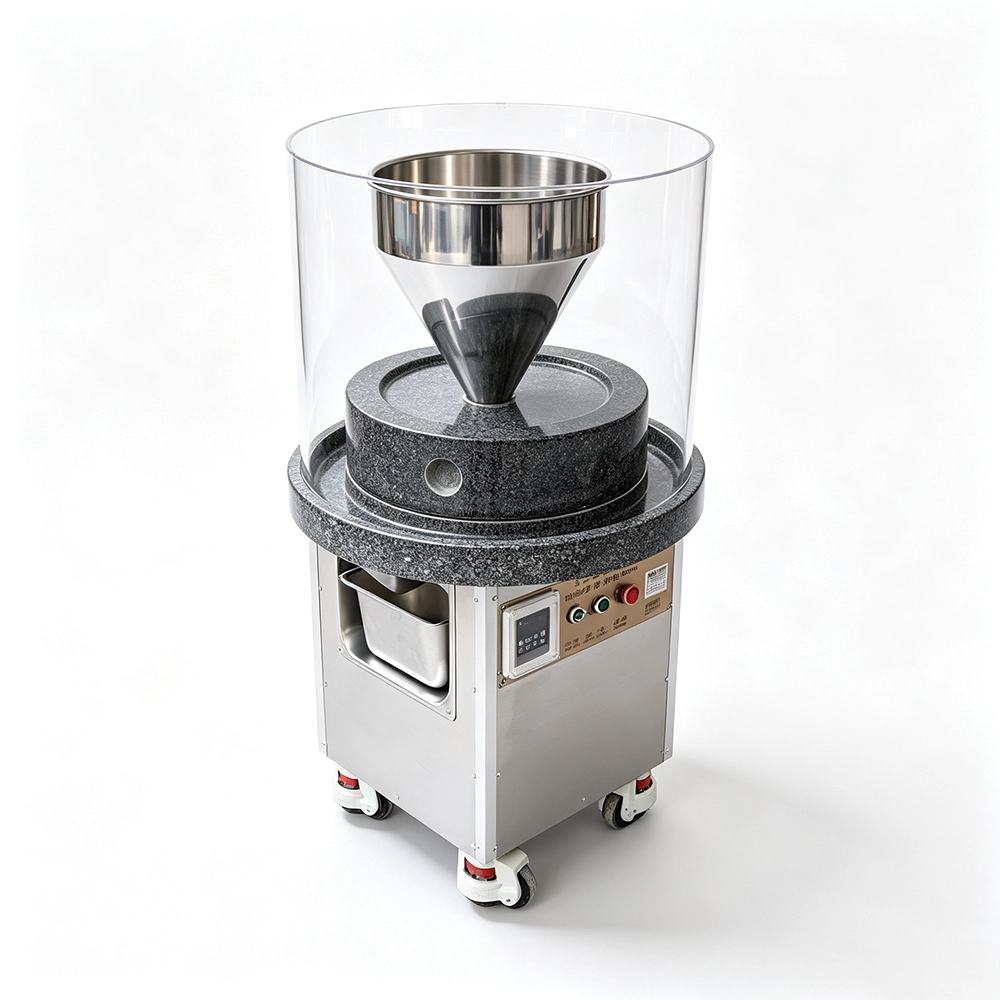
Looking for the right matcha grinding equipment? Read our in-depth comparison of 4 matcha grinders, including Black Gold Stone Mills, Blue Stone Mills, Batch Ball Mills, and Continuous Ball Mills. Learn their efficiency, particle size distribution, and ideal applications.
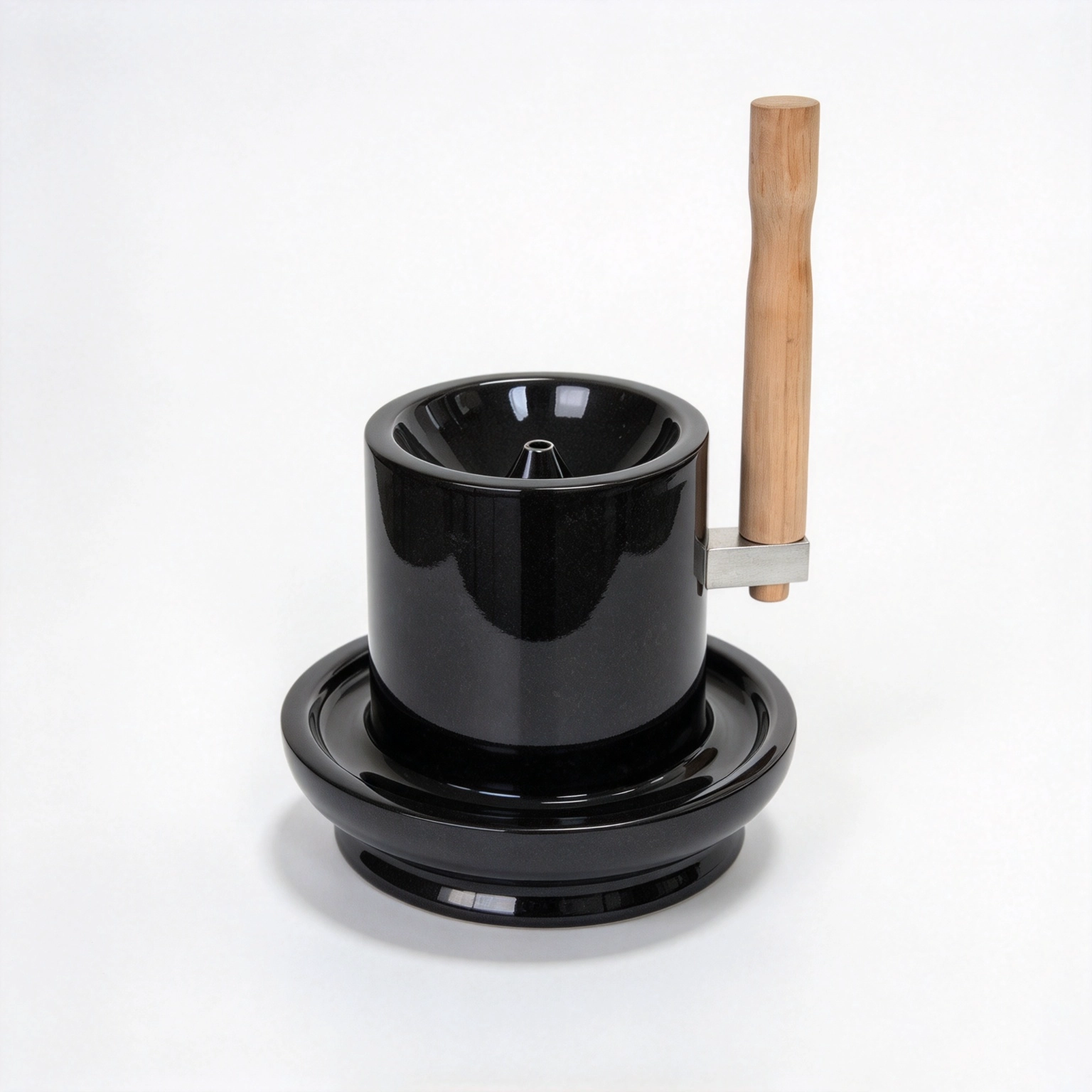
Experience the true flavor of freshly ground matcha. Our mini black stone manual matcha mill brings traditional Japanese stone grinding craft to your home, hand-cranked for fine, aromatic matcha powder.
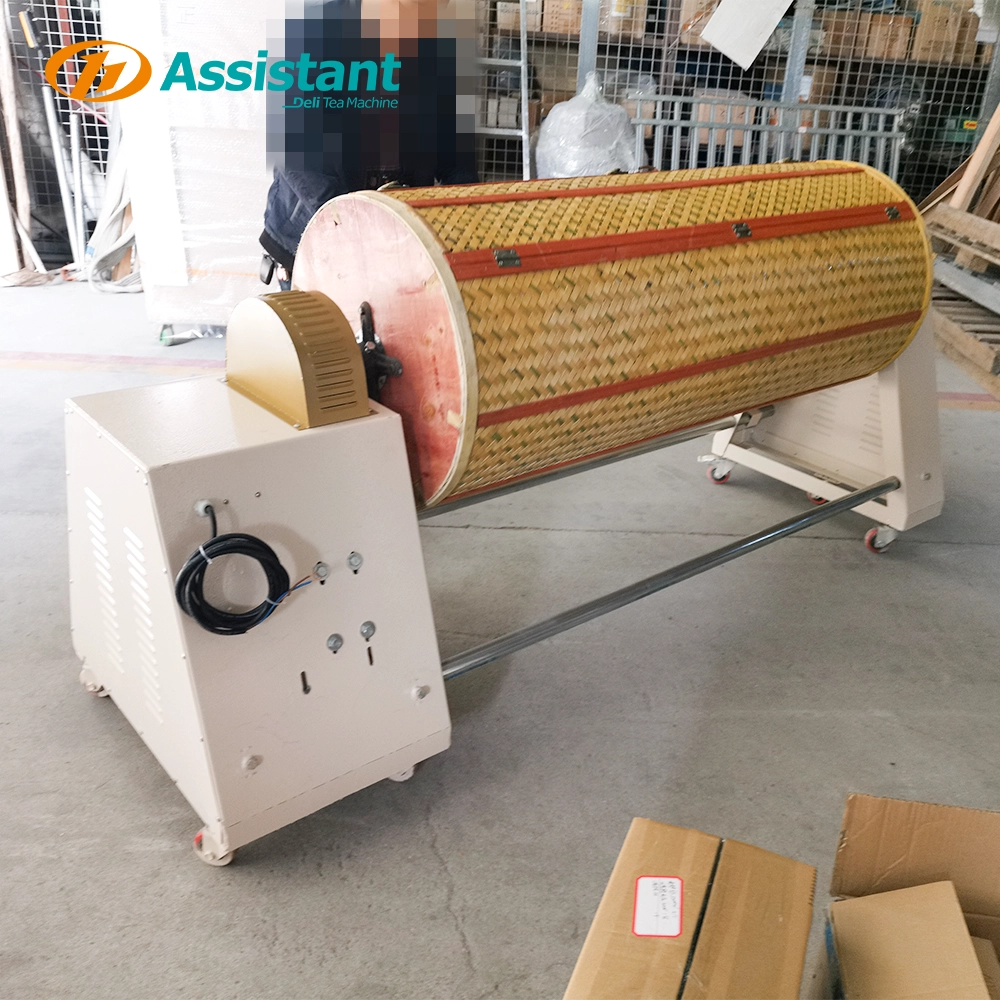
Our bamboo drum oolong tea shaking machine, also known as tea leaf shaker, simulates manual tea shaking to achieve uniform leaf oxidation. Multiple models available for small & large tea factories, stable speed control for premium oolong tea production.

Our DL-6CYMJ-32W stone mill grinder is specially designed for processing matcha and tea leaves. It adopts natural stone plates & SUS304 stainless steel frame, capable of producing ultra-fine tea powder up to ≤15μm (800 mesh). With adjustable rotating speed and automatic operation, it is ideal for tea factories and food workshops. We will introduce its specifications, core advantages, operation workflow and daily cleaning tips below.
Tea drying is a crucial step in tea processing, directly affecting the aroma, taste, and shelf life of tea. For different scenarios, three types of tea drying machines—electric, gas, and manual household models—each have unique advantages. Today, we’ll break down their differences, usage methods, and selection tips with professional products.
For commercial scenarios such as tea factories and large tea cooperatives, electric tea drying machines are core equipment. We recommend Quanzhou Deli DL-6CHZ-5QB Rotating Electric Tea Drying Cabinet—a popular choice for commercial drying due to its stable performance and large-capacity design.
Core Specifications: Voltage 220/380V 50Hz, heating power 9kw, 14 stainless steel trays, effective drying area 5.38㎡, batch capacity 15-20kg, tray rotation speed 6rpm, heating wire heating.
Differences: Stable and uniform heating, high temperature controllability, flame-free and safer, suitable for large-scale continuous operation, ensuring consistent quality of dried tea.
Usage: Connect to power, set drying temperature (usually 60-80℃) and time via the control panel. Spread the blanched tea evenly on the trays, start the equipment—trays rotate slowly with hot air circulation for uniform drying. Turn off the power to unload after completion.
If the power supply is unstable or rapid heating is needed, a gas-electric hybrid dryer is ideal. We recommend Quanzhou Deli DL-6CHZ-QD14QB Hybrid Heating Rotating Dryer, combining the rapid heating of gas and precise temperature control of electricity for multi-scenario adaptation.
Core Specifications: Voltage 220/380V 50Hz, electric heating power 24KW, gas + electric dual heating modes, 16 stainless steel trays, effective drying area 14.6㎡, batch capacity 42-56kg, tray rotation speed 6rpm.
Differences: Flexible heating methods—gas mode for fast heating and low energy costs, electric mode for precise temperature control. Suitable for areas with tight power supply or large-batch rapid drying, compatible with auxiliary heating (wood, coal, etc. for some models).
Usage: Select heating mode based on actual conditions—connect gas pipeline or LPG cylinder for gas mode, or directly plug in for electric mode. Set temperature and drying time, spread tea evenly. The equipment achieves drying through hot air circulation and tray rotation; adjust parameters midway according to tea moisture.
For home tea making, small studios, or tea enthusiasts, a compact manual model is perfect. Quanzhou Deli DL-6CHBL-40 Bamboo Electric Manual Baking Drum balances operational flexibility and miniaturization, making it an excellent helper for home tea processing.
Core Specifications: Voltage 160-230V, power 900W, capacity ≤2000g, temperature range 30-150℃, baking drum size 37×37×30cm, bamboo drum body preserves natural tea aroma.
Differences: Compact size (41×41×47cm), weight only 4.6kg, easy to move. Manual temperature and time adjustment, suitable for small-batch drying of tea, herbal tea, etc. Low operation threshold and high cost-performance.
Usage: Plug in the power, turn the temperature knob to set the desired temperature (60-70℃ recommended for home tea making). Put fresh or blanched tea into the bamboo drum, manually rotate the drum for even heating. Open the lid to check moisture at any time, and turn off the power when the ideal state is reached.
The key to choosing a tea drying machine is "scenario adaptation". The stability of electric models, flexibility of gas models, and convenience of manual models correspond to different processing needs. With the recommended models above, you can select accurately based on your scale and usage conditions.