





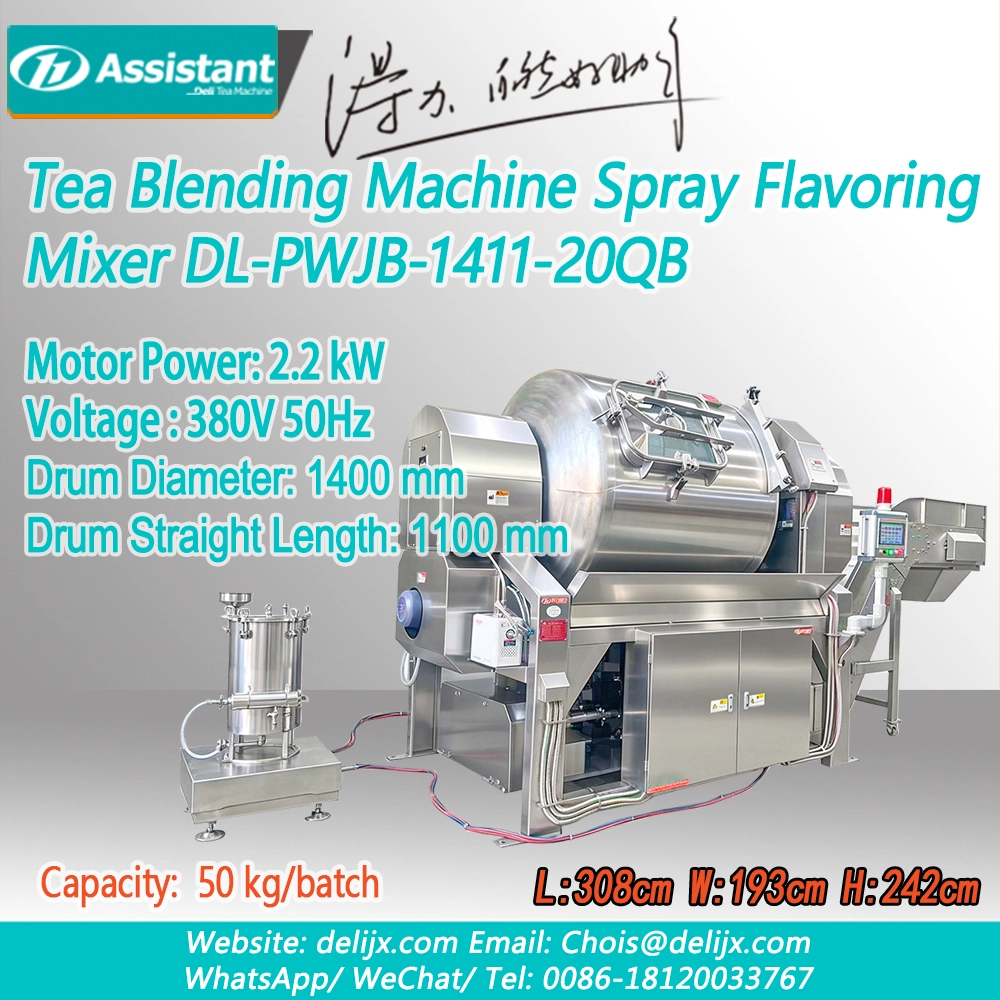
This DELI ASSISTANT spray mixer is a dual-function tea blending & aroma spraying machine, used for homogenizing tea piles and atomized flavor adding in tea factory production, with 1400mm drum, 2.2kW motor and 380V power supply.
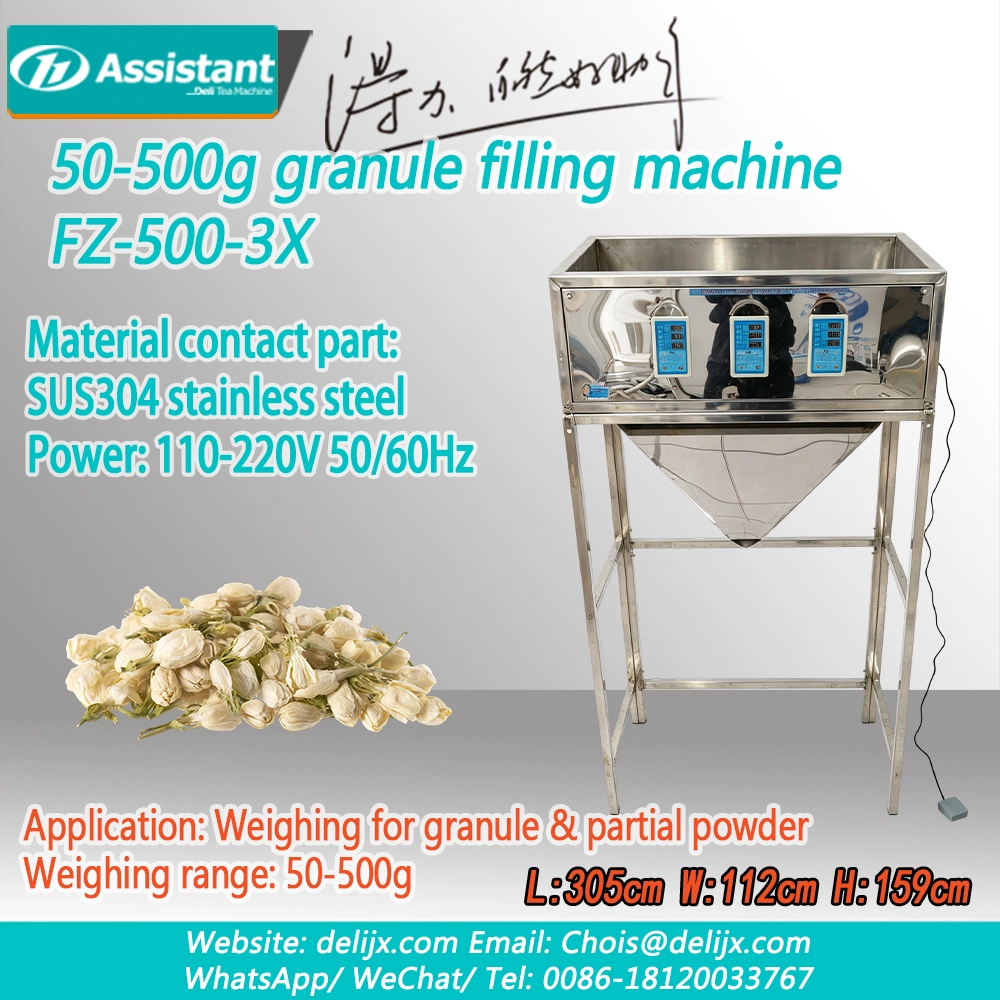
FZ‑500‑3X Automatic Quantitative Filling Machine 50‑500g Granule Powder Weighing Dispenser For Tea Grain Coffee Bean
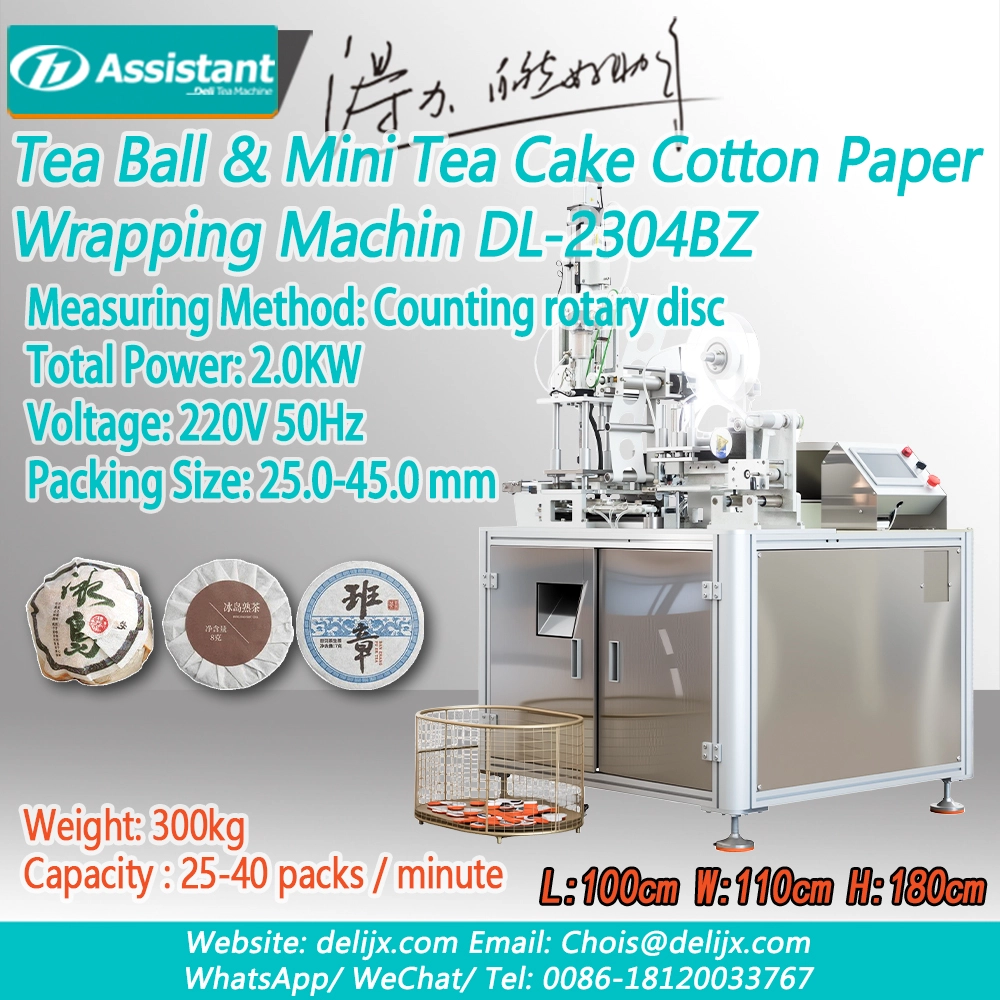
Automatic cotton paper wrapping machine for Pu‑er dragon pearl tea and mini tea cake. PLC control, 25‑40 pcs/min speed, one‑key switch for tea ball & small cake, stable pneumatic‑servo operation for compressed tea packaging.
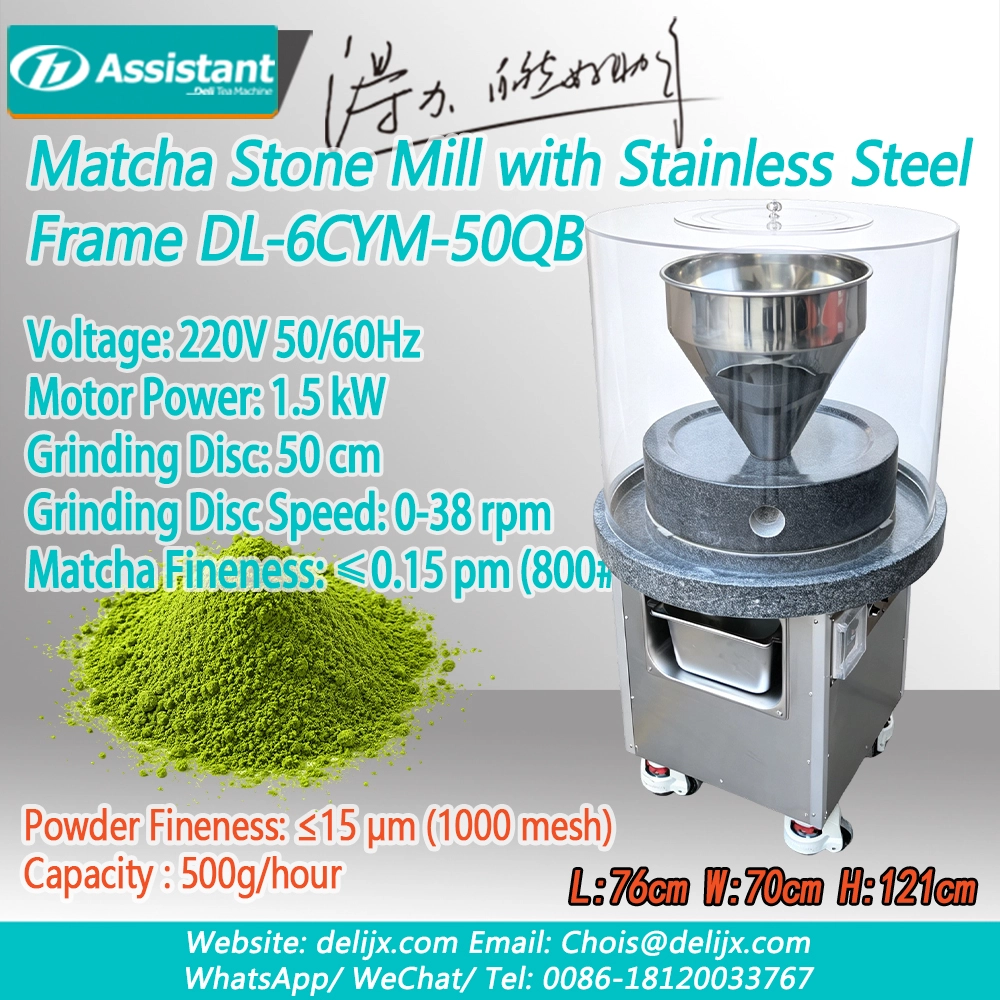
6CMJY-50QB stainless steel custom base matcha green stone mill, natural granite stone plate, low-speed cold grinding. Preserve tea aroma, produce ultra-fine matcha powder. Stainless steel frame with casters, suitable for tea shops, labs and small-batch matcha production.
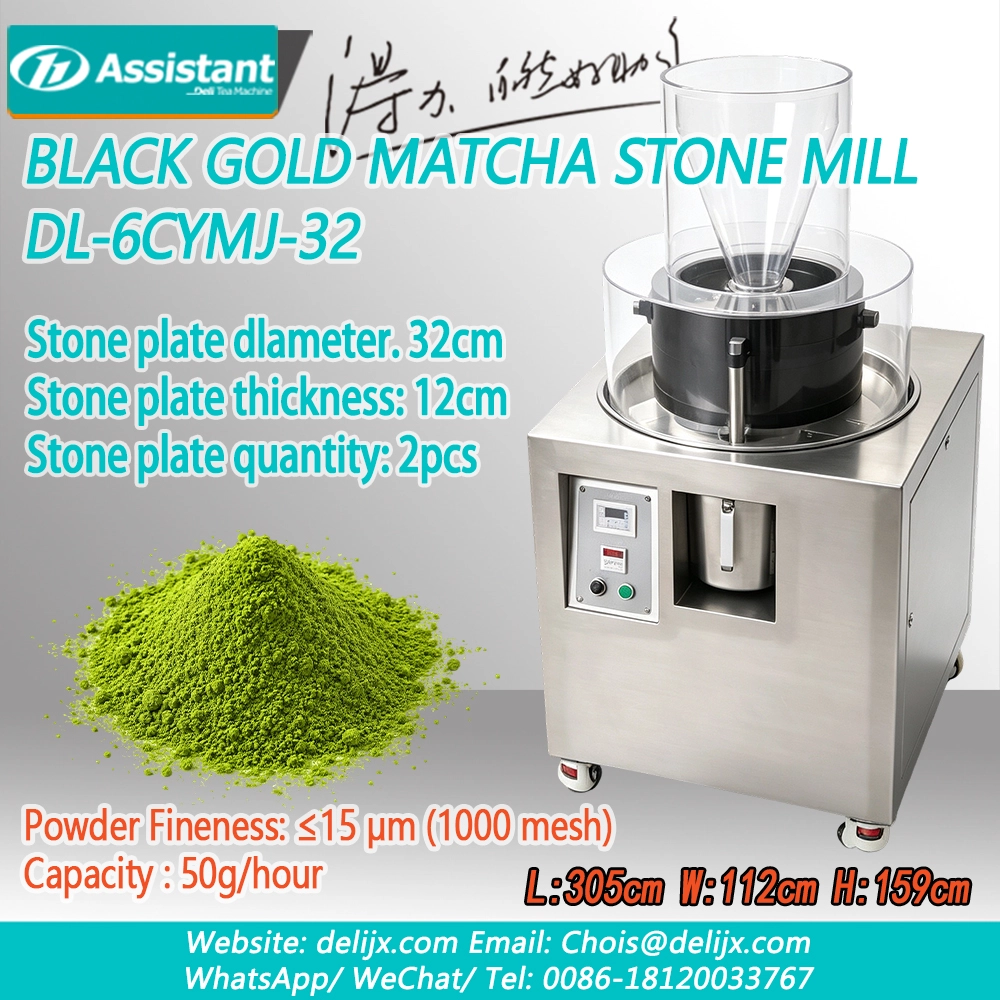
Custom heightened small matcha stone mill DL-6CYMJ-32M, equipped with 30cm natural stone plates. Low-speed low-temperature grinding, produce ultra-fine matcha powder ≤15μm. 50g/h capacity, stainless steel body, ideal for boutique tea shops & small-batch matcha production.
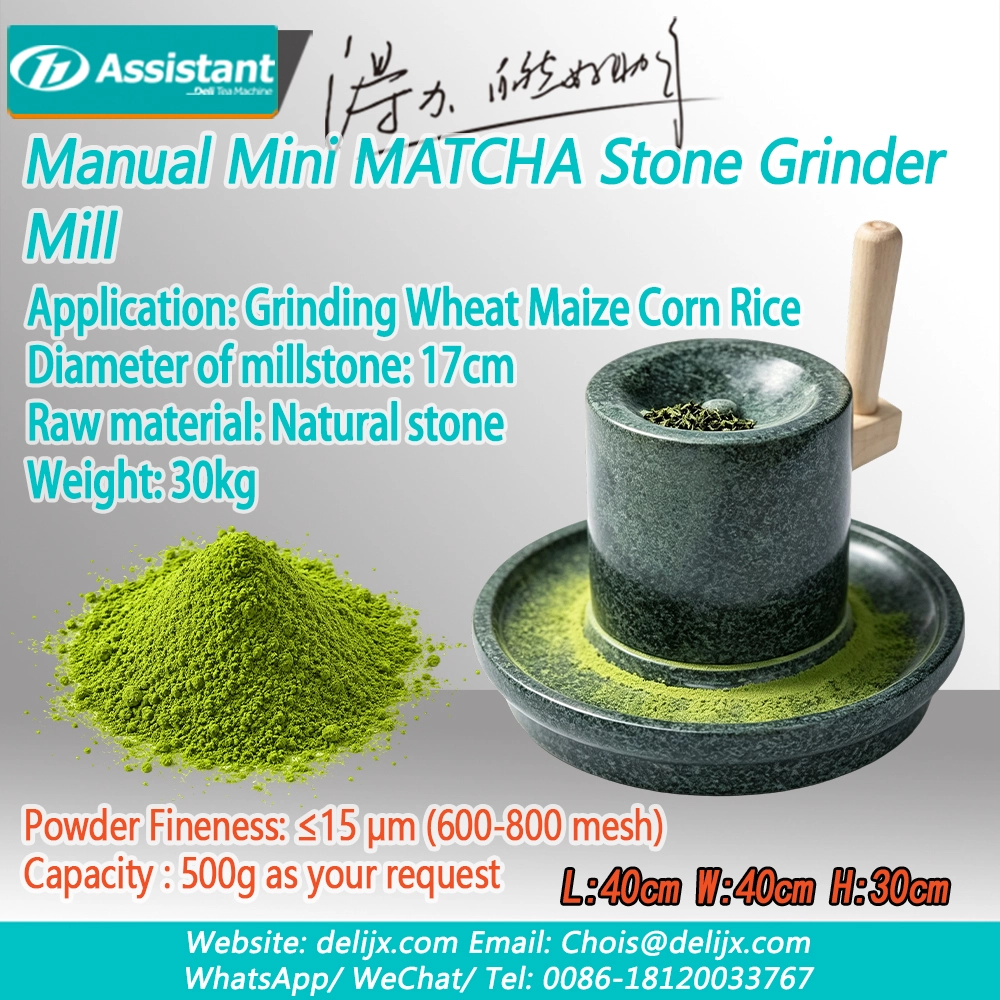
Manual Matcha Stone Mill is a traditional hand-operated grinder made from natural stone, designed for producing fresh and authentic matcha powder. With a slow grinding process and low heat generation, it helps preserve the natural color, aroma, and flavor of tea leaves. Compact and durable, it is ideal for matcha cafes, tea houses, restaurants, cultural experience shops, and small-batch matcha production.
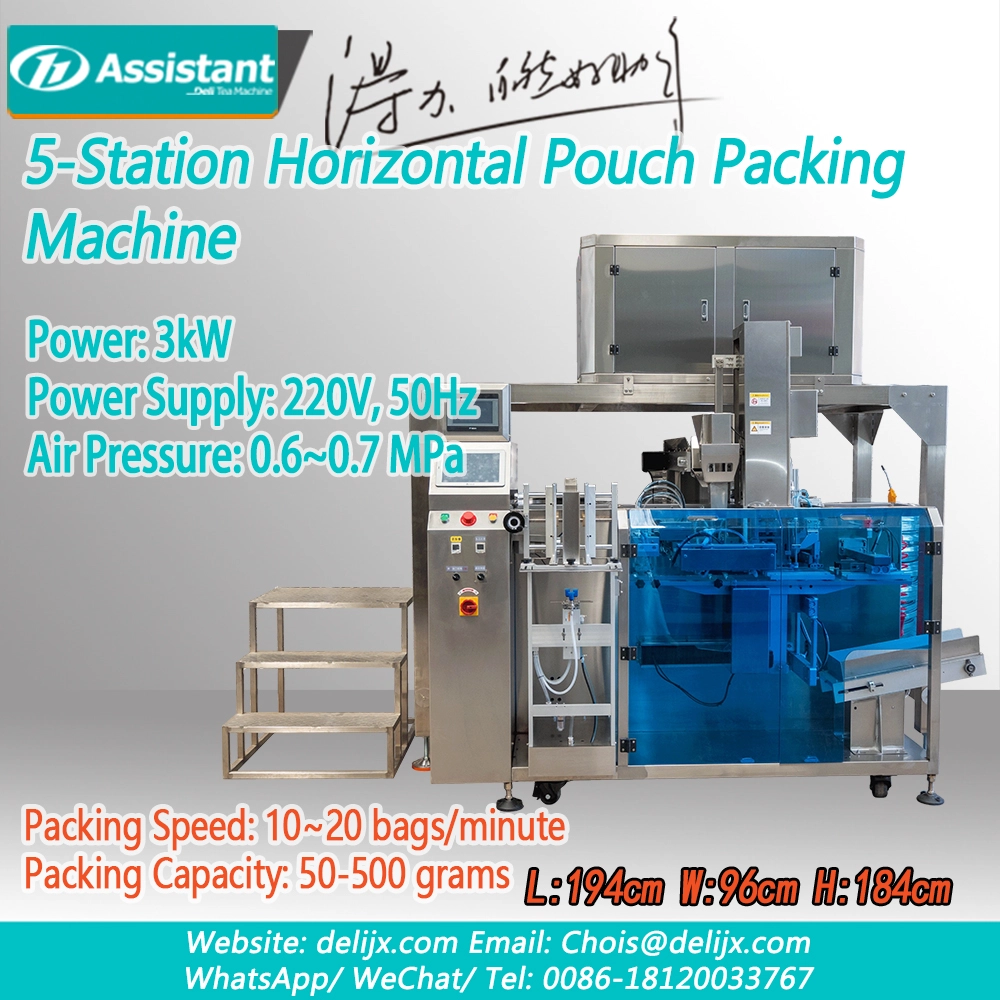
This 5-station horizontal pouch packing machine handles M bags, flat pouches and zipper pouches for 50–500g granular materials like tea. It automatically finishes weighing, filling, vacuuming and sealing with servo control, supporting multiple optional accessories.
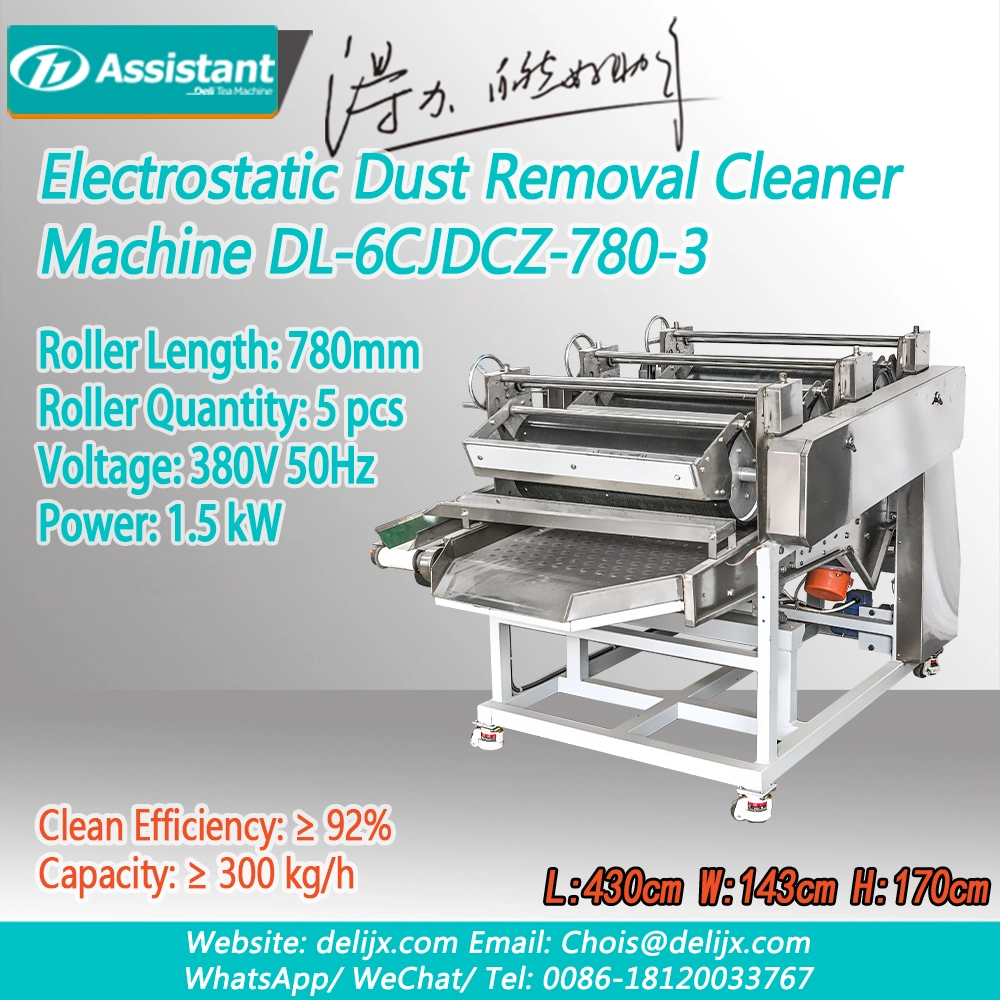
The electrostatic cleaner adsorption generated by 4-10 electrostatic rollers extracts impurities in the tea, such as hair, broom bristles, tea fluff ash, thatch, woven bag silk, plastic scraps, iron filings, etc.
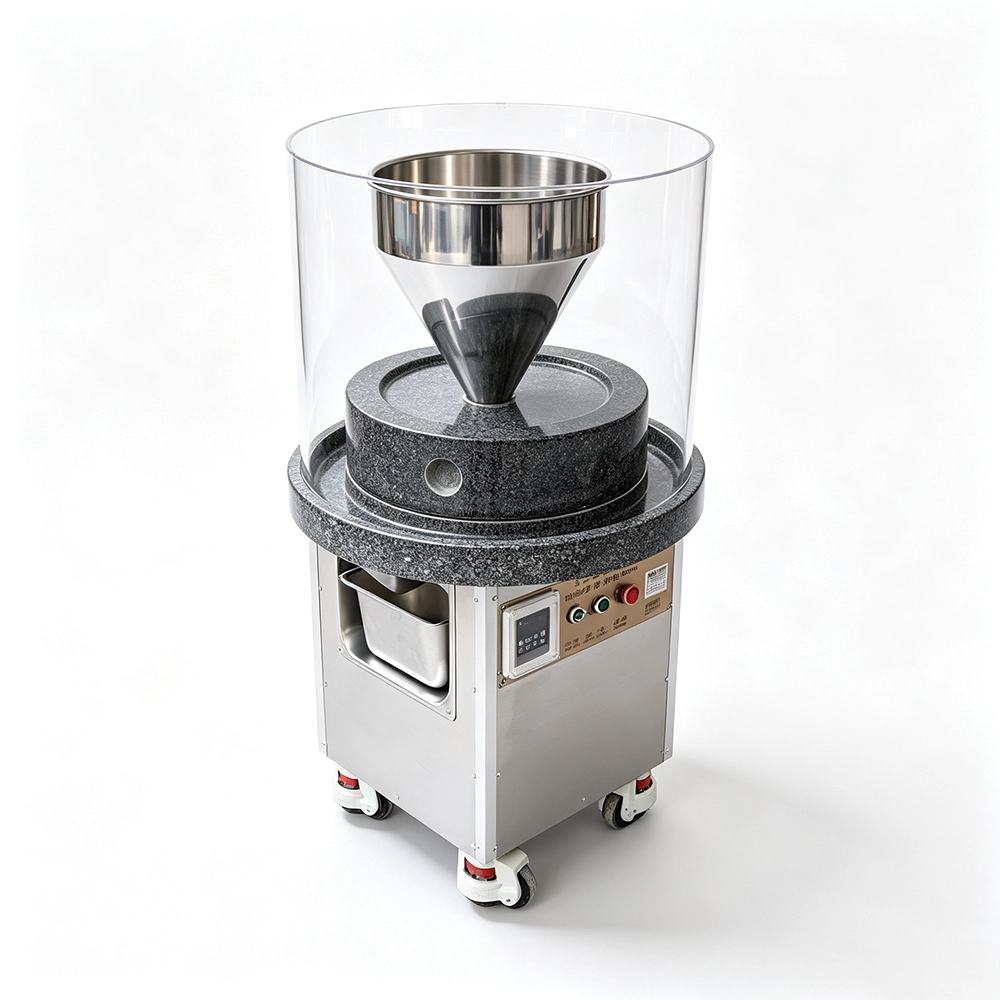
Looking for the right matcha grinding equipment? Read our in-depth comparison of 4 matcha grinders, including Black Gold Stone Mills, Blue Stone Mills, Batch Ball Mills, and Continuous Ball Mills. Learn their efficiency, particle size distribution, and ideal applications.
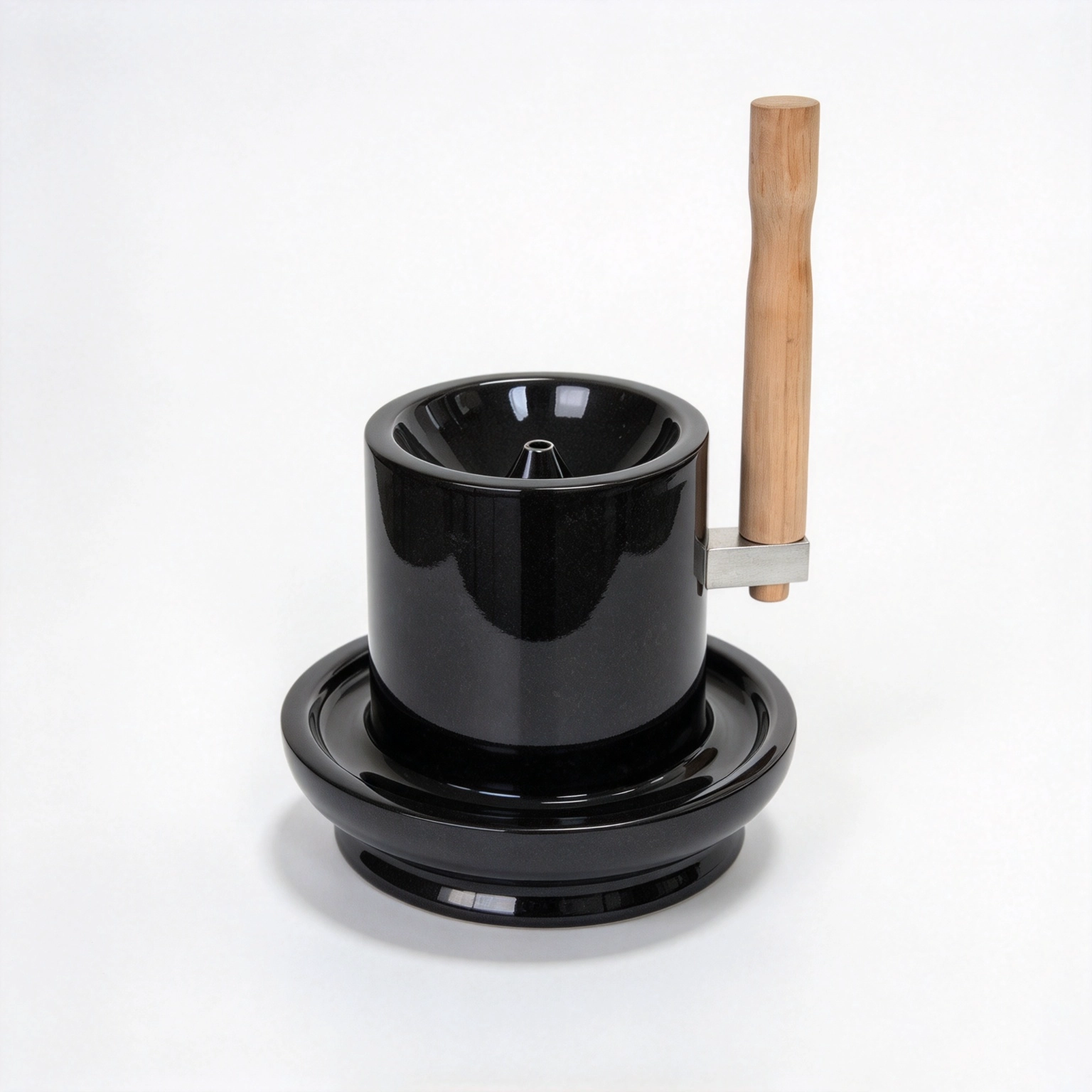
Experience the true flavor of freshly ground matcha. Our mini black stone manual matcha mill brings traditional Japanese stone grinding craft to your home, hand-cranked for fine, aromatic matcha powder.
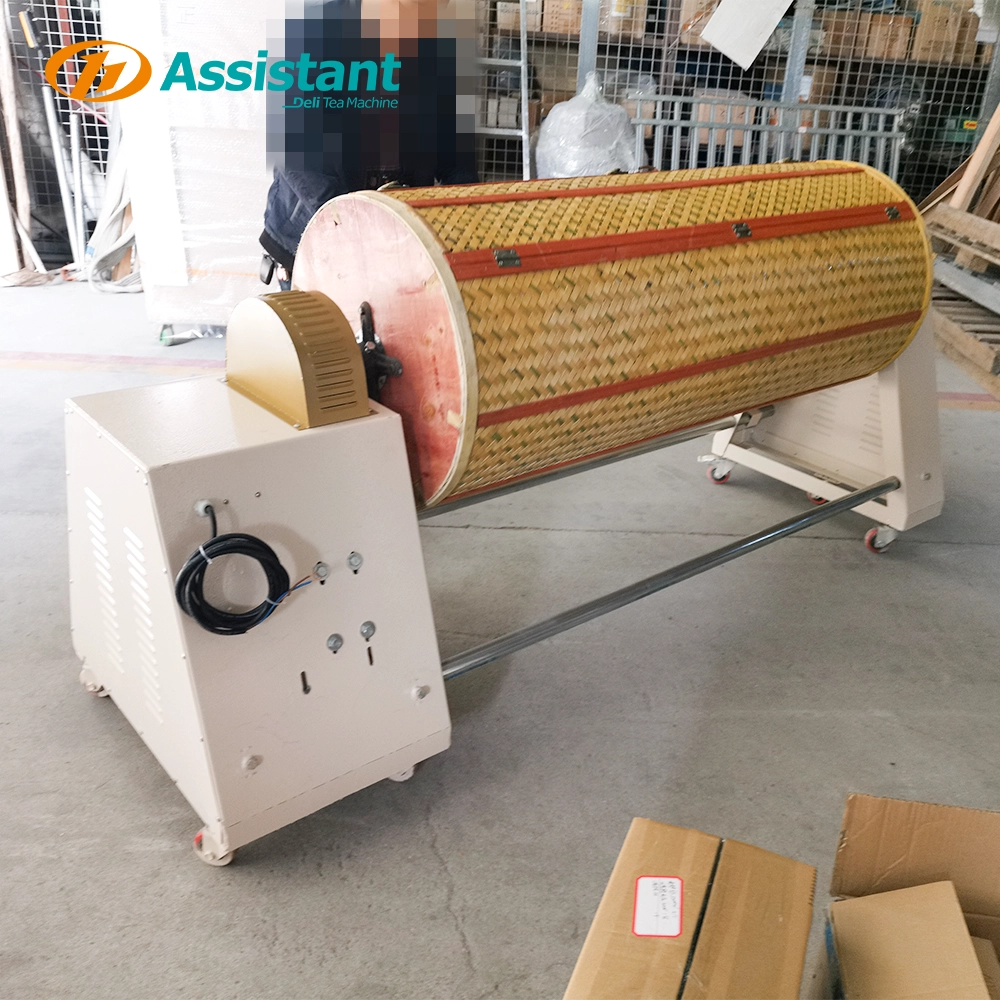
Our bamboo drum oolong tea shaking machine, also known as tea leaf shaker, simulates manual tea shaking to achieve uniform leaf oxidation. Multiple models available for small & large tea factories, stable speed control for premium oolong tea production.

Our DL-6CYMJ-32W stone mill grinder is specially designed for processing matcha and tea leaves. It adopts natural stone plates & SUS304 stainless steel frame, capable of producing ultra-fine tea powder up to ≤15μm (800 mesh). With adjustable rotating speed and automatic operation, it is ideal for tea factories and food workshops. We will introduce its specifications, core advantages, operation workflow and daily cleaning tips below.
In the process of tea production, tea rolling machines play a crucial role. It's like a magician, transforming fresh tea leaves into fine products with unique flavors and shapes.
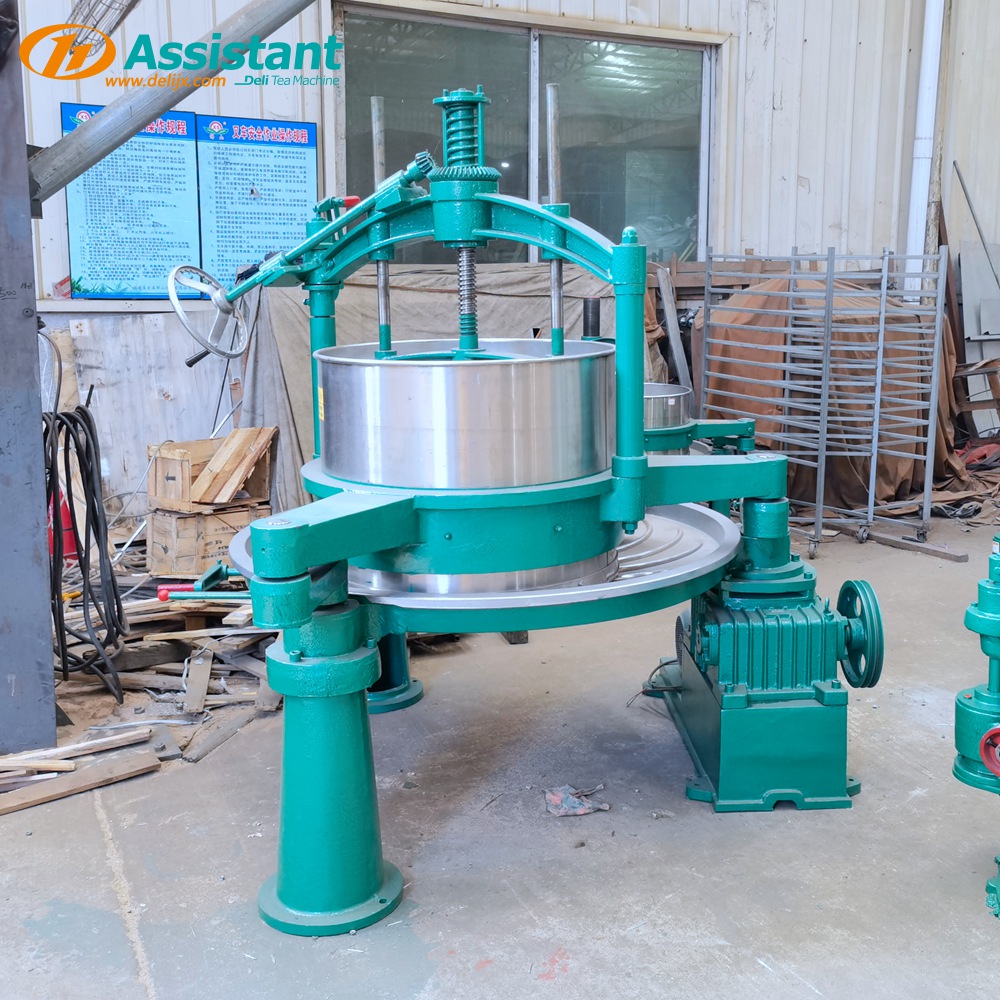
The purpose of tea rolling is not only to shape the tea leaves but also to moderately rupture the tea cells, allowing the tea juice to overflow and preparing for the subsequent fermentation process. Through rolling, tea can better lock in its color and aroma, forming the tight and cord-like shape we love.
Traditional manual rolling can surely guarantee the quality of tea, but it has low efficiency and is difficult to meet the needs of large-scale production. Modern tea rolling machines, on the other hand, have achieved mechanized operation, greatly improving production efficiency.
Today's tea rolling machines are exquisitely designed and have diverse functions. Different models and specifications of rolling machines can adapt to the processing needs of various teas. For example, some rolling machines adopt advanced pressure adjustment systems that can precisely control the rolling pressure according to the type and tenderness of the tea leaves to ensure that the tea reaches the ideal degree of rolling.
When using a tea rolling machine, there are also some key points to note. First, it is necessary to adjust the amount of tea leaves input reasonably according to the quantity of tea, avoiding too much or too little. Secondly, the rolling time also needs to be appropriately controlled. Too long or too short a time will affect the quality of the tea. The rolling time for tender leaves is relatively short, while for older leaves, it needs to be a little longer. In addition, the daily maintenance of the rolling machine cannot be ignored. Regular cleaning and maintenance of the machine can extend its service life and ensure its stable performance.
With the continuous progress of technology, tea rolling machines are also constantly being upgraded and improved. Some high-end rolling machines are even equipped with intelligent control systems that can monitor and adjust various parameters in the rolling process in real-time, further enhancing the quality and consistency of the tea.
In conclusion, the emergence and development of tea rolling machines have brought higher efficiency and more stable quality to the tea industry. It is the perfect combination of traditional craftsmanship and modern technology, allowing us to taste more delicious teas. Behind every cup of fragrant tea, there is a contribution from the tea rolling machine.