





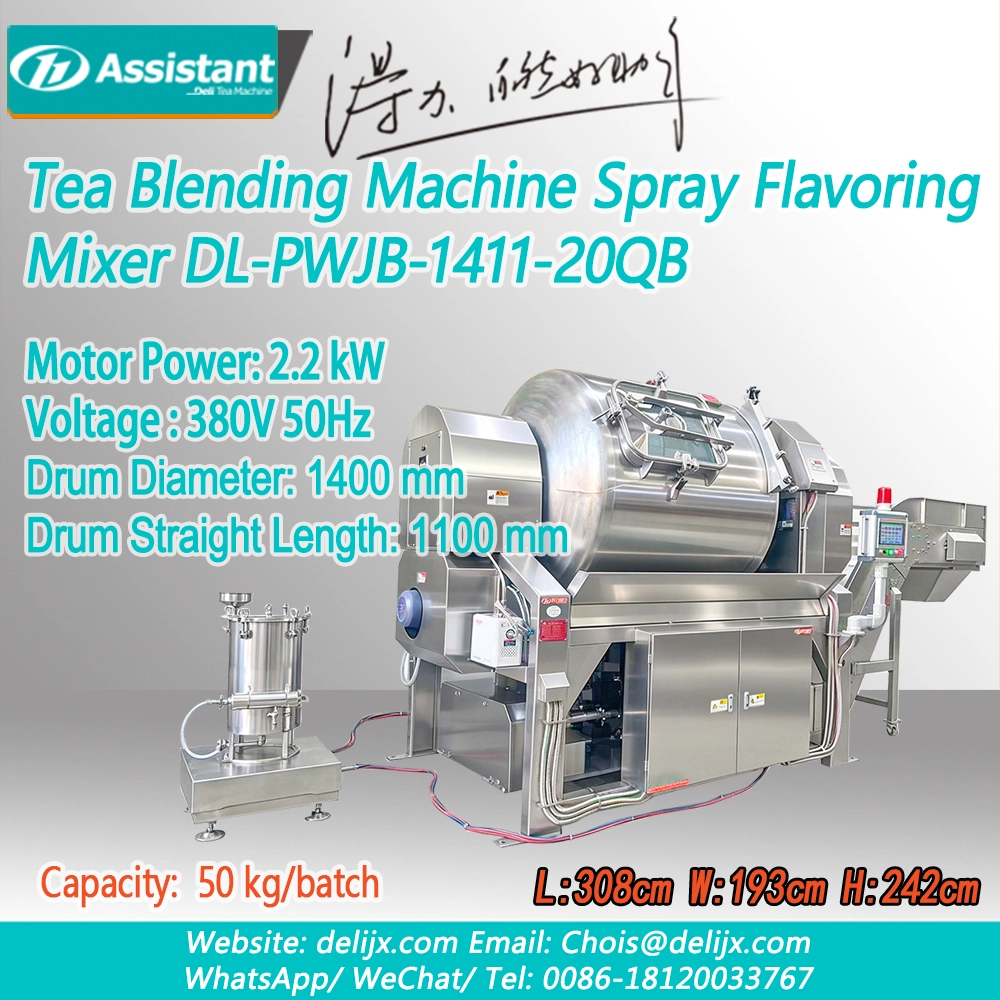
This DELI ASSISTANT spray mixer is a dual-function tea blending & aroma spraying machine, used for homogenizing tea piles and atomized flavor adding in tea factory production, with 1400mm drum, 2.2kW motor and 380V power supply.
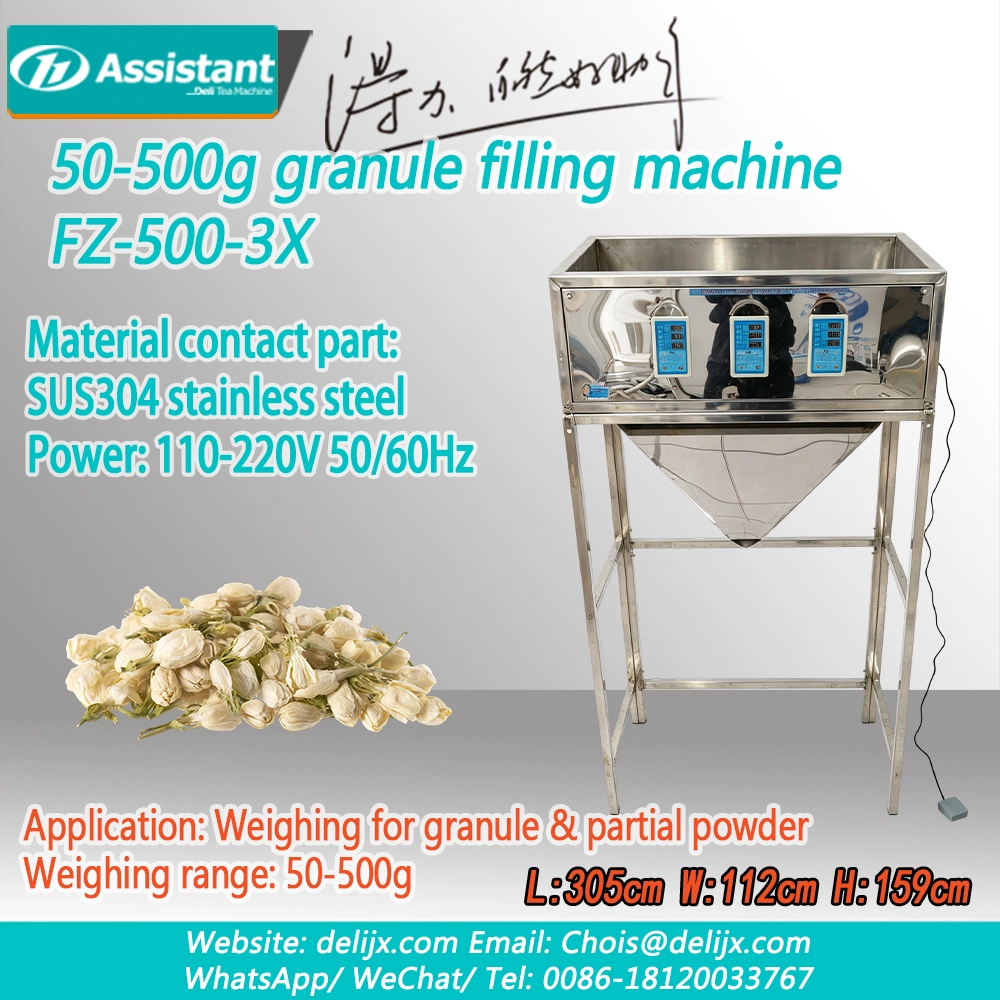
FZ‑500‑3X Automatic Quantitative Filling Machine 50‑500g Granule Powder Weighing Dispenser For Tea Grain Coffee Bean
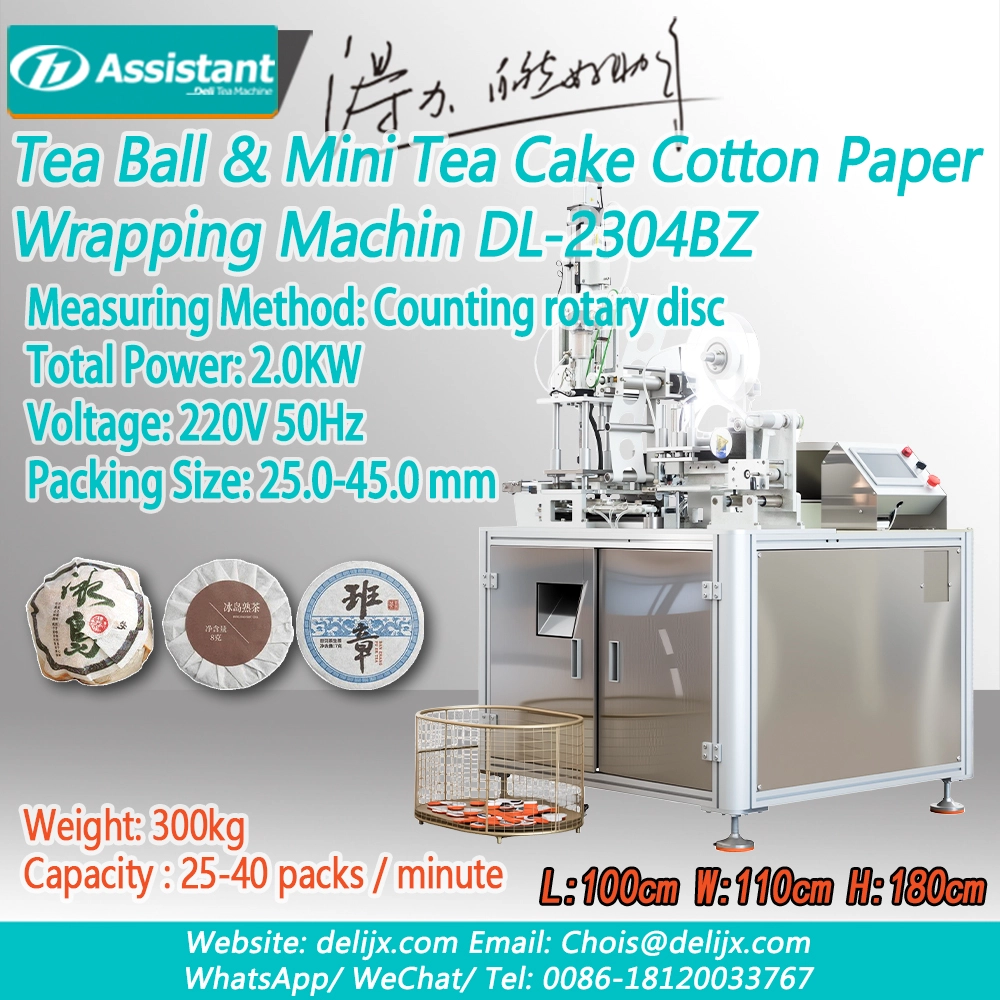
Automatic cotton paper wrapping machine for Pu‑er dragon pearl tea and mini tea cake. PLC control, 25‑40 pcs/min speed, one‑key switch for tea ball & small cake, stable pneumatic‑servo operation for compressed tea packaging.
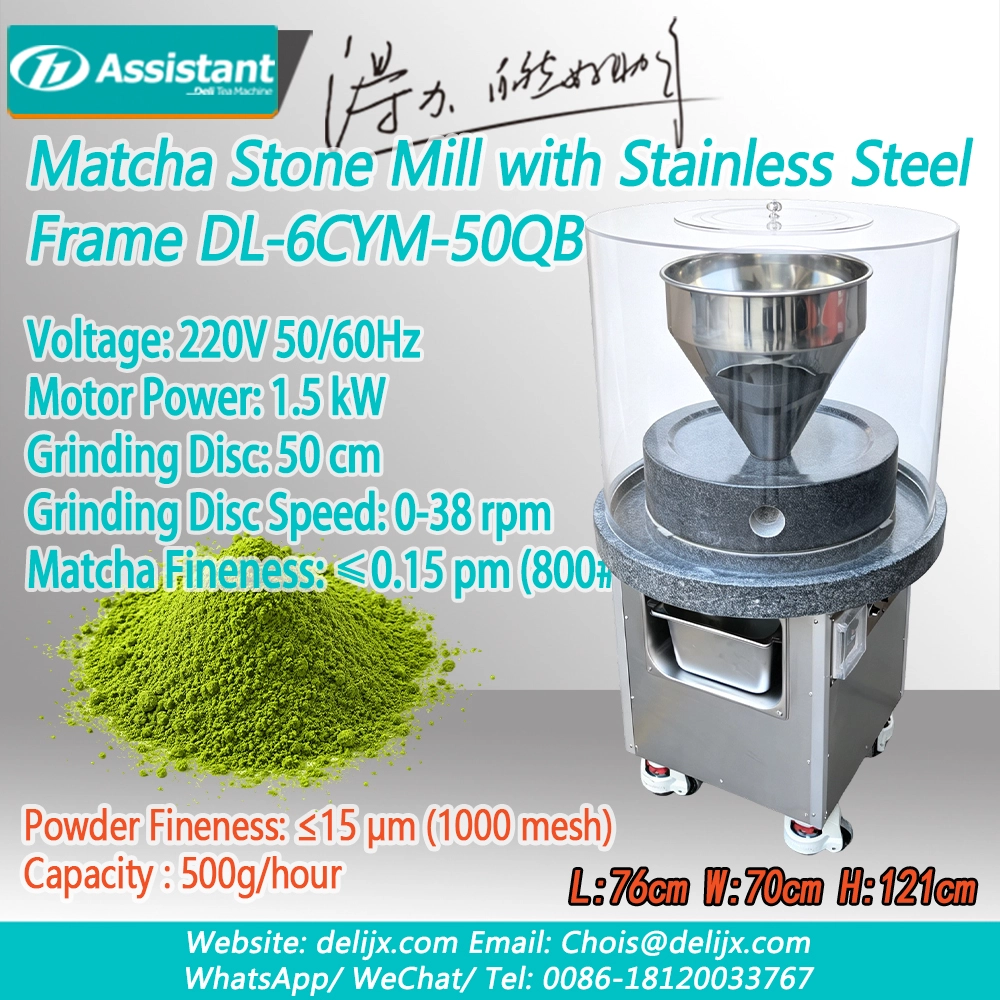
6CMJY-50QB stainless steel custom base matcha green stone mill, natural granite stone plate, low-speed cold grinding. Preserve tea aroma, produce ultra-fine matcha powder. Stainless steel frame with casters, suitable for tea shops, labs and small-batch matcha production.
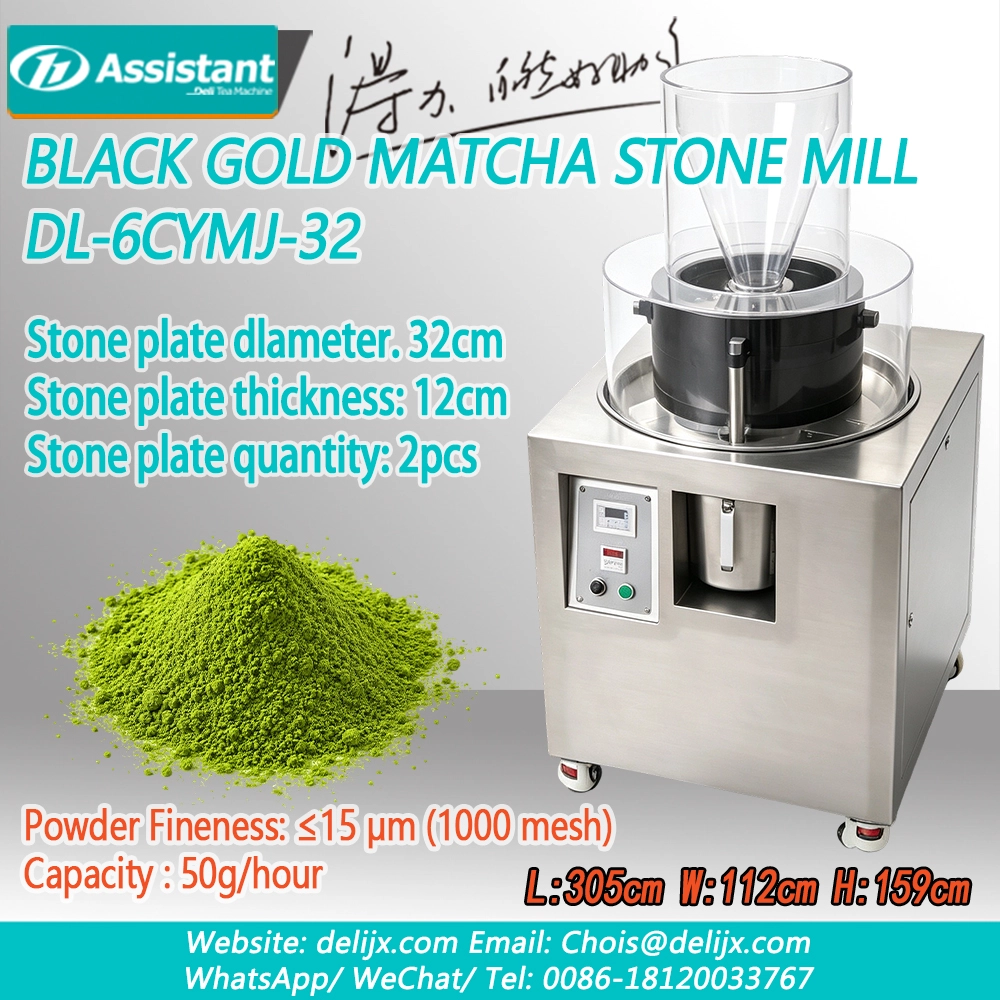
Custom heightened small matcha stone mill DL-6CYMJ-32M, equipped with 30cm natural stone plates. Low-speed low-temperature grinding, produce ultra-fine matcha powder ≤15μm. 50g/h capacity, stainless steel body, ideal for boutique tea shops & small-batch matcha production.
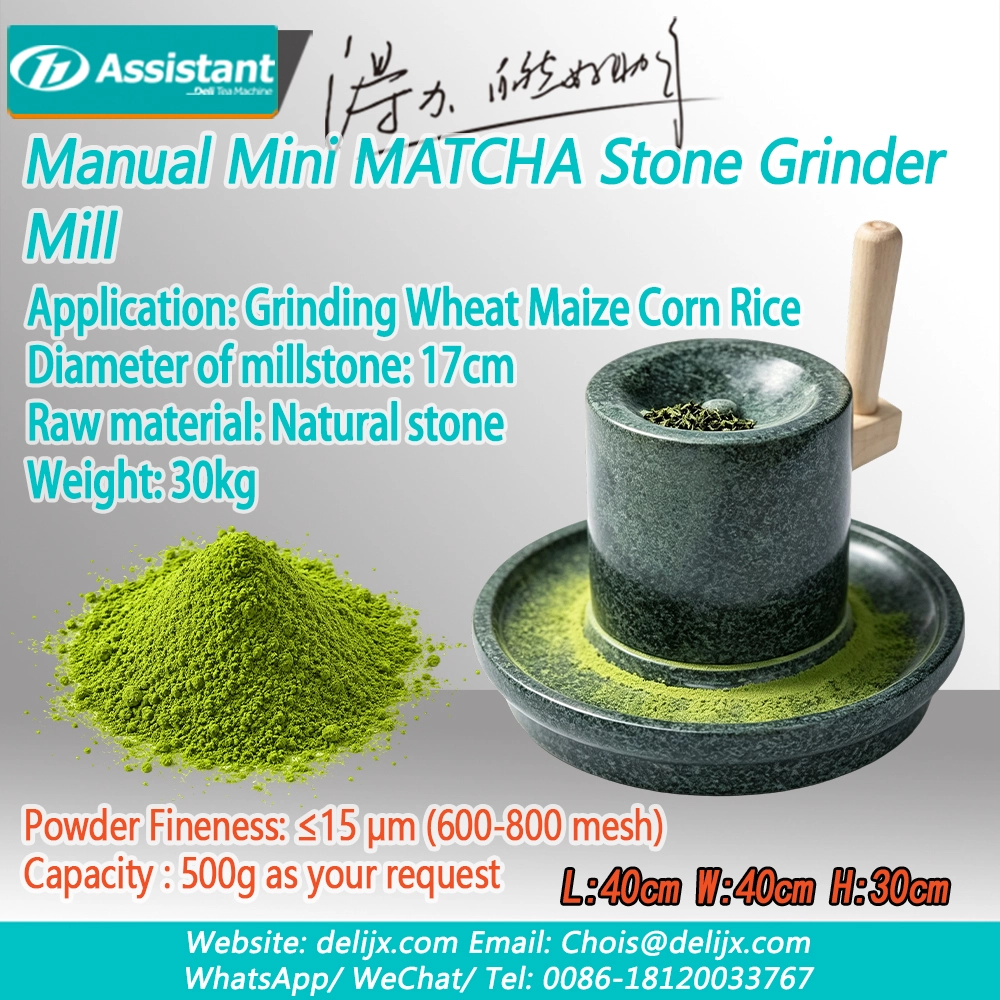
Manual Matcha Stone Mill is a traditional hand-operated grinder made from natural stone, designed for producing fresh and authentic matcha powder. With a slow grinding process and low heat generation, it helps preserve the natural color, aroma, and flavor of tea leaves. Compact and durable, it is ideal for matcha cafes, tea houses, restaurants, cultural experience shops, and small-batch matcha production.

This 5-station horizontal pouch packing machine handles M bags, flat pouches and zipper pouches for 50–500g granular materials like tea. It automatically finishes weighing, filling, vacuuming and sealing with servo control, supporting multiple optional accessories.

The electrostatic cleaner adsorption generated by 4-10 electrostatic rollers extracts impurities in the tea, such as hair, broom bristles, tea fluff ash, thatch, woven bag silk, plastic scraps, iron filings, etc.
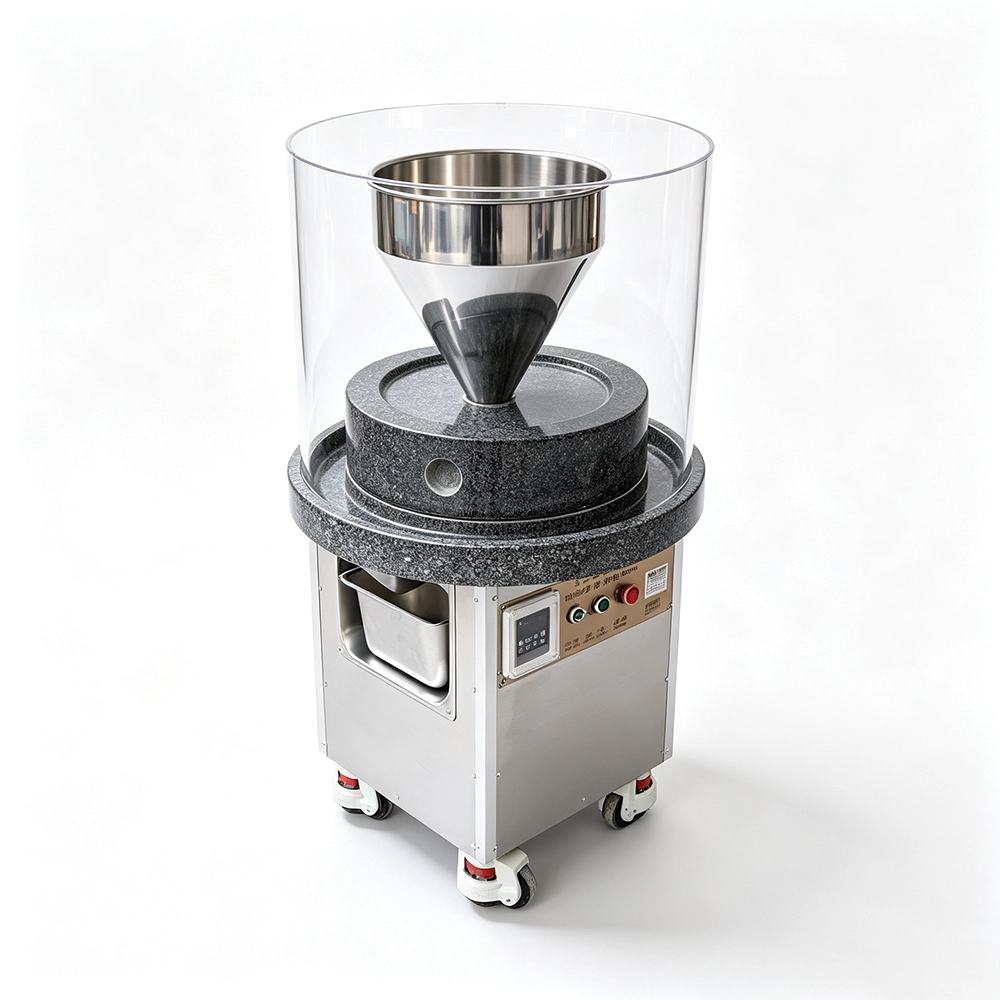
Looking for the right matcha grinding equipment? Read our in-depth comparison of 4 matcha grinders, including Black Gold Stone Mills, Blue Stone Mills, Batch Ball Mills, and Continuous Ball Mills. Learn their efficiency, particle size distribution, and ideal applications.
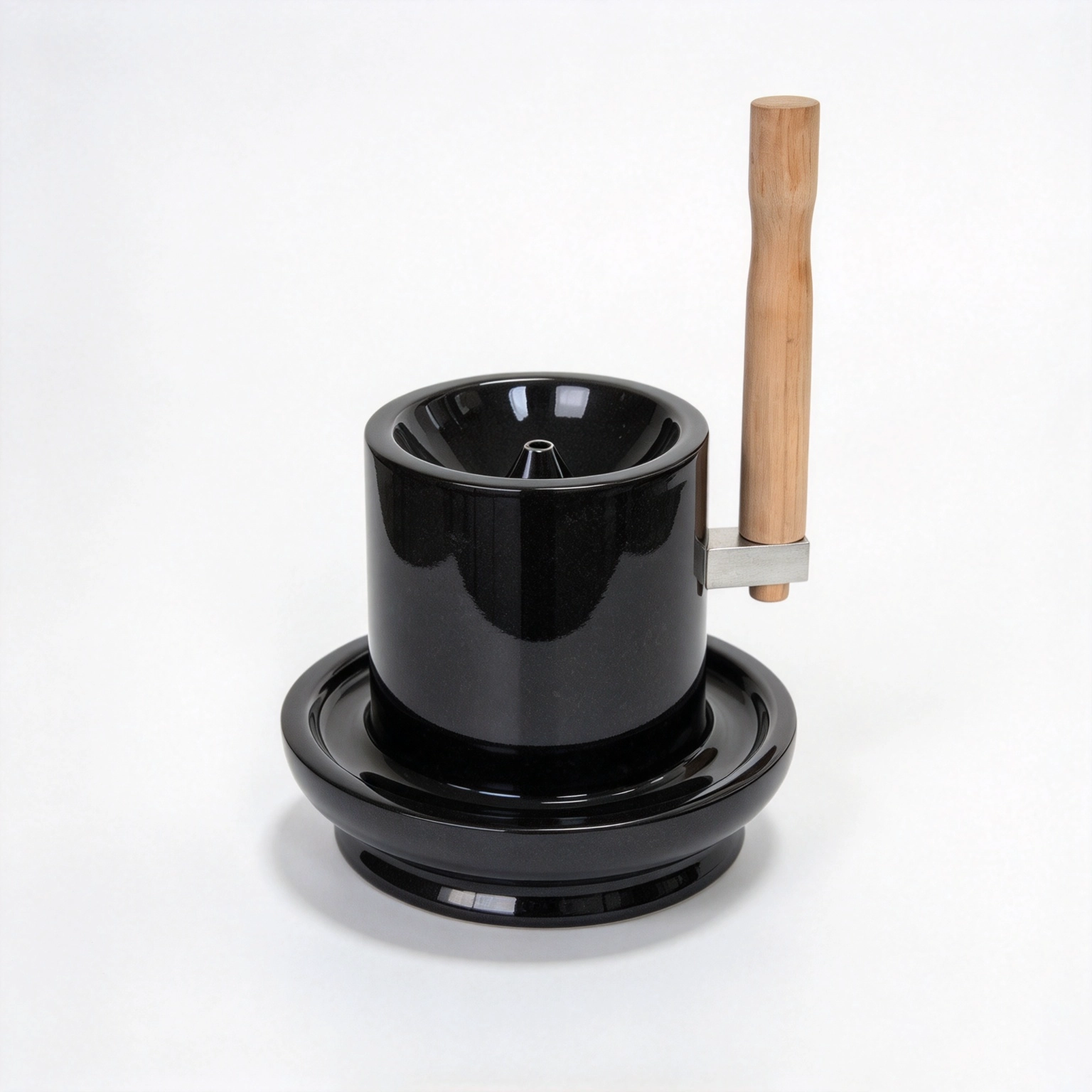
Experience the true flavor of freshly ground matcha. Our mini black stone manual matcha mill brings traditional Japanese stone grinding craft to your home, hand-cranked for fine, aromatic matcha powder.
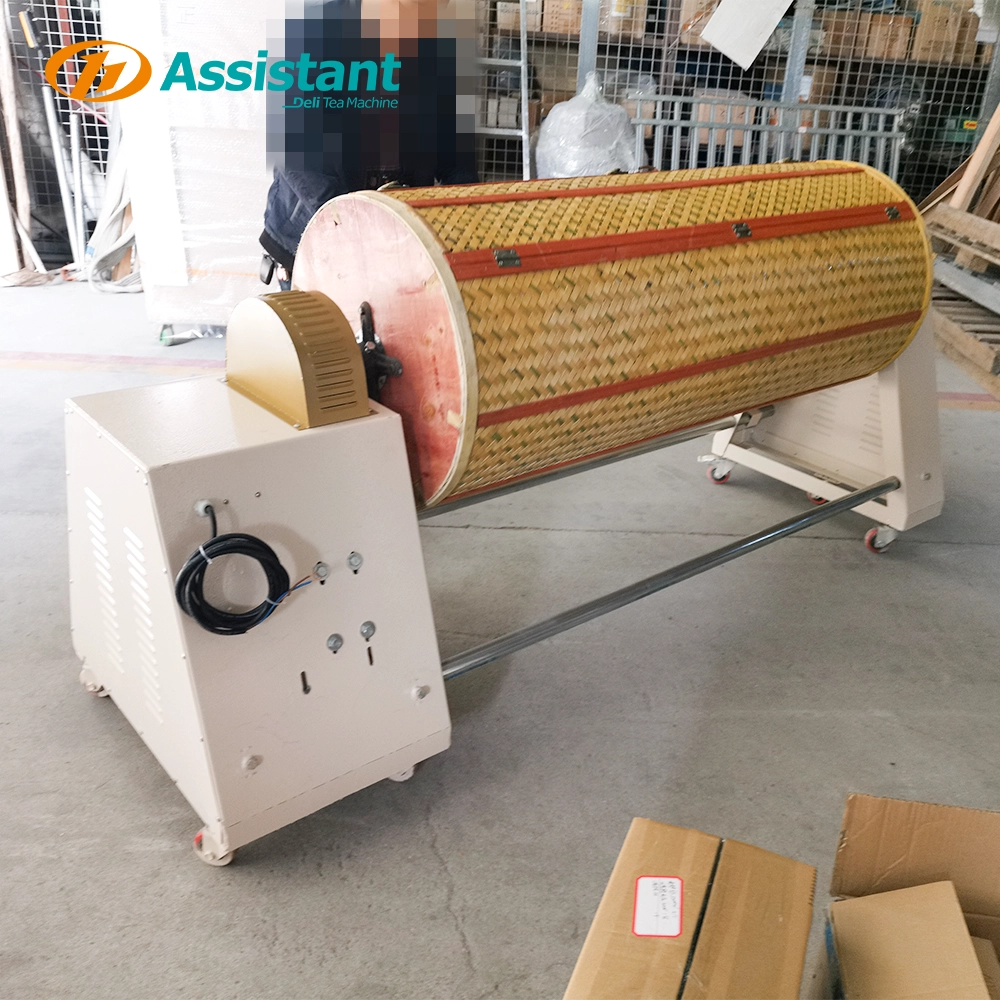
Our bamboo drum oolong tea shaking machine, also known as tea leaf shaker, simulates manual tea shaking to achieve uniform leaf oxidation. Multiple models available for small & large tea factories, stable speed control for premium oolong tea production.

Our DL-6CYMJ-32W stone mill grinder is specially designed for processing matcha and tea leaves. It adopts natural stone plates & SUS304 stainless steel frame, capable of producing ultra-fine tea powder up to ≤15μm (800 mesh). With adjustable rotating speed and automatic operation, it is ideal for tea factories and food workshops. We will introduce its specifications, core advantages, operation workflow and daily cleaning tips below.
The purpose of black tea fermentation is to promote profound changes in the contents and prepare a substrate for the formation of the unique color, aroma and taste qualities of black tea. The essence of black tea fermentation is a chemical change process with the profound oxidation of polyphenol compounds as the core. How to control the fermentation time and temperature of black tea?
Black tea is normally fermented for 4 to 6 hours. However, the specific fermentation time depends on the age and tenderness of the tea, the cold and hot weather, the dryness, wetness, and the degree of twisting. Generally, young leaves, well-kneaded raw materials, and high-fermentation temperature leaves ferment quickly and the time is relatively short. Otherwise, the time will be longer. I have encountered that it has not been fermented for 12 hours. As long as it is not sour or stuffy during fermentation. The tea maker must keep track of the fermentation progress.
Fermentation time is only a reference indicator. Whether fermentation should be terminated, or should it be based on the degree of fermentation. Moderate fermentation is generally based on the fact that the leaf color changes to reddish-yellow, the blue aura disappears, and the floral and fruity aroma appears as the standard. If it is mass production, finally use the evaluation method to look at the color of the soup, taste the taste, look at the bottom of the leaf, and check the degree of fermentation. The book says how much temperature and humidity are, and how many hours are normal. The top tea maker only says "watch tea and make tea". The way inside is very mysterious!

Black tea fully automatic fermentation machine
Black Tea Fermentation Temperature
Temperature has a great influence on fermentation quality, including air temperature and leaf temperature. The level of temperature directly affects the leaf temperature. During the fermentation process, the polyphenol compounds are oxidized and exothermic, which increases the leaf temperature. The leaf temperature has a changing law from low to high and then low. Fermentation leaf temperature should be kept at 30℃, and the temperature should be 24℃~25℃. The temperature and leaf temperature should not be too high or too low. If the leaf temperature is too high and exceeds 40°C, the fermentation changes will be too intense, resulting in low aroma and low taste and dark color, which will seriously damage the quality. Therefore, cooling measures should be taken in the high temperature season, and the spread leaves should be thin to facilitate heat dissipation and cooling. If the temperature is too low, the fermentation time will be prolonged and the endoplasmic transformation cannot be fully developed. Therefore, when the leaf temperature is too low, the leaf layer should be thickened to facilitate heat preservation, and other heating measures should be taken if necessary.